Előnézet
 Megosztás
 Megosztás
 Részletek
 Útmutató

 Letöltés
 Hasonló darabok
 X-ray felvétel
 Diavetítés
 Statisztika
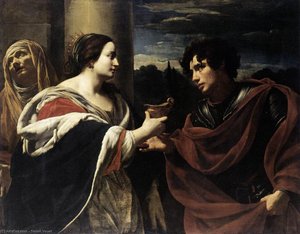
Annunciation
 Oil On Canvas
- WallArt
- Baroque
 1640
1640 121.0 x 86.0 cm
 Uffizi Képtár
 Tovább olvasom
Giclée / Műnyomat
Múzeumi minőségű giclée vagy vászonnyomat, gyors gyártással és rugalmas finomítási lehetőségekkel. ( Kézzel festett másolat vásárlása Áttérés digitális képre)




P118B Ft10

P118H Ft10

P118W Ft10

P438Z Ft10

P508JH Ft12

P508YH Ft12

P805H Ft10

P805Z Ft10

P919BZ Ft10

P919G Ft10

P919XJ Ft10

P959ZH Ft10

P968JZ Ft12

W106C Ft8

W218G Ft10

W218JH Ft8

W218Y Ft10

W307PJ Ft10

W316G Ft10

W316PJ Ft8

W316Y Ft10

W398PJ Ft8

W4111J Ft10

W500HY Ft15

W500JH Ft15

W692G Ft12

W849H Ft8

W940BG Ft15

W953PJ Ft8




Válasszon előre meghatározott méreteink közül, amelyek megfelelnek a műalkotás eredeti arányainak.

Írja be a keretének vagy a falának megfelelő szélességet és magasságot. A nyomatot csak le lehet vágni, soha nem tehető nagyobbá, mint az eredeti kép, így egy eltérő alakú méretnél a kép egy része elveszik. Mielőtt bármit kinyatintanánk, küldünk egy digitális próbamodellt jóváhagyásra. Az oldalon látható kép nem tartalmazza a valós levágást — ezt csak a próbamodell mutatja meg.
Világszerte történő kiszállítás területére mindössze 2 hét alatt, a szokásos 4-5 hét helyett. (20 október)

Ingyenes globális expressz szállítás

Prémium minőségű len vászon

Teljes körű szállítási biztosítás

Vámvisszatérítési Garancia

Tökéletes színarányosság garancia

100 napos visszaküldési garancia (csak gyártási hibás termékek esetén)

100% pénzvisszatérítési garancia

Több darab vásárlásakor kedvezmény
 Az üvegkeretes opció csak 110 cm alatti méretben érhető el

Annunciation
Giclée / Műnyomat
Reprodukció méretei
-


Összesített ár
Ft 25246
A Divine Encounter: Simon Vouet’s Annunciation
Simon Vouet's "Annunciation," painted in 1640, is more than just a religious depiction; it’s a masterful orchestration of light, shadow, and human emotion. This captivating work transports the viewer to an intimate interior space, where the momentous announcement of Mary’s divine conception unfolds with breathtaking drama. The painting immediately draws the eye to the kneeling figure of the Virgin Mary, bathed in a warm, golden glow emanating from the right side of the composition – a deliberate choice that emphasizes her purity and receptivity to the divine message. The angel Gabriel, rendered with elegant grace and poised authority, delivers the news, his gestures conveying both reverence and urgency. Beyond this central narrative, the painting is populated by a multitude of smaller angels ascending towards the upper reaches of the canvas, creating an atmosphere of celestial presence and overwhelming grace – a visual representation of the vastness and importance of the event.
Baroque Drama and Italian Influence
Vouet’s “Annunciation” firmly establishes itself within the Baroque style, yet it transcends simple imitation. He skillfully absorbed the innovations of the Italian Renaissance – particularly the dramatic use of light and shadow championed by Caravaggio – while adapting them to the evolving aesthetic sensibilities of 17th-century France. The strong directional lines, guiding the viewer’s eye from the architectural details in the background towards the central figures, are a hallmark of Baroque composition. The dynamic arrangement of bodies, the billowing drapery, and the carefully sculpted faces all contribute to a sense of movement and theatricality. This isn't merely a static representation; it’s an experience—a carefully constructed tableau designed to evoke awe and contemplation.
Symbolism and Compositional Detail
The painting is rich in symbolic elements, each contributing to the overall narrative and spiritual depth. The dove, a potent symbol of the Holy Spirit, ascends gracefully above the scene, signifying divine intervention. Mary’s red robe, a traditional color associated with royalty and purity, further emphasizes her elevated status as the Mother of God. Notice the subtle diagonal that runs from the window on the right, down through Mary's robes – this compositional device mirrors the angel Gabriel’s descent and reinforces the pivotal nature of the event. The use of perspective is deliberately flattened, prioritizing emotional impact over strict realism; Vouet sought to capture the *feeling* of the moment rather than a photographic likeness.
Technique and Materials: A Master's Hand
Painted in oil on canvas, “Annunciation” showcases Vouet’s exceptional technical skill. The smooth surfaces of Mary’s robes and the angel’s wings contrast with the textured appearance of the background walls, creating a tactile richness within the image. The artist's mastery of glazing techniques is evident in the luminous quality of the light and the subtle blending of colors. It’s likely that gold leaf was employed to embellish certain elements – perhaps the halo or decorative details – adding further opulence and grandeur to the scene. The meticulous attention to detail, from the delicate folds of drapery to the intricate patterns on the architecture, speaks volumes about Vouet's dedication to his craft. This painting is a testament to the artist’s ability to transform pigments into a vibrant and emotionally resonant work of art.
OriginalUniqueArt offers meticulously hand-painted reproductions of Simon Vouet’s “Annunciation,” capturing the essence of this Baroque masterpiece with unparalleled fidelity. Each reproduction is created by skilled artists using traditional techniques, ensuring that you receive an authentic representation of this iconic artwork for your home or collection.
Gyakran Ismételt Kérdések
Milyen technikával készült és mikor született meg „Annunciation”, Vouet Simon alkotása?
A "Annunciation" alkotása 1640-ben készült, Oil On Canvas technikával.
Milyen méretű "Annunciation" ajánlott egy Living Room-hoz?
Egy Living Room számára a „Annunciation”, Vouet Simon alkotása javasolt nyomtatási mérete Large.
Milyen módon kapcsolódik össze a „Annunciation”, Vouet Simon alkotása a Baroque irányzatot a művész honcountryjához?
A "Annunciation" a alkotó születésihelyén keresztül köti össze a Baroque irányzatot Franciaország-val.
A művész életrajza
Simon Vouet: A Francia Barokk Festészet Úttörője
Simon Vouet neve szorosan összefonódik a francia festészet átalakulásával, a manierizmustól a barokk felé vezető úton. 1590-ben Párizsban született, egy művészcsaládban – apja, Laurent Vouet is festő volt, és testvére, Aubin szintén a művészetet választotta –, ami kedvező alapot teremtett számára a későbbi sikerekhez. Unokája, Ludovico Dorigny továbbviszi a család művészi hagyományát. A 17. századi francia udvar és arisztokrácia ízlését tükröző Vouet munkássága ma is lenyűgöző erejével hat ránk.
Korai Évek és Olasz Hatások (1608-1627)
Vouet festői karrierje a portréfestéssel kezdődött, hamarosan megmutatva tehetségét. Már 14 évesen Angliába utazott egy megbízásnak köszönhetően, ahol portrét kellett festenie, ami bebizonyította a növekvő hírnevét. 1611-ben csatlakozott Baron de Sancy francia követ küldöttségéhez az Oszmán Birodalomba, ismét portréfestési megbízásokra. Ez a kalandos utazás Konstantinápolyon át vezetette őt Velencébe, 1612-ben. A római időszak (1614-1627) azonban igazi fordulatot hozott életében. Tizenhány évet töltött Rómában, a virágzó barokk művészeti szcéna közepén.
Olaszországban Vouet számos hatás forrása közül merített. Caravaggio drámai megvilágításának technikáját tanulmányozta, magára ötvözve az olasz manierizmus elemeit, és alaposan vizsgálta Paolo Veronese által alkalmazott színpalettákat és a di sotto in su (felülnéző perspektíva) eljárást. Carracci, Guercino, Lanfranco és Guido Reni művészete is inspirálta, amelyeket egyedi művészi látásmódjába integrált.
A Sajátos Stílus Kidolgozása
Római sikerei csúcspontja a híres Accademia di San Luca elnöki tisztségének megszerzése volt (1624), ami bizonyította a római művészeti világban szerzett elismerését. Vouet stílusa azon képességéről tanúskodott, hogy képes befogadni és átalakítani a különböző művészi befolyásokat. Nem csupán másolt, hanem ezek az elemek egy koherens, distinctly olasz barokk esztétikába olvadtak. Franciaországba való visszatérése (1627) után kulcsszerepet játszott az olasz barokk stílus bevezetésében a francia festészetbe, jelentősen befolyásolva az ország művészeti táját.
Főbb Eredmények és Örökség
Vouet Premier peintre du Roi (a király első festője) cím elnyerése hatalmas presztízst és befolyást biztosított számára. Nagy, aktív műhelyt tartott fenn, számos művészt képezve ki, akik a következő generáció francia festőit formálták. Legkiemelkedőbb tanítványai közé tartozott Charles Le Brun (aki később a versailles-i dekoratív festészetet szervezte), Valentin de Boulogne, Charles Alphonse du Fresnoy, Pierre Mignard, Eustache Le Sueur és Claude Mellan. Vouet hatása nem csupán saját műveire korlátozódott; tanítványai stílusát és technikáit Franciaországban terjesztették, létrehozva egy distinct barokk festészeti iskola.
Történelmi Jelentősége
Simon Vouet öröksége abban rejlik, hogy sikeresen hidat épített az olasz és a francia művészet között. A dinamizmus és pompa olasz barokkját Franciaország ízléséhez igazította, ami a királyi udvar és az arisztokrácia kedveltségét nyerte el. Hatása vitathatatlan a 17. századi francia festészet fejlődésében, és hozzájárulásai ma is elismerik a művészettörténészek.

Vouet Simon
1590 - 1649 , Franciaország
Gyors információk
- Halálozási Dátum: 1649. június 30.
- Művészek, Akik Hatottak Rá:
- Caravaggio
- Paolo Veronese
- Carracci
- Guercino
- Lanfranco
- Guido Reni
- Művészek/Mozgások, Amiket Befolyásolt:
- Charles Le Brun
- Valentin de Boulogne
- Francia barokk festészet
- Művészeti Irányzat: Barokk festészet
- Nemzetiség: Francia
- Születési Dátum: 1590. január 9.
- Születési Hely: Párizs, Franciaország
- Teljes Név: Simon Vouet
Kapcsolódó cikkek
Simon Vouet: A Baroque Master's Journey from Italian Influence to French Classicism
Explore the life & art of Simon Vouet, a pivotal French Baroque painter who introduced Italian styles to France. Discover his masterpieces and lasting influence on 17th-century art.
Baroque Classicism: Reconciling Drama & Order in 17th-Century Art
Explore the captivating world of Baroque Classicism! Discover its history, key artists like Caravaggio & Rubens, and defining characteristics. Expert insights & high-quality reproductions at OriginalUniqueArt.

The Dramatic Flourish: Exploring the Baroque Movement's Enduring Legacy in Art History
Explore the dramatic world of Baroque art! Discover iconic artists like Caravaggio & Rubens, defining techniques, and its lasting impact on art history. Expert insights for collectors & enthusiasts at OriginalUniqueArt.

A barokk dráma ereje: fény, mozgás és érzelmek a 17. századi festészetben
Ismerje meg a barokk festészet drámai erejét és technikáit szakértőnkkel. Fedezze fel a fény és árnyék mesterművészetét még ma!

Baroque Classicism: The Grandeur of Order and Drama in 17th-Century Art History
Explore the profound elegance of Baroque Classicism. Discover how 17th-century masters synthesized dramatic emotion with classical order through the lens of the Counter-Reformation and the works of legends like Carlo Maratta and Andrea Sacchi.