
 Megtekintés
 Küldés
 Megosztás
 Részletek
 Útmutató

 Letöltés
 Hasonló darabok
 X-ray felvétel
 Diavetítés
 Q&A
Q&A Statisztika
Countess Ebba Sparre

- 106.0 x 90.0 cm


 Összes részlet megjelenítése
Giclée / Műnyomat
Múzeumi minőségű giclée vagy vászonnyomat, gyors gyártással és rugalmas finomítási lehetőségekkel. ( Kézzel festett másolat rendelése Áttérés digitális képre)




P118B Ft10

P118H Ft10

P118W Ft10

P438Z Ft10

P508JH Ft12

P508YH Ft12

P805H Ft10

P805Z Ft10

P919BZ Ft10

P919G Ft10

P919XJ Ft10

P959ZH Ft10

P968JZ Ft12

W106C Ft8

W218G Ft10

W218JH Ft8

W218Y Ft10

W307PJ Ft10

W316G Ft10

W316PJ Ft8

W316Y Ft10

W398PJ Ft8

W4111J Ft10

W500HY Ft15

W500JH Ft15

W692G Ft12

W849H Ft8

W940BG Ft15

W953PJ Ft8




Válasszon előre meghatározott méreteink közül, amelyek megfelelnek a műalkotás eredeti arányainak.

Írja be a keretének vagy a falának megfelelő szélességet és magasságot. A nyomatot csak le lehet vágni, soha nem tehető nagyobbá, mint az eredeti kép, így egy eltérő alakú méretnél a kép egy része elveszik. Mielőtt bármit kinyatintanánk, küldünk egy digitális próbamodellt jóváhagyásra. Az oldalon látható kép nem tartalmazza a valós levágást — ezt csak a próbamodell mutatja meg.
Világszerte történő kiszállítás területére mindössze 2 hét alatt, a szokásos 4-5 hét helyett. (3 november)

Ingyenes globális expressz szállítás

Prémium minőségű len vászon

Teljes körű szállítási biztosítás

Vámvisszatérítési Garancia

Hiteles színarányosság garancia

100 napos visszaküldési lehetőség (csak hibás termékek esetén)

100% pénzvisszatérítési garancia

Több darab vásárlásakor kedvezmény
 Az üvegkeretes opció csak 110 cm alatti méretben érhető el

Countess Ebba Sparre
Giclée / Műnyomat
Reprodukció mérete
-


Összesített ár
Ft 26201
The Enigmatic Countess
Sébastien Bourdon’s “Countess Ebba Sparre,” painted in 1652, is more than a mere likeness; it's a carefully constructed tableau of power, grace, and subtle intrigue. The portrait captures Ebba Larsdotter Sparre, a pivotal figure in the court of Queen Christina of Sweden, not just as a noblewoman but as a woman deeply entwined with the political and personal dramas of her era. Bourdon’s masterful handling of light and shadow immediately draws the viewer into the scene – a dark, almost theatrical backdrop emphasizing Ebba's luminous presence, a deliberate choice that elevates her to an almost ethereal quality.
(Image courtesy of Artvee)
A Baroque Masterpiece – Technique and Style
Bourdon, a key figure in the French Baroque movement, demonstrates his deep understanding of the period’s aesthetic principles. The painting is executed with meticulous detail—notice the delicate folds of Ebba's gown, the subtle texture of her hair, and the intricate embroidery on her sleeve. His use of *chiaroscuro*, a technique borrowed heavily from Caravaggio, creates dramatic contrasts between light and dark, intensifying the sense of depth and highlighting Ebba’s face as the focal point. The composition is classically balanced, yet imbued with a theatricality characteristic of Baroque art – a deliberate staging that suggests a narrative beyond simple portraiture.
- Medium: Oil on canvas
- Size: 106 x 90 cm (approximately)
- Style: French Baroque, influenced by Caravaggio and Poussin
Historical Context – A Queen’s Favorite
Ebba Sparre's story is inextricably linked to the tumultuous reign of Queen Christina. A woman known as “La Belle Comtesse,” she was more than just a lady-in-waiting; she became Christina’s closest confidante and, according to many historians, her lover. The painting itself offers clues to this complex relationship – Ebba's confident gaze, the subtle suggestion of jewelry, and the overall air of regality all speak to her elevated status within the court. The provenance of the artwork—tracing its journey through royal collections and aristocratic families—further underscores its connection to the Swedish monarchy and the intricate power dynamics of the time.
Provenance Note: The painting’s history reveals a fascinating passage through European courts, from Stockholm to Rome and eventually finding its home in Parisian collections.Symbolism and Emotional Resonance
Beyond the portrait's realistic depiction, “Countess Ebba Sparre” is rich with symbolic meaning. The book she holds—a symbol of learning and refinement—contrasts sharply with the opulent surroundings, suggesting a mind both engaged and discerning. Her posture, upright and composed, conveys an air of authority and self-assurance. The dark background serves not merely as a backdrop but as a visual metaphor for the secrets and complexities that lie beneath the surface of courtly life. The painting ultimately evokes a sense of quiet dignity and enduring mystery—a testament to Ebba Sparre’s captivating presence and her significant role in one of Europe's most fascinating royal dramas.
Kérdések és válaszok
Ki készítette a(t) "Countess Ebba Sparre"-t, és melyik évben?
A "Countess Ebba Sparre" alkotója Sébastien Bourdon, a mű pedig 1652 származik.
A „Countess Ebba Sparre”, Sébastien Bourdon alkotása a keresett Baroque művészeti alkotások közé tartozik?
A Baroque irányzatban a "Countess Ebba Sparre" alkotásnak Recognized népszerűségi szintje van.
Milyen szín vezeti a „Countess Ebba Sparre”, Sébastien Bourdon alkotása kompozícióját?
A(z) Black (#0f0e11) a(z) „Countess Ebba Sparre”, Sébastien Bourdon alkotása domináns színe.
A művész életrajza
A fény és a sokoldalúság mestere: Sébastien Bourdon élete
Sébastien Bourdon (1616–1671) a XVII. századi francia barokk egyik leglenyűgözőbb és legváltozatosabb alakja maradt fenn a történelemben. Montpellierben született, protestáns művészekből álló családba, korai éveit Franciaország déli részének vibráló, mégis gyakran viharos művészeti hagyományai formálták. Útja egy fiatal tanonc vágyakozásától a Académie Royale de Peinture et de Sculpture alapító tagjává való emelkedésig egy mély, nyugtalan értelmesség és Európa stilisztikai áramlatainak befogadásának páratlan képessége bizonyít. A párizsi kezdeti képzés után Bourdon útja Bordeauxon és Toulousen keresztül vezetett a kontinens spirituális és művészeti szívéhez, Rómába. Olaszországban gyulladt meg igazán tehetsége, miközben elmerült a mesterek munkásságaiban, mint Caravaggio, Nicolas Poussin és Claude Lorrain. Az intenzív tanulmányozás időszaka lehetővé tette számára egy egyedülálló vizuális nyelv kialakítását – olyan nyelvét, amely képes volt a Caravaggisták nyers, drámai realizizmusától a velencián iskolák fényes, klasszikus eleganciájáig mozgósodni.A stílus és a technika fejlődése
Ami valóban megkülönbözteti Bourdon életművét, az annak figyelemre méltó stilisztikai rugalmassága, egy olyan tulajdonság, amely kortársai körében néha egyszerre vált csodálatra és kritikára. Fejlődése számos transzformatív találkozással jegyezett a különböző európai hagyományokkal. Velenciába tett döntő jelentőségű látogatása után palettája mély metamorfózison ment keresztül; korai képzése során tapasztalt élesebb kontrasztokat felváltotta a velenciai mesterek által ihletett gazdagabb, atmoszférikusabb színhasználat. Ez az evolúció lehetővé tette számára, hogy mesteri módon navigáljon eltérő műfajok között. Portréfestészetében gyakran alkalmazott egy rubensian approached-ot, vagy az intimebb, félprofilból készült kompozíciókat részesítette előnyben, amelyek megörökítették alanyai pszichológiai mélységét és eleganciáját, mint például a svéd nemesasszony a Countess Ebba Sparre című művében. Ezzel szemben vallásos alkotásai drámai chiaroscuro-t alkalmaztak a spirituális retorika kiváltására, aminek legkiemelkedőbb példája a Notre Dame katedrális számára készített monumentális remekműve, a Szent Péter megốtosztaltatása.Örökség és történelmi jelentőség
Egyéni vászonai túl is túlmutatott Bourdon szerepén; ő kulcsszerepet játszott a francia művészet intézményesítésében. 1648-ban a Királyi Akadémia medintartó alapító tagjaként hozzájárult azok a kiválóságbeli szabványok kidolgozásához, amelyek generációkon keresztül meghatározták a francia festészetet. Karrierjét továbbá rendkívüli szolgálati szélesség jelezte; kiemelkedő portréfestőként való hírneve Svédország királynője, Christina udvarába vezette, ahol udvari festőként szolgált, Párizs és Róma kifinomult esztétikáját hozva Stockholmba. Legyen szó a Mózes és a sárvány kígyó feszültségének ábrázolásáról vagy a klasszikus tájak nyugodt nagyságáról, Bourdon munkássága a barokk korszak kettős szellemét testesíti meg: az emberi létezés intenzív érzelmi drámáját és a klasszikus szépség egyensúlyozott, intellektuális törekvését. Franciaország naturalista hagyományainak olasz monumentális stílusokkal történő szintézisé képessége biztosítja tartós helyét az európai művészettörténet panteonjában.
Sébastien Bourdon
1616 - 1671 , Franciaország
Rövid információk
- Artistic Movement Or Style: Barokk
- Artists Or Movements Influenced By This Artist: ['Francia barokk művészet']
- Artists Who Influenced This Artist:
- Nicolas Poussin
- Claude Lorrain
- Caravaggio
- Date Of Birth: 1616. február 2.
- Date Of Death: 1671. május 8.
- Full Name: Sébastien Bourdon
- Nationality: Francia
- Notable Artworks:
- Szent Péter megmásazolása
- A leövés
- Place Of Birth: Montpellier, Franciaország
Kapcsolódó cikkek

The Dramatic Flourish: Exploring the Baroque Movement's Enduring Legacy in Art History
Explore the dramatic world of Baroque art! Discover iconic artists like Caravaggio & Rubens, defining techniques, and its lasting impact on art history. Expert insights for collectors & enthusiasts at OriginalUniqueArt.

Barokk dráma: A nagyság és az érzelem bevonása a kortárs belső terekbe
Fedezze fel a barokk stílus nagyságát és drámáját! Ismerje meg a belsőépítészet jellegzetességeit, inspirálódjon híres enteriőrökből, és valósítsa meg álmai luxus otthonát szakértő útmutatásunkkal.

Drama and Light: A Definitive Guide to the Power and Emotion of Baroque Portraiture
Explore the dramatic world of Baroque portraiture. Discover how masters used chiaroscuro and light to evoke profound emotion during the Counter-Reformation. A definitive guide for art enthusiasts seeking to understand the power of 17th-century masterpieces.
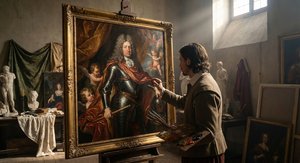
The Grandeur of Baroque Portraiture: Power, Emotion & Artistic Innovation
Explore the grandeur of Baroque portraiture! Discover Rubens, Van Dyck & the masters of 17th-century art. Uncover symbolism, techniques & lasting influence. Expert insights for collectors and enthusiasts.

A Barokk Mesterek 10 Legikonikusabb Remekműve – OriginalUniqueArt.com
Fedezze fel a barokk művészet 10 legpártosabb remekművét! Caravaggio, Rembrandt és Vermeer alkotásainak története – OriginalUniqueArt.com kínálatában exkluzív reprodukciók és inspiráló dekorációs ötletek várják Önt. Nézze meg most!