Előnézet
 Megosztás
 Megosztás
 Részletek
 Útmutató

 Letöltés
 Hasonló darabok
 X-ray felvétel
 Diavetítés
 Statisztika
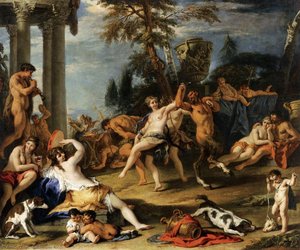
Last Supper
 Oil On Canvas
- WallArt
- High Renaissance
 1713
1713 67.0 x 104.0 cm
 Nemzeti Galéria
 Tovább olvasom
Kézzel készített olajfestmény reprodukció
Kézzel festett olajvastú vászon, az Ön által választott méretben és keretben, művészeink készítik meglévőre. ( Váltás nyomtatványra Áttérés digitális képre)




P118B Ft10

P118H Ft10

P118W Ft10

P438Z Ft10

P508JH Ft12

P508YH Ft12

P805H Ft10

P805Z Ft10

P919BZ Ft10

P919G Ft10

P919XJ Ft10

P959ZH Ft10

P968JZ Ft12

W106C Ft8

W218G Ft10

W218JH Ft8

W218Y Ft10

W307PJ Ft10

W316G Ft10

W316PJ Ft8

W316Y Ft10

W398PJ Ft8

W4111J Ft10

W500HY Ft15

W500JH Ft15

W692G Ft12

W849H Ft8

W940BG Ft15

W953PJ Ft8




Válasszon előre meghatározott méreteink közül, amelyek megfelelnek a műalkotás eredeti arányainak.

Írja be a kívánt szélességet és magasságot, hogy illeszkedjen a keretéhez vagy a falához. Mivel ez kézzel festett alkotás, egy eltérő formájú méret esetén a művész akár festhet is valamivel többet a kép körül, vagy korolathat is belőle — az Ön döntésének megfelelően. A festés megkezdése előtt küldünk egy digitális tervezetet jóváhagyásra. Az oldalon látható kép nem tartalmazza a végeredményt — csak a tervezet mutatja meg a valódi eredményt.
A rendelést követően a OriginalUniqueArt.com csapata e-mailt küld az ügyfélnek az instrukciókért, és biztosít egy előnézeti képet (mockup).
Világszerte elérhető szállítás () 3-4 hét alatt a szokásos 5 hét helyett. (24 október). A minőség nem kérdőjelezhető.

Ingyenes globális expressz szállítás

Prémium minőségű len vászon

Teljes körű szállítási biztosítás

Vámvisszatérítési Garancia

Tökéletes színarányosság garancia

100 napos visszaküldési garancia (csak gyártási hibás termékek esetén)

100% pénzvisszatérítési garancia

Több darab vásárlásakor kedvezmény
 Az üvegkeretes opció csak 110 cm alatti méretben érhető el

Last Supper
Reprodukciós technika
Reprodukció méretei
-


Összesített ár
Ft 96017
A Moment Frozen in Time: The Story of the Last Supper
Sebastiano Ricci’s “Last Supper,” a monumental fresco dominating the refectory of Santa Maria delle Grazie in Milan, isn't merely a depiction of a biblical event; it’s a profound exploration of human emotion and betrayal. Painted between 1713 and 1714, this work captures the immediate aftermath of Jesus’ announcement that one among his disciples will betray him – a moment charged with disbelief, apprehension, and simmering resentment. Ricci masterfully conveys the palpable tension in the room, drawing the viewer into the heart of this dramatic exchange. The composition is carefully orchestrated; Jesus sits at the center, radiating an almost serene authority, while the apostles react with a spectrum of responses—shock, denial, suspicion, and outright anger – each face meticulously rendered to reveal their individual personalities and inner turmoil.
The painting’s historical context is crucial to understanding its power. Commissioned during the late Baroque period, Ricci's work reflects the era’s fascination with dramatic narratives and intense emotional expression. The Renaissance ideals of humanism are present, not in a purely idealized form, but through the realistic portrayal of flawed humanity – the vulnerability beneath the bravado, the fear masked by defiance. Ricci was part of a vibrant artistic milieu in Venice, influenced by masters like Dal Simè and Titian, yet he developed a distinct style characterized by a luminous palette and dynamic compositions. His work stands as a bridge between the grandeur of the High Renaissance and the more emotionally charged sensibilities of the Baroque.
Technique and Materials: A Delicate Balance
What sets Ricci’s “Last Supper” apart is not just its subject matter, but also the innovative – and ultimately problematic – techniques he employed. Unlike traditional fresco methods, which involve painting directly onto wet plaster, Ricci utilized tempera on a prepared gesso ground. This allowed for greater flexibility in altering details after the paint had dried, a crucial element for a work of this scale and complexity. However, it also introduced instability; the materials used were not entirely compatible with the wall’s structure, leading to rapid deterioration over centuries. The painting's surface has undergone numerous restorations, each attempting to mitigate the damage caused by humidity, temperature fluctuations, and the inherent fragility of tempera paint.
- The Gesso Ground: A carefully prepared layer of gesso provided a stable base for the pigment.
- Tempera Paint: Ricci used tempera, a fast-drying emulsion of pigments in egg yolk, known for its luminosity and rich colors.
- Pitch and Mastic: These substances were applied to seal the wall and create a barrier against moisture, though they ultimately proved insufficient to protect the delicate paint layer.
Symbolism and Emotional Resonance
Beyond the immediate narrative of betrayal, Ricci’s “Last Supper” is rich in symbolic detail. The arrangement of the apostles around the table reflects their social standing and relationships within the group. Judas Iscariot, often depicted with a subtly averted gaze and a gesture of offering, embodies deceit and treachery. The use of light and shadow – *chiaroscuro* – dramatically emphasizes key figures and creates a sense of drama and psychological intensity. Notice how Ricci uses subtle shifts in color to convey the emotional state of each apostle; the vibrant reds and yellows associated with Jesus contrast sharply with the muted blues and grays used for the disciples, highlighting their internal conflict.
The inclusion of the dog at the bottom left corner is a particularly intriguing detail. While its precise meaning remains debated by art historians, it’s often interpreted as representing loyalty or perhaps even the impending doom that awaits Judas. The overall effect is one of profound emotional depth – a visceral portrayal of human fallibility and the devastating consequences of betrayal.
A Timeless Masterpiece: Reproduction and Legacy
“The Last Supper” remains one of the most studied and admired paintings in the world, captivating viewers with its dramatic composition, masterful technique, and profound emotional resonance. High-quality reproductions capture much of the original’s power, offering a window into this pivotal moment in Christian history. When selecting a reproduction, consider factors such as print quality, color accuracy, and archival suitability to ensure that you are preserving the essence of Ricci's masterpiece for years to come. This iconic image continues to inspire artists, designers, and art lovers alike, solidifying its place as a cornerstone of Western artistic heritage.
Gyakran Ismételt Kérdések
Milyen méretű "Last Supper" ajánlott egy Dining Room-hoz?
Egy Dining Room számára a „Last Supper”, Sebastiano Ricci alkotása javasolt nyomtatási mérete Large.
A „Last Supper” 1713-es dátuma Sebastiano Ricci pályájának mely szakaszára tekintthető?
A "Last Supper", amely 1713 évben készült, Sebastiano Ricci pályájának Late Renaissance szakaszába tartozik.
Szabad-e jogilag másolni a(z) Nemzeti Galéria múzeum collectionsében található „Last Supper”, Sebastiano Ricci alkotása alkotást?
Az eredeti "Last Supper" mű a Nemzeti Galéria gyűjteményében található, a alkotás pedig a joghallgatói schützenesség körébe tartozik – a szerzői jog lejártt státuszú.
A művész életrajza
Sebastiano Ricci élete és művészete: A velencei barokk fényessége
Sebastiano Ricci, a 17. század végének és a 18. század elejének kiemelkedő olasz festője, Bellunóban született 1659-ben, és 1734-ben hunyt el. Nevét a velencei barokk iskola egyik legjelentősebb képviselőjeként tartják számon, alkotásait a nagyszabású freskók, az elegáns stílus és a lendületes kompozíciók jellemzik. Ricci pályája nem volt mentes a viharoktól, de tehetsége és elkötelezettsége lehetővé tette számára, hogy maradandó nyomot hagyjon a művészettörténetben.
Korai évek és tanulmányutak
Ricci művészi útja fiatalon kezdődött. 1671-ben Federico Cervelli velencei mester tanítványa lett, bár egyes források szerint első tanára Sebastiano Mazzoni volt. A korabeli Velence pezsgő művészeti élete ideális környezetet teremtett Ricci számára a fejlődéshez és kísérletezéshez. Bolognában Giovanni Gioseffo dal Sole stílusának hatása is jelentős mértékben befolyásolta festői látásmódját, ami később felismerhető lesz munkáiban.
Fontosabb művek és megrendelések
Ricci tehetsége hamarosan elismerést szerzett számára. Az egyik legkiemelkedőbb alkotása a Bakkhosz és Ariadné, amely a barokk stílus mesterségét mutatja be. A festmény dinamikus kompozíciója, gazdag színei és részletes kidolgozása lenyűgöző látványt nyújt. Emellett jelentős műve az Sir Clowdisley Shovell admirális emlékműve, amely a pillanat erejének megragadására tett kísérlet, és Ricci virtuozitását bizonyítja. 1685 és 1687 között Ferdinando Galli-Bibienával közösen dolgozott a Madonna della Seraglio kápolna díszítésén, melyért 4482 lírát kapott.
Művészeti stílus és inspirációk
Ricci festészete a nagyszabásúság, a fényesség és az erőteljes mozgás jellemzi. Munkáiban gyakran ábrázolt mitológiai jeleneteket, vallási témákat és allegorikus kompozíciókat. A Late Baroque stíluson túl Dal Sole hatása is érezhető festményein, ami a részletek iránti szenvedélyében és a drámai fény-árnyék játékban nyilvánul meg. Ricci nem csupán egy tehetséges festő volt, hanem egy mester, aki képes volt ötvözni a különböző művészeti áramlatokat saját egyedi stílusával.
Örökség és késői évek
Ricci pályája során számos nehézséggel kellett szembenéznie, beleértve a börtönbüntetést és botrányokat is. Ennek ellenére továbbra is alkotott kiemelkedő műveket, mint például a Vénusz búcsúja Adonisszal, amely égi ábrázolásainak szépségével hódított el. Végül külföldi megbízást fogadott el Londonban, ahol Lord Burlington számára dolgozott. Ricci művészete a velencei barokk iskola fénykorának emlékműve, és inspirációt nyújtott számos későbbi festőnek.
- Tekintse meg Sebastiano Ricci alkotásait a OriginalUniqueArt.com oldalon
- Tudjon meg többet a velencei barokk iskoláról és annak hatásairól a Wikipédián
- Fedezze fel más jelentős művészeket is ebből az időszakból, mint például Luigi Bonazza a OriginalUniqueArt.com oldalon
Fontos: Ez a cikk az OriginalUniqueArt.com oldalán elérhető információkra épül, és változhat, ahogy új adatok kerülnek nyilvánosságra.

Sebastiano Ricci
1659 - 1734 , Olaszország
Gyors információk
- Artistic Movement Or Style: Késő barokk
- Artists Or Movements Influenced By This Artist: ['Marco Ricci']
- Artists Who Influenced This Artist: ['Giovanni Gioseffo dal Sole']
- Date Of Birth: 1659. augusztus 1.
- Date Of Death: 1734. május 15.
- Full Name: Sebastiano Ricci
- Nationality: Olasz
- Notable Artworks:
- Bacchus és Ariadné
- Vénusz búcsúztatása
- Place Of Birth: Belluno, Olaszország
Kapcsolódó cikkek
Leonardo da Vinci 25 Mesterműve: Festmények, Rajzok és a Reneszánsz Zsenije – OriginalUniqueArt.com
Fedezze fel Leonardo da Vinci 25 legikonikusabb művét! Ismerje meg a Mona Lisa, az Utolsó Vacsora és más reneszánsz remekművek történetét. Museum-minőségű reprodukciók és inspiráló otthon dekorációs ötletek – OriginalUniqueArt.com.
Leonardo da Vinci: A Renaissance Master’s Synthesis of Art, Science & Human Observation – Reinterpreted for the Collector
Explore Leonardo da Vinci’s timeless masterpieces with OriginalUniqueArt. Discover insights into his art, science, and legacy – trusted expertise for discerning collectors seeking authentic reproductions & investment opportunities.
A Firenze Uffizi Galéria 25 Mesterműve: Reneszánsz Győgyöngyök a Ház Falain
Fedezze fel a Firenze Uffizi Galéria 25 legikonikusabb műalkotását! Leonardo, Michelangelo, Botticelli és más reneszánsz mesterek festményeinek története. Művészeti reprodukciók otthonába – OriginalUniqueArt.com.
Reneszánsz Humanizmus 10 Mesterműve: A Szellemiség Újjászületése a Falakon
Fedezze fel a Reneszánsz Humanizmus 10 legikonikusabb műalkotását! Leonardo da Vinci, Michelangelo és más mesterek festményeinek története. Vászonképek reprodukciói otthonába – OriginalUniqueArt.com kínálatából. Explore the full collection online!
A Louvre gyöngyszemei: 25 műalkotás, melyek inspirálják otthonát – OriginalUniqueArt
Fedezze fel a Louvre múzeum 25 legikonikusabb műalkotását! Leonardo da Vinci, Delacroix és más mesterek festményeinek története. Inspirálja otthonát klasszikus szépséggel – OriginalUniqueArt.