
 Megtekintés
 Küldés
 Megosztás
 Részletek
 Útmutató

 Letöltés
 Hasonló darabok
 X-ray felvétel
 Diavetítés
 Kérdések és válaszok
 Statisztika
Piéta

- 270.0 x 225.0 cm


 Összes részlet megjelenítése
Giclée / Műnyomat
Múzeumi minőségű giclée vagy vászonnyomat, gyors gyártással és rugalmas finomítási lehetőségekkel. ( Kézzel festett másolat rendelése Áttérés digitális képre)




P118B Ft10

P118H Ft10

P118W Ft10

P438Z Ft10

P508JH Ft12

P508YH Ft12

P805H Ft10

P805Z Ft10

P919BZ Ft10

P919G Ft10

P919XJ Ft10

P959ZH Ft10

P968JZ Ft12

W106C Ft8

W218G Ft10

W218JH Ft8

W218Y Ft10

W307PJ Ft10

W316G Ft10

W316PJ Ft8

W316Y Ft10

W398PJ Ft8

W4111J Ft10

W500HY Ft15

W500JH Ft15

W692G Ft12

W849H Ft8

W940BG Ft15

W953PJ Ft8




Válasszon előre meghatározott méreteink közül, amelyek megfelelnek a műalkotás eredeti arányainak.

Írja be a keretének vagy a falának megfelelő szélességet és magasságot. A nyomatot csak le lehet vágni, soha nem tehető nagyobbá, mint az eredeti kép, így egy eltérő alakú méretnél a kép egy része elveszik. Mielőtt bármit kinyatintanánk, küldünk egy digitális próbamodellt jóváhagyásra. Az oldalon látható kép nem tartalmazza a valós levágást — ezt csak a próbamodell mutatja meg.
Világszerte történő kiszállítás területére mindössze 2 hét alatt, a szokásos 4-5 hét helyett. (7 november)

Ingyenes globális expressz szállítás

Prémium minőségű len vászon

Teljes körű szállítási biztosítás

Vámvisszatérítési Garancia

Hiteles színarányosság garancia

100 napos visszaküldési lehetőség (csak hibás termékek esetén)

100% pénzvisszatérítési garancia

Több darab vásárlásakor kedvezmény
 Az üvegkeretes opció csak 110 cm alatti méretben érhető el

Piéta
Giclée / Műnyomat
Reprodukció mérete
-


Összesített ár
Ft 26460
Pietà – Egy Érzelmekkel Telítő Szimbolizmus És Egy Új Paradigma Meg születése
A Pietà, melyet Sebastiano del Piombo festett 1516-ban és amely jelenleg található meg a Viterboi Városi Múzeumban, Itália – egy igazán ikonikus műalkotás, amely tükrözi az artista tudását és érzékiségét. Ez nem csak egy nagy névvel büszkévő korszak alkotása, hanem egy olyan művészi irányzat elődjelének tekinthető, mely új perspektívákat nyújtott a vallási művészet számára és melyet minden idő alatt megragyogtatott az ősi szépség. Ez a hatalmas képmás mérete 270 x 225 cm és egy olyan stílusban lett megalkotva, amely ötvözi Veneciában elsajátított színek használatát és Róma által befolyásolt monumentális építészetet.- Kompozíció: A képmás közepén található Marióság, mely nyugodt helyzetben ül és fehér kendővel borítja meg a fejét, szomorúan nézve Jézus Krisztus testére. Jézus alakját pedig lapos helyzetben ábrázolja, teste fehér ruhában van öntözve, ami kontrasztot alkot az árnyékokkal körülötte. Háttérében egy éjszakai égbolt található meg, mely mélységet kölcsönöz a kompozíciónak és utal egy zárt tér helyzetére.
- Technika: Del Piombo művésze nagy ügyességgel használja ki a színháztechnikát – vagy más néven chiaroscuro technikát –, mely erős kontrasztokat alkalmaz világítás és árnyék között, hogy volumenet és mélységet teremtsen. Ez a módszer lehetővé teszi számára, hogy megközelítőleg tökéletes részletességű képet készítsen és egy intenzív érzelmi atmoszférát tükröző műalkotást hozzon létre, ami megfelel az anyag vallási jelzetének.
- História és Kontextus: A Pietá megfestése nagy jelentőséggel jár a korszak művészetében és különösen Michelangelo egyetlen nagy alkotása volt vele együtt. Del Piombo és Michelangelo közös munkája egy új irányzat születését jelzi, melyet az európai művészek követtek el az évszázadok során. Ez a képmás egy időszak végére tekint vissza, amikor Itália és Európa vallási életében nagy változásokat tapasztalunk és melynek elődjelét számos más műalkotás követi el.
- Szimbolizmus: A Pietá szimbóluma több jelentéssel rendelkezik egyben. Elsősorban az együttérezés és a mağasság jelképe, amely tükrözi Jézus Krisztus szenvedése után Marióság fájdalmát és szomorúját. Az alkotás kétségbeesett kérdését fejezi ki az emberiség számára és egy olyan művészi megközelítést mutat be, mely minden idő alatt megőrzi szépségét és mély értelmét.
Kérdések és válaszok
Megtekinthetem a "Piéta" alkotást részletesebben?
A „Piéta”, Sebastiano del Piombo alkotása X-ray felvétel oldala egy interaktív nézegető, amely lehetővé teszi a mű alkotásának eleven optikai rétegei közötti görgetést, beleértve az röntgenszerű felvételt is.
Milyen kontraszt jellemzi a „Piéta”, Sebastiano del Piombo alkotása alkotást?
A „Piéta”, Sebastiano del Piombo alkotása kontrasztját Lágy teszi.
Milyen nyomtatási méretet és vízszességet javasol a „Piéta”, Sebastiano del Piombo alkotása?
Nagy méretű méret, Portrait elrendezés: ez a(z) „Piéta”, Sebastiano del Piombo alkotása alkotáshoz javasolt nyomtatási beállítás.
A művész életrajza
A Venetian Soul in Roman Splendor
Sebastiano del Piombo, born Sebastiano Luciani around 1485 in the radiant heart of Venice, occupies a unique and often enigmatic position within the High Renaissance. His story isn’t one of immediate artistic recognition—rather, it's a compelling journey of adaptation, migration, and ultimately, a masterful synthesis of Venetian colorism with the imposing gravity of Roman form. Unlike many of his contemporaries whose paths were clearly defined from youth, Sebastiano’s entry into painting was somewhat delayed; initially drawn to music – he possessed considerable skill as a lutenist – it wasn't until his late teens or early twenties that he seriously embraced the canvas. This formative period in Venice instilled within him an enduring love for rich hues, atmospheric perspective, and a poetic sensibility that would remain hallmarks of his style even after relocating to Rome. The profound influence of Giorgione is particularly palpable in early attributions like the unfinished *Judgement of Solomon*, a work steeped in dramatic narrative and showcasing an innovative approach to composition, hinting at the artistic potential about to unfold.From Venice to the Heart of Roman Artistic Life
The year 1511 marked a pivotal moment in Sebastiano’s career as he journeyed to Rome, a city then pulsating with artistic energy under the patronage of Popes Julius II and Leo X. This move placed him directly into the orbit of Raphael, whose workshop was at its zenith, and soon after, into the complex world surrounding Michelangelo. Remarkably, unlike some artists who found themselves overshadowed by these titans, Sebastiano managed to carve out his own niche, even earning the respect – and occasional encouragement – of the notoriously critical Michelangelo himself. The two masters recognized a kindred spirit in each other’s pursuit of grandeur and anatomical precision; Michelangelo actively championed Sebastiano's work, urging him to compete with Raphael for prestigious commissions. This rivalry, though perhaps exaggerated by Vasari, undoubtedly fueled Sebastiano’s ambition and contributed to his growing reputation. His early Roman works, such as the frescoes in the Villa Farnesina – notably *Polyphemus* – demonstrate a masterful assimilation of classical motifs and a burgeoning confidence in handling large-scale compositions. He was quickly becoming a force within the Roman art scene, blending Venetian sensibilities with the demands of his new environment. The vibrant colors and shimmering light characteristic of Venetian painting were tempered by the monumental scale and rigorous anatomical studies favored by the Romans, creating a distinctive style that set him apart.The Synthesis of Styles: A Unique Artistic Vision
Sebastiano del Piombo’s artistic genius lay in his ability to reconcile the seemingly disparate traditions of Venice and Rome. While firmly rooted in the Venetian school's emphasis on color, light, and texture – a legacy inherited from Giorgione and Titian – he embraced the Roman preoccupation with monumental forms, anatomical accuracy, and dramatic narrative. This fusion is strikingly evident in *The Raising of Lazarus*, a powerful altarpiece commissioned for Narbonne Cathedral and now residing in London’s National Gallery. The painting showcases his command of oil paint to create luminous flesh tones and rich draperies, while the figures themselves possess a sculptural solidity reminiscent of Michelangelo's work. He didn’t simply copy Roman techniques; he absorbed them and transformed them through his Venetian lens, resulting in an original style that was both deeply rooted in tradition and strikingly innovative. The *Raising of Lazarus* is perhaps the most compelling example of this synthesis – a scene brimming with emotional intensity, rendered with the vibrant colors and atmospheric perspective of Venice, yet imbued with the monumental scale and dramatic narrative of Roman art.Later Life and Enduring Legacy
The latter part of Sebastiano’s life took an unexpected turn in 1531 when he was appointed *piombatore*, Keeper of the Seals for the Papacy. This prestigious, yet demanding, position required him to attend to the Pope’s administrative duties and curtailed his artistic output considerably. Though financially secure, the responsibilities of office drew him away from painting, and his later works became fewer in number. He continued to receive commissions, primarily portraits, but the fervor and innovation of his earlier period seemed somewhat subdued. Despite this decline in productivity, Sebastiano remained a respected figure within Roman artistic circles until his death in 1547. His influence, however, proved less pervasive than that of Raphael or Michelangelo. This was partly due to a lack of numerous pupils and limited dissemination of his work through prints – a common practice for promoting an artist’s style during the Renaissance. Nevertheless, Sebastiano del Piombo's legacy endures as a testament to the power of artistic synthesis and the enduring allure of Venetian color combined with Roman monumentality. He remains a fascinating figure—a painter who navigated the complex currents of the High Renaissance, forging his own unique path through a masterful blend of tradition and innovation.Notable Works
- The Three Philosophers (with Giorgione): A collaborative masterpiece showcasing early influences.
- Polyphemus: A fresco in Villa Farnesina, demonstrating classical style and masterful detail.
- Moses Receiving the Tables of the Law: Demonstrates mastery of oil on canvas and dramatic composition.
- The Raising of Lazarus: A powerful altarpiece blending Venetian color with Roman form.
- San Sebastiano: An evocative depiction of the saint, showcasing his skill in portraying human emotion.

Sebastiano del Piombo
1485 - 1547 , Olaszország
Rövid információk
- Artistic Movement Or Style: Reneszánsz, Mannerizmus
- Artists Or Movements Influenced By This Artist: ['Raffaello']
- Artists Who Influenced This Artist:
- Giovanni Bellini
- Giorgione
- Michelangelo
- Date Of Birth: c. 1485
- Date Of Death: 1547
- Full Name: Sebastiano del Piombo
- Nationality: Olasz
- Notable Artworks:
- A feltámítottság
- Polifémosz
- Mózes táblákat kapja
- Place Of Birth: Velence, Olaszország
Kapcsolódó cikkek

Oil on Canvas: A Historical & Technical Exploration of a Timeless Artistic Medium
Explore the rich history & enduring techniques of oil painting on canvas. Discover the science behind its longevity, conservation practices, and contemporary relevance. Expert insights for art enthusiasts.
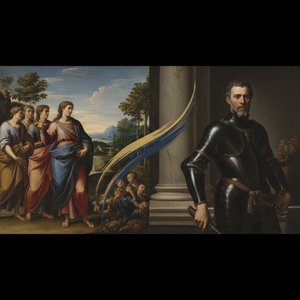
Sebastiano del Piombo: Bridging Venetian Colorism & Roman Grand Manner Portraiture
Explore the captivating art of Sebastiano del Piombo, a Renaissance master bridging Venetian colorism & Roman grandeur. Discover his iconic portraits and lasting influence on art history. Learn more at OriginalUniqueArt.

The Enduring Legacy of Oil on Canvas: Technique, History & Aesthetic Impact
Explore the rich history & techniques of oil painting – from Renaissance masters to Impressionism. Discover pigments, layering methods, and why this timeless medium endures. Expert insights for artists & art enthusiasts.

The Enduring Power of Painting: A Historical & Contemporary Exploration of Form and Emotion
Explore the rich history & enduring techniques of oil painting with OriginalUniqueArt. Discover masterpieces, learn about art collecting, and find authentic handmade reproductions crafted by skilled artists.

Az olajfestészet örökös hagyatéka: technika, történelem és kortárs gyakorlat
Fedezze fel az olajfestészet történetét, technikáit és a kortárs művészeti trendeket! Szakértői útmutatók, híres festők alkotásai és tippek az olajfestmény ápolásához. Inspirálódjon most!

