
 Megtekintés
 Küldés
 Megosztás
 Részletek

 Letöltés
 Hasonló darabok
 X-ray felvétel
 Diavetítés
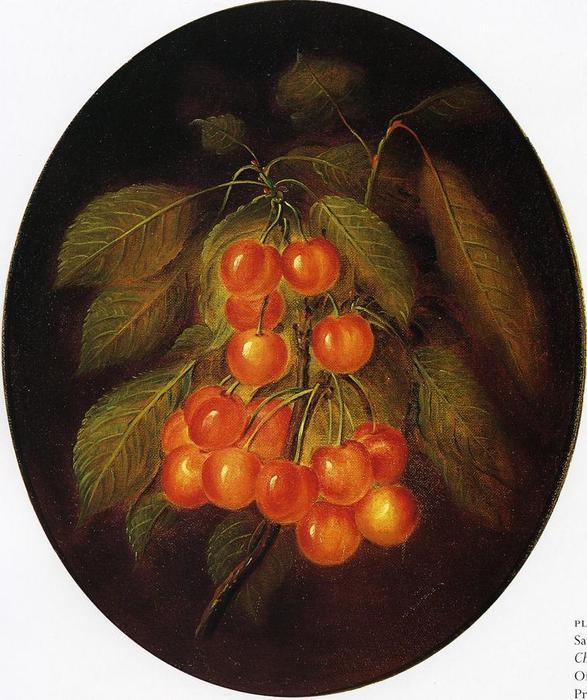
Cherries

 Összes részlet megjelenítése
Kézzel készített olajfestmény reprodukció
Kézzel festett olajvastú vászon, az Ön által választott méretben és keretben, művészeink készítik meglévőre. ( Nyomat rendelése Kép letöltése)




































Válasszon előre meghatározott méreteink közül, amelyek megfelelnek a műalkotás eredeti arányainak.

Ön megadhat saját méreteket egy adott kerethez vagy térhez igazításhoz. Ha a kiválasztott méret nem egyezik az eredeti kép arányával, akkor a műalkotást levágjuk, vagy további kézzel festett elemekkel meghosszabbítjuk a festményt. A gyártás megkezdése előtt küldünk Önnek egy digitális előnézetet jóváhagyásra.
Kérjük, vegye figyelembe, hogy a képernyőn megjelenő előnézet nem tükrözi a tényleges vágást vagy kiterjesztést. Csak az előnézet fog pontosan mutatni a végső kompozíciót.
Bár egyedi méretek állnak rendelkezésre, javasoljuk, hogy válasszon egy méretet az előre meghatározott listából az eredeti arányok megőrzése érdekében.
A rendelést követően a OriginalUniqueArt.com csapata e-mailt küld az ügyfélnek az instrukciókért, és biztosít egy előnézeti képet (mockup).
Világszerte elérhető szállítás () 3-4 hét alatt a szokásos 5 hét helyett. (20 augusztus). A minőség nem kérdőjelezhető.

Ingyenes globális expressz szállítás

Prémium minőségű len vászon

Teljes körű szállítási biztosítás

Vámvisszatérítési Garancia

Hiteles színpontosság garancia

60 napos visszaküldési lehetőség (csak hibás termékek esetén)

100% pénzvisszatérítési garancia

Több darab vásárlása esetén kedvezmény
 Az üvegkeretes opció csak 110 cm alatti méretben érhető el

Cherries
Reprodukciós technika
Reprodukció mérete
-


Összesített ár
$ 300
A művész életrajza
A Pioneer’s Palette: The Life and Art of Sarah Miriam Peale
Sarah Miriam Peale emerged as a remarkable figure in 19th-century American art, a woman who defied societal expectations to forge a successful career as a professional artist. Born in Philadelphia on May 19, 1800, into the celebrated Peale family—a dynasty synonymous with artistic innovation—she inherited not only a lineage of talent but also an environment that fostered creativity and entrepreneurial spirit. Her father, James Peale, a skilled miniaturist and still-life painter, and her uncle, the renowned Charles Willson Peale, provided Sarah with foundational training and invaluable exposure to the art world. This familial support was crucial, as it allowed her access to instruction and opportunities typically unavailable to women of that era. The Peales believed in educating their daughters beyond conventional expectations, equipping them with skills for self-sufficiency alongside artistic development—a progressive approach that would profoundly shape Sarah’s life path. From a young age, she assisted her father in his studio, gaining practical experience in the techniques of painting and observation, learning to mix colors, prepare canvases, and refine compositions. This early immersion laid the groundwork for her future success.From Philadelphia Studios to Baltimore Recognition
Sarah Miriam Peale’s artistic journey began with floral studies and still-life paintings, exhibited publicly as early as 1816. However, she soon gravitated towards portraiture, a genre that would define much of her career. A formative period followed, marked by visits to Baltimore in 1818, 1820, and 1822 with her cousin, Rembrandt Peale. These encounters proved pivotal, influencing her style and subject matter while solidifying her ambition to establish herself as a professional artist. In 1822, she made the bold decision to relocate to Baltimore, establishing a portrait studio that quickly gained prominence. For over two decades, she painted the likenesses of Maryland’s elite—politicians, military figures, and prominent citizens—her work characterized by meticulous detail, particularly in her rendering of fabrics, clothing, and facial features. Her ability to capture not only physical resemblance but also the essence of her subjects earned her a reputation for both skill and sensitivity. During this period, she also intermittently worked in Washington D.C., further expanding her clientele to include influential public figures, most notably the Marquis de Lafayette, who sat for her on four separate occasions—a testament to her growing prestige.A Life Dedicated to Art: St. Louis and Beyond
In 1847, facing health concerns, Sarah Peale relocated to St. Louis, Missouri, where she continued to practice her art with unwavering dedication. This move marked a new chapter in her career, one characterized by independent success and a shift in artistic focus. While continuing to accept portrait commissions, she increasingly turned towards still-life painting around 1860, favoring natural arrangements over formal compositions. Her St. Louis period demonstrated her adaptability and resilience, proving that she could thrive as an artist even amidst personal challenges. After three decades in Missouri, Sarah returned to Philadelphia in 1878, residing with her sisters until her death on February 4, 1885, at the age of eighty-four. Throughout her life, she remained unmarried, dedicating herself entirely to her artistic pursuits.Legacy and Significance: A Trailblazer for Women Artists
Sarah Miriam Peale’s contribution to American art extends far beyond her technical skill and prolific output. She is rightfully recognized as the first American woman to achieve sustained success as a professional artist, paving the way for future generations of female painters. Her acceptance into the Pennsylvania Academy of Fine Arts in 1824, alongside her sister Anna Claypoole Peale, was a landmark achievement, challenging prevailing societal norms and opening doors for women in the art world. Her ability to earn a living solely through her artistic talents served as an inspiring example, demonstrating that women could indeed pursue fulfilling careers in traditionally male-dominated fields. Her portraits offer valuable insights into the lives and culture of early 19th-century America, capturing the spirit of a nation undergoing rapid transformation. Her meticulous attention to detail, combined with her sensitivity to character, resulted in works that are both historically significant and aesthetically compelling. In recent decades, there has been a renewed appreciation for Sarah Miriam Peale’s artistry, leading to increased recognition of her achievements and solidifying her place as a pioneering figure in American art history.- Notable Works include: *Self-Portrait* (1818), *Anna Marie Smyth* (1821), *Susan Avery & Isaac Avery* (1821), *Fruits and Wine* (1822), and *John Neal* (1823).
- She was a member of a prominent artistic family, including her father James Peale and uncle Charles Willson Peale.

Sarah Miriam Peale
1800 - 1885 , United States of America
A művészről röviden
- Artistic Movement Or Style: Realism, Portraiture
- Artists Who Influenced This Artist:
- James Peale
- Charles Willson Peale
- Rembrandt Peale
- Date Of Birth: May 19, 1800
- Date Of Death: February 4, 1885
- Full Name: Sarah Miriam Peale
- Nationality: American
- Notable Artworks:
- Self-Portrait (1818)
- Anna Marie Smyth (1821)
- Fruits and Wine (1822)
- John Neal (1823)
- Place Of Birth: Philadelphia, USA

