

 Megtekintés
 Küldés
 Megosztás
 Részletek

 Letöltés
 Hasonló darabok
 X-ray felvétel
 Diavetítés
Virgin and Child


 Összes részlet megjelenítése
Vásároljon nagy felbontású, javított digitális képet, amely minőségében messze felülmúlja az online előnézetet.
Minden fájlt szakembereink a legmodernebb eszközök és precíz, kézi retusálás segítségével készítenek el aprólékosan. Gondoskodunk arról, hogy minden kép kivételes tisztasággal, pontos színhelyességgel és részletgazdag finomsággal rendelkezzen.
A végleges fájl 72 órán belül e-mailben megérkezik, professzionális, szerkesztői és nyomtatási környezetbe optimalizálva az azonnali használathoz. Ez ugyanaz a minőség, amelyben a legmeghatározóbb tervezőstúdiók, kiadók és galériák is megbízhatnak.
Digitális kép
Töltsön le nagy felbontású fájlt személyes kiállításokhoz, nyomtatáshoz és kreatív projektekhez. ( Nyomat rendelése Kézzel festett másolat rendelése)
Minden digitális kép rendeléséhez tartozó extrák
Szakértői digitális kézbesítés, garantáltan
Amikor a OriginalUniqueArt.com szolgáltatást választja, nem csupán egy képet kap – professzionálisan felmagasított digitális műalkotást kap, amely precizitással készült, és amelyet megelégsedési gwarancia tesz biztoslássá. Az alábbiakban automatikusan minden benne 】

Gyors e-mail teslimítés
A nagy felbontású digitális képmásolatát a megrendelést követő 72 órán belül e-mailben elküldjük Önnek – azonnal használható formátumban.

MI-alapú digitális fejlesztésű fájl
Műve professzionális módon kerül optimalizálásra fejlett mesterséges intelligencia eszközök és manuális szerkesztés segítségével, biztosítva a maximális részletességet, tisztaságot és színpontosságot.

Örök életű ingyenes újradelivery
Véletlenül törölted vagy elvesztetted a fájlodat? Ne aggódj – bármikor ingyen újra megküldjük neked.

Nincs importköltség – soha
Élvezze műalkotásait azonnal, vám, illeték vagy szállítási költség nélkül – a digitális letöltések mindig adamentesek.

Színpontosság garantálása
Professzionális eszközök és színkezelés segítségével garantáljuk, hogy digitális képe a lehető legpontosabban tükrözze az eredeti színeket.

60 napos elégedettségi garancia
Ha nemມີ elégedett a digitális képpel, 60 napon belül átmunkáljuk azt, vagy 100% visszatérítjük az amountot – kérdés nélkül.

100% Pénzvisszatérítési garancia
Nem érheted el a teljes elégedettséget? 60 napon belül teljes visszatérítést kapsz a digitális fájlod megérkezése után – kérdés nélkül.

Tömegrendelési kedvezmények
Vásároljon 3 képet, spóroljon 10%-et - Vásároljon 5-öt, spóroljon 15%-et - Vásároljon 10+ képet, spóroljon 20%-at. Kiváló kreatív projektekhez, galériákhoz és ügynökségekhez.
A gyűjtemény részletei
A Renaissance Vision of Motherhood: Sandro Botticelli’s *Virgin and Child*
This exquisite oil painting by Sandro Botticelli embodies the serene beauty and devotional spirit characteristic of the Early Renaissance. The artwork presents a tender portrayal of the Virgin Mary cradling the infant Jesus, a timeless image steeped in religious iconography and artistic innovation.Subject & Composition
The composition is elegantly simple yet profoundly moving. Mary and Christ are centrally positioned, drawing the viewer’s gaze directly to their intimate connection. A classical column anchors the scene vertically, subtly guiding the eye upwards – a visual metaphor for spiritual aspiration. The receding architectural backdrop, rendered with linear perspective, establishes depth and suggests a sacred space, perhaps evoking both earthly stability and divine authority.Style & Technique
Botticelli’s distinctive style is immediately apparent in the graceful lines and delicate forms of the figures. He bridges the gap between the late Gothic period and the burgeoning Renaissance, favoring elegant linearity over strict realism. The painting showcases Botticelli's mastery of oil paint, utilizing layering and glazing techniques to achieve a luminous quality and rich color depth. Visible brushstrokes add texture and a tactile dimension, enhancing the artwork’s visual appeal.Historical Context & Influences
Born in Florence around 1445, Botticelli flourished during a period of immense artistic and cultural change. His work reflects the humanist ideals gaining prominence at the time – a renewed interest in classical antiquity combined with Christian faith. He was influenced by artists like Filippo Lippi—whose lyrical Madonnas set a precedent for Botticelli’s own depictions of the Virgin Mary—and developed a unique style that would influence generations of artists to come.Symbolism & Meaning
The painting is rich in symbolic meaning. The fruit, often interpreted as an apple, alludes to themes of temptation and innocence – referencing both the Fall of Man and Christ’s role as Redeemer. More broadly, depictions of the *Virgin and Child* were immensely popular during the Renaissance, serving not only as devotional images but also as expressions of maternal love and divine grace. The architectural setting reinforces a sense of stability and permanence, symbolizing the enduring power of faith.Emotional Impact & Interpretation
The overall emotional effect is one of profound reverence, peace, and tender affection. Botticelli captures the quiet intimacy between mother and child with remarkable sensitivity. The soft lighting and warm earth tones – ochres, reds, and browns – contribute to a sense of warmth and serenity. This artwork invites contemplation and offers a glimpse into the heart of Renaissance spirituality—a celebration of faith, beauty, and the enduring bond between mother and son. It is a timeless masterpiece that continues to resonate with viewers today. Collectors and interior designers will find this piece an exceptional addition, bringing both artistic sophistication and spiritual depth to any space.A művész életrajza
Early Life and Florentine Beginnings
Sandro Botticelli, born Alessandro di Mariano di Vanni Filipepi around 1445 in Florence, Italy, emerged during a period of extraordinary cultural ferment—the Early Renaissance. His life was deeply rooted in the city’s artistic and social fabric; he never strayed far from his neighborhood of Ognissanti, a testament to both familial ties and the vibrant creative ecosystem that nurtured him. His father, Mariano Filipepi, initially a goldsmith and later a tanner, provided an early exposure to craftsmanship and meticulous detail—qualities that would profoundly influence Botticelli’s artistic approach. Though initial reports suggested training as a goldsmith, he soon found his calling under the tutelage of Fra Filippo Lippi, a leading painter of the time. This apprenticeship proved pivotal, immersing him in the techniques and aesthetics of the Florentine school while also connecting him to influential patrons like the Medici family. Botticelli’s nickname, ‘Botticelló,’ is believed to have originated from his small stature – a fitting description for the artist who would later create works of such monumental beauty.A Style Defined by Grace and Myth
Botticelli’s artistic style is instantly recognizable for its lyrical beauty, characterized by elegant linearity, flowing contours, and a delicate use of color. He masterfully bridged the gap between the late Gothic traditions and the burgeoning Renaissance aesthetic, absorbing influences from masters like Fra Angelico and Paolo Uccello yet forging a uniquely personal vision. His figures possess an ethereal quality, often depicted with elongated proportions and graceful poses that convey both serenity and a subtle melancholy. A defining feature of his work is the frequent incorporation of classical mythology—a reflection of the humanist interests sweeping through Renaissance Florence. He didn’t merely illustrate these ancient tales; he imbued them with new layers of meaning, exploring themes of love, beauty, and spiritual longing. Botticelli's technique was innovative for its time. He often employed a silverpoint drawing method underpainting his canvases, contributing to the luminosity and delicate detail seen in his finished works. His use of tempera paint allowed for precise rendering and vibrant colors, while his later experiments with oil paints broadened his expressive possibilities.Iconic Masterpieces and Artistic Development
Botticelli’s legacy rests upon a handful of iconic paintings that continue to captivate audiences centuries later. The Birth of Venus, completed around 1486, stands as perhaps his most celebrated work—an allegorical depiction of the goddess emerging from a seashell, embodying Renaissance ideals of beauty and harmony. The painting’s graceful composition, delicate color palette, and evocative symbolism have made it an enduring symbol of the era. Equally renowned is Primavera, created around 1482, a complex and enigmatic painting celebrating spring and love, populated with symbolic figures drawn from classical mythology. These works showcase Botticelli’s mastery of composition, his ability to create atmospheric depth, and his profound understanding of human emotion. His early work often focused on religious subjects, honing his technical skills and establishing a reputation for skillful execution. The 1480s marked the peak of his creative powers, with the creation of these mythological masterpieces. However, the late 1490s witnessed a shift in his style, influenced by the fervent preaching of Girolamo Savonarola—a Dominican friar who condemned what he saw as the decadence and moral corruption of Florence. This period resulted in more austere and emotionally charged works, reflecting a growing spiritual intensity.Historical Significance and Rediscovery
Following his death in 1510, Botticelli’s reputation gradually faded into obscurity. For nearly three centuries, his work was largely forgotten, overshadowed by the achievements of High Renaissance masters like Leonardo da Vinci and Michelangelo. However, a remarkable rediscovery occurred in the late 19th century with the rise of the Pre-Raphaelite Brotherhood—a group of English artists who rejected academic conventions and sought inspiration in the art of the early Italian Renaissance. They were captivated by Botticelli’s linear grace, vibrant colors, and poetic sensibility, recognizing him as a kindred spirit. This renewed appreciation sparked a widespread reassessment of his work, establishing him as one of the most important artists of the Early Renaissance. Today, Botticelli is celebrated for his unique artistic vision, his masterful technique, and his enduring ability to evoke beauty, emotion, and spiritual contemplation. His influence can be seen in subsequent generations of artists who have sought to capture the same sense of grace and elegance in their own work. He remains a symbol of Florentine artistic achievement and a testament to the power of Renaissance humanism.Major Works
- The Birth of Venus (c. 1486): An iconic depiction embodying Renaissance ideals of beauty.
- Primavera (c. 1482): A complex allegorical painting celebrating spring and love.
- Adoration of the Magi (1475-1476): Demonstrates early mastery of composition and perspective.
- Mystic Nativity (1501): Reflects a shift towards spiritual themes in his later career.
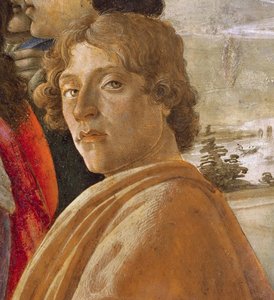
Botticelli
1445 - 1510 , Olaszország
Érdekességek
- Artistic Movement Or Style: Korai reneszánsza
- Artists Or Movements Influenced By This Artist: ['Pre-Raffaellit']
- Artists Who Influenced This Artist:
- Fra Filippo Lippi
- Paolo Uccello
- Date Of Birth: 1445 körül
- Date Of Death: 1510
- Full Name: Alessandro di Mariano Filipepi
- Nationality: Olasz
- Notable Artworks:
- Születés Zeppirinnél
- Tavasz
- Szentek imádása
- Place Of Birth: Firenze, Olaszország

