Megtekintés
 Küldés
 Megosztás
 Részletek
 Útmutató

 Letöltés
 Hasonló darabok
 X-ray felvétel
 Diavetítés
 Statisztika
Saint Jean Baptiste


 Összes részlet megjelenítése
Giclée / Műnyomat
Múzeumi minőségű giclée vagy vászonnyomat, gyors gyártással és rugalmas finomítási lehetőségekkel. ( Kézzel festett másolat rendelése Áttérés digitális képre)




P118B Ft10

P118H Ft10

P118W Ft10

P438Z Ft10

P508JH Ft12

P508YH Ft12

P805H Ft10

P805Z Ft10

P919BZ Ft10

P919G Ft10

P919XJ Ft10

P959ZH Ft10

P968JZ Ft12

W106C Ft8

W218G Ft10

W218JH Ft8

W218Y Ft10

W307PJ Ft10

W316G Ft10

W316PJ Ft8

W316Y Ft10

W398PJ Ft8

W4111J Ft10

W500HY Ft15

W500JH Ft15

W692G Ft12

W849H Ft8

W940BG Ft15

W953PJ Ft8




Válasszon előre meghatározott méreteink közül, amelyek megfelelnek a műalkotás eredeti arányainak.

Írja be a keretének vagy a falának megfelelő szélességet és magasságot. A nyomatot csak le lehet vágni, soha nem tehető nagyobbá, mint az eredeti kép, így egy eltérő alakú méretnél a kép egy része elveszik. Mielőtt bármit kinyatintanánk, küldünk egy digitális próbamodellt jóváhagyásra. Az oldalon látható kép nem tartalmazza a valós levágást — ezt csak a próbamodell mutatja meg.
Világszerte történő kiszállítás területére mindössze 2 hét alatt, a szokásos 4-5 hét helyett. (26 október)

Ingyenes globális expressz szállítás

Prémium minőségű len vászon

Teljes körű szállítási biztosítás

Vámvisszatérítési Garancia

Hiteles színarányosság garancia

100 napos visszaküldési lehetőség (csak hibás termékek esetén)

100% pénzvisszatérítési garancia

Több darab vásárlásakor kedvezmény
 Az üvegkeretes opció csak 110 cm alatti méretben érhető el

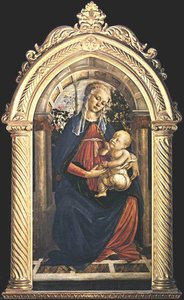
Saint Jean Baptiste
Giclée / Műnyomat
Reprodukció mérete
-


Összesített ár
Ft 25681
A Moment of Serenity: Botticelli's Saint Jean Baptiste
Sandro Botticelli’s “Saint Jean Baptiste,” painted circa 1490, offers a profound glimpse into the contemplative spirit of the Early Renaissance. This captivating depiction, featuring a young man – likely John the Baptist – stands as a testament to Botticelli's mastery of line and his ability to imbue even seemingly simple scenes with an extraordinary sense of peace and spiritual depth. The painting’s serene atmosphere invites viewers to contemplate themes of faith, solitude, and the connection between humanity and nature, hallmarks of the Florentine artistic vision during this transformative period.
- Subject Matter: The central figure is undoubtedly John the Baptist, a pivotal prophet in Christian tradition. His youthful appearance and solitary stance suggest a period of reflection and preparation for his role as herald of Christ.
- Setting: The beach setting, rendered with remarkable detail, isn't merely a backdrop; it’s integral to the narrative. The water’s edge symbolizes transition – between earthly existence and the divine realm – a common motif in Renaissance art.
Botticelli’s Technique and Style
Botticelli’s distinctive style is immediately recognizable in “Saint Jean Baptiste.” He employs a delicate, almost ethereal, touch, utilizing thin washes of tempera paint to create luminous effects and subtly defined forms. The elongated proportions characteristic of his work – particularly evident in the figure's limbs – contribute to an impression of grace and idealized beauty. Note the meticulous rendering of the fabric of the robe, achieved through careful layering and subtle shading, a technique that demonstrates Botticelli’s dedication to realism within a stylized framework.
- Tempera on Panel: The painting was executed using tempera paint on a wooden panel, a common medium for Florentine artists at the time.
- Linear Emphasis: Botticelli's signature use of precise lines defines the figure’s form and adds to the work’s overall sense of clarity and composure.
Symbolism and Historical Context
"Saint Jean Baptiste" was created during a period of immense intellectual and artistic ferment in Florence, largely fueled by the patronage of the Medici family. The rise of humanism encouraged a renewed interest in classical antiquity, influencing artists to explore themes of mythology and religious narratives with greater depth and complexity. John the Baptist himself held significant symbolic weight – representing repentance, baptism, and the coming of Christ. The inclusion of other figures in the background suggests a broader narrative context, perhaps alluding to the events leading up to Jesus’s birth. The painting's creation aligns perfectly with Botticelli's exploration of religious iconography within a humanist framework.
Emotional Impact and Artistic Legacy
More than just a depiction of a biblical figure, “Saint Jean Baptiste” evokes a powerful sense of tranquility and introspection. The subject’s gaze, directed towards the horizon, invites viewers to share in his contemplative mood. Botticelli's ability to capture this emotional resonance is a testament to his artistic genius and ensures that this painting continues to captivate audiences centuries later. A hand-painted reproduction offers an unparalleled opportunity to experience the beauty and serenity of this iconic work firsthand.
Kérdések és válaszok
Milyen technikával készült és mikor született meg „Saint Jean Baptiste”, Botticelli alkotása?
A "Saint Jean Baptiste" 1490-ben készült, a Oil On Canvas technikáját alkalmazva. Az anyag és a dátum leírja, hogy az eredeti mű hogyan és mikor készült.
Milyen telítettséget és intenzitást mutat „Saint Jean Baptiste”, Botticelli alkotása?
A „Saint Jean Baptiste”, Botticelli alkotása színei Subtle Color telítettséget és Balanced intenzitást mutatnak be.
Milyen témák jelennek meg a(z) „Saint Jean Baptiste”, Botticelli alkotása alkotásban?
„Saint Jean Baptiste”, Botticelli alkotása a következőket ábrázolja: saint john, botticelli, biblical figure, renaissance painting, beach scene, religious icon, humanism.
A művész életrajza
Early Life and Florentine Beginnings
Sandro Botticelli, born Alessandro di Mariano di Vanni Filipepi around 1445 in Florence, Italy, emerged during a period of extraordinary cultural ferment—the Early Renaissance. His life was deeply rooted in the city’s artistic and social fabric; he never strayed far from his neighborhood of Ognissanti, a testament to both familial ties and the vibrant creative ecosystem that nurtured him. His father, Mariano Filipepi, initially a goldsmith and later a tanner, provided an early exposure to craftsmanship and meticulous detail—qualities that would profoundly influence Botticelli’s artistic approach. Though initial reports suggested training as a goldsmith, he soon found his calling under the tutelage of Fra Filippo Lippi, a leading painter of the time. This apprenticeship proved pivotal, immersing him in the techniques and aesthetics of the Florentine school while also connecting him to influential patrons like the Medici family. Botticelli’s nickname, ‘Botticelló,’ is believed to have originated from his small stature – a fitting description for the artist who would later create works of such monumental beauty.A Style Defined by Grace and Myth
Botticelli’s artistic style is instantly recognizable for its lyrical beauty, characterized by elegant linearity, flowing contours, and a delicate use of color. He masterfully bridged the gap between the late Gothic traditions and the burgeoning Renaissance aesthetic, absorbing influences from masters like Fra Angelico and Paolo Uccello yet forging a uniquely personal vision. His figures possess an ethereal quality, often depicted with elongated proportions and graceful poses that convey both serenity and a subtle melancholy. A defining feature of his work is the frequent incorporation of classical mythology—a reflection of the humanist interests sweeping through Renaissance Florence. He didn’t merely illustrate these ancient tales; he imbued them with new layers of meaning, exploring themes of love, beauty, and spiritual longing. Botticelli's technique was innovative for its time. He often employed a silverpoint drawing method underpainting his canvases, contributing to the luminosity and delicate detail seen in his finished works. His use of tempera paint allowed for precise rendering and vibrant colors, while his later experiments with oil paints broadened his expressive possibilities.Iconic Masterpieces and Artistic Development
Botticelli’s legacy rests upon a handful of iconic paintings that continue to captivate audiences centuries later. The Birth of Venus, completed around 1486, stands as perhaps his most celebrated work—an allegorical depiction of the goddess emerging from a seashell, embodying Renaissance ideals of beauty and harmony. The painting’s graceful composition, delicate color palette, and evocative symbolism have made it an enduring symbol of the era. Equally renowned is Primavera, created around 1482, a complex and enigmatic painting celebrating spring and love, populated with symbolic figures drawn from classical mythology. These works showcase Botticelli’s mastery of composition, his ability to create atmospheric depth, and his profound understanding of human emotion. His early work often focused on religious subjects, honing his technical skills and establishing a reputation for skillful execution. The 1480s marked the peak of his creative powers, with the creation of these mythological masterpieces. However, the late 1490s witnessed a shift in his style, influenced by the fervent preaching of Girolamo Savonarola—a Dominican friar who condemned what he saw as the decadence and moral corruption of Florence. This period resulted in more austere and emotionally charged works, reflecting a growing spiritual intensity.Historical Significance and Rediscovery
Following his death in 1510, Botticelli’s reputation gradually faded into obscurity. For nearly three centuries, his work was largely forgotten, overshadowed by the achievements of High Renaissance masters like Leonardo da Vinci and Michelangelo. However, a remarkable rediscovery occurred in the late 19th century with the rise of the Pre-Raphaelite Brotherhood—a group of English artists who rejected academic conventions and sought inspiration in the art of the early Italian Renaissance. They were captivated by Botticelli’s linear grace, vibrant colors, and poetic sensibility, recognizing him as a kindred spirit. This renewed appreciation sparked a widespread reassessment of his work, establishing him as one of the most important artists of the Early Renaissance. Today, Botticelli is celebrated for his unique artistic vision, his masterful technique, and his enduring ability to evoke beauty, emotion, and spiritual contemplation. His influence can be seen in subsequent generations of artists who have sought to capture the same sense of grace and elegance in their own work. He remains a symbol of Florentine artistic achievement and a testament to the power of Renaissance humanism.Major Works
- The Birth of Venus (c. 1486): An iconic depiction embodying Renaissance ideals of beauty.
- Primavera (c. 1482): A complex allegorical painting celebrating spring and love.
- Adoration of the Magi (1475-1476): Demonstrates early mastery of composition and perspective.
- Mystic Nativity (1501): Reflects a shift towards spiritual themes in his later career.
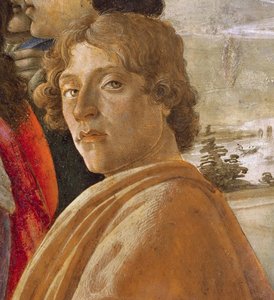
Botticelli
1445 - 1510 , Olaszország
Rövid információk
- Artistic Movement Or Style: Korai reneszánsza
- Artists Or Movements Influenced By This Artist: ['Pre-Raffaellit']
- Artists Who Influenced This Artist:
- Fra Filippo Lippi
- Paolo Uccello
- Date Of Birth: 1445 körül
- Date Of Death: 1510
- Full Name: Alessandro di Mariano Filipepi
- Nationality: Olasz
- Notable Artworks:
- Születés Zeppirinnél
- Tavasz
- Szentek imádása
- Place Of Birth: Firenze, Olaszország
Kapcsolódó cikkek

OriginalUniqueArt.com F.A.Q.: Elevate Your Decor with Premium Textured Giclée Prints
Discover the distinction of OriginalUniqueArt.com premium textured Giclée prints. Expertly crafted with archival 12-color pigments and museum-grade substrates, our prints offer unparalleled vividness for the discerning collector seeking luxury, durability, and timeless elegance.