

 Megtekintés
 Küldés
 Megosztás
 Részletek

 Letöltés
 Hasonló darabok
 X-ray felvétel
 Diavetítés
 Statisztika
Crucifixion
 Akril vászonon
- Falfeliratok és faldekoráció
- Early Renaissance
 1497
1497- Reneszánsz
 73.0 x 50.0 cm
 Összes részlet megjelenítése
Vásároljon nagy felbontású, javított digitális képet, amely minőségében messze felülmúlja az online előnézetet.
Minden fájlt szakembereink a legmodernebb eszközök és precíz, kézi retusálás segítségével készítenek el aprólékosan. Gondoskodunk arról, hogy minden kép kivételes tisztasággal, pontos színhelyességgel és részletgazdag finomsággal rendelkezzen.
A végleges fájl 72 órán belül e-mailben megérkezik, professzionális, szerkesztői és nyomtatási környezetbe optimalizálva az azonnali használathoz. Ez ugyanaz a minőség, amelyben a legmeghatározóbb tervezőstúdiók, kiadók és galériák is megbízhatnak.
Digitális kép
Töltsön le nagy felbontású fájlt személyes kiállításokhoz, nyomtatáshoz és kreatív projektekhez. ( Áttérés Nyomtatványra Kézzel festett másolat rendelése)
Minden digitális kép rendeléséhez tartozó extrák
Szakértői digitális kézbesítés, garantáltan
Amikor a OriginalUniqueArt.com szolgáltatást választja, nem csupán egy képet kap – professzionálisan felmagasított digitális műalkotást kap, amely precizitással készült, és amelyet megelégsedési gwarancia tesz biztoslássá. Az alábbiakban automatikusan minden benne 】

Gyors e-mail teslimítés
A nagy felbontású digitális képmásolatát a megrendelést követő 72 órán belül e-mailben elküldjük Önnek – azonnal használható formátumban.

MI-alapú digitális fejlesztésű fájl
Műve professzionális módon kerül optimalizálásra fejlett mesterséges intelligencia eszközök és manuális szerkesztés segítségével, biztosítva a maximális részletességet, tisztaságot és színpontosságot.

Örök életű ingyenes újradelivery
Véletlenül törölted vagy elvesztetted a fájlodat? Ne aggódj – bármikor ingyen újra megküldjük neked.

Nincs importköltség – soha
Élvezze műalkotásait azonnal, vám, illeték vagy szállítási költség nélkül – a digitális letöltések mindig adamentesek.

Színpontosság garantálása
Professzionális eszközök és színkezelés segítségével garantáljuk, hogy digitális képe a lehető legpontosabban tükrözze az eredeti színeket.

100 napos elégedettségi garancia
Ha nemມີ elégedett a digitális képével, 100 napon belül felülvizsgáljuk vagy 100% visszatérítjük az amountot – kérdés बिना.

100% Pénzvisszatérítési garancia
Nem tetszett a vásárlás? 100 napon belül teljes visszatérítést garantálunk a digitális fájl megvételétől számítva – kérdés बिना.

Tömegrendelési kedvezmények
Vásároljon 3 képet, spóroljon 10%-et - Vásároljon 5-öt, spóroljon 15%-et - Vásároljon 10+ képet, spóroljon 20%-at. Kiváló kreatív projektekhez, galériákhoz és ügynökségekhez.
Sandro Botticelli’s Crucifixion: A Meditation on Faith and Mortality
Botticelli's ‘Crucifixion,’ completed around 1497, stands as one of the most poignant expressions of Renaissance spirituality—a painting that transcends mere depiction to embody profound contemplation on faith, suffering, and the human condition. Measuring 73 x 50 cm and executed in tempera on canvas, it’s a deceptively simple composition brimming with symbolic richness, reflecting Botticelli's masterful grasp of artistic conventions while simultaneously conveying an emotional depth rarely achieved during his time.Composition and Symbolism: A Dialogue Between Heaven and Earth
The central figure is Jesus Christ himself, suspended from the cross—a motif prevalent in Renaissance art but rendered here with exceptional sensitivity. His outstretched arms convey immense pain and vulnerability, mirroring the universal experience of human suffering. Surrounding him are angels, positioned strategically to illuminate the scene with ethereal light and offering solace – one angel stands close to Jesus, radiating compassion, while another observes from a distance, embodying contemplation. Two additional figures inhabit the background, adding depth to the narrative and hinting at the broader cosmic drama unfolding above. The careful arrangement of these elements underscores Botticelli’s intention: not merely to portray Christ's crucifixion but to initiate a dialogue between divine grace and human mortality.Artistic Technique and Context: Embracing Classical Ideals Amidst Religious fervor
Botticelli’s technique is characterized by delicate linework and subtle color gradations—a stylistic hallmark of the Early Renaissance that distinguishes itself from the bolder styles emerging elsewhere in Italy. He skillfully employs tempera, a medium known for its luminosity and permanence, to achieve an astonishing level of detail within his restrained palette. The muted hues of red, blue, green, yellow, and white coalesce into harmonious shades that heighten the emotional impact of the artwork. This stylistic choice aligns perfectly with the broader artistic landscape of the period—Botticelli’s work echoes influences from Fra Angelico and Paolo Uccello, yet maintains a uniquely personal vision rooted in classical ideals. Notably, it shares thematic similarities with Botticelli's ‘Holy Trinity,’ demonstrating his consistent engagement with religious subjects and his ability to convey spiritual truths through visual artistry.A Legacy of Representation: Botticelli’s Influence on Art History
The depiction of the nude human body—a tradition stretching back to antiquity—finds a powerful expression in Botticelli’s oeuvre. From prehistoric sculptures to Renaissance masterpieces, artists throughout history have wrestled with how best to represent the human form, exploring its beauty and vulnerability as symbols of both earthly existence and divine grace. The concept of nudity evolved over time, reflecting shifting social values and philosophical perspectives. In Ancient Greece, idealized nude figures embodied perfection and harmony—a standard Botticelli consciously revived in his mythological paintings like ‘Primavera’ and ‘The Birth of Venus.’ During the Renaissance, artists sought to recapture classical beauty while simultaneously conveying Christian moral teachings; Botticelli exemplifies this synthesis perfectly. His enduring influence can be seen in subsequent artistic movements, where explorations of human anatomy and emotion continue to resonate with audiences today.Further Exploration: Connecting to Broader Artistic Traditions
To appreciate Botticelli’s contribution fully, consider examining works by contemporaries like Leonardo da Vinci—a figure whose stylistic approach diverged significantly from Botticelli's refined aesthetic. Furthermore, delve into the history of the nude in art—tracing its evolution from ancient Greece to modern times—to understand how Botticelli’s artistic choices positioned him within a larger cultural conversation about beauty and spirituality. Finally, explore resources like 'Holy Trinity (Pala della Convertite)' and https://en.wikipedia.org/wiki/History_of_the_nude_in_art to enrich your understanding of Botticelli’s artistic heritage and its enduring relevance. For more information on Sandro Botticelli and his works, visit https://OriginalUniqueArt.com.A művész életrajza
Early Life and Florentine Beginnings
Sandro Botticelli, born Alessandro di Mariano di Vanni Filipepi around 1445 in Florence, Italy, emerged during a period of extraordinary cultural ferment—the Early Renaissance. His life was deeply rooted in the city’s artistic and social fabric; he never strayed far from his neighborhood of Ognissanti, a testament to both familial ties and the vibrant creative ecosystem that nurtured him. His father, Mariano Filipepi, initially a goldsmith and later a tanner, provided an early exposure to craftsmanship and meticulous detail—qualities that would profoundly influence Botticelli’s artistic approach. Though initial reports suggested training as a goldsmith, he soon found his calling under the tutelage of Fra Filippo Lippi, a leading painter of the time. This apprenticeship proved pivotal, immersing him in the techniques and aesthetics of the Florentine school while also connecting him to influential patrons like the Medici family. Botticelli’s nickname, ‘Botticelló,’ is believed to have originated from his small stature – a fitting description for the artist who would later create works of such monumental beauty.A Style Defined by Grace and Myth
Botticelli’s artistic style is instantly recognizable for its lyrical beauty, characterized by elegant linearity, flowing contours, and a delicate use of color. He masterfully bridged the gap between the late Gothic traditions and the burgeoning Renaissance aesthetic, absorbing influences from masters like Fra Angelico and Paolo Uccello yet forging a uniquely personal vision. His figures possess an ethereal quality, often depicted with elongated proportions and graceful poses that convey both serenity and a subtle melancholy. A defining feature of his work is the frequent incorporation of classical mythology—a reflection of the humanist interests sweeping through Renaissance Florence. He didn’t merely illustrate these ancient tales; he imbued them with new layers of meaning, exploring themes of love, beauty, and spiritual longing. Botticelli's technique was innovative for its time. He often employed a silverpoint drawing method underpainting his canvases, contributing to the luminosity and delicate detail seen in his finished works. His use of tempera paint allowed for precise rendering and vibrant colors, while his later experiments with oil paints broadened his expressive possibilities.Iconic Masterpieces and Artistic Development
Botticelli’s legacy rests upon a handful of iconic paintings that continue to captivate audiences centuries later. The Birth of Venus, completed around 1486, stands as perhaps his most celebrated work—an allegorical depiction of the goddess emerging from a seashell, embodying Renaissance ideals of beauty and harmony. The painting’s graceful composition, delicate color palette, and evocative symbolism have made it an enduring symbol of the era. Equally renowned is Primavera, created around 1482, a complex and enigmatic painting celebrating spring and love, populated with symbolic figures drawn from classical mythology. These works showcase Botticelli’s mastery of composition, his ability to create atmospheric depth, and his profound understanding of human emotion. His early work often focused on religious subjects, honing his technical skills and establishing a reputation for skillful execution. The 1480s marked the peak of his creative powers, with the creation of these mythological masterpieces. However, the late 1490s witnessed a shift in his style, influenced by the fervent preaching of Girolamo Savonarola—a Dominican friar who condemned what he saw as the decadence and moral corruption of Florence. This period resulted in more austere and emotionally charged works, reflecting a growing spiritual intensity.Historical Significance and Rediscovery
Following his death in 1510, Botticelli’s reputation gradually faded into obscurity. For nearly three centuries, his work was largely forgotten, overshadowed by the achievements of High Renaissance masters like Leonardo da Vinci and Michelangelo. However, a remarkable rediscovery occurred in the late 19th century with the rise of the Pre-Raphaelite Brotherhood—a group of English artists who rejected academic conventions and sought inspiration in the art of the early Italian Renaissance. They were captivated by Botticelli’s linear grace, vibrant colors, and poetic sensibility, recognizing him as a kindred spirit. This renewed appreciation sparked a widespread reassessment of his work, establishing him as one of the most important artists of the Early Renaissance. Today, Botticelli is celebrated for his unique artistic vision, his masterful technique, and his enduring ability to evoke beauty, emotion, and spiritual contemplation. His influence can be seen in subsequent generations of artists who have sought to capture the same sense of grace and elegance in their own work. He remains a symbol of Florentine artistic achievement and a testament to the power of Renaissance humanism.Major Works
- The Birth of Venus (c. 1486): An iconic depiction embodying Renaissance ideals of beauty.
- Primavera (c. 1482): A complex allegorical painting celebrating spring and love.
- Adoration of the Magi (1475-1476): Demonstrates early mastery of composition and perspective.
- Mystic Nativity (1501): Reflects a shift towards spiritual themes in his later career.
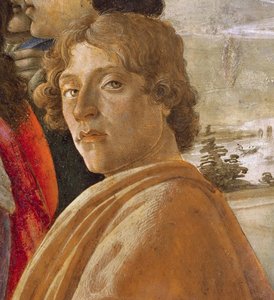
Botticelli
1445 - 1510 , Olaszország
Érdekességek
- Artistic Movement Or Style: Korai reneszánsza
- Artists Or Movements Influenced By This Artist: ['Pre-Raffaellit']
- Artists Who Influenced This Artist:
- Fra Filippo Lippi
- Paolo Uccello
- Date Of Birth: 1445 körül
- Date Of Death: 1510
- Full Name: Alessandro di Mariano Filipepi
- Nationality: Olasz
- Notable Artworks:
- Születés Zeppirinnél
- Tavasz
- Szentek imádása
- Place Of Birth: Firenze, Olaszország