Megtekintés
 Küldés
 Megosztás
 Részletek
 Útmutató

 Letöltés
 Hasonló darabok
 X-ray felvétel
 Diavetítés
 Q&A
Q&A Statisztika
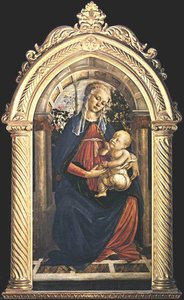
A Cestello Üdvözítés (részlet)


 Összes részlet megjelenítése
Giclée / Műnyomat
Múzeumi minőségű giclée vagy vászonnyomat, gyors gyártással és rugalmas finomítási lehetőségekkel. ( Kézzel festett másolat rendelése Áttérés digitális képre)




P118B Ft10

P118H Ft10

P118W Ft10

P438Z Ft10

P508JH Ft12

P508YH Ft12

P805H Ft10

P805Z Ft10

P919BZ Ft10

P919G Ft10

P919XJ Ft10

P959ZH Ft10

P968JZ Ft12

W106C Ft8

W218G Ft10

W218JH Ft8

W218Y Ft10

W307PJ Ft10

W316G Ft10

W316PJ Ft8

W316Y Ft10

W398PJ Ft8

W4111J Ft10

W500HY Ft15

W500JH Ft15

W692G Ft12

W849H Ft8

W940BG Ft15

W953PJ Ft8




Válasszon előre meghatározott méreteink közül, amelyek megfelelnek a műalkotás eredeti arányainak.

Írja be a keretének vagy a falának megfelelő szélességet és magasságot. A nyomatot csak le lehet vágni, soha nem tehető nagyobbá, mint az eredeti kép, így egy eltérő alakú méretnél a kép egy része elveszik. Mielőtt bármit kinyatintanánk, küldünk egy digitális próbamodellt jóváhagyásra. Az oldalon látható kép nem tartalmazza a valós levágást — ezt csak a próbamodell mutatja meg.
Világszerte történő kiszállítás területére mindössze 2 hét alatt, a szokásos 4-5 hét helyett. (31 október)

Ingyenes globális expressz szállítás

Prémium minőségű len vászon

Teljes körű szállítási biztosítás

Vámvisszatérítési Garancia

Hiteles színarányosság garancia

100 napos visszaküldési lehetőség (csak hibás termékek esetén)

100% pénzvisszatérítési garancia

Több darab vásárlásakor kedvezmény
 Az üvegkeretes opció csak 110 cm alatti méretben érhető el

A Cestello Üdvözítés (részlet)
Giclée / Műnyomat
Reprodukció mérete
-


Összesített ár
Ft 26198
Egy Istenbeli Megjelenés Pillanat: Botticelli Cestello Annunciációja
Botticelli „Cestello Annunciáció” című műve, amelyet 1489-ben festettek, tanúskod amennyek az épp emelkedő humanista szelleméről és Firenze művészi csodálatosakról aranykorában. Benedetto di ser Francesco Guardi kérésére készült a családjuk kápolnájába, a Santa Maria Maddalena templomban található ez a faalapú tempera festmény nem csupán ábrázolást haladó; hanem az örök hűség és szépség idealizált látomását öltözi magában – tükrözve Botticelli mély megértését mind a teológiai fogalmak, mind a vizuális művészet terén.- Tárgy: A festmény rögzíti az Annunciáció kulcsfontosságú bibliai narratíváját – amikor Gabriel elküdéri Marynek, hogy Jézus Krisztusot fogja nevében. Ez a jelenet gondos részletességkel készült, hangsúlyozva Mary és Gabriel nyugodt kifejezéseit egy bőséges kertállomány között.
- Stílus és Technika: Botticelli jellegzetes stílusa – amelyet az élettel teli vonalak, a finom színek és az idealizált formák hangsúlyozása jellemzi – jelen van az „Cestello Annunciációban”. Finoman alkalmazza a vonalperspektívát, hogy mélységet hozzon létre a Cestello (gyümölcsös) zárt térében, ezzel növelve a nyugalom és a spirituális gondolkodás érzetét. A művész mesteri ecsetütése egy bársonyos textúrát kölcsönöz, amely megkaptatja az ébredő fény csillogását, ami a virágok áltól szűrődik át.
Történelmi Kontextus: A Reneszánsz Firenze és a Mecenasok
A 1489-es Firenze az művészi innováció központja volt, amelyet olyan befolyásos családok mecenátusa táplált, mint a Medicik. Sandro Botticelli rendkívül sok segítséget kapott ebben a környezetben, ami lehetővé tette számára, hogy ambiciózus projektekkel foglalkozzon és meghosszabbítsa az művészi konvenció határait. Maga a megrendelés elmondja, milyen fontosságot tulajdonítottak a vallási ikonografiának a Reneszánsz alatt – egy időszakban, amelyet a klasszikus ideák újraéledése és a hű keresztény hit kísérte. Ez a festmény példázza az humanista ragaszkodást az emberi alakok megfogalmazásához méltósággal és gráciával, tükrözve a szélesebb kulturális áttérést a középkori formalizmus elől.Szimbolika és Vizuális Nyelv
A Cestello gyümölcsöse több mint egy festői háttér; szimbólumként szolgál Paradicsomra – az Eden kertére –, amely Mary virágosságát és tisztaságát jelképezi a fogantkozás előtt. A könyv, amelyet Mary tart, ő tudását és hűségét Isten szó felé mutatva hangsúlyozza az esemény teológiai jelentőségét. Gabriel kiáltó keze emeli át az istenbeli áldogat és kommunikációt, elküldve a megváltás üzenetét. Botticelli mesterségesen használja a színeket – főként világoszöldek és kékeket –, hogy nyugalom és spirituális megvilágítás érzeteit keltse elő.Érzelmi Hatás és Örökség
Az „Cestello Annunciáció” ma évszázadokkal később is rezonanciát vált ki a nézők szíveiben, mert képes átadni mély érzelmeket – egy hágra, szent tiszteletre és ömlesztett gondoskodásra az ezt szent narratívára. Botticelli gondos részletezése és színeinek mesteri használata hozzájárul egy tartós vizuális élményhez, amely megkaptatja a Reneszánsz spirituális lényegét. Hatása látható más művészi törekvésekben is, ezzel cementálva helyét mint az egyik legmegrendíthebb festménynek az Épkorban – egy időtálló mesterművé, amely szépséget, gráciát és istenbeli felfedettséget ötvözi magában.Kérdések és válaszok
Melyik évben készült a „A Cestello Üdvözítés (részlet)”, Botticelli alkotása?
A "A Cestello Üdvözítés (részlet)" 1489-ban készült. Ez az időpont meghatározó jelentőséggel bír Botticelli pályájában és az adott korszak kontextusában is.
Általánosságban inkább világos vagy sötét a "A Cestello Üdvözítés (részlet)"?
A "A Cestello Üdvözítés (részlet)" alkotás fényerisége összességében mély árnyékok, luminanciája pedig Sötét.
Hol tekinthető meg a(z) "A Cestello Üdvözítés (részlet)" előnézete?
A „A Cestello Üdvözítés (részlet)”, Botticelli alkotása előnézete megtekinthető a mű Előnézet oldalán.
A művész életrajza
Early Life and Florentine Beginnings
Sandro Botticelli, born Alessandro di Mariano di Vanni Filipepi around 1445 in Florence, Italy, emerged during a period of extraordinary cultural ferment—the Early Renaissance. His life was deeply rooted in the city’s artistic and social fabric; he never strayed far from his neighborhood of Ognissanti, a testament to both familial ties and the vibrant creative ecosystem that nurtured him. His father, Mariano Filipepi, initially a goldsmith and later a tanner, provided an early exposure to craftsmanship and meticulous detail—qualities that would profoundly influence Botticelli’s artistic approach. Though initial reports suggested training as a goldsmith, he soon found his calling under the tutelage of Fra Filippo Lippi, a leading painter of the time. This apprenticeship proved pivotal, immersing him in the techniques and aesthetics of the Florentine school while also connecting him to influential patrons like the Medici family. Botticelli’s nickname, ‘Botticelló,’ is believed to have originated from his small stature – a fitting description for the artist who would later create works of such monumental beauty.A Style Defined by Grace and Myth
Botticelli’s artistic style is instantly recognizable for its lyrical beauty, characterized by elegant linearity, flowing contours, and a delicate use of color. He masterfully bridged the gap between the late Gothic traditions and the burgeoning Renaissance aesthetic, absorbing influences from masters like Fra Angelico and Paolo Uccello yet forging a uniquely personal vision. His figures possess an ethereal quality, often depicted with elongated proportions and graceful poses that convey both serenity and a subtle melancholy. A defining feature of his work is the frequent incorporation of classical mythology—a reflection of the humanist interests sweeping through Renaissance Florence. He didn’t merely illustrate these ancient tales; he imbued them with new layers of meaning, exploring themes of love, beauty, and spiritual longing. Botticelli's technique was innovative for its time. He often employed a silverpoint drawing method underpainting his canvases, contributing to the luminosity and delicate detail seen in his finished works. His use of tempera paint allowed for precise rendering and vibrant colors, while his later experiments with oil paints broadened his expressive possibilities.Iconic Masterpieces and Artistic Development
Botticelli’s legacy rests upon a handful of iconic paintings that continue to captivate audiences centuries later. The Birth of Venus, completed around 1486, stands as perhaps his most celebrated work—an allegorical depiction of the goddess emerging from a seashell, embodying Renaissance ideals of beauty and harmony. The painting’s graceful composition, delicate color palette, and evocative symbolism have made it an enduring symbol of the era. Equally renowned is Primavera, created around 1482, a complex and enigmatic painting celebrating spring and love, populated with symbolic figures drawn from classical mythology. These works showcase Botticelli’s mastery of composition, his ability to create atmospheric depth, and his profound understanding of human emotion. His early work often focused on religious subjects, honing his technical skills and establishing a reputation for skillful execution. The 1480s marked the peak of his creative powers, with the creation of these mythological masterpieces. However, the late 1490s witnessed a shift in his style, influenced by the fervent preaching of Girolamo Savonarola—a Dominican friar who condemned what he saw as the decadence and moral corruption of Florence. This period resulted in more austere and emotionally charged works, reflecting a growing spiritual intensity.Historical Significance and Rediscovery
Following his death in 1510, Botticelli’s reputation gradually faded into obscurity. For nearly three centuries, his work was largely forgotten, overshadowed by the achievements of High Renaissance masters like Leonardo da Vinci and Michelangelo. However, a remarkable rediscovery occurred in the late 19th century with the rise of the Pre-Raphaelite Brotherhood—a group of English artists who rejected academic conventions and sought inspiration in the art of the early Italian Renaissance. They were captivated by Botticelli’s linear grace, vibrant colors, and poetic sensibility, recognizing him as a kindred spirit. This renewed appreciation sparked a widespread reassessment of his work, establishing him as one of the most important artists of the Early Renaissance. Today, Botticelli is celebrated for his unique artistic vision, his masterful technique, and his enduring ability to evoke beauty, emotion, and spiritual contemplation. His influence can be seen in subsequent generations of artists who have sought to capture the same sense of grace and elegance in their own work. He remains a symbol of Florentine artistic achievement and a testament to the power of Renaissance humanism.Major Works
- The Birth of Venus (c. 1486): An iconic depiction embodying Renaissance ideals of beauty.
- Primavera (c. 1482): A complex allegorical painting celebrating spring and love.
- Adoration of the Magi (1475-1476): Demonstrates early mastery of composition and perspective.
- Mystic Nativity (1501): Reflects a shift towards spiritual themes in his later career.
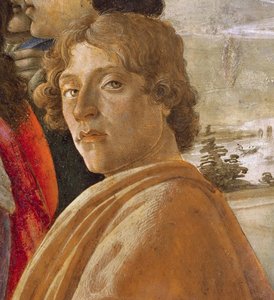
Botticelli
1445 - 1510 , Olaszország
Rövid információk
- Artistic Movement Or Style: Korai reneszánsza
- Artists Or Movements Influenced By This Artist: ['Pre-Raffaellit']
- Artists Who Influenced This Artist:
- Fra Filippo Lippi
- Paolo Uccello
- Date Of Birth: 1445 körül
- Date Of Death: 1510
- Full Name: Alessandro di Mariano Filipepi
- Nationality: Olasz
- Notable Artworks:
- Születés Zeppirinnél
- Tavasz
- Szentek imádása
- Place Of Birth: Firenze, Olaszország
Kapcsolódó cikkek

Celestial Messengers: Angels in Painting – A Historical & Artistic Exploration
Explore the captivating history of angels in painting! Discover symbolism, iconic Renaissance & Byzantine masterpieces, and renowned artists. Expert insights for art lovers & collectors at OriginalUniqueArt.

Celestial Messengers: A Comprehensive Exploration of Angelic Representation in Art History
Explore the captivating history of angels in art! Discover symbolism, iconic Renaissance masterpieces & renowned artists. Expert insights for art lovers & collectors at OriginalUniqueArt.

Dante Gabriel Rossetti 25 Mesterműve: Szépség és Lelkiség a Vásznon – OriginalUniqueArt
Fedezze fel Dante Gabriel Rossetti 25 legszebb művészeti alkotását! Ismerje meg a prerafaeliták titkait, a viktoriánus festészet szépségét és a romantikus szimbolizmus mélységeit. Prémium minőségű art reprodukciók a OriginalUniqueArt-on – inspiráció otthonába!
Divine Messengers: A Curated Guide to the Iconography of Angel Gabriel in Art History
Explore the profound beauty of Angel Gabriel in art history. From Renaissance masterpieces to Baroque splendor, our expert guide delves into the sacred iconography and timeless techniques of these divine messengers for the discerning art enthusiast.

Botticelli Mesterművek: A 25 Leglenyűgözőbb Kép a Reneszánsz Gyöngyszemeiből | OriginalUniqueArt
Fedezze fel Sandro Botticelli 25 legpazarabb műalkotását! Merüljön el a reneszánsz festészet világában, ismerje meg a Primavera és Vénusz születése történetét. Museum-minőségű reprodukciók és inspiráló dekorációs ötletek a OriginalUniqueArt.com oldalon.