
 Megtekintés
 Küldés
 Megosztás
 Részletek
 Útmutató

 Letöltés
 Hasonló darabok
 X-ray felvétel
 Diavetítés
 Q&A
Q&A Statisztika
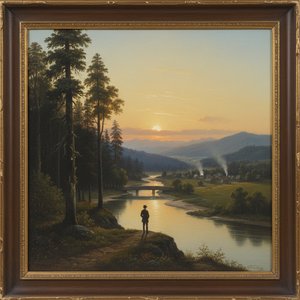
Windermere, Cumbria

- 122.0 x 198.0 cm


 Összes részlet megjelenítése
Giclée / Műnyomat
Múzeumi minőségű giclée vagy vászonnyomat, gyors gyártással és rugalmas finomítási lehetőségekkel. ( Kézzel festett másolat rendelése Áttérés digitális képre)




P118B Ft10

P118H Ft10

P118W Ft10

P438Z Ft10

P508JH Ft12

P508YH Ft12

P805H Ft10

P805Z Ft10

P919BZ Ft10

P919G Ft10

P919XJ Ft10

P959ZH Ft10

P968JZ Ft12

W106C Ft8

W218G Ft10

W218JH Ft8

W218Y Ft10

W307PJ Ft10

W316G Ft10

W316PJ Ft8

W316Y Ft10

W398PJ Ft8

W4111J Ft10

W500HY Ft15

W500JH Ft15

W692G Ft12

W849H Ft8

W940BG Ft15

W953PJ Ft8




Válasszon előre meghatározott méreteink közül, amelyek megfelelnek a műalkotás eredeti arányainak.

Írja be a keretének vagy a falának megfelelő szélességet és magasságot. A nyomatot csak le lehet vágni, soha nem tehető nagyobbá, mint az eredeti kép, így egy eltérő alakú méretnél a kép egy része elveszik. Mielőtt bármit kinyatintanánk, küldünk egy digitális próbamodellt jóváhagyásra. Az oldalon látható kép nem tartalmazza a valós levágást — ezt csak a próbamodell mutatja meg.
Világszerte történő kiszállítás területére mindössze 2 hét alatt, a szokásos 4-5 hét helyett. (1 november)

Ingyenes globális expressz szállítás

Prémium minőségű len vászon

Teljes körű szállítási biztosítás

Vámvisszatérítési Garancia

Hiteles színarányosság garancia

100 napos visszaküldési lehetőség (csak hibás termékek esetén)

100% pénzvisszatérítési garancia

Több darab vásárlásakor kedvezmény
 Az üvegkeretes opció csak 110 cm alatti méretben érhető el

Windermere, Cumbria
Giclée / Műnyomat
Reprodukció mérete
-


Összesített ár
Ft 26198
A művész életrajza
Samuel Lawson Booth: A Master of Hudson River Light
Samuel Lawson Booth (1836-1928) stands as a significant, yet often understated, figure in the landscape painting tradition of late 19th-century America. Born in Leeds, Yorkshire, and trained initially in England, Booth’s artistic journey ultimately led him to establish himself as a respected artist working primarily within the evocative style of the Hudson River School. His career spanned several decades, marked by a dedication to capturing the subtle nuances of light and atmosphere, particularly in scenes of rural New Jersey – a region he came to deeply admire and depict with remarkable fidelity.
Booth’s early life provided a grounding in artistic principles, though not necessarily within the established academic framework. He began his career as an art teacher, first at the Leeds School of Art and later as an Art Master at Bradford Technical College. This role instilled in him a practical understanding of technique and a commitment to educating others about the visual arts. However, it was his travels and subsequent artistic pursuits that truly defined his legacy. A pivotal moment arrived in 1902 when he received a commission from King Edward VII to travel to Egypt and Israel, undertaking a series of expeditions dedicated to documenting the landscapes and light of those regions. These journeys profoundly influenced his style, introducing him to new color palettes and techniques for rendering atmospheric effects – skills he subsequently applied to his depictions of American scenery.
The Influence of the Hudson River School
Booth’s artistic development is inextricably linked to the broader context of the Hudson River School. This influential movement, which flourished throughout the mid-19th century, championed a romanticized vision of America's natural landscapes. Artists like Thomas Cole, Frederic Church, and Albert Bierstadt sought to capture the sublime beauty of the American wilderness, often imbuing their works with moral and spiritual significance. While Booth’s style diverged slightly from the grand scale and overtly didactic themes associated with some of his contemporaries, he shared a fundamental commitment to portraying nature with accuracy, sensitivity, and an appreciation for its inherent grandeur.
Booth's paintings are characterized by a meticulous attention to detail—the way light filters through trees, the textures of rocks and foliage, the subtle shifts in color across the sky. He eschewed dramatic compositions and theatrical lighting effects, instead favoring a more restrained approach that allowed the natural beauty of his subjects to speak for themselves. His palette was generally muted, dominated by earthy tones and soft blues and greens—a deliberate choice designed to evoke a sense of tranquility and harmony.
Key Works and Artistic Techniques
Several of Booth’s paintings stand out as particularly noteworthy examples of his artistic skill and vision. “Windermere, Cumbria” (available for reproduction) exemplifies his mastery of capturing the atmospheric effects of a misty lake scene—the way light diffuses through the fog, creating an ethereal sense of depth and distance. Similarly, "Resurrection" showcases his ability to render the rugged beauty of the New Jersey countryside, with its rolling hills, dense forests, and dramatic skies. These works demonstrate Booth’s meticulous observation skills and his talent for translating visual impressions onto canvas.
Booth's technique involved a layered approach, building up color gradually through multiple thin glazes. He employed a dry brush technique to create subtle variations in texture and tone, adding depth and realism to his landscapes. His use of light was particularly innovative—he sought not merely to depict the appearance of light but also its effect on the surrounding environment, capturing the way it transformed colors and shapes.
Legacy and Historical Significance
Despite often operating outside the mainstream spotlight, Samuel Lawson Booth’s contribution to American landscape painting is considerable. His work reflects a deep appreciation for the natural world and a commitment to portraying its beauty with honesty and sensitivity. He represents a quieter, more contemplative voice within the Hudson River School tradition—an artist who prioritized observation and craftsmanship over grand gestures and overt symbolism.
Booth’s paintings continue to be appreciated today for their technical skill, atmospheric effects, and evocative sense of place. They offer a valuable glimpse into the artistic sensibilities of late 19th-century America and serve as a reminder of the enduring power of landscape painting to inspire awe and wonder.

Samuel Lawson Booth
1836 - 1928
Rövid információk
- Artistic Movement Or Style: Hudson River School
- Artists Or Movements Influenced By This Artist: ['Alonzo Chappel']
- Artists Who Influenced This Artist:
- Friedrich
- Monet
- Date Of Birth: 1836
- Date Of Death: 1928
- Full Name: Samuel Lawson Booth
- Nationality: British
- Notable Artworks:
- Windermere, Cumbria
- Resurrection
- Place Of Birth: Leeds, Yorkshire
Kapcsolódó cikkek

A Hudson River Iskola 10 Mesterműve: Tájképfestészet és Amerika Lelke – OriginalUniqueArt
Fedezze fel a Hudson River Iskola 10 legikonikusabb műalkotását! Frederic Church, Thomas Cole és más amerikai festők romantikus tájképei. Vászonkép másolatok, faliképek otthonába – OriginalUniqueArt.com kínálatából. Explore the full collection online!

Echoes of Arcadia: Nostalgia & Transformation in Vintage Landscape Art
Explore the evocative world of vintage landscape art! Discover the history, artists & emotional power behind masterpieces from the Hudson River School & beyond. Expert insights for collectors & enthusiasts.
Robert Spencer: Luminism, Narrative & the American Landscape Tradition
Explore the captivating world of Luminism & the Hudson River School with our expert analysis. Discover the history, artists, and enduring beauty of 19th-century American landscape painting. Find museum-quality reproductions at OriginalUniqueArt.
The Hudson River School: A Definitive Guide to America's Romantic Landscape Tradition
Explore the profound legacy of the Hudson River School. Discover how masters like Thomas Cole captured the American sublime through Romanticism and Luminism. A definitive guide for art historians and collectors seeking to understand America's wild beauty.

The Sublime Landscape: Exploring the Hudson River School Movement
Explore the captivating world of the Hudson River School! Discover the history, artists, and defining characteristics of this iconic American art movement. Learn about Romanticism's influence & find inspiration for your collection.