

 Megtekintés
 Küldés
 Megosztás
 Részletek

 Letöltés
 Hasonló darabok
 X-ray felvétel
 Diavetítés
Hinton priory chapel

 Összes részlet megjelenítése
Giclée / Műnyomat
Múzeumi minőségű giclée vagy vászonnyomat, gyors gyártással és rugalmas finomítási lehetőségekkel. ( Kézzel festett másolat rendelése Kép letöltése)




P118B $10

P118H $10

P118W $10

P438Z $10

P508JH $12

P508YH $12

P805H $10

P805Z $10

P919BZ $10

P919G $10

P919XJ $10

P959ZH $10

P968JZ $12

W106C $8

W218G $10

W218JH $8

W218Y $10

W307PJ $10

W316G $10

W316PJ $8

W316Y $10

W398PJ $8

W4111J $10

W500HY $15

W500JH $15

W692G $12

W849H $8

W940BG $15

W953PJ $8




Válasszon előre meghatározott méreteink közül, amelyek megfelelnek a műalkotás eredeti arányainak.

Megadhat saját méreteket is egy konkrét kerethez vagy helyszínhez igazítva. Amennyiben a kiválasztott méret nem egyezik az eredeti kép arányokkal, a műalkotást le fogjuk vágni, vagy kiegészítjük a képet tükrözött vagy egyszínű szélekkel. A gyártás megkezdése előtt egy digitális tervezetet küldünk jóváhagyásra.
Kérjük, vegye figyelembe, hogy a képernyőn látható előnézet nem tükrözi a tényleges levágást vagy kiegészítést. Csak a tervezet mutatja pontosan a végső kompozíciót.
Bár az egyedi méretek is elérhetőek, az eredeti arányok megőrzése érdekében azt javasoljuk, hogy válasszon a előre meghatározott listából származó méretet.
Világszerte történő kiszállítás területére mindössze 2 hét alatt, a szokásos 4-5 hét helyett. (30 augusztus)

Ingyenes globális expressz szállítás

Prémium minőségű len vászon

Teljes körű szállítási biztosítás

Vámvisszatérítési Garancia

Hiteles színpontosság garancia

60 napos visszaküldési lehetőség (csak hibás termékek esetén)

100% pénzvisszatérítési garancia

Több darab vásárlása esetén kedvezmény
 Az üvegkeretes opció csak 110 cm alatti méretben érhető el

Hinton priory chapel
Giclée / Műnyomat
Reprodukció mérete
-


Összesített ár
$ 80
A művész életrajza
Johan Zoffany: The Master of Grand Manner and Conversation Pieces
Born in 1733 in London, Johan Zoffany was a pivotal figure in the burgeoning world of British art during the late 18th century. While often overshadowed by his contemporaries, Zoffany’s unique approach to portraiture—characterized by meticulous detail, theatrical composition, and an uncanny ability to capture fleeting moments of social interaction—established him as a leading practitioner of what became known as the ‘Grand Manner.’ His work wasn't merely about depicting individuals; it was about constructing elaborate narratives within painted scenes, inviting viewers into carefully orchestrated dialogues between figures and elements.
Zoffany’s early life provided an unusual foundation for his artistic development. He was apprenticed to Richard Wilson, a prominent landscape painter known for his idealized depictions of the Scottish Highlands. This training instilled in Zoffany a deep appreciation for light, atmosphere, and the grandeur of nature – elements that would profoundly influence his later work. However, it was his association with the wealthy and influential Earl of Bute—a close advisor to King George III—that truly shaped his career trajectory. The Earl commissioned Zoffany to paint a series of large-scale group portraits, known as ‘Grand Manner’ scenes, which became Zoffany's signature style.
These ‘Grand Manner’ paintings are perhaps Zoffany’s most enduring legacy. The most famous example, *Three Daughters of John, 3rd Earl of Bute*, exemplifies his meticulous technique and compositional brilliance. The painting depicts the Earl’s three daughters posing with a visiting German artist, Johann Christian Brand, and his young pupil, Louis-Joseph Kress. Zoffany masterfully integrated elements from various cultures—classical architecture, oriental motifs, and contemporary London life—into a single, unified scene. The figures are arranged in a carefully choreographed manner, creating a sense of depth and drama. The use of light is particularly noteworthy, with the central group bathed in warm sunlight while the background remains shrouded in shadow. This interplay of light and dark not only enhances the visual impact of the painting but also contributes to its overall narrative complexity.
The Influence of Italian Masters
Zoffany’s artistic sensibilities were deeply influenced by the works of Italian painters, particularly those associated with the Roman School. He spent several years in Italy during his youth, studying under artists who specialized in landscape and genre painting. The influence of masters like Canaletto and Piranesi is evident in Zoffany's meticulous attention to detail, his use of perspective, and his ability to capture the atmosphere of urban environments. He was particularly fascinated by the ruins of ancient Rome, which served as a constant source of inspiration for his paintings.
Zoffany’s fascination with ruins is reflected in several of his works, including *The Ruins of Pompeii* and *Ruins of the Temple of Jupiter at Brompton*. These paintings are not simply depictions of crumbling buildings; they are carefully constructed compositions that evoke a sense of melancholy and nostalgia. He skillfully combined elements of reality and imagination to create scenes that were both historically accurate and visually arresting. The inclusion of figures within these ruins—often engaged in quiet contemplation or scholarly pursuits—adds another layer of meaning to the paintings, suggesting a connection between the past and the present.
Technique and Composition
Zoffany’s technical skill was exceptional. He possessed a remarkable ability to render light and shadow with precision, creating a sense of depth and realism in his paintings. His use of color was subtle yet effective, contributing to the overall harmony of his compositions. He employed a technique known as ‘grisaille,’ using monochrome underpaintings to establish the basic forms and values of the scene before adding color. This method allowed him to achieve a greater degree of control over the final image.
Zoffany’s compositional approach was equally sophisticated. He carefully considered the placement of each figure within the painting, ensuring that they interacted with one another in a meaningful way. He often used diagonal lines and overlapping forms to create a sense of movement and dynamism. His paintings are characterized by their intricate detail and complex arrangements—a testament to his meticulous planning and artistic skill.
Legacy and Historical Significance
Despite not achieving widespread fame during his lifetime, Johan Zoffany’s influence on subsequent generations of British artists is undeniable. His ‘Grand Manner’ style became a model for portrait painters such as Thomas Gainsborough and George Romney. His meticulous attention to detail and his ability to capture the nuances of social interaction set a new standard for portraiture in Britain.
Zoffany's work offers a fascinating glimpse into the cultural landscape of 18th-century London. His paintings reflect the wealth, sophistication, and intellectual curiosity of the era. They also provide valuable insights into the social dynamics of the time—the relationships between artists, patrons, and members of the aristocracy. Today, Zoffany’s paintings are treasured works of art that continue to captivate viewers with their beauty, complexity, and historical significance. His legacy endures as a testament to his artistic genius and his profound contribution to the history of British painting.
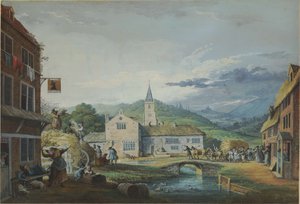
samuel hieronymous grimm
1733 - 1794 , Switzerland
A művészről röviden
- Artistic Movement Or Style: Romanticism, Landscape
- Artists Or Movements Influenced By This Artist:
- Fragonard
- Romanticism
- Artists Who Influenced This Artist:
- Michel-Ange Slodtz
- Giovanni Paolo Panini
- Date Of Birth: 22 May 1733
- Date Of Death: 15 Apr 1808
- Full Name: Hubert Robert
- Nationality: French
- Notable Artworks:
- Ruins of the Church
- Roman Capriccio
- Charitable Ladies
- Place Of Birth: Paris, France
Kapcsolódó cikkek

John Constable 25 Mesterműve: A Természet Lényege Vászonon – OriginalUniqueArt.com
Fedezze fel John Constable 25 legszebb művészeti alkotását! Ismerje meg a romantika ikonikus tájképeit, Dedham Vale szépségét és a természet lenyűgöző ábrázolásait. Vászonkép reprodukcióinkkal eleganciát csempészhet otthonába – OriginalUniqueArt.com

A Romantikus Tájképfestészet 10 Legikonikusabb Műalkotása – OriginalUniqueArt.com
Fedezze fel a romantikus tájképfestészet 10 legikonikusabb műalkotását! Caspar David Friedrich, J.M.W. Turner és más mesterek festményeinek története – inspiráló olajfestmények otthonába. OriginalUniqueArt.com: múzeumi minőségű reprodukciók és egyedi dekorációk online.

Evocations of Place: A Historical Journey Through Landscape Art
Explore the rich history of landscape art with OriginalUniqueArt. Discover renowned artists, movements like Impressionism & Romanticism, and expert guidance for collecting timeless pieces. Find your perfect serene escape today!
Capturing Stillness: A Curated Exploration of the Most Iconic Lake Landscapes in Art History
Journey through art history's most serene lake landscapes. From Romantic vistas to light-drenched Impressionist waters, discover the stories behind these iconic masterpieces and find museum-quality, hand-painted oil reproductions for your private collection.

Evocations of Place: A Historical Journey Through Landscape Art
Explore the rich history of landscape art with OriginalUniqueArt. Discover renowned artists, movements like Impressionism & tonalism, and expert guidance for collecting timeless pieces. Find your perfect serene escape today!

