

 Előnézet
 Megosztás
 Megosztás
 Részletek
 Útmutató

 Letöltés
 Hasonló darabok
 X-ray felvétel
 Diavetítés
 Statisztika
Woman Writing a Letter
 Oil On Canvas
- WallArt
 1939
1939 46.0 x 36.0 cm
 Arts Council Collection
 Tovább olvasom
Giclée / Műnyomat
Múzeumi minőségű giclée vagy vászonnyomat, gyors gyártással és rugalmas finomítási lehetőségekkel. ( Kézzel festett másolat vásárlása Áttérés digitális képre)




P118B $10

P118H $10

P118W $10

P438Z $10

P508JH $12

P508YH $12

P805H $10

P805Z $10

P919BZ $10

P919G $10

P919XJ $10

P959ZH $10

P968JZ $12

W106C $8

W218G $10

W218JH $8

W218Y $10

W307PJ $10

W316G $10

W316PJ $8

W316Y $10

W398PJ $8

W4111J $10

W500HY $15

W500JH $15

W692G $12

W849H $8

W940BG $15

W953PJ $8




Válasszon előre meghatározott méreteink közül, amelyek megfelelnek a műalkotás eredeti arányainak.

Megadhat saját méreteket is egy konkrét kerethez vagy helyszínhez igazítva. Amennyiben a kiválasztott méret nem egyezik az eredeti kép arányokkal, a műalkotást le fogjuk vágni, vagy kiegészítjük a képet tükrözött vagy egyszínű szélekkel. A gyártás megkezdése előtt egy digitális tervezetet küldünk jóváhagyásra.
Kérjük, vegye figyelembe, hogy a képernyőn látható előnézet nem tükrözi a tényleges levágást vagy kiegészítést. Csak a tervezet mutatja pontosan a végső kompozíciót.
Bár az egyedi méretek is elérhetőek, az eredeti arányok megőrzése érdekében azt javasoljuk, hogy válasszon a előre meghatározott listából származó méretet.
Világszerte történő kiszállítás területére mindössze 2 hét alatt, a szokásos 4-5 hét helyett. (25 szeptember)

Ingyenes globális expressz szállítás

Prémium minőségű len vászon

Teljes körű szállítási biztosítás

Vámvisszatérítési Garancia

Tökéletes színarányosság garancia

100 napos visszaküldési garancia (csak gyártási hibás termékek esetén)

100% pénzvisszatérítési garancia

Több darab vásárlásakor kedvezmény
 Az üvegkeretes opció csak 110 cm alatti méretben érhető el

Woman Writing a Letter
Giclée / Műnyomat
Reprodukció méretei
-


Összesített ár
$ 80
A Moment Suspended in Ink and Light
The quiet dignity captured in "Woman Writing a Letter" invites the viewer into an intimate space of contemplation. This portrait is far more than a mere depiction of a woman at her desk; it is an immersion into the very act of creation, the delicate dance between thought and tangible form. The subject sits bathed in the soft, natural luminescence filtering through the window behind her, a light that seems to illuminate not just the room, but the very process of intellectual endeavor itself. Scattered around her—the open books, the papers awaiting inscription—suggest a mind deeply engaged, wrestling with ideas worthy of permanence.
The Atmosphere of Focused Creation
Rupert Shephard masterfully constructs an atmosphere of profound calm amidst apparent industry. The composition guides the eye gently from the focused gesture of her hand to the surrounding scholarly tools. Notice how the placement of objects—the carefully arranged books, the decorative vase catching the light—all contribute to a sense of ordered beauty. It speaks to a life lived with purpose, where knowledge and correspondence are the primary forms of artistry. For those who find solace in routine or inspiration within quiet corners, this painting resonates as an ideal visual anchor for any study or drawing-room.
Technique and Emotional Resonance
While the subject matter is domestic and intellectual, Shephard’s handling elevates it beyond simple genre painting. The technique suggests a careful balance between realism and evocative suggestion. One can almost feel the texture of the aged paper beneath her fingers and perceive the subtle shift in light across the polished wood of the desk. Emotionally, the piece whispers of connection—the act of writing is inherently an act of reaching out, of bridging distance through carefully chosen words. It evokes a sense of thoughtful melancholy mixed with quiet accomplishment.
A Timeless Study for Modern Interiors
Dating from 1939, this work carries the weight of history while remaining beautifully timeless. Its muted palette and classical arrangement allow it to integrate seamlessly into diverse interior design schemes, whether you favor the rich tones of a traditional library or the clean lines of a modern workspace. Owning a reproduction of "Woman Writing a Letter" is not simply acquiring art; it is curating an ambiance—a sanctuary dedicated to thought, correspondence, and enduring human connection.
A művész életrajza
Francis Bacon: A Chronicle of Anguish and the Human Condition
Born in Dublin, Ireland, on October 28th, 1909, Francis Bacon’s life was one marked by a profound sense of isolation and an unrelenting exploration of the darker aspects of human existence. He wasn't a traditional artist seeking to capture beauty or represent reality; instead, he relentlessly pursued a visceral depiction of psychological torment, fear, and vulnerability – a pursuit that would cement his place as one of the 20th century’s most unsettling and influential figures. His early years were characterized by a restless spirit and a lack of formal artistic training, a factor which arguably contributed to the raw, unpolished quality of his work.
Bacon drifted through various occupations in his twenties – interior decorating, gambling, and even a stint as a bon vivant in London’s Soho. It wasn't until his late twenties that he truly began to dedicate himself to painting, a decision fueled by a persistent need to translate the intense emotional landscapes within him onto canvas. He famously described his artistic process as “seeing images in series,” suggesting an almost involuntary response to the world around him – a compulsion to capture fleeting moments of horror and despair. This approach led him to repeatedly return to single subjects, creating intricate cycles of paintings that explored variations on a theme, delving deeper into their psychological complexities with each iteration.
The Evolution of a Style: From Bio-Morphs to Screaming Popes
Bacon’s artistic journey can be broadly divided into several distinct phases, each characterized by a specific visual vocabulary and thematic focus. His early work, particularly the “bio-morphs” of the 1930s, showcased distorted human figures – often vaguely sexual in nature – emerging from geometric structures. These pieces, influenced by Picasso’s cubism, hinted at a deeper exploration of the subconscious and the fragmentation of identity. As the decade progressed, Bacon shifted his attention to “Furies” – grotesque, screaming figures trapped within confined spaces, embodying primal rage and anguish.
The 1940s witnessed a significant transformation with the emergence of the “screaming popes,” iconic images of tormented religious figures rendered in vibrant, unsettling colors. These works, often depicted with gaping mouths and contorted faces, became synonymous with Bacon’s oeuvre, representing not just religious suffering but also the universal experience of pain and vulnerability. The mid-to-late 1950s saw him exploring animals – lions, dogs, and birds – alongside solitary figures, further emphasizing themes of isolation and predation. Later in his career, Bacon turned to self-portraits, confronting his own mortality and anxieties with unflinching honesty.
His final period, spanning the 1980s, produced some of his most powerful and disturbing works – the “Black Triptychs,” monumental canvases dominated by dark colors and fragmented figures. These paintings, particularly *Study for Self-Portrait—Triptych, 1985–86*, are considered masterpieces, capturing a profound sense of decay, loss, and the relentless passage of time. The meticulous detail with which he rendered these images, despite their inherent horror, speaks to his unwavering commitment to confronting uncomfortable truths about the human condition.
Influences and Legacy
While Bacon resisted easy categorization, it’s clear that his work was shaped by a diverse range of influences. Picasso's cubism undoubtedly played a role in his early explorations of form and space, while Surrealist ideas – particularly the exploration of the subconscious – resonated with his preoccupation with psychological torment. The writings of existentialist philosophers like Jean-Paul Sartre and Søren Kierkegaard also informed his worldview, contributing to his bleak and pessimistic outlook on life.
Bacon’s influence extends far beyond the realm of painting. His unflinching depiction of human suffering has resonated deeply with audiences for decades, prompting reflection on themes of mortality, isolation, and the fragility of existence. He remains a profoundly challenging yet undeniably compelling artist – a chronicler of our darkest impulses and a testament to the power of art to confront uncomfortable truths.
Key Works
- Three Studies for Figures at the Base of a Crucifixion (1944): Arguably Bacon’s most famous work, this triptych captures the raw horror and psychological intensity of crucifixion.
- Study for Self-Portrait—Triptych, 1985–86: A monumental exploration of self-reflection and mortality, rendered in a hauntingly beautiful black palette.
- The Black Triptychs (1982): A series of intensely dark and disturbing paintings that represent the culmination of Bacon’s artistic vision.
Francis Bacon died on April 28th, 1992, leaving behind a legacy as one of the most important and unsettling artists of the 20th century. His work continues to provoke, disturb, and ultimately fascinate viewers with its unflinching portrayal of the human condition.

rupert shephard
1909 - 1992 , United Kingdom
Gyors információk
- Artistic Movement Or Style: Figurative art
- Artists Or Movements Influenced By This Artist: ['New York School']
- Artists Who Influenced This Artist:
- Picasso
- Furies
- Date Of Birth: October 28, 1909
- Date Of Death: April 28, 1992
- Full Name: Francis Bacon
- Nationality: British
- Notable Artworks:
- Three Studies...
- screaming popes
- portraits of friends
- Place Of Birth: Dublin, Ireland
Kapcsolódó cikkek

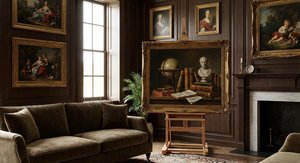
The Enduring Legacy of Oil on Canvas: Technique, History & Aesthetic Impact
Explore the rich history & techniques of oil painting – from Renaissance masters to Impressionism. Discover pigments, layering methods, and why this timeless medium endures. Expert insights for artists & art enthusiasts.
A Realizmus Mesterei: 10 Kéremény, Ami Megváltoztatta a Festészetet – OriginalUniqueArt
Fedezze fel a Realizmus 10 legikonikusabb műalkotását! Jacques-Louis David, Ingres és Courbet remekművei – történetükkel, technikájukkal. Vászonképek széles választéka otthonába a OriginalUniqueArt.com-on. Explore the full collection online!
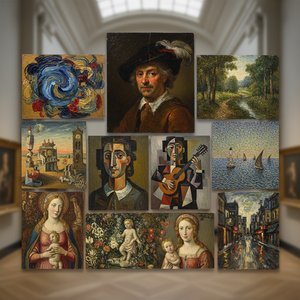
A művészettörténet 10 ikonikus olajfestménye – Vászonra ragasztott örökség a OriginalUniqueArt-tal
Fedezze fel a művészettörténet 10 legikonikusabb olajfestményét! Ismerje meg a híres festők, mint például Van Gogh és Monet történetét. Vászonképek eladó – inspirálja otthonát OriginalUniqueArt-tal! Explore the full collection online.
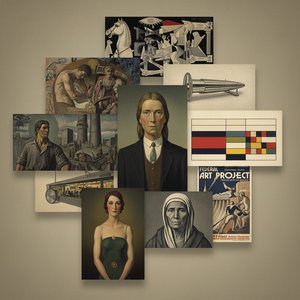
Az 1930-as évek 10 ikonikus műalkotása: Fine Art otthonra a OriginalUniqueArt-tól
Fedezze fel az 1930-as évek 10 legikonikusabb műalkotását! A szürrealizmustól a modernizmusig, ismerje meg a festők történetét és inspirálódjon otthoni dekorációjához. Museum minőségű reprodukciók a OriginalUniqueArt-on!

Oil on Canvas: A Historical & Technical Exploration of a Timeless Artistic Medium
Explore the rich history & enduring techniques of oil painting on canvas. Discover the science behind its longevity, conservation practices, and contemporary relevance. Expert insights for art enthusiasts.