

 Megtekintés
 Küldés
 Megosztás
 Részletek
 Útmutató

 Letöltés
 Hasonló darabok
 X-ray felvétel
 Diavetítés
 Q&A
Q&A Statisztika
Who comes?
 Oil
Oil- WallArt
 1908
1908- 19th Century
 542.0 x 810.0 cm
 National Gallery of Australia
 Összes részlet megjelenítése
Giclée / Műnyomat
Múzeumi minőségű giclée vagy vászonnyomat, gyors gyártással és rugalmas finomítási lehetőségekkel. ( Kézzel festett másolat rendelése Áttérés digitális képre)




P118B Ft10

P118H Ft10

P118W Ft10

P438Z Ft10

P508JH Ft12

P508YH Ft12

P805H Ft10

P805Z Ft10

P919BZ Ft10

P919G Ft10

P919XJ Ft10

P959ZH Ft10

P968JZ Ft12

W106C Ft8

W218G Ft10

W218JH Ft8

W218Y Ft10

W307PJ Ft10

W316G Ft10

W316PJ Ft8

W316Y Ft10

W398PJ Ft8

W4111J Ft10

W500HY Ft15

W500JH Ft15

W692G Ft12

W849H Ft8

W940BG Ft15

W953PJ Ft8




Válasszon előre meghatározott méreteink közül, amelyek megfelelnek a műalkotás eredeti arányainak.

Írja be a keretének vagy a falának megfelelő szélességet és magasságot. A nyomatot csak le lehet vágni, soha nem tehető nagyobbá, mint az eredeti kép, így egy eltérő alakú méretnél a kép egy része elveszik. Mielőtt bármit kinyatintanánk, küldünk egy digitális próbamodellt jóváhagyásra. Az oldalon látható kép nem tartalmazza a valós levágást — ezt csak a próbamodell mutatja meg.
Világszerte történő kiszállítás területére mindössze 2 hét alatt, a szokásos 4-5 hét helyett. (30 október)

Ingyenes globális expressz szállítás

Prémium minőségű len vászon

Teljes körű szállítási biztosítás

Vámvisszatérítési Garancia

Hiteles színarányosság garancia

100 napos visszaküldési lehetőség (csak hibás termékek esetén)

100% pénzvisszatérítési garancia

Több darab vásárlásakor kedvezmény
 Az üvegkeretes opció csak 110 cm alatti méretben érhető el

Who comes?
Giclée / Műnyomat
Reprodukció mérete
-


Összesített ár
Ft 25847
Kérdések és válaszok
Ismer-e más neveket a "Who comes?" alkotója, Rupert Charles Wulsten Bunny?
A „Who comes?” alkotójáról, Rupert Charles Wulsten Bunny nevű művészről ismert egyéb nevek között szerepel Bunny.
Hol tekinthető meg a(z) "Who comes?" előnézete?
A „Who comes?” Előnézet oldalán megtekintheti a művészeti alkotást megrendelés előtt.
Van-e rozšíngtott valóság (AR) előnézete a(z) "Who comes?" alkotásnak?
A „Who comes?”, Rupert Charles Wulsten Bunny alkotása mű kiterjesztett valóság technológiával, egy kompatibilis eszközön keresztül, a mű Kiterjesztett valóság előnézet oldalán megtekinthető a saját falán is.
A művész életrajza
korai élet és képzés
rupert charles wulsten bunny, az ausztrál festő 1864-ben született St Kilda, Victoria állományában. A művészetek terén hagyományos és akadémikus alapokat szerezhetett Calderon és Laurens mesterek alatt, amely tudás később bizonylatosan segítette őt kinevedő karrierjében, mint külföldi alkotó a fin de siècle Paris fényűző környezetében.sikerek és elismerések
bunny művészi képességeit már korán felismerték, hiszen a 1890-es párizsi szalonon is kitüntetést kapott tritonok című festésével. Hírnevét tovább erősítette az, hogy bronz medált nyert a 1900-as párizsi világ展 alkalmával, a szent katrina alexandriai temetését ábrázoló művéért. Franciaország állama tizenhárom alkotását is megszerezte, köztük azokat is, amelyek ma a musée du luxembourg és különböző regionális gyűjtemények részét képezik.művészeti stílus és témák
a művészkritikusok úgy jellemezték bunnyt, mint egy „lenyűgöző színvilágú és csodálatosan erudit festőt az ideális témák képviselőjét”. Művei gyakran ábrázolnak női alakokat, akik víztájak mellett pihennek, álmodnak vagy éppen felöltöznek és átöltöznek, lenyűgöző módon ötvözve a szimbolizmus és az esztéticizmus egyedi elemeit.- kiemelt művek:
- endormies (National Gallery of Victoria, Melbourne, Ausztrália)
- sea idyll (National Gallery of Victoria, Melbourne, Ausztrália)
- pastoral (National Gallery of Australia, Canberra, Ausztrália)
örökség és online elérhetőség
napjainkban bunny alkotásai számos múzeumban és online platformon megtalálhatóak. Azok számára, akik szeretnének mélyebben belemerülni művészetébe, a [https://OriginalUniqueArt.com/@/rupert-charles-wulsten-bunny](https://OriginalUniqueArt.com/@/rupert-charles-wulsten-bunny) egy kiterjedt gyűjteményt kínál festményeiből, beleértve az endormies, a sea idyll és a pastoral című alkotásokat is. Ezek a művek múzeumi minőségű reprodukcióként is vásárolhatóak a /en/art/show/art-8xyffg-en/ oldalon keresztül.konklúzió
rupert charles wulsten bunny, a victoria állambeli st kilda születésű ausztrál festő, maradandót hagyott a művészet világában pompás és tudatos stílusával. Öröksége ma is inspiráló erőként árad műveiből, amelyek könnyen elérhetőek a [https://OriginalUniqueArt.com](https://OriginalUniqueArt.com) felületén.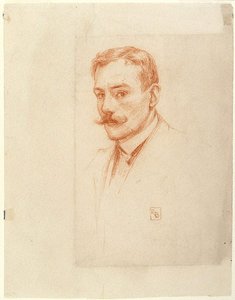
Rupert Charles Wulsten Bunny
1864 - 1947 , Australia
Kapcsolódó cikkek
Elegáns művészet: A 10 legkiemelkedőbb alkotás a kifinomult otthonokhoz | OriginalUniqueArt.com
Fedezze fel a 10 legkiemelkedőbb elegáns műalkotást! Ismerje meg Leonardo da Vinci, Monet és Klimt remekműveit. Inspirálódjon klasszikus festményekkel otthona kifinomult dekorációjához. Vászonképek, portrék – OriginalUniqueArt.com.
The Allure of Elegance: Exploring Artistic Representations of Refinement Across Movements
Explore the captivating history of elegance in art, from Rococo's grace to Romanticism’s passion. Discover investment-worthy masterpieces & expert guidance for building your collection with OriginalUniqueArt.
Sir Joshua Reynolds legszebb művei: Klasszikus portrék és a brit arisztokrácia ragyogása – OriginalUniqueArt
Fedezze fel Sir Joshua Reynolds 25 legszebb művét! Klasszikus portrék, brit arisztokrácia és a 18. század festészete – OriginalUniqueArt minőségi reprodukciókkal. Elegáns otthoni dekorációhoz inspiráló képek és vászonképek. Böngéssze gyűjteményünket online!

The Allure of Elegance in Art: A Historical & Aesthetic Exploration of Refined Beauty
Explore the history of elegance in art! Discover Rococo masterpieces & key artists. Expert insights for discerning collectors seeking investment-worthy artworks and custom reproductions at OriginalUniqueArt.

The Allure of Elegance in Art: A Historical & Aesthetic Exploration of Refinement & Grace
Explore the exquisite world of Rococo art! Discover its history, masters (Watteau, Boucher & more), and defining elegance. Expert insights for collectors seeking museum-quality reproductions & custom portraits.

