
 Megtekintés
 Küldés
 Megosztás
 Részletek

 Letöltés
 Hasonló darabok
 X-ray felvétel
 Diavetítés
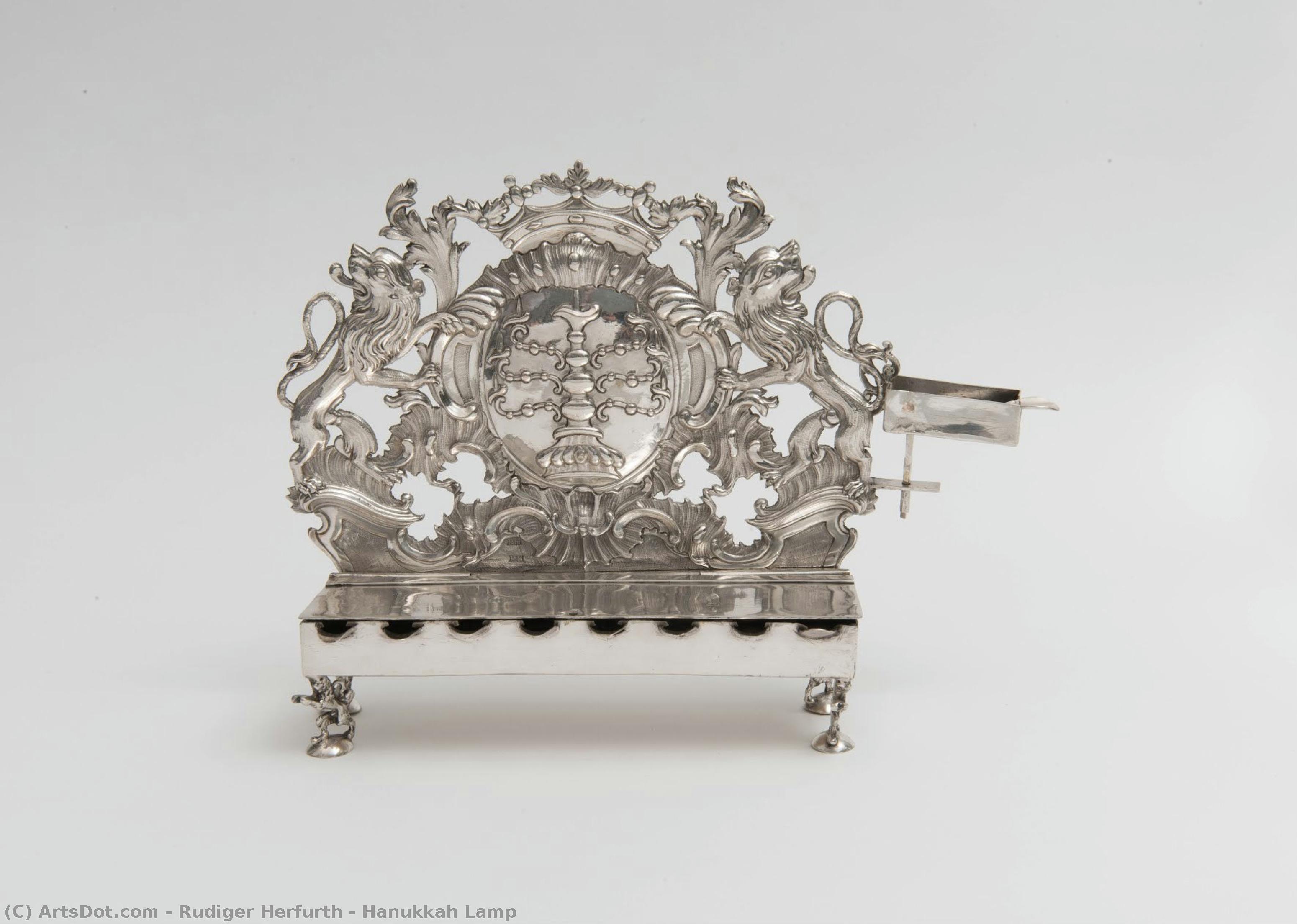
Hanukkah Lamp


 Összes részlet megjelenítése
Kézzel készített olajfestmény reprodukció
Kézzel festett olajvastú vászon, az Ön által választott méretben és keretben, művészeink készítik meglévőre. ( Nyomat rendelése Kép letöltése)




































Válasszon előre meghatározott méreteink közül, amelyek megfelelnek a műalkotás eredeti arányainak.

Ön megadhat saját méreteket egy adott kerethez vagy térhez igazításhoz. Ha a kiválasztott méret nem egyezik az eredeti kép arányával, akkor a műalkotást levágjuk, vagy további kézzel festett elemekkel meghosszabbítjuk a festményt. A gyártás megkezdése előtt küldünk Önnek egy digitális előnézetet jóváhagyásra.
Kérjük, vegye figyelembe, hogy a képernyőn megjelenő előnézet nem tükrözi a tényleges vágást vagy kiterjesztést. Csak az előnézet fog pontosan mutatni a végső kompozíciót.
Bár egyedi méretek állnak rendelkezésre, javasoljuk, hogy válasszon egy méretet az előre meghatározott listából az eredeti arányok megőrzése érdekében.
A rendelést követően a OriginalUniqueArt.com csapata e-mailt küld az ügyfélnek az instrukciókért, és biztosít egy előnézeti képet (mockup).
Világszerte elérhető szállítás () 3-4 hét alatt a szokásos 5 hét helyett. (26 augusztus). A minőség nem kérdőjelezhető.

Ingyenes globális expressz szállítás

Prémium minőségű len vászon

Teljes körű szállítási biztosítás

Vámvisszatérítési Garancia

Hiteles színpontosság garancia

60 napos visszaküldési lehetőség (csak hibás termékek esetén)

100% pénzvisszatérítési garancia

Több darab vásárlása esetén kedvezmény
 Az üvegkeretes opció csak 110 cm alatti méretben érhető el

Hanukkah Lamp
Reprodukciós technika
Reprodukció mérete
-


Összesített ár
$ 300
A műalkotás leírása
A művész életrajza
A Master Silversmith of the Rococo: The Life and Legacy of Rötger Herfurth
Rötger Herfurth, born in Frankfurt in 1722, stands as a compelling figure within the world of eighteenth-century decorative arts. Though not a household name like some of his contemporaries, his contribution to the field of Judaica—ceremonial objects used in Jewish religious practice—is profoundly significant. He wasn’t merely crafting silver; he was shaping symbols of identity and continuity for a community navigating complex social and political landscapes. Herfurth's story is one interwoven with the economic realities of his time, the artistic currents of the Rococo period, and the specific needs of Frankfurt’s Jewish population following a devastating fire that spurred a demand for new ritual items.
Early Life and Apprenticeship in Frankfurt
Frankfurt in the early eighteenth century was a bustling center of trade and craftsmanship. The city held a unique position as a home to a substantial Jewish community, yet one subject to restrictions that limited their participation in many trades. Herfurth entered this world as an aspiring silversmith, becoming a master craftsman in 1748. He joined the established workshop of the Leschhorn family, a name synonymous with silver production in Frankfurt for nearly a century. This apprenticeship proved crucial, providing him with both technical expertise and access to a network of patrons—including the Jewish community who would become his primary clientele.
The Rise of Judaica Production
A pivotal event shaped Herfurth’s career trajectory: a major fire in Frankfurt's Jewish ghetto earlier in the century. This catastrophe destroyed countless homes and, crucially, a wealth of communal ritual objects. The resulting need for replacements created an opportunity for silversmiths like Herfurth to specialize in Judaica. Because of legal restrictions preventing Jews from entering the silver trade themselves, they relied on Christian artisans such as Herfurth to fulfill their needs. This dynamic—a blend of artistic skill, economic necessity, and religious commission—defined much of his output.
Distinctive Style and Iconic Designs
Herfurth’s work is immediately recognizable for its embrace of the Rococo aesthetic. Characterized by ornate detailing, asymmetrical curves, and a playful lightness, the style perfectly suited the ceremonial objects he created. He became particularly renowned for his Kiddush cups, used in the sanctification of wine on Shabbat and holidays, and his Hanukkah lamps. The Hanukkah lamps, often referred to as the “Frankfurt type,” are perhaps his most enduring legacy. These feature a distinctive backplate adorned with elaborate Rococo motifs—scrollwork, shells, and floral designs—and prominently display lion rampant supports. This design wasn’t merely decorative; it became a symbol of Jewish identity in itself, replicated by other artisans well into the nineteenth century.
Historical Significance and Enduring Influence
Rötger Herfurth's significance extends beyond his artistic skill. He represents a fascinating intersection of religious communities and economic forces. His willingness to cater specifically to Jewish needs—and to do so with such artistry—helped preserve and revitalize ritual traditions in the wake of hardship. The “Frankfurt type” Hanukkah lamp, born from his workshop, became a widespread emblem of Jewish life, demonstrating the power of art to embody cultural memory and resilience. While he died in 1776, his influence continued for generations, solidifying his place as a master silversmith whose work continues to be admired and studied today.

rudiger herfurth
1722 - 1776 , Germany
A művészről röviden
- Artistic Movement Or Style: Rococo silverware
- Date Of Birth: 1722
- Date Of Death: 1776
- Full Name: Rötger Herfurth
- Nationality: German
- Notable Artworks:
- Kiddush cups
- Hanukkah lamps
- Place Of Birth: Frankfurt, Germany

