Előnézet
 Megosztás
 Megosztás
 Részletek
 Útmutató

 Letöltés
 Hasonló darabok
 X-ray felvétel
 Diavetítés
 Statisztika
Szűlő és gyermek
 Olajfestmény panelen
- Falfeliratok és faldekoráció
- Early Netherlandish Renaissance
 1433
1433- Reneszánsz
 14.0 x 10.0 cm
 Thyssen-Bornemisza Múzeum
 Tovább olvasom
Giclée / Műnyomat
Múzeumi minőségű giclée vagy vászonnyomat, gyors gyártással és rugalmas finomítási lehetőségekkel. ( Kézzel festett másolat vásárlása Áttérés digitális képre)




P118B Ft10

P118H Ft10

P118W Ft10

P438Z Ft10

P508JH Ft12

P508YH Ft12

P805H Ft10

P805Z Ft10

P919BZ Ft10

P919G Ft10

P919XJ Ft10

P959ZH Ft10

P968JZ Ft12

W106C Ft8

W218G Ft10

W218JH Ft8

W218Y Ft10

W307PJ Ft10

W316G Ft10

W316PJ Ft8

W316Y Ft10

W398PJ Ft8

W4111J Ft10

W500HY Ft15

W500JH Ft15

W692G Ft12

W849H Ft8

W940BG Ft15

W953PJ Ft8




Válasszon előre meghatározott méreteink közül, amelyek megfelelnek a műalkotás eredeti arányainak.

Írja be a keretének vagy a falának megfelelő szélességet és magasságot. A nyomatot csak le lehet vágni, soha nem tehető nagyobbá, mint az eredeti kép, így egy eltérő alakú méretnél a kép egy része elveszik. Mielőtt bármit kinyatintanánk, küldünk egy digitális próbamodellt jóváhagyásra. Az oldalon látható kép nem tartalmazza a valós levágást — ezt csak a próbamodell mutatja meg.
Világszerte történő kiszállítás területére mindössze 2 hét alatt, a szokásos 4-5 hét helyett. (24 október)

Ingyenes globális expressz szállítás

Prémium minőségű len vászon

Teljes körű szállítási biztosítás

Vámvisszatérítési Garancia

Tökéletes színarányosság garancia

100 napos visszaküldési garancia (csak gyártási hibás termékek esetén)

100% pénzvisszatérítési garancia

Több darab vásárlásakor kedvezmény
 Az üvegkeretes opció csak 110 cm alatti méretben érhető el

Szűlő és gyermek
Giclée / Műnyomat
Reprodukció méretei
-


Összesített ár
Ft 25605
Rogier van der Weyden és Egy Szülő Anyanya – Egy Építő Közegység Szívében Ünnepélyes Megköszöntés
A flamand festészet egyik legnagyobb alakja, Rogier van der Weyden alkotása, az „Egy Szülő Anyanya” egy igazi kuriózum a művészettörténet számára. Ez nem csak egy egyszerű képzőművészi munka; hanem egy időszak szívében őrzött emlék, amely megmutatja az Északnyugat német nyelvügyi központjának művészi és spirituális jelentőségét. Megköszöntjük széles közönségének támogatását és érdeklődését!A Kép Szemmelisége és Szerkezete
A festmény egyetlen szereplőjére koncentrál: Mariára, aki nyugodt közepével és gyermekével körülvétele alatt jelenik meg. Van der Weyden kiváló érzékkel választotta ki ezt a témát – nem csak mert ez egy klasszikus bibliai történet alapját képezte, hanem mert az Északnyugat művészei akkoriban nagy hangsúlyt helyeztek oda, hogy milyen érzelmeket és gondolatokat tudjanak kifejezni. Az alkotó különös figyelmet fordított arra, hogy Mariának arcán milyen kifejezés legyen – ez egy olyan érzékletes részlet, amely azonnal előlátólag tekintő olvasókhoz szól meg. Egy egyszerű háznak hátterét választotta és ezt a háztartási eszközt használta ki, hogy még inkább hangsúlyozza Mariának és gyermekének helyzetét.Festészeti Stílus és Technikája
Van der Weyden művészi stílusa az Északnyugat nagy elődője – egy olyan irányzat, amely különösen nagy figyelmet fordít a részletekre és az érzelmek kifejezésére. Az alkotó használta fel minden eszközt, hogy megköszöntse ezt a tudást és érzékét: Egy új technikát alkalmazott, melyet először Görögországban használtak és amely különösen jól mutatja meg Mariának és gyermekének bőrének fényességét és anyagának textúráját. Ez egy olyan művészi megoldás volt, amely akkoriban még ismeretlen volt és amely azonnal elismerést váltott ki a közönségtől. Egy új szemléletet adott az Északnyugat művészei számára és ez a szemlélet nagyban hozzájárult ahhoz, hogy az Északnyugat művészete világhírűvé váljon.A Tárlat Исторический Kontextusa És Szimbolizmusa
Az „Egy Szülő Anyanya” festményét 1433 körül készítette el és nagy jelentőségű időszakban született meg – az Egyházközség Északnyugatának korszakában. Az alkotó nem csak egy egyszerű képet rajzolt; hanem egy olyan vallási ünnepélyes közegység szívében őrzött emlékét mutatja meg, amely nagy hangsúlyt helyezett oda, hogy milyen érzelmeket és gondolatokat tudjanak kifejezni. Mariának és gyermekének jelenete egy olyan szimbólumként szolgál, amely az Egyházközség Északnyugatának közös értékeit és hagyományait tükrözi. Az alkotó különösen nagy figyelmet fordított arra, hogy Mariának és gyermekének ruházata milyen anyagból készüljon és milyen színekből álljon össze – ez egy olyan művészi megoldás volt, amely akkoriban még ismeretlen volt és amely azonnal elismerést váltott ki a közönségtől. Egy új szemléletet adott az Északnyugat művészei számára és ez a szemlélet nagyban hozzájárult ahhoz, hogy az Északnyugat művészete világhírűvé váljon.Érzelmi Hatása És Öröksége
Az „Egy Szülő Anyanya” festményének érzelmi hatása hatalmas és még ma is megköszönthető. Az alkotó képes volt megörökíteni Mariának és gyermekének szívében érzett biztonságot és szeretetét – ez egy olyan művészi eredmény, amely minden korábbinál nagyobb figyelmet váltott ki a közönségtől és amely nagyban hozzájárult ahhoz, hogy az Északnyugat művészete világhírűvé váljon. Rogier van der Weyden műve nem csak egy egyszerű képzőművészi munka; hanem egy időszak szívében őrzött emlék és egy igazán építő közegység öröksége. Egy új szemléletet adott az Északnyugat művészei számára és ez a szemlélet nagyban hozzájárult ahhoz, hogy az Északnyugat művészete világhírűvé váljon.Gyakran Ismételt Kérdések
Megtekinthető „Szűlő és gyermek”, Rogier van der Weyden alkotása a saját falamon vásárlás előtt?
A „Szűlő és gyermek”, Rogier van der Weyden alkotása mű kedvező esetben megtekinthető a saját falán is a mű AR előnézet oldalán keresztül, az argementált valóság technológiájának alkalmazásával egy kompatibilis eszközön.
Milyen használat és milyen térhelyiség ajánlott a(z) „Szűlő és gyermek”, Rogier van der Weyden alkotása számára?
A "Szűlő és gyermek" művet ajánljuk Akcentus célokra, a javasolt helyszín pedig egy Nappali
Ajánlott-e ajándékba „Szűlő és gyermek”, Rogier van der Weyden alkotása, és kinek?
A „Szűlő és gyermek”, Rogier van der Weyden alkotása ajándékként ajánlott Anyák Napja, különösen Akcentus céljából. A műalkotás reprodukciója kiváló választás lehet ajándékként.
A művész életrajza
A Master of Emotion: The Life and Legacy of Rogier van der Weyden
Rogier van der Weyden, known also as Roger de la Pasture, was a pivotal figure in the flourishing world of Early Netherlandish painting, born around 1400 in the vibrant city of Tournai, nestled within what is now Belgium. While details surrounding his early life remain somewhat elusive, it’s believed he initially honed his skills not with brush and pigment alone, but as a goldsmith – a training that instilled within him an unwavering dedication to meticulous detail and a refined sensibility for craftsmanship; qualities that would become hallmarks of his artistic style. The precision demanded by working with precious metals undoubtedly translated into the exquisite rendering of textures, fabrics, and expressions that define his masterpieces. He wasn’t merely depicting reality; he was recreating it with painstaking accuracy, imbued with an almost reverent attention to detail.From Tournai to Brussels: A Rising Star
By 1427, van der Weyden had ascended to the rank of master within the Guild of Saint Luke in Tournai – a significant turning point, solidifying his position as a professional artist and opening doors to important commissions. His ascent continued when he entered the service of Philip the Good, Duke of Burgundy, in 1435 – a patronage that would profoundly shape his career for the remainder of his life. Serving as court painter afforded him not only financial security but also access to an elite circle of influence and exposure to some of the most discerning eyes of the era. It was during this period that van der Weyden’s artistic vision truly began to mature, moving away from the somewhat rigid conventions of earlier Netherlandish painters towards a more emotionally resonant and naturalistic approach. He wasn't simply painting religious scenes; he was striving to evoke genuine feeling in the viewer, to create an experience that transcended mere observation. His compositions were highly influential, thanks in part to the standard workshop practices of the time, which often involved literally reusing the same drawn pattern in different works.The Language of Feeling: Style and Technique
Rogier van der Weyden’s artistic signature is immediately recognizable through several defining characteristics. His palette was remarkably rich and diverse, a vibrant tapestry of colors carefully chosen to avoid repetition and create depth and complexity within his compositions. He possessed an extraordinary ability to convey profound emotion – *pathos* – particularly in depictions of religious subjects like the Lamentation, where grief and sorrow are palpable. This emotional intensity wasn’t achieved through dramatic gestures or exaggerated expressions; rather, it was subtly woven into the very fabric of the painting, conveyed through delicate nuances of facial expression, body language, and composition. His figures, while adhering to the conventions of the time, demonstrate a growing interest in realistic representation – not just in anatomy and drapery, but also in capturing the psychological states of his subjects. They possess a dignified, almost sculptural quality, particularly evident in his grand triptychs, lending them an air of solemnity and reverence. He masterfully employed oil paint, building up layers of translucent glazes to achieve luminous effects and create a sense of depth and realism that was revolutionary for its time.Notable Works and Enduring Masterpieces
Throughout his prolific career, van der Weyden produced numerous works that stand as testaments to his artistic prowess. St Luke Drawing a Portrait of the Madonna, housed in the Museum of Fine Arts, Boston, showcases his mastery of oil on panel and meticulous observation. The Lamentation, residing in the Musée des Beaux-Arts Tournai, Belgium, is perhaps his most celebrated work – a powerfully emotive depiction of Christ’s mourning, renowned for its dramatic use of *chiaroscuro* and its ability to evoke profound sorrow in the viewer. Multiple versions of The Deposition exist, each demonstrating his skill in conveying grief and drama with breathtaking sensitivity. The Annunciation, a masterpiece of refined style and attention to detail, exemplifies his ability to imbue even the most traditional subjects with a sense of freshness and vitality. And finally, the intricate and richly detailed Bladelin Triptych stands as a monumental achievement – a complex altarpiece that showcases the full range of van der Weyden’s artistic abilities. These works, and many others, continue to captivate audiences today, solidifying his position as one of the most important painters of the 15th century.Lasting Influence: A Legacy Forged in Paint
Van der Weyden’s influence extended far beyond the borders of his native Flanders. His works were highly sought after throughout Europe, particularly in Italy and Spain, where they introduced a new level of emotional depth and naturalism to local artistic traditions. Although his fame experienced a period of relative decline in the 17th century, a rediscovery during the 19th century cemented his place as one of the most important painters of the 15th century. He stands alongside Jan van Eyck and Robert Campin as one of the “three great” Early Flemish masters, each contributing uniquely to the development of Northern Renaissance art. His innovative techniques and emotionally charged compositions paved the way for future generations of artists, inspiring countless imitators and influencing the course of Western painting for centuries to come. He helped establish oil painting as the dominant medium and elevated the status of the artist within society, transforming them from skilled craftsmen into revered creators. Rogier van der Weyden’s legacy continues to resonate today, a testament to his enduring genius and his profound understanding of the human condition.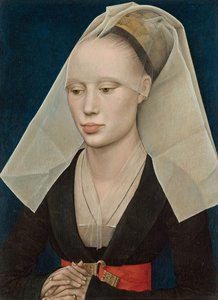
Rogier van der Weyden
1400 - 1464 , Belgium
Gyors információk
- Artistic Movement Or Style: Korai holland esztétika
- Artists Or Movements Influenced By This Artist: ['Olasz reneszánsza']
- Artists Who Influenced This Artist:
- Robert Campin
- Jan van Eyck
- Date Of Birth: c. 1400
- Date Of Death: 1464
- Full Name: Rogier van der Weyden
- Nationality: Belgium
- Notable Artworks:
- Keresztlevétel
- Lamentáció
- Elhelyezés
- Szent István
- Place Of Birth: Tournai, Belgium
Kapcsolódó cikkek
Robert Campin: Pioneering Realism & Spiritual Depth in Early Netherlandish Painting
Explore the revolutionary work of Robert Campin, a pioneer of Early Netherlandish painting. Discover his naturalistic style, religious symbolism in masterpieces like the Mérode Altarpiece, and lasting influence on art history.
A 10 legmélyebben spirituális érzelmeket ébresztő műalkotás – OriginalUniqueArt.com
Fedezze fel a 10 legmélyebben spirituális érzelmeket ébresztő műalkotást! Leonardo da Vinci, Monet és más mesterek klasszikus festményeinek története. Vászonképek online – OriginalUniqueArt.com kínálatában megtalálja otthona tökéletes dekorációját. Böngéssze a teljes gyűjteményt!

A Korai Németalföldi Festészet 10 Mesterműve: A Reneszánsz Kezdete a Vásznon
Fedezze fel a korai németalföldi festészet 10 legikonikusabb műalkotását! Ismerje meg Jan van Eyck, Bosch és más mesterek történetét, technikáit. Múzeumi minőségű reprodukciók a OriginalUniqueArt.com-on – inspirálja otthonát klasszikus festményekkel!
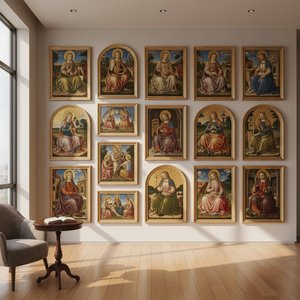
Fra Angelico Mesterek: A 25 Legszebb Műalkotás a Lelki Békeért – OriginalUniqueArt.com
Fedezze fel Fra Angelico 25 legszebb műalkotását! Reneszánsz festmények, angyalok és spirituális ikonfestészet a firenzei iskola mesterétől. Vásároljon exkluzív olajfestmény reprodukciókat otthonába a OriginalUniqueArt.com-on. Explore the full collection online!
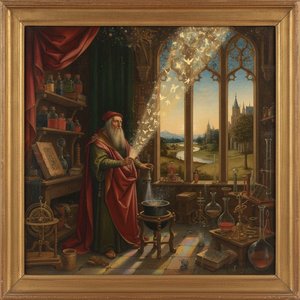
The Alchemy of Light: Discovering the Luminous Realism of Early Netherlandish Masters
Embark on a journey through the Northern Renaissance. Discover how Early Netherlandish masters revolutionized art through oil innovation, luminous realism, and profound symbolic depth. Explore the breathtaking technical brilliance of the Flemish masters.