

 Megtekintés
 Küldés
 Megosztás
 Részletek
 Útmutató

 Letöltés
 Hasonló darabok
 X-ray felvétel
 Diavetítés
 Statisztika
St Columba Altarpiece (left panel)
 Acrylic On Canvas
- WallArt
- Early Netherlandish Painting
 1455
1455 138.0 x 70.0 cm
 Alte Pinakothek
 Összes részlet megjelenítése
Szerezzen be nyomtatásra kész fájlt, amely messze túlmutat a webes előnézeten. Minden általunk értékesített digitális kép az adatbázisunkban található nagy felbontású mesterfájlból származik – általában 5 000 és 15 000 pixel szélességű –, így magabiztosan nyomtathat nagy méretben, sokat vághat a képen, vagy reprodukálhatja a legfinomabb részleteket is.
Stúdiómból egyetlen fájl sem távozik feltartózkodás nélkül. Egy digitális szakértő az eredeti festménnyel összehasonlítja a színeket, és szükség esetén korrigálja azokat, majd professzionális retuszáló eszközökkel javítja a tisztaságot és a részletgazdagságot — miközben mindig hű marad a művész vonalvezetéséhez és stílusához. Az eredmény egy olyan kép, amely úgy néz ki, mint egy festmény, és nem úgy, mint egy szűrőzött szkenn.
A végső munka befejezése előtt jóvá kell hagynia a képet: szakértőnk 72 órán belül elküldi azt e-mailben ellenőrzésre. Nem tetszett? Kérhet javításokat vagy korrekciókat, illetve visszatérítést kérhet, amennyiben a minőség nem felel meg az elvárásoknak.
Ez az a minőség, amelyre a kiadók, a design stúdiók, a galériák és a nyomdaték megbízhatnak.
Digitális kép
Töltsön le nagy felbontású fájlt személyes kiállításokhoz, nyomtatáshoz és kreatív projektekhez. ( Váltás nyomtatványra Kézzel festett másolat rendelése)
Minden digitális kép rendeléséhez tartozó extrák
Szakértői digitális kézbesítés, garantáltan
Amikor a OriginalUniqueArt.com szolgáltatást választja, nem csupán egy képet kap – professzionálisan felmagasított digitális műalkotást kap, amely precizitással készült, és amelyet megelégsedési gwarancia tesz biztoslássá. Az alábbiakban automatikusan minden benne 】

Gyors e-mail teslimítés
A nagy felbontású digitális képmásolatát a megrendelést követő 72 órán belül e-mailben elküldjük Önnek – azonnal használható formátumban.

MI-alapú digitális fájljavítás
Műve professzionális módon kerül optimalizálásra fejlett mesterséges intelligencia eszközök és manuális szerkesztés segítségével, biztosítva a maximális részletességet, tisztaságot és színpontosságot.

Örök életű ingyenes újradelivery
Véletlenül törölted vagy elvesztetted a fájlodat? Ne aggódj – bármikor ingyen újra megküldjük neked.

Nincs importköltség – soha
Élvezze műalkotásait azonnal, vám, illeték vagy szállítási költség nélkül – a digitális letöltések mindig adamentesek.

Színpontosság garantálása
Professzionális eszközök és színkezelés segítségével garantáljuk, hogy digitális képe a lehető legpontosabban tükrözze az eredeti színeket.

100 napos elégedettségi garancia
Ha nemມີ elégedett a digitális képével, 100 napon belül felülvizsgáljuk vagy 100% visszatérítjük az amountot – kérdés बिना.

100% Pénzvisszatérítési garancia
Nem tetszett a vásárlás? 100 napon belül teljes visszatérítést garantálunk a digitális fájl megvételétől számítva – kérdés nélkül.

Tömegrendelési kedvezmények
Vásároljon 3 képet, spóroljon 10%-et - Vásároljon 5-öt, spóroljon 15%-et - Vásároljon 10+ képet, spóroljon 20%-at. Kiváló kreatív projektekhez, galériákhoz és ügynökségekhez.
A Moment of Serenity: Rogier van der Weyden’s St Columba Altarpiece – Left Panel
The left panel of Rogier van der Weyden's 1455 *St. Columba Altarpiece* is not merely a depiction of a biblical scene; it’s an immersion into a carefully constructed world of piety, grace, and the burgeoning humanist ideals of the early fifteenth century. Van der Weyden, a master of emotional realism and technical precision, crafted this panel with a dedication to detail that anticipates the Renaissance, imbuing every fold of fabric, every expression on a face, with an almost palpable sense of life. The scene unfolds within a richly appointed chamber, bathed in diffused light – a hallmark of Van der Weyden’s masterful use of *chiaroscuro*, creating dramatic contrasts and drawing the viewer's eye to the central figures.
- The Figures: At the heart of the composition stands St. Columba, depicted as a young man, radiating an aura of quiet authority and serene contemplation. He’s not presented in grand, heroic poses; instead, he embodies a gentle humility, his gaze directed inward, suggesting a deep spiritual connection. Beside him, two angelic musicians – likely playing violins or lutes, instruments gaining popularity during this period – contribute to the atmosphere of peaceful devotion. Their youthful appearance and attentive gestures further reinforce the theme of renewal and divine grace.
- The Bed: The presence of a bed, draped in vibrant red curtains, is significant. This isn’t simply a domestic detail; it represents the scene's core narrative – Columba’s arrival in Ireland, where he famously baptized Lindisfarne’s King Oswald and converted pagan tribes to Christianity. The bed symbolizes the place of healing, both physical and spiritual, where Columba offered solace and guidance.
A Symphony of Technique: Van der Weyden's Masterclass
Van der Weyden’s skill as a painter is immediately apparent in the meticulous rendering of textures and materials. The fabrics – the bed hangings, the garments worn by the figures – are depicted with an astonishing level of realism, achieved through layers of thin glazes applied to the oil paint. This technique, known as *verdener*, allowed Van der Weyden to create a shimmering surface that captured the play of light and shadow with breathtaking accuracy. Notice particularly the subtle variations in color within the drapery; each fold and pleat is rendered with painstaking detail, demonstrating his profound understanding of how light interacts with different materials.
Color Palette:** The panel’s palette leans towards rich, earthy tones – deep reds, browns, and golds – reflecting the opulent tastes of the Burgundian courts where Van der Weyden worked. These colors contribute to the overall sense of luxury and reverence associated with religious art during this period.Symbolism and Context: A Window into the 15th Century
The *St. Columba Altarpiece* is deeply rooted in the theological concerns of its time. St. Columba’s mission to Ireland represents a pivotal moment in Christian expansion, symbolizing the spread of faith and civilization. The inclusion of the angelic musicians adds another layer of meaning – they represent divine messengers and the harmony between humanity and God. Furthermore, the scene reflects the growing interest in humanism during the 15th century, as Van der Weyden sought to portray his subjects with psychological depth and emotional realism. This shift away from purely symbolic representations marked a significant step towards the more naturalistic style that would characterize the Renaissance.
Emotional Resonance: A Timeless Appeal
Despite its historical context, the *St. Columba Altarpiece* continues to resonate powerfully with viewers today. Van der Weyden’s ability to capture the quiet dignity and inner peace of St. Columba is profoundly moving. The scene evokes a sense of serenity and contemplation, inviting us to reflect on our own spiritual journeys. A reproduction of this exquisite panel offers a remarkable opportunity to bring this masterpiece into your home or office, allowing you to experience its beauty and emotional depth firsthand. OriginalUniqueArt’s hand-painted reproductions faithfully recreate Van der Weyden's artistry, ensuring that the spirit of this iconic work endures for generations to come.
Kérdések és válaszok
Melyik szín tűnik ki leginkább a(z) "St Columba Altarpiece (left panel)" alkotásból?
A „St Columba Altarpiece (left panel)”, Rogier van der Weyden alkotása domináns színe a Phthalo Green (#2f2224).
Hogyan egyensúlyozza a fényt és a sötétséget a "St Columba Altarpiece (left panel)"?
A „St Columba Altarpiece (left panel)”, Rogier van der Weyden alkotása rögzített értékei: shadow fényerő és Soft Shadow luminancia.
Ismertebb műalkotás a „St Columba Altarpiece (left panel)”, Rogier van der Weyden alkotása?
A „St Columba Altarpiece (left panel)”, Rogier van der Weyden alkotása népszerűségi szintje Recognized. Ez a besorolás azt tükrözi, mennyire ismert és elismert ez a mű.
Művész életrajza
A Master of Emotion: The Life and Legacy of Rogier van der Weyden
Rogier van der Weyden, known also as Roger de la Pasture, was a pivotal figure in the flourishing world of Early Netherlandish painting, born around 1400 in the vibrant city of Tournai, nestled within what is now Belgium. While details surrounding his early life remain somewhat elusive, it’s believed he initially honed his skills not with brush and pigment alone, but as a goldsmith – a training that instilled within him an unwavering dedication to meticulous detail and a refined sensibility for craftsmanship; qualities that would become hallmarks of his artistic style. The precision demanded by working with precious metals undoubtedly translated into the exquisite rendering of textures, fabrics, and expressions that define his masterpieces. He wasn’t merely depicting reality; he was recreating it with painstaking accuracy, imbued with an almost reverent attention to detail.From Tournai to Brussels: A Rising Star
By 1427, van der Weyden had ascended to the rank of master within the Guild of Saint Luke in Tournai – a significant turning point, solidifying his position as a professional artist and opening doors to important commissions. His ascent continued when he entered the service of Philip the Good, Duke of Burgundy, in 1435 – a patronage that would profoundly shape his career for the remainder of his life. Serving as court painter afforded him not only financial security but also access to an elite circle of influence and exposure to some of the most discerning eyes of the era. It was during this period that van der Weyden’s artistic vision truly began to mature, moving away from the somewhat rigid conventions of earlier Netherlandish painters towards a more emotionally resonant and naturalistic approach. He wasn't simply painting religious scenes; he was striving to evoke genuine feeling in the viewer, to create an experience that transcended mere observation. His compositions were highly influential, thanks in part to the standard workshop practices of the time, which often involved literally reusing the same drawn pattern in different works.The Language of Feeling: Style and Technique
Rogier van der Weyden’s artistic signature is immediately recognizable through several defining characteristics. His palette was remarkably rich and diverse, a vibrant tapestry of colors carefully chosen to avoid repetition and create depth and complexity within his compositions. He possessed an extraordinary ability to convey profound emotion – *pathos* – particularly in depictions of religious subjects like the Lamentation, where grief and sorrow are palpable. This emotional intensity wasn’t achieved through dramatic gestures or exaggerated expressions; rather, it was subtly woven into the very fabric of the painting, conveyed through delicate nuances of facial expression, body language, and composition. His figures, while adhering to the conventions of the time, demonstrate a growing interest in realistic representation – not just in anatomy and drapery, but also in capturing the psychological states of his subjects. They possess a dignified, almost sculptural quality, particularly evident in his grand triptychs, lending them an air of solemnity and reverence. He masterfully employed oil paint, building up layers of translucent glazes to achieve luminous effects and create a sense of depth and realism that was revolutionary for its time.Notable Works and Enduring Masterpieces
Throughout his prolific career, van der Weyden produced numerous works that stand as testaments to his artistic prowess. St Luke Drawing a Portrait of the Madonna, housed in the Museum of Fine Arts, Boston, showcases his mastery of oil on panel and meticulous observation. The Lamentation, residing in the Musée des Beaux-Arts Tournai, Belgium, is perhaps his most celebrated work – a powerfully emotive depiction of Christ’s mourning, renowned for its dramatic use of *chiaroscuro* and its ability to evoke profound sorrow in the viewer. Multiple versions of The Deposition exist, each demonstrating his skill in conveying grief and drama with breathtaking sensitivity. The Annunciation, a masterpiece of refined style and attention to detail, exemplifies his ability to imbue even the most traditional subjects with a sense of freshness and vitality. And finally, the intricate and richly detailed Bladelin Triptych stands as a monumental achievement – a complex altarpiece that showcases the full range of van der Weyden’s artistic abilities. These works, and many others, continue to captivate audiences today, solidifying his position as one of the most important painters of the 15th century.Lasting Influence: A Legacy Forged in Paint
Van der Weyden’s influence extended far beyond the borders of his native Flanders. His works were highly sought after throughout Europe, particularly in Italy and Spain, where they introduced a new level of emotional depth and naturalism to local artistic traditions. Although his fame experienced a period of relative decline in the 17th century, a rediscovery during the 19th century cemented his place as one of the most important painters of the 15th century. He stands alongside Jan van Eyck and Robert Campin as one of the “three great” Early Flemish masters, each contributing uniquely to the development of Northern Renaissance art. His innovative techniques and emotionally charged compositions paved the way for future generations of artists, inspiring countless imitators and influencing the course of Western painting for centuries to come. He helped establish oil painting as the dominant medium and elevated the status of the artist within society, transforming them from skilled craftsmen into revered creators. Rogier van der Weyden’s legacy continues to resonate today, a testament to his enduring genius and his profound understanding of the human condition.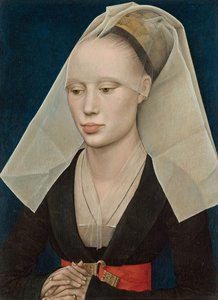
Rogier van der Weyden
1400 - 1464 , Belgium
Érmeradatok
- Artistic Movement Or Style: Korai holland esztétika
- Artists Or Movements Influenced By This Artist: ['Olasz reneszánsza']
- Artists Who Influenced This Artist:
- Robert Campin
- Jan van Eyck
- Date Of Birth: c. 1400
- Date Of Death: 1464
- Full Name: Rogier van der Weyden
- Nationality: Belgium
- Notable Artworks:
- Keresztlevétel
- Lamentáció
- Elhelyezés
- Szent István
- Place Of Birth: Tournai, Belgium