

 Megtekintés
 Küldés
 Megosztás
 Részletek

 Letöltés
 Hasonló darabok
 X-ray felvétel
 Diavetítés
Deposition (detail)


 Összes részlet megjelenítése
Vásároljon nagy felbontású, javított digitális képet, amely minőségében messze felülmúlja az online előnézetet.
Minden fájlt szakembereink a legmodernebb eszközök és precíz, kézi retusálás segítségével készítenek el aprólékosan. Gondoskodunk arról, hogy minden kép kivételes tisztasággal, pontos színhelyességgel és részletgazdag finomsággal rendelkezzen.
A végleges fájl 72 órán belül e-mailben megérkezik, professzionális, szerkesztői és nyomtatási környezetbe optimalizálva az azonnali használathoz. Ez ugyanaz a minőség, amelyben a legmeghatározóbb tervezőstúdiók, kiadók és galériák is megbízhatnak.
Digitális kép
Töltsön le nagy felbontású fájlt személyes kiállításokhoz, nyomtatáshoz és kreatív projektekhez. ( Nyomat rendelése Kézzel festett másolat rendelése)
Minden digitális kép rendeléséhez tartozó extrák
Szakértői digitális kézbesítés, garantáltan
Amikor a OriginalUniqueArt.com szolgáltatást választja, nem csupán egy képet kap – professzionálisan felmagasított digitális műalkotást kap, amely precizitással készült, és amelyet megelégsedési gwarancia tesz biztoslássá. Az alábbiakban automatikusan minden benne 】

Gyors e-mail teslimítés
A nagy felbontású digitális képmásolatát a megrendelést követő 72 órán belül e-mailben elküldjük Önnek – azonnal használható formátumban.

MI-alapú digitális fejlesztésű fájl
Műve professzionális módon kerül optimalizálásra fejlett mesterséges intelligencia eszközök és manuális szerkesztés segítségével, biztosítva a maximális részletességet, tisztaságot és színpontosságot.

Örök életű ingyenes újradelivery
Véletlenül törölted vagy elvesztetted a fájlodat? Ne aggódj – bármikor ingyen újra megküldjük neked.

Nincs importköltség – soha
Élvezze műalkotásait azonnal, vám, illeték vagy szállítási költség nélkül – a digitális letöltések mindig adamentesek.

Színpontosság garantálása
Professzionális eszközök és színkezelés segítségével garantáljuk, hogy digitális képe a lehető legpontosabban tükrözze az eredeti színeket.

60 napos elégedettségi garancia
Ha nemມີ elégedett a digitális képpel, 60 napon belül átmunkáljuk azt, vagy 100% visszatérítjük az amountot – kérdés nélkül.

100% Pénzvisszatérítési garancia
Nem érheted el a teljes elégedettséget? 60 napon belül teljes visszatérítést kapsz a digitális fájlod megérkezése után – kérdés nélkül.

Tömegrendelési kedvezmények
Vásároljon 3 képet, spóroljon 10%-et - Vásároljon 5-öt, spóroljon 15%-et - Vásároljon 10+ képet, spóroljon 20%-at. Kiváló kreatív projektekhez, galériákhoz és ügynökségekhez.
A gyűjtemény részletei
A Testament to Grief and Artistic Brilliance
Rogier van der Weyden’s *The Descent from the Cross*, completed around 1435, stands as arguably the most influential Netherlandish painting depicting Christ's crucifixion. Commissioned by the Leuven Schutterij guild – a brotherhood of crossbowmen – this monumental panel transcends mere representation; it embodies a profound emotional response to religious faith and exemplifies the zenith of Early Netherlandish artistic achievement.
- Artist: Rogier van der Weyden (c. 1400-1464)
- Date: c. 1435
- Location: Museo del Prado, Madrid
- Medium: Oil on panel
Style and Technique: Sculpted Surfaces and Vivid Color
Van der Weyden’s style is characterized by an unparalleled dedication to realism—a hallmark of the Northern Renaissance. He achieved this remarkable feat through meticulous observation and painstaking execution, employing techniques honed during his apprenticeship with Robert Campin. The painting's surfaces are sculpted with astonishing precision, mirroring the influence of Florentine sculpture, particularly Michelangelo Buonarroti’s David. This sculptural quality lends an almost palpable physicality to the figures depicted.
Furthermore, Van der Weyden utilized a vibrant palette dominated by reds, whites and blues—colors that were considered exceptionally luminous at the time. These hues weren't merely decorative; they served to heighten emotional impact and convey the solemn atmosphere of the funeral procession.
Historical Context: Patronage and Religious Reform
The Schutterij’s patronage reflects a broader trend toward civic engagement and religious fervor during the fifteenth century. Following the rediscovery of scholastic theology, artists like Van der Weyden sought to express theological concepts through visual imagery—a deliberate effort to communicate spiritual truths to their audience.
This painting aligns perfectly with the artistic sensibilities of its era, mirroring the stylistic innovations championed by Giovanni Antonio da Brescia and Joachim Patenier. It represents a pivotal moment in the evolution of European art, demonstrating the transformative power of humanist ideals combined with devout religious conviction.
Symbolism: The T-Shape and Emotional Resonance
The composition itself is laden with symbolic significance. Christ’s body is positioned in the T-shape of a crossbow—a deliberate reference to the Schutterij's emblem, signifying strength and righteousness. This gesture underscores the solemnity of the event and reinforces the painting’s overarching message: the triumph of faith over death.
As Erwin Panofsky famously observed, “It may be said that the painted tear, a shining pearl born of the strongest emotion, epitomizes that which Italians most admired in Early Flemish painting: pictorial brilliance and sentiment.” *The Descent from the Cross* continues to captivate viewers centuries later due to its masterful depiction of grief and its unwavering commitment to artistic excellence—a testament to Van der Weyden’s enduring legacy.
A művész életrajza
A Master of Emotion: The Life and Legacy of Rogier van der Weyden
Rogier van der Weyden, known also as Roger de la Pasture, was a pivotal figure in the flourishing world of Early Netherlandish painting, born around 1400 in the vibrant city of Tournai, nestled within what is now Belgium. While details surrounding his early life remain somewhat elusive, it’s believed he initially honed his skills not with brush and pigment alone, but as a goldsmith – a training that instilled within him an unwavering dedication to meticulous detail and a refined sensibility for craftsmanship; qualities that would become hallmarks of his artistic style. The precision demanded by working with precious metals undoubtedly translated into the exquisite rendering of textures, fabrics, and expressions that define his masterpieces. He wasn’t merely depicting reality; he was recreating it with painstaking accuracy, imbued with an almost reverent attention to detail.From Tournai to Brussels: A Rising Star
By 1427, van der Weyden had ascended to the rank of master within the Guild of Saint Luke in Tournai – a significant turning point, solidifying his position as a professional artist and opening doors to important commissions. His ascent continued when he entered the service of Philip the Good, Duke of Burgundy, in 1435 – a patronage that would profoundly shape his career for the remainder of his life. Serving as court painter afforded him not only financial security but also access to an elite circle of influence and exposure to some of the most discerning eyes of the era. It was during this period that van der Weyden’s artistic vision truly began to mature, moving away from the somewhat rigid conventions of earlier Netherlandish painters towards a more emotionally resonant and naturalistic approach. He wasn't simply painting religious scenes; he was striving to evoke genuine feeling in the viewer, to create an experience that transcended mere observation. His compositions were highly influential, thanks in part to the standard workshop practices of the time, which often involved literally reusing the same drawn pattern in different works.The Language of Feeling: Style and Technique
Rogier van der Weyden’s artistic signature is immediately recognizable through several defining characteristics. His palette was remarkably rich and diverse, a vibrant tapestry of colors carefully chosen to avoid repetition and create depth and complexity within his compositions. He possessed an extraordinary ability to convey profound emotion – *pathos* – particularly in depictions of religious subjects like the Lamentation, where grief and sorrow are palpable. This emotional intensity wasn’t achieved through dramatic gestures or exaggerated expressions; rather, it was subtly woven into the very fabric of the painting, conveyed through delicate nuances of facial expression, body language, and composition. His figures, while adhering to the conventions of the time, demonstrate a growing interest in realistic representation – not just in anatomy and drapery, but also in capturing the psychological states of his subjects. They possess a dignified, almost sculptural quality, particularly evident in his grand triptychs, lending them an air of solemnity and reverence. He masterfully employed oil paint, building up layers of translucent glazes to achieve luminous effects and create a sense of depth and realism that was revolutionary for its time.Notable Works and Enduring Masterpieces
Throughout his prolific career, van der Weyden produced numerous works that stand as testaments to his artistic prowess. St Luke Drawing a Portrait of the Madonna, housed in the Museum of Fine Arts, Boston, showcases his mastery of oil on panel and meticulous observation. The Lamentation, residing in the Musée des Beaux-Arts Tournai, Belgium, is perhaps his most celebrated work – a powerfully emotive depiction of Christ’s mourning, renowned for its dramatic use of *chiaroscuro* and its ability to evoke profound sorrow in the viewer. Multiple versions of The Deposition exist, each demonstrating his skill in conveying grief and drama with breathtaking sensitivity. The Annunciation, a masterpiece of refined style and attention to detail, exemplifies his ability to imbue even the most traditional subjects with a sense of freshness and vitality. And finally, the intricate and richly detailed Bladelin Triptych stands as a monumental achievement – a complex altarpiece that showcases the full range of van der Weyden’s artistic abilities. These works, and many others, continue to captivate audiences today, solidifying his position as one of the most important painters of the 15th century.Lasting Influence: A Legacy Forged in Paint
Van der Weyden’s influence extended far beyond the borders of his native Flanders. His works were highly sought after throughout Europe, particularly in Italy and Spain, where they introduced a new level of emotional depth and naturalism to local artistic traditions. Although his fame experienced a period of relative decline in the 17th century, a rediscovery during the 19th century cemented his place as one of the most important painters of the 15th century. He stands alongside Jan van Eyck and Robert Campin as one of the “three great” Early Flemish masters, each contributing uniquely to the development of Northern Renaissance art. His innovative techniques and emotionally charged compositions paved the way for future generations of artists, inspiring countless imitators and influencing the course of Western painting for centuries to come. He helped establish oil painting as the dominant medium and elevated the status of the artist within society, transforming them from skilled craftsmen into revered creators. Rogier van der Weyden’s legacy continues to resonate today, a testament to his enduring genius and his profound understanding of the human condition.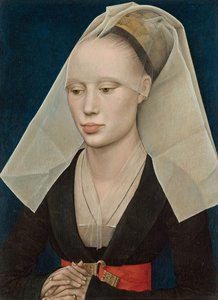
Rogier van der Weyden
1400 - 1464 , Belgium
Érdekességek
- Artistic Movement Or Style: Korai holland esztétika
- Artists Or Movements Influenced By This Artist: ['Olasz reneszánsza']
- Artists Who Influenced This Artist:
- Robert Campin
- Jan van Eyck
- Date Of Birth: c. 1400
- Date Of Death: 1464
- Full Name: Rogier van der Weyden
- Nationality: Belgium
- Notable Artworks:
- Keresztlevétel
- Lamentáció
- Elhelyezés
- Szent István
- Place Of Birth: Tournai, Belgium

