Megtekintés
 Küldés
 Megosztás
 Részletek
 Útmutató

 Letöltés
 Hasonló darabok
 X-ray felvétel
 Diavetítés
 Q&A
Q&A Statisztika
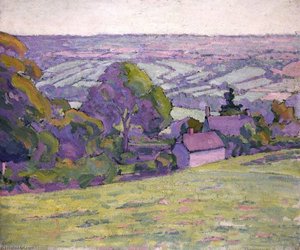
The Green Coat
 Oil On Canvas
- WallArt
- Fauvism
 1916
1916- Modern
 56.0 x 46.0 cm
 Összes részlet megjelenítése
Giclée / Műnyomat
Múzeumi minőségű giclée vagy vászonnyomat, gyors gyártással és rugalmas finomítási lehetőségekkel. ( Kézzel festett másolat rendelése Áttérés digitális képre)




P118B Ft10

P118H Ft10

P118W Ft10

P438Z Ft10

P508JH Ft12

P508YH Ft12

P805H Ft10

P805Z Ft10

P919BZ Ft10

P919G Ft10

P919XJ Ft10

P959ZH Ft10

P968JZ Ft12

W106C Ft8

W218G Ft10

W218JH Ft8

W218Y Ft10

W307PJ Ft10

W316G Ft10

W316PJ Ft8

W316Y Ft10

W398PJ Ft8

W4111J Ft10

W500HY Ft15

W500JH Ft15

W692G Ft12

W849H Ft8

W940BG Ft15

W953PJ Ft8




Válasszon előre meghatározott méreteink közül, amelyek megfelelnek a műalkotás eredeti arányainak.

Írja be a keretének vagy a falának megfelelő szélességet és magasságot. A nyomatot csak le lehet vágni, soha nem tehető nagyobbá, mint az eredeti kép, így egy eltérő alakú méretnél a kép egy része elveszik. Mielőtt bármit kinyatintanánk, küldünk egy digitális próbamodellt jóváhagyásra. Az oldalon látható kép nem tartalmazza a valós levágást — ezt csak a próbamodell mutatja meg.
Világszerte történő kiszállítás területére mindössze 2 hét alatt, a szokásos 4-5 hét helyett. (30 október)

Ingyenes globális expressz szállítás

Prémium minőségű len vászon

Teljes körű szállítási biztosítás

Vámvisszatérítési Garancia

Hiteles színarányosság garancia

100 napos visszaküldési lehetőség (csak hibás termékek esetén)

100% pénzvisszatérítési garancia

Több darab vásárlásakor kedvezmény
 Az üvegkeretes opció csak 110 cm alatti méretben érhető el

The Green Coat
Giclée / Műnyomat
Reprodukció mérete
-


Összesített ár
Ft 26157
Artist Background
Robert Bevan was a British artist known for his contributions to the development of modern art in the UK. His work is characterized by its simplicity and elegance, often featuring everyday objects and scenes. Bevan's style is reminiscent of other notable artists, such as Kazimir Severinovich Malevich, who was a pioneer of the Cubism movement. You can find more information about Malevich's work on OriginalUniqueArt.com.The Painting's Significance
The Green Coat is a significant piece in Bevan's oeuvre, as it showcases his ability to create complex and thought-provoking works using simple compositions. The painting features a range of bold colors and intricate details, making it a standout piece in any collection. You can find similar paintings by Bevan on OriginalUniqueArt.com, including his notable work Under the Hammer.- The painting is a great example of Bevan's use of color and composition to create a sense of depth and atmosphere.
- The inclusion of the bird perched on the back of the chair adds a touch of whimsy and playfulness to the piece.
- The Green Coat is a testament to Bevan's skill as an artist and his ability to create complex and thought-provoking works using simple compositions.
The Green Coat is a captivating painting that showcases Robert Bevan's unique style and technique. Its significance lies in its ability to create a sense of depth and atmosphere using simple compositions, making it a standout piece in any collection.
Kérdések és válaszok
Mely művészeti irányba és mely korszakba sorolható a „The Green Coat”, Robert Polhill Bevan alkotása?
A „The Green Coat”, Robert Polhill Bevan alkotása a Fauvism irányzat alkotása, mely alkotójának 19. század korszakából származik.
Milyen más nevét vagy álneveit használ még Robert Polhill Bevan?
Robert Polhill Bevan más néven is ismert: Robert Bevan.
Hol vásárolhatom meg „The Green Coat”, Robert Polhill Bevan alkotása digitális képét?
A "The Green Coat" elérhető magas felbontású digitális kép letöltése formátumban, amelyet közvetlenül a Digitális alkotás oldalon vásárolhat meg.
A művész életrajza
Robert Polhill Bevan (1865–1925): British painter & Camden Town Group founder
Robert Polhill Bevan, born in Hove in 1865, occupies a pivotal yet often understated position within the narrative of early 20th-century British art. Emerging from a Quaker background steeped in banking connections – his parents were Richard Alexander Bevan and Laura Maria Polhill – he defied conventional expectations to become a daring innovator, a key figure in the transition from Impressionism towards more radical explorations of color and form. His journey was one of constant experimentation, absorbing influences from across Europe while forging a distinctly personal artistic vision that would profoundly impact the development of modern art in Britain. Bevan’s early education at Westminster School of Art under Fred Brown provided a solid foundation, but it was his subsequent studies at the Académie Julian in Paris that truly ignited his creative spark. There, he encountered a constellation of rising stars – Paul Sérusier, Pierre Bonnard, Édouard Vuillard, and Maurice Denis – artists who were challenging academic conventions and embracing new approaches to painting. These encounters proved formative, exposing Bevan to the principles of synthetism and laying the groundwork for his future explorations.Brittany, Fauvism, and the Search for Pure Color
The impact of Brittany on Bevan’s artistic development cannot be overstated. Two significant journeys in 1890 and 1891 immersed him in the atmosphere of Pont-Aven, a small coastal town that had become a magnet for artists seeking an alternative to Parisian salon culture. The bold colors and simplified forms championed by artists like Gauguin resonated deeply with Bevan, influencing his early drawings and prints. He was particularly drawn to the luminous landscapes of Breton Brittany, where he sought inspiration from the Impressionists’ techniques. However, it was around 1904 that Bevan truly began to distinguish himself, embarking on a path of experimentation with pure color that anticipated the emergence of Fauvism on the continent. His painting “Courtyard” stands as a remarkable example of this proto-Fauvist approach, demonstrating a willingness to abandon naturalistic representation in favor of expressive chromatic intensity – a boldness that set him apart from many of his British contemporaries. This exploration didn’t remain static; Bevan subsequently adopted a divisionist or pointillist technique, evident in works like “Ploughing on the Downs” and “The Turn-Rice Plough,” showcasing his commitment to exploring different methods of applying color and capturing light. The influence of masters such as Velázquez and Goya remained palpable, alongside more immediate guidance from Renoir regarding the depiction of horses – a testament to Bevan’s broad artistic curiosity and willingness to learn from diverse sources.Collective Visions: The Camden Town Group and Beyond
Bevan was not an artist who worked in isolation. He actively sought connection with like-minded individuals, playing a crucial role in the formation of several influential art groups. As a founding member of the Camden Town Group, he joined forces with artists determined to depict modern urban life and challenge established artistic norms. This collective spirit extended to his involvement with the London Group and the Cumberland Market Group, further demonstrating his commitment to progressive artistic movements. He was particularly drawn to Walter Sickert’s Fitzroy Street group, where he collaborated on ambitious projects exploring social commentary and psychological depth. These affiliations were not merely social; they fostered a dynamic exchange of ideas that shaped Bevan's artistic trajectory and contributed to the broader evolution of British art.Landscapes, Urban Scenes, and Lasting Legacy
Bevan’s oeuvre is characterized by a profound engagement with both rural and urban environments. His landscapes – particularly those depicting the Blackdown Hills near Clayhidon in Devon – are imbued with an atmospheric sensitivity that captures the subtle nuances of light and color. Works like “In the Downs Near Lewes,” “The Chestnut Tree,” and “Landscape in the Blackdown Hills, Devon” exemplify this mastery, showcasing his ability to convey both the physical beauty and emotional resonance of the natural world. Simultaneously, Bevan documented the realities of modern life through urban scenes – notably “The Cab Horse,” which portrays a horse-drawn cab traversing London’s streets—demonstrating an awareness of social issues and a desire to engage viewers in contemplation. His artistic legacy extends far beyond his individual paintings; he is rightfully recognized as a pioneer of British Modernism, particularly for his early adoption of Fauvist principles and his unwavering dedication to exploring innovative techniques. Bevan's influence on subsequent generations of painters is undeniable, cementing his place as one of the most important figures in shaping the visual culture of Britain at the dawn of the twentieth century. He remains a vital figure for understanding the complex evolution of British painting in the early twentieth century
Robert Polhill Bevan
1865 - 1925 , Egyesült Királyság
Rövid információk
- Artistic Movement Or Style: Fauvizm, Szegénység
- Artists Or Movements Influenced By This Artist: ['Camden Town csoport']
- Artists Who Influenced This Artist:
- Paul Gauguin
- Velázquez
- Goya
- Date Of Birth: 1865
- Date Of Death: 1925
- Full Name: Robert Polhill Bevan
- Nationality: Brit
- Notable Artworks:
- A Falusi Háztartás
- Szántóföldi Szántó
- A Nagyvárosi Táblák
- Place Of Birth: Hove, Egyesült Királyság
Kapcsolódó cikkek

Oil on Canvas: A Historical & Technical Exploration of a Timeless Artistic Medium
Explore the rich history & enduring techniques of oil painting on canvas. Discover the science behind its longevity, conservation practices, and contemporary relevance. Expert insights for art enthusiasts.

The Enduring Legacy of Oil on Canvas: Technique, History & Aesthetic Impact
Explore the rich history & techniques of oil painting – from Renaissance masters to Impressionism. Discover pigments, layering methods, and why this timeless medium endures. Expert insights for artists & art enthusiasts.
Verdant Visions: Exploring the Symbolism & Aesthetic Impact of Green in Art History
Explore the rich history & symbolism of green in art! Discover iconic paintings, techniques, and how to bring verdant harmony into your home with OriginalUniqueArt's expert guide.
A Kadmiumzöld Mesterei: 10 Híres Festmény, Amelyek Meghódították a Világot
Fedezze fel a 10 legikonikusabb kadmiumzöld festményt! Monet, Renoir, Van Gogh és más mesterek művei inspirálnak. Vászonképek, reprodukciók, otthon dekoráció – OriginalUniqueArt.com kínálatában megtalálja álmai alkotásait. Explore the full collection online!
A krómzöld festmények világa: 10 ikonikus műalkotás a lakberendezésben
Fedezze fel a krómzöld festmények lenyűgöző világát! 10 ikonikus műalkotás – Monet, Van Gogh és más mesterek kezeként. Inspirálódjon lakberendezéshez, és vásároljon minőségi reprodukciókat a OriginalUniqueArt.com-on.