 Előnézet
 Megosztás
 Megosztás
 Részletek
 Útmutató

 Letöltés
 Hasonló darabok
 X-ray felvétel
 Diavetítés
 Statisztika
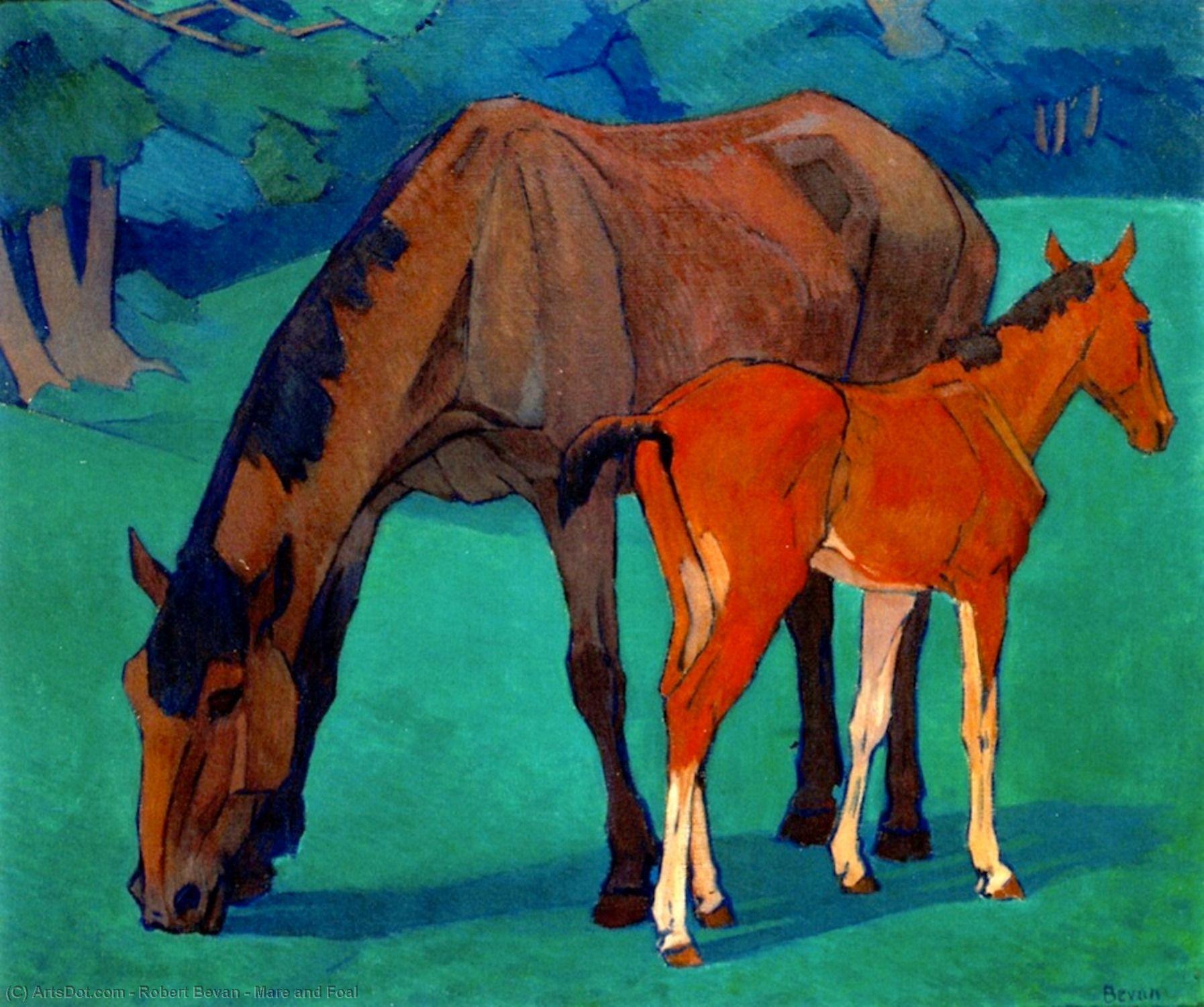
Mare and Foal
 Oil On Canvas
- WallArt
- Post-Impressionism
 1917
1917- Modern
 56.0 x 66.0 cm
 Tovább olvasom
Giclée / Műnyomat
Múzeumi minőségű giclée vagy vászonnyomat, gyors gyártással és rugalmas finomítási lehetőségekkel. ( Kézzel festett másolat vásárlása Áttérés digitális képre)




P118B $10

P118H $10

P118W $10

P438Z $10

P508JH $12

P508YH $12

P805H $10

P805Z $10

P919BZ $10

P919G $10

P919XJ $10

P959ZH $10

P968JZ $12

W106C $8

W218G $10

W218JH $8

W218Y $10

W307PJ $10

W316G $10

W316PJ $8

W316Y $10

W398PJ $8

W4111J $10

W500HY $15

W500JH $15

W692G $12

W849H $8

W940BG $15

W953PJ $8




Válasszon előre meghatározott méreteink közül, amelyek megfelelnek a műalkotás eredeti arányainak.

Megadhat saját méreteket is egy konkrét kerethez vagy helyszínhez igazítva. Amennyiben a kiválasztott méret nem egyezik az eredeti kép arányokkal, a műalkotást le fogjuk vágni, vagy kiegészítjük a képet tükrözött vagy egyszínű szélekkel. A gyártás megkezdése előtt egy digitális tervezetet küldünk jóváhagyásra.
Kérjük, vegye figyelembe, hogy a képernyőn látható előnézet nem tükrözi a tényleges levágást vagy kiegészítést. Csak a tervezet mutatja pontosan a végső kompozíciót.
Bár az egyedi méretek is elérhetőek, az eredeti arányok megőrzése érdekében azt javasoljuk, hogy válasszon a előre meghatározott listából származó méretet.
Világszerte történő kiszállítás területére mindössze 2 hét alatt, a szokásos 4-5 hét helyett. (26 szeptember)

Ingyenes globális expressz szállítás

Prémium minőségű len vászon

Teljes körű szállítási biztosítás

Vámvisszatérítési Garancia

Tökéletes színarányosság garancia

100 napos visszaküldési garancia (csak gyártási hibás termékek esetén)

100% pénzvisszatérítési garancia

Több darab vásárlásakor kedvezmény
 Az üvegkeretes opció csak 110 cm alatti méretben érhető el

Mare and Foal
Giclée / Műnyomat
Reprodukció méretei
-


Összesített ár
$ 80
A Tender Encounter in Color and Light
In the quietude of 1917, amidst a world often defined by upheaval, Robert Polhill Bevan captured a moment of profound stillness and maternal grace in his masterpiece, Mare and Foal. This exquisite oil on canvas serves as more than just a pastoral scene; it is an intimate window into the heartbeat of the natural world. The composition centers on the tender bond between a mother horse and her young offspring, positioned with a delicate proximity that suggests a shared breath. As the foal nuzzles against its mother, the viewer is drawn into a sanctuary of peace, where the boundaries between animal and environment seem to dissolve into a singular, harmonious existence.
The painting’s strength lies in its ability to evoke emotion through the masterful application of color and texture. Bevan, a pioneer of British Modernism, moves beyond mere representation to embrace a more expressive language. His use of bold brushstrokes lends a rhythmic vitality to the grass and the sturdy forms of the horses, while his palette—rich with vivid, sun-drenched tones—breathes life into the landscape. The three trees rising in the background do not merely provide depth; they act as silent sentinels, framing the central figures and grounding the scene in a sense of timelessness and permanence.
The Mastery of Modernist Technique
To observe Mare and Foal is to witness the intersection of Impressionist light and the burgeoning energy of early 20th-century modernism. Bevan’s technique, honed during his transformative years in Paris, allows him to manipulate the medium of oil on canvas to achieve a remarkable level of luminosity. The way light dances across the coats of the horses and filters through the surrounding greenery demonstrates a sophisticated understanding of shadow and atmosphere. This interplay of light creates a tactile quality, where one can almost feel the softness of the foal's coat and the sturdy weight of the mare.
For the discerning collector or interior designer, this piece offers a rare balance of structural strength and emotional warmth. The painting’s composition is balanced yet dynamic, making it an ideal focal point for spaces that require a sense of calm sophistication. Unlike more chaotic modern works, Bevan’s approach in this period retains a classical reverence for subject matter while utilizing a contemporary, expressive hand. It is a work that invites the eye to linger, rewarding repeated viewings with new discoveries of color nuance and textural depth.
A Timeless Legacy for the Modern Interior
Beyond its aesthetic brilliance, Mare and Foal carries a symbolic weight that resonates across generations. The theme of maternal protection and the innocence of youth are universal, making the artwork deeply relatable to any viewer. In an era where art is often used to define the character of a home, this reproduction offers an infusion of serenity and organic beauty. It brings the restorative power of nature indoors, acting as a bridge between the wild, untamed world and the curated elegance of a contemporary living space.
Whether placed in a sunlit gallery or a quiet study, the painting serves as a testament to the enduring power of the natural bond. It stands alongside the works of great innovators like Picasso and Repin, not merely as a depiction of animals, but as an exploration of life's most fundamental rhythms. For those seeking to invest in art that inspires contemplation and provides a sense of groundedness, Bevan’s 1917 triumph remains an incomparable choice—a soulful fragment of history captured in vibrant, everlasting oil.
A művész életrajza
Robert Polhill Bevan (1865–1925): British painter & Camden Town Group founder
Robert Polhill Bevan, born in Hove in 1865, occupies a pivotal yet often understated position within the narrative of early 20th-century British art. Emerging from a Quaker background steeped in banking connections – his parents were Richard Alexander Bevan and Laura Maria Polhill – he defied conventional expectations to become a daring innovator, a key figure in the transition from Impressionism towards more radical explorations of color and form. His journey was one of constant experimentation, absorbing influences from across Europe while forging a distinctly personal artistic vision that would profoundly impact the development of modern art in Britain. Bevan’s early education at Westminster School of Art under Fred Brown provided a solid foundation, but it was his subsequent studies at the Académie Julian in Paris that truly ignited his creative spark. There, he encountered a constellation of rising stars – Paul Sérusier, Pierre Bonnard, Édouard Vuillard, and Maurice Denis – artists who were challenging academic conventions and embracing new approaches to painting. These encounters proved formative, exposing Bevan to the principles of synthetism and laying the groundwork for his future explorations.Brittany, Fauvism, and the Search for Pure Color
The impact of Brittany on Bevan’s artistic development cannot be overstated. Two significant journeys in 1890 and 1891 immersed him in the atmosphere of Pont-Aven, a small coastal town that had become a magnet for artists seeking an alternative to Parisian salon culture. The bold colors and simplified forms championed by artists like Gauguin resonated deeply with Bevan, influencing his early drawings and prints. He was particularly drawn to the luminous landscapes of Breton Brittany, where he sought inspiration from the Impressionists’ techniques. However, it was around 1904 that Bevan truly began to distinguish himself, embarking on a path of experimentation with pure color that anticipated the emergence of Fauvism on the continent. His painting “Courtyard” stands as a remarkable example of this proto-Fauvist approach, demonstrating a willingness to abandon naturalistic representation in favor of expressive chromatic intensity – a boldness that set him apart from many of his British contemporaries. This exploration didn’t remain static; Bevan subsequently adopted a divisionist or pointillist technique, evident in works like “Ploughing on the Downs” and “The Turn-Rice Plough,” showcasing his commitment to exploring different methods of applying color and capturing light. The influence of masters such as Velázquez and Goya remained palpable, alongside more immediate guidance from Renoir regarding the depiction of horses – a testament to Bevan’s broad artistic curiosity and willingness to learn from diverse sources.Collective Visions: The Camden Town Group and Beyond
Bevan was not an artist who worked in isolation. He actively sought connection with like-minded individuals, playing a crucial role in the formation of several influential art groups. As a founding member of the Camden Town Group, he joined forces with artists determined to depict modern urban life and challenge established artistic norms. This collective spirit extended to his involvement with the London Group and the Cumberland Market Group, further demonstrating his commitment to progressive artistic movements. He was particularly drawn to Walter Sickert’s Fitzroy Street group, where he collaborated on ambitious projects exploring social commentary and psychological depth. These affiliations were not merely social; they fostered a dynamic exchange of ideas that shaped Bevan's artistic trajectory and contributed to the broader evolution of British art.Landscapes, Urban Scenes, and Lasting Legacy
Bevan’s oeuvre is characterized by a profound engagement with both rural and urban environments. His landscapes – particularly those depicting the Blackdown Hills near Clayhidon in Devon – are imbued with an atmospheric sensitivity that captures the subtle nuances of light and color. Works like “In the Downs Near Lewes,” “The Chestnut Tree,” and “Landscape in the Blackdown Hills, Devon” exemplify this mastery, showcasing his ability to convey both the physical beauty and emotional resonance of the natural world. Simultaneously, Bevan documented the realities of modern life through urban scenes – notably “The Cab Horse,” which portrays a horse-drawn cab traversing London’s streets—demonstrating an awareness of social issues and a desire to engage viewers in contemplation. His artistic legacy extends far beyond his individual paintings; he is rightfully recognized as a pioneer of British Modernism, particularly for his early adoption of Fauvist principles and his unwavering dedication to exploring innovative techniques. Bevan's influence on subsequent generations of painters is undeniable, cementing his place as one of the most important figures in shaping the visual culture of Britain at the dawn of the twentieth century. He remains a vital figure for understanding the complex evolution of British painting in the early twentieth century
Robert Polhill Bevan
1865 - 1925 , Egyesült Királyság
Gyors információk
- Artistic Movement Or Style: Fauvizm, Szegénység
- Artists Or Movements Influenced By This Artist: ['Camden Town csoport']
- Artists Who Influenced This Artist:
- Paul Gauguin
- Velázquez
- Goya
- Date Of Birth: 1865
- Date Of Death: 1925
- Full Name: Robert Polhill Bevan
- Nationality: Brit
- Notable Artworks:
- A Falusi Háztartás
- Szántóföldi Szántó
- A Nagyvárosi Táblák
- Place Of Birth: Hove, Egyesült Királyság
Kapcsolódó cikkek

The Equine Muse: A Historical & Artistic Exploration of Horses in Painting
Explore the captivating history of horses in painting! Discover Renaissance masterpieces, Baroque grandeur & expert insights for collecting equestrian art. Learn about symbolism, techniques & lasting value with OriginalUniqueArt.

Merész Művészet: 10 Klasszikus Kép, Amik Bátorítanak és Inspirálnak – OriginalUniqueArt.com
Fedezze fel a 10 legmerészebb műalkotást! Van Gogh, Munch és Picasso remekművei inspirálnak. Expresszionizmus, absztrakt festmények – online képkereső és minőségi reprodukciók a OriginalUniqueArt.com-on. Otthoni dekorációhoz vagy művészeti gyűjteményébe! Fedezze fel az összes mesterművet a OriginalUniqueArt.com oldal
The Noble Steed: A Historical and Artistic Exploration of Horses in Fine Art
Explore the rich history of horses in fine art! From ancient depictions to Renaissance masterpieces & beyond, discover iconic artworks and artists. Learn about symbolism, techniques, and find museum-quality reproductions at OriginalUniqueArt.
The Noble Steed on Canvas: A Historical & Artistic Exploration of Horse Painting Across Cultures
Explore the rich history of horse painting! Discover masterpieces from Stubbs to Munnings & learn about symbolism, techniques & artists. Find museum-quality reproductions at OriginalUniqueArt.
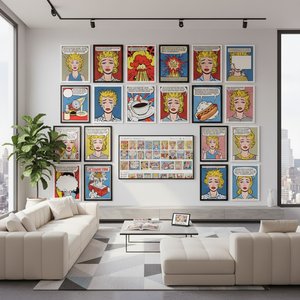
Roy Lichtenstein 25 Mesterműve: Pop Art ikonok a faladra | OriginalUniqueArt
Fedezze fel Roy Lichtenstein 25 legikonikusabb művét! Ismerje meg a pop art forradalmár festményeit, technikáit és inspirációit. Vászonképek, faliképek – magas minőségben a OriginalUniqueArt.com-on. Explore the full collection online!