Menü
Text size

() ·

A painting made for you, by hand

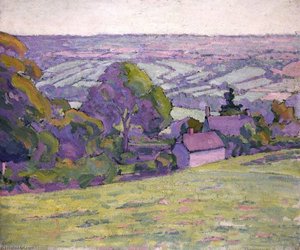
Egy Devonshire Völgye, Szám 1

Kézzel készített olajfestmény reprodukció

Kézzel festett olajvastú vászon, az Ön által választott méretben és keretben, művészeink készítik meglévőre. ( Váltás nyomtatványra Áttérés digitális képre)

A gyűjtemény leírása

Robert Polhill Bevan ikonikus tájképe Devonshire Völgyének, melyet színes Fauvist művészet befolyásával alkotott meg 1913-ban. Fedezd fel a Camden Town csoport alapítója művészi világát!

A művész életrajza

Robert Polhill Bevan (1865-1925): Britischer Maler und Gründer der Camden Town Gruppe. Pionier des Fauvismus, bekannt für lebendige Landschaftsbilder und Szenen des Alltagsliebes.

from ·

Chapter 1

How large should it be?

Slide to change the size; the picture on the left shows the frame at its real width. The proportions of the original are kept.

Standard méret
egyedi méretű
CM
INCH

Válasszon előre meghatározott méreteink közül, amelyek megfelelnek a műalkotás eredeti arányainak.

szélesség
magasság

Írja be a kívánt szélességet és magasságot, hogy illeszkedjen a keretéhez vagy a falához. Mivel ez kézzel festett alkotás, egy eltérő formájú méret esetén a művész akár festhet is valamivel többet a kép körül, vagy korolathat is belőle — az Ön döntésének megfelelően. A festés megkezdése előtt küldünk egy digitális tervezetet jóváhagyásra. Az oldalon látható kép nem tartalmazza a végeredményt — csak a tervezet mutatja meg a valódi eredményt.

Chapter 2

How should it arrive?

Choose the edges of the stretched canvas

Choose your frame

Corner sample of the WhiteWrap canvas edge finish, stretched on tömörfa bars
White Ft1
Corner sample of the BlurSideWrap canvas edge finish, stretched on tömörfa bars
Blurside Ft1
Corner sample of the ExtendedWrap canvas edge finish, stretched on tömörfa bars
Extended Ft1
Corner sample of the P118B picture frame: formázott polisztirol, 5 cm wide and 3 cm thick
P118B Ft10
Corner sample of the P118H picture frame: formázott polisztirol, 5 cm wide and 3 cm thick
P118H Ft10
Corner sample of the P118W picture frame: formázott polisztirol, 5 cm wide and 3 cm thick
P118W Ft10
Corner sample of the P438Z picture frame: formázott polisztirol, 5.5 cm wide and 3.5 cm thick
P438Z Ft10
Corner sample of the P508JH picture frame: formázott polisztirol, 7 cm wide and 3.5 cm thick
P508JH Ft12
Corner sample of the P508YH picture frame: formázott polisztirol, 7 cm wide and 3.5 cm thick
P508YH Ft12
Corner sample of the P805H picture frame: formázott polisztirol, 5 cm wide and 3.5 cm thick
P805H Ft10
Corner sample of the P805Z picture frame: formázott polisztirol, 5 cm wide and 3.5 cm thick
P805Z Ft10
Corner sample of the P919BZ picture frame: formázott polisztirol, 7 cm wide and 3.5 cm thick
P919BZ Ft10
Corner sample of the P919G picture frame: formázott polisztirol, 7 cm wide and 3.5 cm thick
P919G Ft10
Corner sample of the P919XJ picture frame: formázott polisztirol, 7 cm wide and 3.5 cm thick
P919XJ Ft10
Corner sample of the P959ZH picture frame: formázott polisztirol, 5 cm wide and 3 cm thick
P959ZH Ft10
Corner sample of the P968JZ picture frame: formázott polisztirol, 6 cm wide and 4 cm thick
P968JZ Ft12
Corner sample of the W106C picture frame: tömörfa, 5 cm wide and 3 cm thick
W106C Ft8
Corner sample of the W218G picture frame: tömörfa, 5 cm wide and 3 cm thick
W218G Ft10
Corner sample of the W218JH picture frame: tömörfa, 5 cm wide and 3 cm thick
W218JH Ft8
Corner sample of the W218Y picture frame: tömörfa, 5 cm wide and 3 cm thick
W218Y Ft10
Corner sample of the W307PJ picture frame: tömörfa, 6 cm wide and 3 cm thick
W307PJ Ft10
Corner sample of the W316G picture frame: tömörfa, 6 cm wide and 3 cm thick
W316G Ft10
Corner sample of the W316PJ picture frame: tömörfa, 6 cm wide and 3 cm thick
W316PJ Ft8
Corner sample of the W316Y picture frame: tömörfa, 6 cm wide and 3 cm thick
W316Y Ft10
Corner sample of the W398PJ picture frame: tömörfa, 5 cm wide and 3 cm thick
W398PJ Ft8
Corner sample of the W4111J picture frame: tömörfa, 6.5 cm wide and 3.5 cm thick
W4111J Ft10
Corner sample of the W500HY picture frame: tömörfa, 7 cm wide and 5 cm thick
W500HY Ft15
Corner sample of the W500JH picture frame: tömörfa, 7 cm wide and 5 cm thick
W500JH Ft15
Corner sample of the W692G picture frame: tömörfa, 8 cm wide and 4 cm thick
W692G Ft12
Corner sample of the W849H picture frame: tömörfa, 5 cm wide and 3 cm thick
W849H Ft8
Corner sample of the W940BG picture frame: tömörfa, 7.5 cm wide and 4.5 cm thick
W940BG Ft15
Corner sample of the W953PJ picture frame: tömörfa, 6 cm wide and 3.5 cm thick
W953PJ Ft8
Corner sample of the H24-GOLD picture frame: faragott fa gesszóval, 10 cm wide and 6 cm thick
H24-GOLD Ft30
Corner sample of the H24-SILVER picture frame: faragott fa gesszóval, 10 cm wide and 6 cm thick
H24-SILVER Ft30
Corner sample of the H36-GOLD picture frame: faragott fa gesszóval, 15 cm wide and 6.5 cm thick
H36-GOLD Ft45
Corner sample of the H36-SILVER picture frame: faragott fa gesszóval, 15 cm wide and 6.5 cm thick
H36-SILVER Ft45

Moulding: . Overall size with the frame: .

Chapter 3

Who paints it, and should anything change?

Examples of what can be changed: Replace face with customer photo; Add pet (e.g., replace cat with dog); Include hidden message in background; Change background landscape or elements.
After order, OriginalUniqueArt.com team will email client for instructions and provide a mockup preview

Világszerte elérhető szállítás () 3-4 hét alatt a szokásos 5 hét helyett. (29 október). A minőség nem kérdőjelezhető.

Chapter 4

The finishing touches

A nameplate, as in a museum?

A gravírozott bronztábla részletei

This elegant plaque features the artist's name and the title of the artwork, finely engraved for a timeless presentation.

It is made from bronze with a refined, elegant finish. The text is precisely laser-engraved for a sharp and permanent result. Measuring 9x2 cm, the plaque is compact yet easy to read. It's built to be durable and scratch-resistant, offering a professional, museum-quality look. Mounting is simple thanks to the included adhesive backing.

Átlátszó akril tábla részletei

The plaque includes essential engraved details such as the artist's name, the title of the artwork, the date it was created, the type of media used-like oil on canvas or watercolor-a brief description of the piece, and a QR code that links to the complete artwork information.

It is crafted from clear acrylic, offering a sleek, modern appearance. The text is UV-engraved in black to ensure strong visual contrast. With a size of 10x15 cm, it ensures optimal readability. It comes equipped with two metal hooks for secure wall mounting. The plaque is designed to be weather-resistant, making it suitable for various environments, and it includes interactive features that work seamlessly with smartphone scanning.

Fekete akril tábla részletei

This elegant plaque includes engraved information such as the artist's name, the title of the artwork, the date it was created, the type of media used (like oil on canvas or watercolor), a short description of the artwork, and a QR code for quick access to more information.

The plaque itself is made from refined black acrylic with a premium finish. The text is laser-engraved in white for high contrast and readability. Its size is 10x15 cm, designed to be easy to read. It comes with two metal hooks for professional mounting. The design is sleek and fits any interior style. It is also weather-resistant and durable, with built-in digital integration for mobile compatibility.

A protective varnish?

When do you need it?

Chapter 5

Your painting, as you ordered it

Egy Devonshire Völgye, Szám 1

Reprodukciós technika

Reprodukció mérete

-

Kiváló mesterművész

Nagyobb részletesség, finomság és bővített gyártási idő

-

Reprodukció keretezése

-

-

A bármely oldalsó méretét túlszálaló 105 cm (kb. 41 hüvelyk) meghaladó műalkotások vagy reprodukciók esetében a keret összeszerelhető készletként, szétszerelve kerül szállításra. Ez a módszer biztosítja a biztonságos szállítást, és megakadályozza a szállítás során fellépő sérüléseket.

Szakmész összeszerelést igényel – ez nem DIY (önösszeszerelhető) termék.
A készletet egy tapasztalt keretező szakembernek kell összeszerelnie és a vásznat feszítenie kell, fa ragasztó (nem tartalmazza a csomag), vásznfeszítő fogó és szorítók használatával, amelyek a ragasztó száradásáig a keretrészeket egymáshoz vuôngjba tartják. A helytelen összeszerelés vagy a nem egyenletes vásznfeszítés maradandó károsíthatja a műalkotást, és ez nem része a garanciánknak.

  • A készlet tartalmazza az összes tömörfa rudat, pontosan méretre vágva.

  • A mellékelt csavarokkal, valamint a sarokszerekhez szükséges faütő ragasztóval kell összeszerelnie (ez nem tartalmazható a csomagban), így a keretrendezőnek külön kell beszereznie.

  • A csomag nem tartalmazza a szükséges professzionális eszközöket: egy vászonfeszítőt és klipseket a rácsok vízszintes tartásához a ragasztó megszáradásáig.

Fontos:
A sarokcsatlakozásokhoz fánylagra van szükség, a keretrudakat szorítókapcsokkal kell rögzíteni, amíg a rag teljesen meg nem szárad, a kész keretre feszített vászonhoz pedig vászonfeszítő fogat szükséges. Ezek egyike sem található meg a készletben. Kérjük, rendelés előtt győződjön meg róla, hogy rendelkezik tapasztalt keretező szakemberrel.

Névtábla

-

-

Védőréteg (Lakk)

Fényes lakk (intenzívabb színek, védelem a fény és a nedvesség hatása ellen)

-

Műalkotásom egyedi igényre szabása

Példák a módosíthatóságra: az arc kicserélése az ügyfél fotójára; háziállat hozzáadása (pl. macska helyett kutya); rejtett üzenet elhelyezése a háttérben; a háttér tájainak vagy elemeinek megváltoztatása.

-

Sürgős

Világszerte szóló szállítás () mindössze 3-4 hét alatt, a szokásos 5 hét helyett. (29 október). A minőség nem kérdőjelezhető.

-

Express szállítás

Világszerte elérhető szállítás területre 5 héten belül. (5 november).

A szállítás díja tartalmazza

Összesített ár

Ft 96927

Összesített ár Ft 96927

Az üvegkeretes opció csak 110 cm alatti méretben érhető el

Included with every order

  • Ingyenes globális expressz szállítás
  • Prémium minőségű len vászon
  • Teljes körű szállítási biztosítás
  • Vámvisszatérítési Garancia
  • Hiteles színarányosság garancia
  • 100 napos visszaküldési lehetőség (csak hibás termékek esetén)
  • 100% pénzvisszatérítési garancia
  • Több darab vásárlásakor kedvezmény

Robert Polhill Bevan és egy Devonshire Völgye – Egy Szellem Érzeke

Robert Polhill Bevan (1865–1925), brit festő és a Camden Town csoport alapítója, egy különleges helyzetet foglal el az első világháború előtti brit művészet történetében. Egy olyan őrült innovátor volt, aki megközelítetten lépett ki az impresszionizmusból és új irányokat keresett a szín és az alak területén. Utazása folyamatos kísérletezéssel kezdődött, melyet Európa különböző részéről befolyászott, miközben egy sajátos művészi látomásra koncentrált, ami mélyrehatóan meghatározta az angol művészet fejlődését. Beván első tanulmányai a Westminster Egyetem Építőmérnöki Karában Fred Brown irányításával kezdődtek, majd Párizsban töltött időszakában igazán megismerhette kreatív potenciálát. Ott találkozott egy csoport fiatal művészzel – Pierre Bonnarddal és Camillo Flammenbaummel –, akik közös szenvedélyük és gondolkodásmódjuk révén új távokat nyitottak meg az európai művészet előtt. Beván művei gyakran tükrözik a brit impresszionizmus utolsó éveit, amikor is egy csoport fiatal festő próbált meg új módszertani irányokat keresni és kihívásokkal szembesülni az akkor ismert technikákkal szemben. Ezek a festők nemcsak új színek használatával és kompozíciókkal foglalkozottak, hanem arra törekedtek, hogy érzéseket és érzelmeket közvetítsenek nézőközönségük számára – egy olyan művészi megközelítést képviselve, amely nagyban hozzájárult az európai művészet új korszakának születéséhez. Egy különösen jelentős csoportot alkotottak meg Párizsban, melyet a Camden Town csoportnak neveztek el, és akik közös céljuk volt: egy őszinte és személyes vizuális kifejezést keresniük kell. A Devonshire Völgye szám 1 című művében Beván különösen nagy hangsúlyt helyezett oda az érzések közvetítésének lehetőségének megközelítésére, melyet egy intenzív színvilág és egy komplex komposzció segítségével értek el. Az alkotó nemcsak a táj szépségét próbálta meg megörökíteni, hanem arra törekedett, hogy nézőközönsége számára egy bizonyos állapotot idézzön elő – egy olyan művészi élményt, amely mélyen kapcsolódik az időszak nagy művészei által használt technikákhoz és gondolkodásmódhoz. Az olajfestmény különösen hangsúlyos szerepet játszik ebben a folyamatban, mert lehetővé teszi az alkotónak egy magas színmélységet és részletességű megjelenítést elérni, mely nagyban hozzájárul az alkotás érzelmi erővel való átadásához. A művészi megközelítés különösen figyelmet keltett fel a közönség körében, és számos kritikus pozitív értékelést kapott Beván művének köszönhetően. Az ő műve nemcsak egy egyszerű tájképet mutat be, hanem egy teljes világot – egy olyan helyzetet és érzéseket közvetít, amely mélyrehatóan befolyásolja az embert és az őt körülölelő környezetet. Ezért Beván alkotása nem csak egy művészi emlék marad meg az idő múlásával, hanem egy igazi örökség lesz, mely inspirációt jelenthet és új perspektívákat nyújt az építészet és a dekorációs szakmák számára is. Egy Devonshire Völgye szám 1 képregény reprodukciója egy különleges módját kínálja meg annak megismerésének és élvezetének, hogy tapasztaljuk meg Beván művészi géniuszát és az ő művének egy igazán maradéktalan megjelenítését.

Kérdések és válaszok

Milyen elhelyezés és milyen térhelyiség ajánlott a(z) „Egy Devonshire Völgye, Szám 1”, Robert Polhill Bevan alkotása számára?

A(z) „Egy Devonshire Völgye, Szám 1”, Robert Polhill Bevan alkotása esetében a(z) Akcentus használatát és a(z) Nappali helyiségben való elhelyezést javasoljuk.

Milyen érzést kelt „Egy Devonshire Völgye, Szám 1”, Robert Polhill Bevan alkotása színe?

A "Egy Devonshire Völgye, Szám 1" alkotásban a Semleges színek színek Békés érzetet kölcsönöznek.

Mekkora a fényerke „Egy Devonshire Völgye, Szám 1”, Robert Polhill Bevan alkotása alkotásnak?

A „Egy Devonshire Völgye, Szám 1”, Robert Polhill Bevan alkotása alkotás Fényes egyensúly fényerőséggel rendelkezik. A fényerő azt mutatja meg, hogy a színek mennyire tűnnek visszafényesnek.

More about this painting

Megtekintés AR előnézet Váltás nyomtatványra Áttérés digitális képre Küldés
Részletek Útmutató Kedvencekhez ad Letöltés Hasonló darabok X-ray felvétel Diavetítés Q&A Statisztika

In numbers

  • 1913the year it was painted
  • 29frames to choose from
  • standard sizes, in its own proportions
  • 5weeks to paint and deliver it
Robert Polhill Bevan

Robert Polhill Bevan

1865 - 1925, Egyesült Királyság

Quick facts about Robert Polhill Bevan

  • Artistic Movement Or Style: Fauvizm, Szegénység
  • Artists Or Movements Influenced By This Artist: ['Camden Town csoport']
  • Artists Who Influenced This Artist:
    • Paul Gauguin
    • Velázquez
    • Goya
  • Date Of Birth: 1865
  • Date Of Death: 1925
  • Full Name: Robert Polhill Bevan
  • Nationality: Brit
  • Notable Artworks:
    • A Falusi Háztartás
    • Szántóföldi Szántó
    • A Nagyvárosi Táblák
  • Place Of Birth: Hove, Egyesült Királyság

A művész életrajza

Robert Polhill Bevan (1865–1925): British painter & Camden Town Group founder

Robert Polhill Bevan, born in Hove in 1865, occupies a pivotal yet often understated position within the narrative of early 20th-century British art. Emerging from a Quaker background steeped in banking connections – his parents were Richard Alexander Bevan and Laura Maria Polhill – he defied conventional expectations to become a daring innovator, a key figure in the transition from Impressionism towards more radical explorations of color and form. His journey was one of constant experimentation, absorbing influences from across Europe while forging a distinctly personal artistic vision that would profoundly impact the development of modern art in Britain. Bevan’s early education at Westminster School of Art under Fred Brown provided a solid foundation, but it was his subsequent studies at the Académie Julian in Paris that truly ignited his creative spark. There, he encountered a constellation of rising stars – Paul Sérusier, Pierre Bonnard, Édouard Vuillard, and Maurice Denis – artists who were challenging academic conventions and embracing new approaches to painting. These encounters proved formative, exposing Bevan to the principles of synthetism and laying the groundwork for his future explorations.

Brittany, Fauvism, and the Search for Pure Color

The impact of Brittany on Bevan’s artistic development cannot be overstated. Two significant journeys in 1890 and 1891 immersed him in the atmosphere of Pont-Aven, a small coastal town that had become a magnet for artists seeking an alternative to Parisian salon culture. The bold colors and simplified forms championed by artists like Gauguin resonated deeply with Bevan, influencing his early drawings and prints. He was particularly drawn to the luminous landscapes of Breton Brittany, where he sought inspiration from the Impressionists’ techniques. However, it was around 1904 that Bevan truly began to distinguish himself, embarking on a path of experimentation with pure color that anticipated the emergence of Fauvism on the continent. His painting “Courtyard” stands as a remarkable example of this proto-Fauvist approach, demonstrating a willingness to abandon naturalistic representation in favor of expressive chromatic intensity – a boldness that set him apart from many of his British contemporaries. This exploration didn’t remain static; Bevan subsequently adopted a divisionist or pointillist technique, evident in works like “Ploughing on the Downs” and “The Turn-Rice Plough,” showcasing his commitment to exploring different methods of applying color and capturing light. The influence of masters such as Velázquez and Goya remained palpable, alongside more immediate guidance from Renoir regarding the depiction of horses – a testament to Bevan’s broad artistic curiosity and willingness to learn from diverse sources.

Collective Visions: The Camden Town Group and Beyond

Bevan was not an artist who worked in isolation. He actively sought connection with like-minded individuals, playing a crucial role in the formation of several influential art groups. As a founding member of the Camden Town Group, he joined forces with artists determined to depict modern urban life and challenge established artistic norms. This collective spirit extended to his involvement with the London Group and the Cumberland Market Group, further demonstrating his commitment to progressive artistic movements. He was particularly drawn to Walter Sickert’s Fitzroy Street group, where he collaborated on ambitious projects exploring social commentary and psychological depth. These affiliations were not merely social; they fostered a dynamic exchange of ideas that shaped Bevan's artistic trajectory and contributed to the broader evolution of British art.

Landscapes, Urban Scenes, and Lasting Legacy

Bevan’s oeuvre is characterized by a profound engagement with both rural and urban environments. His landscapes – particularly those depicting the Blackdown Hills near Clayhidon in Devon – are imbued with an atmospheric sensitivity that captures the subtle nuances of light and color. Works like “In the Downs Near Lewes,” “The Chestnut Tree,” and “Landscape in the Blackdown Hills, Devon” exemplify this mastery, showcasing his ability to convey both the physical beauty and emotional resonance of the natural world. Simultaneously, Bevan documented the realities of modern life through urban scenes – notably “The Cab Horse,” which portrays a horse-drawn cab traversing London’s streets—demonstrating an awareness of social issues and a desire to engage viewers in contemplation. His artistic legacy extends far beyond his individual paintings; he is rightfully recognized as a pioneer of British Modernism, particularly for his early adoption of Fauvist principles and his unwavering dedication to exploring innovative techniques. Bevan's influence on subsequent generations of painters is undeniable, cementing his place as one of the most important figures in shaping the visual culture of Britain at the dawn of the twentieth century. He remains a vital figure for understanding the complex evolution of British painting in the early twentieth century

Gyors információk

  • Movement: Korai modernizmus
  • Artist: Robert Polhill Bevan
  • Location: Royal Albert Memorial Múzeum és Építészeti Gyűjtemény
  • Dimensions: 20 x 24 cm
  • Medium: Olaj vászonra
  • Year: 1913

Művészeti kvíz

Minden kérdésre csak egy helyes válasz létezik.

Kérdés 1:
Mik az alkotó neve?
Kérdés 2:
Mikor készült el ez a tájkép?
Kérdés 3:
A tájkép milyen művészi irányzatot képvisel?
Kérdés 4:
Milyen anyagból készül ez a festmény?
Kérdés 5:
Hol található meg az épület a tájképben?