- Főoldal

- Olajfestmény reprodukció
- Robert Henri
- Summer Storm
 Nyomat vásárlása Kép letöltése
 Megosztás
 Megosztás
 Részletek
 Kedvencekhez ad

 Letöltés
 Hasonló alkotások
 X-ray felvétel
 Diavetítés
Summer Storm
 Oil On Panel
- Ashcan School
 1902
1902- 19th Century
 8.0 x 10.0 cm
 Tovább olvasom
Kézzel készített olajfestmény reprodukció
Kézzel festett olajvastú vászon, az Ön által választott méretben és keretben, művészeink készítik meglévőre.




P118B $10

P118H $10

P118W $10

P438Z $10

P508JH $12

P508YH $12

P805H $10

P805Z $10

P919BZ $10

P919G $10

P919XJ $10

P959ZH $10

P968JZ $12

W106C $8

W218G $10

W218JH $8

W218Y $10

W307PJ $10

W316G $10

W316PJ $8

W316Y $10

W398PJ $8

W4111J $10

W500HY $15

W500JH $15

W692G $12

W849H $8

W940BG $15

W953PJ $8




Válasszon előre meghatározott méreteink közül, amelyek megfelelnek a műalkotás eredeti arányainak.

Ön megadhat saját méreteket egy adott kerethez vagy térhez igazításhoz. Ha a kiválasztott méret nem egyezik az eredeti kép arányával, akkor a műalkotást levágjuk, vagy további kézzel festett elemekkel meghosszabbítjuk a festményt. A gyártás megkezdése előtt küldünk Önnek egy digitális előnézetet jóváhagyásra.
Kérjük, vegye figyelembe, hogy a képernyőn megjelenő előnézet nem tükrözi a tényleges vágást vagy kiterjesztést. Csak az előnézet fog pontosan mutatni a végső kompozíciót.
Bár egyedi méretek állnak rendelkezésre, javasoljuk, hogy válasszon egy méretet az előre meghatározott listából az eredeti arányok megőrzése érdekében.
A rendelést követően a OriginalUniqueArt.com csapata e-mailt küld az ügyfélnek az instrukciókért, és biztosít egy előnézeti képet (mockup).
Világszerte elérhető szállítás () 3-4 hét alatt a szokásos 5 hét helyett. (19 július). A minőség nem kérdőjelezhető.

Ingyenes globális expressz szállítás

Prémium minőségű len vászon

Teljes szállítási biztosítás

Vámvisszatérítési Garancia

Tökéletes színpontosság garancia

60 napos visszaküldési lehetőség (csak gyártási hibák esetén)

100%-os pénzvisszatérítési garancia

Kedvezmény több termény esetén
 Az üvegkeretes opció csak 110 cm alatti méretben érhető el

Summer Storm
Reprodukciós technika
A reprodukció mérete
-


Összesített ár
-
A műalkotás leírása
The Drama of Nature Captured: An Encounter with Summer Storm
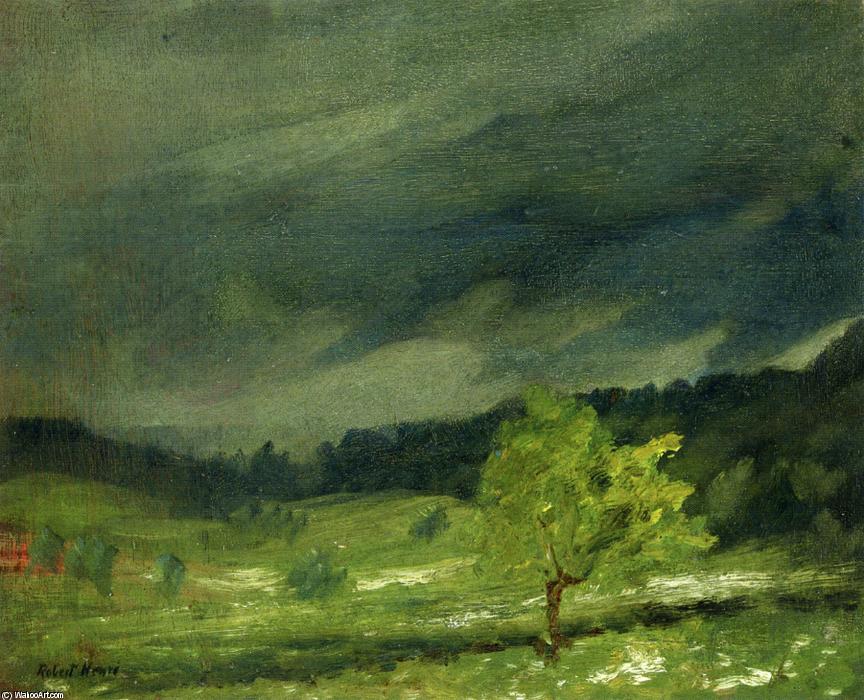
To stand before "Summer Storm" by Robert Henri is to be enveloped in a moment of sublime natural drama. This oil on panel painting, dating from 1902, is far more than a mere depiction of weather; it is an emotional portrait painted across the canvas. Henri masterfully captures that volatile, breathtaking instant when nature asserts its raw power over the quiet rhythm of the countryside. The sky itself becomes the primary character—a vast expanse burdened with dark, brooding clouds that seem to press down upon the earth below. It is a scene charged with anticipation, the breath held just before the deluge.
Mastery in Light and Shadow
What elevates this piece from a simple landscape to a profound study in visual dynamics is Henri's exquisite handling of light and shadow. The interplay between the looming darkness overhead and the patches where diffused light manages to break through creates an almost palpable tension. This technical brilliance speaks volumes about the artist’s understanding of optics; he doesn't just paint clouds, he paints the way light interacts with moisture-laden air. Observe how the shadows pool across the landscape, lending depth and weight to the foreground elements. The trees, standing resiliently against this dramatic backdrop, become anchors of strength, their forms etched by the contrast between illumination and gloom.
Robert Henri: An Artist Rooted in American Realism
Understanding Robert Henri’s life enriches our appreciation for "Summer Storm." A key figure associated with the Ashcan School, Henri was renowned for his unflinching commitment to American Realism. His art possessed a striking honesty, preferring to capture the grit and vitality of everyday life rather than idealized pastoral scenes. This background informs the painting's emotional resonance; it is not merely beautiful, but deeply felt. The storm, in this context, can be read as a metaphor for the turbulent, yet ultimately enduring, spirit of American experience—a powerful force that shapes character.
Symbolism and Emotional Resonance
The symbolism within "Summer Storm" is rich and multifaceted. The approaching tempest often symbolizes emotional upheaval or necessary change in art and life. Yet, because the landscape remains visible beneath the heavy sky, there is an undeniable undercurrent of hope and resilience. The trees, standing tall against the overwhelming sky, embody this very concept: enduring through the storm. For the collector or designer, owning this piece means inviting a conversation into your space—a contemplation on beauty found not in placid perfection, but in the magnificent struggle between light and darkness.
Bringing the Drama Home
Whether you are curating a gallery wall that demands narrative depth or seeking an evocative focal point for a grand room, "Summer Storm" offers unparalleled drama. The intimate scale of this 8 x 10 cm panel allows its intensity to feel immediate and personal. Acquiring a high-quality reproduction allows art lovers everywhere to possess a tangible piece of history, allowing the raw, untamed energy of Robert Henri’s vision to infuse your daily life with dramatic beauty.
A művész életrajza
A Turbulent Genesis: The Early Life of Robert Henri
Robert Henri, born Robert Henry Cozad in Cincinnati, Ohio, in 1865, carried within him from the outset a sense of displacement and reinvention that would profoundly shape both his life and art. His childhood was far from idyllic; shadowed by the volatile relationship between his father, John Jackson Cozad—a man of ambition and risk as a gambler and real estate developer—and his mother, Theresa Gatewood Cozad. This instability culminated in a dramatic event in 1882: a fatal shooting over a land dispute that forced the family into flight, adopting new identities to escape retribution. Young Robert became Robert Henri, a deliberate severing from a past fraught with conflict and a symbolic rebirth as an artist. The westward journey through Nebraska and Colorado, culminating in a settling in New York City and then Atlantic City, instilled within him a deep empathy for those living on the fringes of society—an empathy that would become a defining characteristic of his artistic vision. This early experience of upheaval and reinvention fostered a spirit of independence and a commitment to portraying life as it truly was, unburdened by convention or societal expectation. The family’s relocation was not merely a change of scenery; it represented a desperate attempt to escape the consequences of his father's actions, shaping Henri’s understanding of social injustice and the plight of marginalized individuals.Forging a New Vision: Artistic Development and Influences
Henri’s formal artistic education began at the Pennsylvania Academy of the Fine Arts in Philadelphia under Thomas Anshutz, where he honed his technical skills. However, it was his subsequent journey to Paris in 1888 that truly ignited his artistic awakening. Initially drawn to the academic tradition at the Académie Julian and influenced by masters like William-Adolphe Bouguereau and François Millet, Henri gradually gravitated towards Impressionism. Yet, he wasn’t content with merely replicating what he saw; he sought a more profound engagement with reality—a way to capture not just the fleeting effects of light but also the raw emotion and vitality of modern life. This quest led him to embrace a bolder, more direct approach, influenced by the Dutch Realist Franz Hals, whose loose brushwork and psychological insight resonated deeply with Henri’s own artistic sensibilities. He began experimenting with *pochades*, small wood panels used for quick sketches, encouraging spontaneity and immediacy in his work. Returning to America, he became a dedicated teacher, imparting not just technique but also a philosophy of art rooted in observation, honesty, and individual expression. His early years were marked by a restless exploration of different artistic styles and techniques, seeking to find a voice that authentically reflected his own experiences and perspectives.Championing the Real: The Ashcan School and “The Eight”
Robert Henri’s impact on American art extended far beyond his own canvases; he became a catalyst for change, challenging the conservative norms of the established art world. He was a central figure in the emergence of the Ashcan School—a group of artists who dared to depict the gritty realities of urban life, from bustling city streets to crowded tenements. Henri’s commitment to realism and his rejection of academic pretension led him to organize “The Eight” in 1908—a collective of like-minded artists including William Glackens, George Luks, Everett Shinn, and John Sloan—who staged an independent exhibition as a direct protest against the restrictive policies of the National Academy of Design. This act of defiance was a watershed moment in American art history, signaling a shift away from European dominance and towards a uniquely American artistic voice. Henri’s paintings during this period, such as “Woman in Manteau” (1899) and his evocative portraits, captured the dignity and resilience of ordinary people, offering a powerful counterpoint to the idealized representations favored by the establishment. The group's work was often characterized by its unflinching portrayal of urban poverty, social inequality, and the everyday struggles of working-class Americans.Legacy and Enduring Influence
Robert Henri’s influence on subsequent generations of American artists is immeasurable. As a teacher, he mentored a remarkable roster of talent, including Joseph Stella, Edward Hopper, Rockwell Kent, George Bellows, Norman Raeben, Louis D. Fancher, and Stuart Davis—artists who would go on to shape the course of 20th-century art. His book, *The Art Spirit*, published posthumously in 1923, remains a seminal text for aspiring artists, offering timeless wisdom on observation, technique, and the importance of artistic integrity. Henri’s commitment to portraying life with honesty and empathy, his rejection of convention, and his unwavering belief in the power of art to connect with audiences continue to inspire artists today. His paintings are not merely representations of reality; they are windows into the human condition—testaments to the beauty, struggle, and resilience of the human spirit. He left an indelible mark on American Realism, paving the way for a more democratic and inclusive art world that celebrated the everyday experiences of ordinary people. His legacy endures not only through his own masterful works but also through the countless artists he inspired to find their own voices and tell their own stories.
Robert Henri
1865 - 1929 , Egyesült Államok
Rövid tények
- Artistic Movement Or Style: Ashcan School, Realizmus
- Artists Or Movements Influenced By This Artist:
- Edward Hopper
- Az Nyolc
- Artists Who Influenced This Artist:
- William-Adolphe Bouguereau
- François Millet
- Date Of Birth: 24. június 1865
- Date Of Death: 12. július 1929
- Full Name: Robert Henri
- Nationality: Amerikai
- Notable Artworks:
- Nő a mantóban
- A hó
- Sissy aranyszínű
- Place Of Birth: Cincinnati, USA
Kapcsolódó cikkek
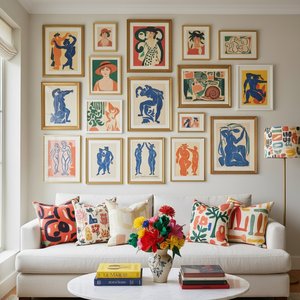
Henri Matisse 25 Mesterműve: Színek és Érzések Világa - OriginalUniqueArt
Fedezze fel Henri Matisse 25 legikonikusabb művét! Ismerje meg a fauvizmus színeit, az expresszionizmus formáit és a modern művészet mesterének életművét. Vászonképek, nyomatok – inspiráció otthonába a OriginalUniqueArt.com-on!
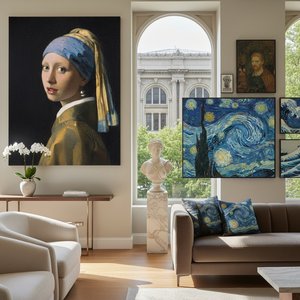
A Metropolitan Művészeti Múzeum 25 Gyöngyszeme: Klasszikus Remekművek és Inspiráció Otthonra
Fedezze fel a Metropolitan Művészeti Múzeum 25 legikonikusabb műalkotását! Monet, Van Gogh, Rembrandt és más mesterek remekműveinek történeteit olvassa el. Inspirálódjon otthon dekorációjához – magas minőségű festmény reprodukciók a OriginalUniqueArt.com-on!
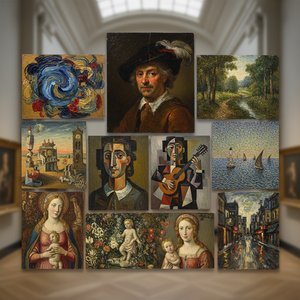
A művészettörténet 10 ikonikus olajfestménye – Vászonra ragasztott örökség a OriginalUniqueArt-tal
Fedezze fel a művészettörténet 10 legikonikusabb olajfestményét! Ismerje meg a híres festők, mint például Van Gogh és Monet történetét. Vászonképek eladó – inspirálja otthonát OriginalUniqueArt-tal! Explore the full collection online.

Sir Alfred James Munnings legszebb 25 festménye – A vidéki Anglia és a lovak mestere | OriginalUniqueArt
Fedezze fel Sir Alfred James Munnings 25 legszebb festményét! Ismerje meg a vidéki Anglia és a lovak mesterének életművét, technikáját és inspirációit. Vásároljon exkluzív reprodukciókat a OriginalUniqueArt.com-on – múzeumi minőségben!
A National Gallery győgyöngyei: 25 műalkotás, melyek inspirálnak – OriginalUniqueArt.com
Fedezze fel a National Gallery Washington 25 legikonikusabb műalkotását! Cézanne, Matisse és Picasso remekművei – történetükkel, technikájukkal. Inspirálódjon festményekből otthona dekorációjához. Museum-minőségű reprodukciók a OriginalUniqueArt.com oldalon!


