

 Előnézet
 Megosztás
 Megosztás
 Részletek
 Útmutató

 Letöltés
 Hasonló darabok
 X-ray felvétel
 Diavetítés
 Statisztika
John Butler Yeats


 Tovább olvasom
Giclée / Műnyomat
Múzeumi minőségű giclée vagy vászonnyomat, gyors gyártással és rugalmas finomítási lehetőségekkel. ( Kézzel festett másolat vásárlása Áttérés digitális képre)




P118B Ft10

P118H Ft10

P118W Ft10

P438Z Ft10

P508JH Ft12

P508YH Ft12

P805H Ft10

P805Z Ft10

P919BZ Ft10

P919G Ft10

P919XJ Ft10

P959ZH Ft10

P968JZ Ft12

W106C Ft8

W218G Ft10

W218JH Ft8

W218Y Ft10

W307PJ Ft10

W316G Ft10

W316PJ Ft8

W316Y Ft10

W398PJ Ft8

W4111J Ft10

W500HY Ft15

W500JH Ft15

W692G Ft12

W849H Ft8

W940BG Ft15

W953PJ Ft8




Válasszon előre meghatározott méreteink közül, amelyek megfelelnek a műalkotás eredeti arányainak.

Írja be a keretének vagy a falának megfelelő szélességet és magasságot. A nyomatot csak le lehet vágni, soha nem tehető nagyobbá, mint az eredeti kép, így egy eltérő alakú méretnél a kép egy része elveszik. Mielőtt bármit kinyatintanánk, küldünk egy digitális próbamodellt jóváhagyásra. Az oldalon látható kép nem tartalmazza a valós levágást — ezt csak a próbamodell mutatja meg.
Világszerte történő kiszállítás területére mindössze 2 hét alatt, a szokásos 4-5 hét helyett. (24 október)

Ingyenes globális expressz szállítás

Prémium minőségű len vászon

Teljes körű szállítási biztosítás

Vámvisszatérítési Garancia

Tökéletes színarányosság garancia

100 napos visszaküldési garancia (csak gyártási hibás termékek esetén)

100% pénzvisszatérítési garancia

Több darab vásárlásakor kedvezmény
 Az üvegkeretes opció csak 110 cm alatti méretben érhető el

John Butler Yeats
Giclée / Műnyomat
Reprodukció méretei
-


Összesített ár
Ft 25605
A Dialogue of Vision: The Soul Within the Portrait
In the quiet intensity of Robert Henri’s 1909 portrait, John Butler Yeats, we encounter more than just a likeness; we witness a profound psychological encounter. This masterpiece serves as a bridge between two distinct worlds—the ethereal, Symbolist-inspired Romanticism of the Irish master and the gritty, unyielding realism that Henri would eventually pioneer through the Ashcan School. The subject, the esteemed father of poet W.B. and artist Jack B. Yeats, sits before us with a presence that is both commanding and contemplative. His gaze, directed squarely at the viewer, pierces through the layers of time, inviting an intimate communion that transcends the mere application of oil on canvas.
The composition is masterfully balanced, capturing a moment of stillness amidst the burgeoning energy of the early twentieth century. As the subject rests with hands crossed, there is a palpable sense of weight and history in his posture. The presence of other figures, partially glimpsed in the periphery, adds a layer of narrative depth, suggesting a shared space of intellectual or artistic discourse. This is not a solitary study but a window into a social and creative ecosystem where ideas were exchanged as fluidly as the brushstrokes themselves.
Technique and the Texture of Reality
To behold this work is to appreciate the visceral power of Henri’s technique. Eschewing the polished, academic finish of his predecessors, Henri employs a method characterized by rapid, energetic application. The paint is not merely applied; it is sculpted upon the surface. One can trace the movement of the brush through the thick, textured layers that define the subject's beard and the heavy folds of his attire. This tactile quality lends the portrait an organic vitality, making the sitter feel as though he possesses a physical breath and warmth.
The palette is a sophisticated study in earthy resonance. Henri utilizes a spectrum of browns, ochres, and muted grays to ground the subject in reality, yet he infuses these tones with a luminous quality that prevents the scene from feeling somber. The interplay of light and shadow—the chiaroscuro effect—is used not just for anatomical accuracy, but to sculpt emotion. The way light catches the edge of a collar or the glint in an eye creates a rhythmic movement across the canvas, guiding the viewer’s eye through a landscape of skin, fabric, and atmosphere.
A Legacy for the Discerning Collector
For the art lover or the interior designer, a reproduction of this portrait offers much more than aesthetic decoration; it provides an anchor of intellectual and emotional depth. The painting embodies the tension between the old world and the new, making it a perfect centerpiece for spaces that value heritage, storytelling, and the profound beauty of human character. Its muted, sophisticated color scheme allows it to integrate seamlessly into diverse environments, from the classic elegance of a traditional library to the bold, contemporary lines of a modern loft.
Owning a piece that captures such a pivotal moment in art history—the collision of Yeats’s lyrical depth and Henri’s unflinching honesty—is an opportunity to surround oneself with the very essence of artistic evolution. This portrait remains a testament to the enduring power of the human spirit, captured through a lens of uncompromising truth and masterful artistry.
Gyakran Ismételt Kérdések
Mely művészeti irányba tartozik a „John Butler Yeats”, Robert Henri alkotása?
A "John Butler Yeats" a American Realism egyik alkotása. A művészeti irány jelzi azt a művészeti hagyományt, amelybe a mű tartozik.
Teljes képernyős diaporámaként is megtekinthető a "John Butler Yeats"?
A „John Butler Yeats”, Robert Henri alkotása diaporámaként tekinthető a mű Diaváltás oldalán.
Milyen érzést kelt a "John Butler Yeats"?
A „John Butler Yeats”, Robert Henri alkotása művészeti alkotás érzelmi tónusa Reflective. Ez foglalja össze a mű által kifejezett érzést.
A művész életrajza
A Turbulent Genesis: The Early Life of Robert Henri
Robert Henri, born Robert Henry Cozad in Cincinnati, Ohio, in 1865, carried within him from the outset a sense of displacement and reinvention that would profoundly shape both his life and art. His childhood was far from idyllic; shadowed by the volatile relationship between his father, John Jackson Cozad—a man of ambition and risk as a gambler and real estate developer—and his mother, Theresa Gatewood Cozad. This instability culminated in a dramatic event in 1882: a fatal shooting over a land dispute that forced the family into flight, adopting new identities to escape retribution. Young Robert became Robert Henri, a deliberate severing from a past fraught with conflict and a symbolic rebirth as an artist. The westward journey through Nebraska and Colorado, culminating in a settling in New York City and then Atlantic City, instilled within him a deep empathy for those living on the fringes of society—an empathy that would become a defining characteristic of his artistic vision. This early experience of upheaval and reinvention fostered a spirit of independence and a commitment to portraying life as it truly was, unburdened by convention or societal expectation. The family’s relocation was not merely a change of scenery; it represented a desperate attempt to escape the consequences of his father's actions, shaping Henri’s understanding of social injustice and the plight of marginalized individuals.Forging a New Vision: Artistic Development and Influences
Henri’s formal artistic education began at the Pennsylvania Academy of the Fine Arts in Philadelphia under Thomas Anshutz, where he honed his technical skills. However, it was his subsequent journey to Paris in 1888 that truly ignited his artistic awakening. Initially drawn to the academic tradition at the Académie Julian and influenced by masters like William-Adolphe Bouguereau and François Millet, Henri gradually gravitated towards Impressionism. Yet, he wasn’t content with merely replicating what he saw; he sought a more profound engagement with reality—a way to capture not just the fleeting effects of light but also the raw emotion and vitality of modern life. This quest led him to embrace a bolder, more direct approach, influenced by the Dutch Realist Franz Hals, whose loose brushwork and psychological insight resonated deeply with Henri’s own artistic sensibilities. He began experimenting with *pochades*, small wood panels used for quick sketches, encouraging spontaneity and immediacy in his work. Returning to America, he became a dedicated teacher, imparting not just technique but also a philosophy of art rooted in observation, honesty, and individual expression. His early years were marked by a restless exploration of different artistic styles and techniques, seeking to find a voice that authentically reflected his own experiences and perspectives.Championing the Real: The Ashcan School and “The Eight”
Robert Henri’s impact on American art extended far beyond his own canvases; he became a catalyst for change, challenging the conservative norms of the established art world. He was a central figure in the emergence of the Ashcan School—a group of artists who dared to depict the gritty realities of urban life, from bustling city streets to crowded tenements. Henri’s commitment to realism and his rejection of academic pretension led him to organize “The Eight” in 1908—a collective of like-minded artists including William Glackens, George Luks, Everett Shinn, and John Sloan—who staged an independent exhibition as a direct protest against the restrictive policies of the National Academy of Design. This act of defiance was a watershed moment in American art history, signaling a shift away from European dominance and towards a uniquely American artistic voice. Henri’s paintings during this period, such as “Woman in Manteau” (1899) and his evocative portraits, captured the dignity and resilience of ordinary people, offering a powerful counterpoint to the idealized representations favored by the establishment. The group's work was often characterized by its unflinching portrayal of urban poverty, social inequality, and the everyday struggles of working-class Americans.Legacy and Enduring Influence
Robert Henri’s influence on subsequent generations of American artists is immeasurable. As a teacher, he mentored a remarkable roster of talent, including Joseph Stella, Edward Hopper, Rockwell Kent, George Bellows, Norman Raeben, Louis D. Fancher, and Stuart Davis—artists who would go on to shape the course of 20th-century art. His book, *The Art Spirit*, published posthumously in 1923, remains a seminal text for aspiring artists, offering timeless wisdom on observation, technique, and the importance of artistic integrity. Henri’s commitment to portraying life with honesty and empathy, his rejection of convention, and his unwavering belief in the power of art to connect with audiences continue to inspire artists today. His paintings are not merely representations of reality; they are windows into the human condition—testaments to the beauty, struggle, and resilience of the human spirit. He left an indelible mark on American Realism, paving the way for a more democratic and inclusive art world that celebrated the everyday experiences of ordinary people. His legacy endures not only through his own masterful works but also through the countless artists he inspired to find their own voices and tell their own stories.
Robert Henri
1865 - 1929 , Egyesült Államok
Gyors információk
- Artistic Movement Or Style: Ashcan School, Realizmus
- Artists Or Movements Influenced By This Artist:
- Edward Hopper
- Az Nyolc
- Artists Who Influenced This Artist:
- William-Adolphe Bouguereau
- François Millet
- Date Of Birth: 24. június 1865
- Date Of Death: 12. július 1929
- Full Name: Robert Henri
- Nationality: Amerikai
- Notable Artworks:
- Nő a mantóban
- A hó
- Sissy aranyszínű
- Place Of Birth: Cincinnati, USA
Kapcsolódó cikkek

John Constable 25 Mesterműve: A Természet Lényege Vászonon – OriginalUniqueArt.com
Fedezze fel John Constable 25 legszebb művészeti alkotását! Ismerje meg a romantika ikonikus tájképeit, Dedham Vale szépségét és a természet lenyűgöző ábrázolásait. Vászonkép reprodukcióinkkal eleganciát csempészhet otthonába – OriginalUniqueArt.com

Henri Matisse 25 Mesterműve: Színek és Érzések Világa - OriginalUniqueArt
Fedezze fel Henri Matisse 25 legikonikusabb művét! Ismerje meg a fauvizmus színeit, az expresszionizmus formáit és a modern művészet mesterének életművét. Vászonképek, nyomatok – inspiráció otthonába a OriginalUniqueArt.com-on!

John Singer Sargent 25 Mesterműve: Elegancia és Portrék a OriginalUniqueArt Galériában
Fedezze fel John Singer Sargent 25 legikonikusabb művészeti alkotását! Portrék, impresszionista stílus és a fény játéka – inspirálódjon Sargent életrajzából és vászonképeiből. Művészeti reprodukciók otthonába a OriginalUniqueArt-on!
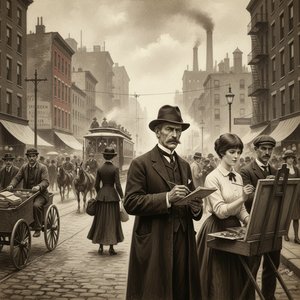
Robert Henri & the Spirit of American Realism: A Legacy of Urban Life and Artistic Independence
Explore the life & legacy of Robert Henri, a pivotal figure in American Realism. Discover his captivating portraits, influence on the Ashcan School, and enduring impact on art history. Learn more at OriginalUniqueArt.
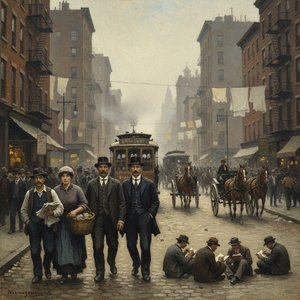
The Ashcan School: Realism, Urban Life & the Democratization of American Art
Explore the revolutionary Ashcan School! Discover how artists like Henri & Sloan challenged tradition with gritty realism, capturing urban life in early 20th-century America. Learn about their impact on American art history.
