

 Megtekintés
 Küldés
 Megosztás
 Részletek

 Letöltés
 Hasonló darabok
 X-ray felvétel
 Diavetítés
 Statisztika
Dog with a Wild Duck
 Oil On Canvas
- WallArt
- Victorian Realism
 38.0 x 46.0 cm
 Guildhall Art Gallery
 Összes részlet megjelenítése
Giclée / Műnyomat
Múzeumi minőségű giclée vagy vászonnyomat, gyors gyártással és rugalmas finomítási lehetőségekkel. ( Kézzel festett másolat rendelése Áttérés digitális képre)




P118B $10

P118H $10

P118W $10

P438Z $10

P508JH $12

P508YH $12

P805H $10

P805Z $10

P919BZ $10

P919G $10

P919XJ $10

P959ZH $10

P968JZ $12

W106C $8

W218G $10

W218JH $8

W218Y $10

W307PJ $10

W316G $10

W316PJ $8

W316Y $10

W398PJ $8

W4111J $10

W500HY $15

W500JH $15

W692G $12

W849H $8

W940BG $15

W953PJ $8




Válasszon előre meghatározott méreteink közül, amelyek megfelelnek a műalkotás eredeti arányainak.

Megadhat saját méreteket is egy konkrét kerethez vagy helyszínhez igazítva. Amennyiben a kiválasztott méret nem egyezik az eredeti kép arányokkal, a műalkotást le fogjuk vágni, vagy kiegészítjük a képet tükrözött vagy egyszínű szélekkel. A gyártás megkezdése előtt egy digitális tervezetet küldünk jóváhagyásra.
Kérjük, vegye figyelembe, hogy a képernyőn látható előnézet nem tükrözi a tényleges levágást vagy kiegészítést. Csak a tervezet mutatja pontosan a végső kompozíciót.
Bár az egyedi méretek is elérhetőek, az eredeti arányok megőrzése érdekében azt javasoljuk, hogy válasszon a előre meghatározott listából származó méretet.
Világszerte történő kiszállítás területére mindössze 2 hét alatt, a szokásos 4-5 hét helyett. (17 szeptember)

Ingyenes globális expressz szállítás

Prémium minőségű len vászon

Teljes körű szállítási biztosítás

Vámvisszatérítési Garancia

Hiteles színpontosság garancia

100 napos visszaküldési lehetőség (csak hibás termékek esetén)

100% pénzvisszatérítési garancia

Több darab vásárlása esetén kedvezmény
 Az üvegkeretes opció csak 110 cm alatti méretben érhető el

Dog with a Wild Duck
Giclée / Műnyomat
Reprodukció mérete
-


Összesített ár
$ 80
A Moment Frozen in Time: Richard Ansdell's "Dog with a Wild Duck"
Richard Ansdell’s “Dog with a Wild Duck,” painted during the Victorian era, is more than just a depiction of an animal encounter; it’s a poignant study of instinct, power, and the delicate balance between predator and prey. The painting captures a fleeting moment—a large dog, likely a Dalmatian or similar breed known for its strength and agility, firmly holds a wild duck in its mouth. It's not a scene of aggression, but rather one of raw, natural energy, frozen on canvas with remarkable detail. Ansdell’s mastery lies in his ability to convey the tension inherent in this interaction—the dog’s focused gaze, the duck’s desperate struggle, and the surrounding environment that witnesses this primal dance. The background is alive with other birds, some taking flight, others perched amongst branches, adding depth and a sense of bustling wildlife activity to the scene. This isn't merely about a dog and a duck; it's about the broader ecosystem and the interconnectedness of life itself.Victorian Naturalism and Artistic Technique
Ansdell was a leading figure in Victorian naturalism, an artistic movement that emphasized realistic depictions of nature and everyday life. Unlike some of his contemporaries who romanticized landscapes or focused on grand historical narratives, Ansdell chose to portray the often-overlooked beauty of rural scenes and animal behavior. His technique reflects this dedication to realism. He employed oil paints with meticulous precision, layering colors to create a rich texture and capturing the subtle nuances of fur, feathers, and light. Observe how he renders the dog’s coat—the individual hairs are almost palpable, conveying both its strength and softness. Similarly, the duck's plumage is rendered with remarkable detail, highlighting its iridescent sheen and the frantic movement of its wings. Ansdell’s skill in capturing anatomical accuracy combined with his artistic license to create a scene that feels both authentic and emotionally resonant. He often collaborated with landscape artists like Thomas Creswick, allowing him to seamlessly integrate his animal subjects into beautifully rendered natural settings—a testament to his understanding of composition and the importance of context.Symbolism and Victorian Values
Beyond its aesthetic appeal, “Dog with a Wild Duck” carries symbolic weight within the context of Victorian society. The dog, often associated with loyalty, domesticity, and even nobility, represents human control over nature. Its firm grip on the wild duck—a symbol of freedom and untamed wilderness—can be interpreted as a reflection of Victorian ideals regarding progress, industry, and the subjugation of the natural world for human benefit. However, Ansdell’s portrayal avoids overt moralizing; instead, he presents a neutral observation of a natural occurrence. The painting doesn't judge the dog or the duck but rather invites viewers to contemplate the complex relationship between humans and the environment. This ambiguity is part of what makes the work so compelling—it allows for multiple interpretations and encourages deeper reflection on our place within the larger world.An Enduring Emotional Impact
Even today, “Dog with a Wild Duck” evokes a powerful emotional response. The painting’s inherent drama – the tension between predator and prey – is captivating. There's a sense of immediacy, as if we are witnessing this scene unfold before our very eyes. Ansdell masterfully captures not just the physical appearance of his subjects but also their essence—the dog’s focused determination, the duck’s desperate struggle for survival. This ability to convey emotion through realistic depiction is what elevates Ansdell's work beyond mere representation and transforms it into a timeless piece of art that continues to resonate with audiences across generations. The painting serves as a reminder of the raw beauty and inherent drama found within the natural world, skillfully captured by one of Victorian England’s most talented animal painters.A művész életrajza
Richard Ansdell RA (1815 – 1885)
Richard Ansdell, a name synonymous with Victorian depictions of animal life and sporting scenes, emerged from humble beginnings to become one of Britain’s most popular artists. Born at Castle Northwich to Thomas Griffiths Ansdell, a ship’s pulley block maker at Liverpool docks, and Anne (nee Jackson) a seamstress, his early life was marked by hardship; the death of his father led him to the care of the Liverpool Blue Coat School for orphans. Yet, even amidst these challenges, a talent for art blossomed, nurtured first through studies with W.C. Smith, a local portrait painter, and later honed during a period as a sign painter in the Netherlands – an experience that broadened his artistic horizons and exposed him to diverse subject matter. This formative period instilled in Ansdell not only technical skill but also a keen observational eye, qualities that would define his future work. He quickly established himself within the Liverpool art scene, exhibiting at the Liverpool Academy from 1835 and becoming a student there the following year, laying the foundation for a prolific career.Early Influences and Artistic Training
Ansdell’s artistic journey began with foundational instruction under W.C. Smith, whose meticulous portraiture instilled in him an appreciation for precise detail and accurate representation. This early training complemented his subsequent explorations of sign painting in Holland, where he absorbed influences from Flemish masters and gained invaluable experience capturing dynamic movement – particularly crucial for portraying animals in motion. The Dutch landscape tradition fostered a sensitivity to tonal variation and atmospheric perspective, techniques that would become hallmarks of Ansdell’s distinctive style. Recognizing the importance of formal education beyond Smith's tutelage, he pursued further studies at the Liverpool Academy, immersing himself in the broader artistic discourse of his time and honing his skills alongside fellow artists who shared similar ambitions. This environment encouraged experimentation and fostered a collaborative spirit—a characteristic that would prove invaluable throughout his career.Rise to Fame: Sporting Scenes and Royal Commissions
Richard Ansdell swiftly gained recognition for his captivating depictions of animal life, particularly sporting pursuits. His canvases captured the thrill of grouse shooting, the grandeur of deer stalking, and the excitement of equestrian events with remarkable accuracy and dynamism. However, it was his monumental painting *“A Galloway Farm”* – a panoramic vista of Scottish farmland—that cemented his reputation as one of Britain’s foremost landscape artists. Commissioned by the Royal Agricultural Society in Bristol, this ambitious project demanded exceptional technical prowess and artistic vision, resulting in a masterpiece that embodies Ansdell's mastery of tonal gradation and compositional balance. Furthermore, his portrayal of Sgt. Ewart grappling for the French Standard at Waterloo—a monumental canvas measuring 13 feet by 11 feet—became an iconic image of Victorian heroism and military history. This ambitious undertaking showcased not only his artistic skill but also his commitment to capturing significant historical moments with dramatic intensity.Collaborations and Artistic Partnerships
Ansdell’s success was inextricably linked to his willingness to collaborate with fellow artists, recognizing that collective creativity could yield superior results. His partnership with Thomas Creswick—a celebrated landscape painter—proved particularly fruitful, allowing Ansdell to seamlessly integrate meticulously rendered animals into expansive vistas. Together, they produced breathtaking canvases that captured the sublime beauty of Scotland’s highlands and valleys. Similarly, his association with William Powell Frith fostered a dynamic exchange of ideas and techniques, resulting in striking genre scenes infused with psychological insight. These collaborations weren't merely pragmatic arrangements but opportunities for mutual inspiration—a testament to Ansdell’s belief in the power of artistic dialogue. His involvement in projects like *“The Combat”* – depicting two red stags locked in battle – demonstrated his ability to convey complex emotions and narratives through visual storytelling.Legacy and Enduring Influence
Richard Ansdell died in 1885, leaving behind a legacy that continues to inspire artists and scholars alike. His paintings—characterized by their meticulous detail, expressive tonal range, and masterful depiction of animal anatomy—remain treasured examples of Victorian art. He is remembered not only as a skilled artist but also as a chronicler of his era, capturing the spirit of rural life and sporting tradition with unparalleled sensitivity. Notably, Ansdell’s contribution to British art history extends beyond his individual achievements; he helped establish a distinct aesthetic within the genre of animal painting—a style that continues to resonate with audiences today. His influence can be seen in subsequent generations of artists who sought to emulate his precision and emotional depth. Furthermore, Ansdell's enduring popularity is evidenced by the continued appreciation for his works—held in prestigious collections across Britain—and by recent valuations demonstrating ongoing interest in his artistic legacy. The Liverpool Walker Art Gallery houses a substantial collection of Ansdell’s paintings, ensuring that his art remains accessible to future generations and perpetuating his contribution to British cultural heritage.
Richard Ansdell
1815 - 1885 , Egyesült Királyság
A művészről röviden
- Artistic Movement Or Style: Victorian art
- Artists Who Influenced This Artist: ['Edwin Landseer']
- Date Of Birth: 1815
- Date Of Death: 1885
- Full Name: Richard Ansdell RA
- Nationality: Britannia
- Notable Artworks:
- Stag at Bay
- The Combat
- Hunted Slaves
- Place Of Birth: Liverpool, UK
Kapcsolódó cikkek
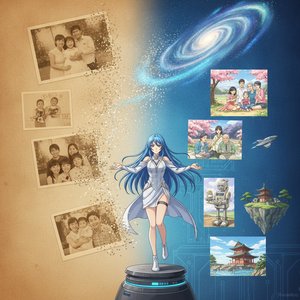
From Selfie to Studio Masterpiece: Transform Your Photos into Stunning AI-Driven Anime Art with OriginalUniqueArt
Step into the spotlight with OriginalUniqueArt's AI-driven transformation. Turn your photos into stunning, hand-painted anime oil masterpieces. Experience the perfect fusion of cutting-edge technology and museum-grade craftsmanship to create a timeless pop-culture legacy for your home.
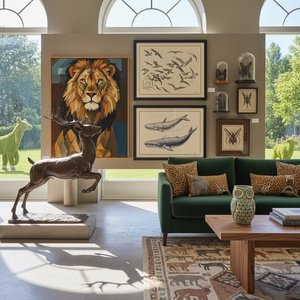
Állatok a művészetben: Szimbolizmus és jelentés a festményekben
Fedezze fel az állatok rejtett szimbolikáját a művészetben! Mélyreható elemzésekkel segítünk megérteni a festmények jelentését, a középkortól a modern korig. Ismerje meg a művészettörténet legérdekesebb aspektusait!
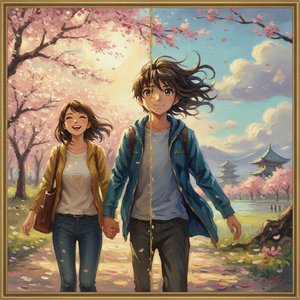
Level Up Your Art: Transform Personal Photos into High-Octane Action Anime Masterpieces with AI-Driven Oil Painting
Transform your favorite photos into high-octane action anime masterpieces. Using proprietary AI and master artists, we turn digital memories into hand-painted oil on canvas legacies. Experience the perfect fusion of pop culture energy and timeless fine artistry at OriginalUniqueArt.com.

Beyond the Screen: Transforming Personal Memories into Timeless AI-Driven Anime Masterpieces
Experience the magic of digital metamorphosis. Transform your cherished photos into stunning, hand-painted anime masterpieces using our proprietary AI technology and professional artists. Elevate your personal story with a timeless, high-quality oil painting on canvas.
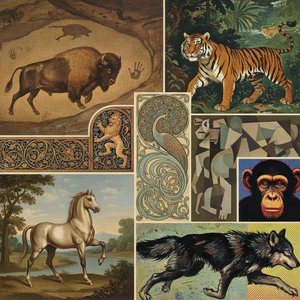
Beastly Brushstrokes: A Historical Journey Through Animal Painting & Aesthetic Movements
Explore the rich history of animal painting across cultures & movements. Discover iconic artists, symbolism, collecting trends & expert art consultation at OriginalUniqueArt.com.