Megtekintés
 Küldés
 Megosztás
 Részletek
 Útmutató

 Letöltés
 Hasonló darabok
 X-ray felvétel
 Diavetítés
 Kérdések és válaszok
 Statisztika
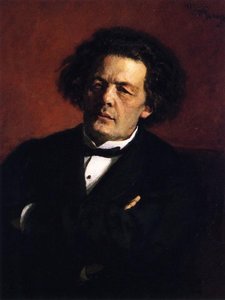
Önismeret (Self-Portrait)

- 75.0 x 62.0 cm


 Összes részlet megjelenítése
Giclée / Műnyomat
Múzeumi minőségű giclée vagy vászonnyomat, gyors gyártással és rugalmas finomítási lehetőségekkel. ( Kézzel festett másolat rendelése Áttérés digitális képre)




P118B Ft10

P118H Ft10

P118W Ft10

P438Z Ft10

P508JH Ft12

P508YH Ft12

P805H Ft10

P805Z Ft10

P919BZ Ft10

P919G Ft10

P919XJ Ft10

P959ZH Ft10

P968JZ Ft12

W106C Ft8

W218G Ft10

W218JH Ft8

W218Y Ft10

W307PJ Ft10

W316G Ft10

W316PJ Ft8

W316Y Ft10

W398PJ Ft8

W4111J Ft10

W500HY Ft15

W500JH Ft15

W692G Ft12

W849H Ft8

W940BG Ft15

W953PJ Ft8




Válasszon előre meghatározott méreteink közül, amelyek megfelelnek a műalkotás eredeti arányainak.

Írja be a keretének vagy a falának megfelelő szélességet és magasságot. A nyomatot csak le lehet vágni, soha nem tehető nagyobbá, mint az eredeti kép, így egy eltérő alakú méretnél a kép egy része elveszik. Mielőtt bármit kinyatintanánk, küldünk egy digitális próbamodellt jóváhagyásra. Az oldalon látható kép nem tartalmazza a valós levágást — ezt csak a próbamodell mutatja meg.
Világszerte történő kiszállítás területére mindössze 2 hét alatt, a szokásos 4-5 hét helyett. (8 november)

Ingyenes globális expressz szállítás

Prémium minőségű len vászon

Teljes körű szállítási biztosítás

Vámvisszatérítési Garancia

Hiteles színarányosság garancia

100 napos visszaküldési lehetőség (csak hibás termékek esetén)

100% pénzvisszatérítési garancia

Több darab vásárlásakor kedvezmény
 Az üvegkeretes opció csak 110 cm alatti méretben érhető el

Önismeret (Self-Portrait)
Giclée / Műnyomat
Reprodukció mérete
-


Összesített ár
Ft 26415
Ilya Repin’s ‘Self-Portrait’: A Window into a Russian Soul
The Tretyakov Gallery in Moscow holds within its walls countless treasures of Russian art, but few portraits resonate with the same profound intimacy as Ilya Yefimovich Repin's “Self-Portrait” from 1887. This oil on canvas isn’t merely a likeness; it’s a carefully constructed revelation – a glimpse into the mind and spirit of one of Russia’s most significant realist painters. Measuring just 75 x 62 cm, the painting belies its modest size with an astonishing depth of character, inviting viewers to contemplate not only Repin's appearance but also his intellectual pursuits and quiet confidence.
Repin, born in Chuguev in 1844, possessed a unique artistic lineage. His father, a former horse trader, and his mother, deeply rooted in Ukrainian traditions, instilled within him a profound connection to the land and its people – an element that would become central to his artistic vision. This early exposure shaped his commitment to portraying the everyday lives of ordinary Russians, a hallmark of the Realism movement he championed. The painting’s deliberate simplicity—a neutral background allowing the focus entirely on the artist's face—is a testament to this approach; Repin sought not to embellish or idealize, but to present an honest and unvarnished self-image.
A Masterclass in Realist Technique
The execution of “Self-Portrait” is remarkably precise. Repin’s skill lies not just in capturing a likeness, but in conveying texture and mood through subtle brushwork. Notice the meticulous rendering of his facial features – the furrowed brow suggesting thoughtful contemplation, the slightly downturned mouth hinting at a serious demeanor. The muted colors—primarily browns, grays, and ochres—create an atmosphere of quiet introspection. The artist’s clothing, rendered with careful attention to detail, subtly reinforces this sense of intellectual depth; the dark suit and tie speak to his professional life as a painter and observer.
Light and shadow play a crucial role in enhancing the painting's three-dimensionality. Repin skillfully uses chiaroscuro – the dramatic contrast between light and darkness – to sculpt the artist’s face, giving it volume and presence. The subtle variations in tone draw the viewer’s eye to his eyes, which hold a gaze both direct and slightly melancholic. The brushstrokes themselves are controlled and deliberate, contributing to the painting's overall sense of stability and composure.
Symbolism and the Russian Soul
Beyond its technical brilliance, “Self-Portrait” is rich in symbolic meaning. The artist’s serious expression isn’t simply a reflection of his personality; it speaks to the weight of responsibility he felt as an observer of Russian society. Repin was deeply concerned with social justice and the plight of the working class – themes that would become prominent in many of his later works, such as “Barge Haulers on the Volga.” The painting can be interpreted as a meditation on identity, self-awareness, and the role of the artist within a rapidly changing nation.
Considering Repin’s broader artistic context – particularly his involvement with the *Peredvizhniki* (Wanderers) group, a movement dedicated to depicting Russian life realistically – this self-portrait becomes even more significant. It exemplifies their commitment to portraying the truth of everyday existence, offering viewers a rare and intimate glimpse into the soul of a great artist. The painting’s enduring appeal lies in its ability to connect us with Repin's humanity and his profound understanding of the Russian spirit.
Bringing ‘Self-Portrait’ Home: A High-Quality Reproduction
OriginalUniqueArt offers meticulously crafted, hand-painted reproductions of Ilya Repin’s “Self-Portrait,” allowing you to experience this masterpiece in stunning detail. Each reproduction is created by skilled artists using the same techniques and materials as the original, ensuring an authentic representation of Repin's vision. Whether displayed in a grand hall or a cozy study, this artwork will undoubtedly become a focal point, sparking conversation and inspiring contemplation. Explore our range of framing options to perfectly complement your space and personal style.
Kérdések és válaszok
Milyen elhelyezés és milyen térhelyiség ajánlott a(z) „Önismeret (Self-Portrait)”, Repin Ilyás alkotása számára?
A "Önismeret (Self-Portrait)" művet Kifejezésmód célokra javasoljuk, a legalkalmasabb helyszín pedig egy Nappali.
Ajánlott-e ajándékba „Önismeret (Self-Portrait)”, Repin Ilyás alkotása, és kinek?
A "Önismeret (Self-Portrait)" kiváló ajándékajánlat Születésnap, ha a Kifejezésmód szempontját kell figyelembe venni.
Hogyan találhatok olyan műalkotásokat, amelyek stílusában hasonlítanak a(z) „Önismeret (Self-Portrait)”, Repin Ilyás alkotása alkotásra?
A „Önismeret (Self-Portrait)”, Repin Ilyás alkotása Hasonló alkotások oldala kapcsolódó műalkotásokat mutat be.
A művész életrajza
Early Life and the Seeds of Realism
Ilya Yefimovich Repin, a name that echoes through the very heart of Russian art, was born in 1844 in the unassuming Ukrainian town of Chuguev. His origins were far removed from the opulent circles often associated with artistic patronage; his father, a former soldier who traded horses, and his mother, deeply rooted in the traditions of their rural community, instilled within young Ilya a profound connection to the land and its people – an understanding forged in the hardships, vibrant spirit, and unwavering resilience of peasant life. This early immersion into the realities of rural existence would become the bedrock upon which his artistic vision was built. Formal education began at a local school overseen by his mother, but a brief period followed at a military cantonist school, an experience he later recalled with a touch of melancholy. Yet, even within the rigid structure of military discipline, his innate talent for drawing blossomed, revealing a nascent gift that would soon demand expression. At sixteen, he embarked on an apprenticeship with Ivan Bunakov, an icon painter, plunging into the rigorous world of religious art – a training that honed his skills in meticulous detail and instilled a deep appreciation for compositional precision. These formative years were not merely technical exercises; they represented a crucial immersion into the visual language of Russian culture, laying the groundwork for his later explorations of national identity and social commentary. Through restoring ancient icons and fulfilling portrait commissions, Repin began to observe and capture the essence of human character – a skill he would master with remarkable insight throughout his illustrious career.St. Petersburg and the Embrace of Social Consciousness
Driven by an unyielding ambition, Repin journeyed to St. Petersburg in 1863, seeking admission to the prestigious Imperial Academy of Fine Arts. Initial rejection did not deter him; instead, he diligently audited classes, immersing himself completely within the city’s vibrant artistic milieu. It was here that he encountered Ivan Kramskoi, a towering figure in the Peredvizhniki movement – a collective of realist artists who boldly rejected the conventions of academic art and sought to depict Russian life with unflinching honesty and social awareness. Kramskoi became Repin's mentor, guiding him towards a more politically engaged and socially conscious approach to his work. The influence of critic Vladimir Stasov was also pivotal, encouraging Repin to focus on contemporary themes, the lives of ordinary people, and the injustices prevalent within Russian society. Repin’s talent quickly blossomed, earning recognition and awards – notably gold medals for “Job and His Friends” in 1869 and "The Raising of Jairus' Daughter" in 1871. These early successes signaled the arrival of a powerful new voice in Russian art – one that would challenge established norms and capture the spirit of a rapidly changing nation. A particularly formative experience was his journey along the Volga River in 1870, sketching the arduous lives of barge haulers; this provided the inspiration for what would become his most celebrated masterpiece, “Barge Haulers on the Volga,” a work that cemented his reputation as a champion of the marginalized and a keen observer of human suffering.Masterpieces of Realism and Historical Drama
Repin’s name became inextricably linked with realism through works that unflinchingly portrayed the realities of Russian society. “Barge Haulers on the Volga” (1873), a monumental canvas depicting eleven exhausted laborers dragging boats along the river, shocked and captivated audiences. It was not merely a depiction of physical hardship; it was a powerful indictment of social injustice, exploitation, and the brutal conditions endured by the working class. This painting launched Repin into national prominence and established him as a leading voice for those often overlooked and forgotten by society. He continued to explore themes of Russian life in works such as “Religious Procession in Kursk Province” (1883), which offered a nuanced portrayal of faith, superstition, and the complex social hierarchy within rural Russia. However, Repin’s artistic vision extended far beyond contemporary issues; he also tackled historical subjects with dramatic flair and psychological depth. “Ivan the Terrible and His Son Ivan” (1885), depicting the horrifying moment when Tsar Ivan IV brutally murdered his own son in a fit of rage, caused a scandal upon its unveiling but remains one of his most iconic works – a chilling exploration of power, guilt, and the devastating consequences of unchecked authority. Perhaps his most celebrated painting is “Reply of the Zaporozhian Cossacks” (1880-91), a vibrant and dynamic scene capturing the defiant spirit of Ukrainian Cossacks composing a satirical letter to the Ottoman Sultan – a symbol of resistance, national pride, and the enduring strength of the Ukrainian people. These paintings were not simply historical recreations; they were imbued with psychological insight, emotional intensity, and a profound understanding of human nature, bringing the past vividly to life for viewers.Legacy and Enduring Influence
Throughout his long and prolific career, Repin continued to paint portraits of prominent figures – Leo Tolstoy, Modest Mussorgsky, Pavel Tretyakov – capturing their personalities with remarkable insight and empathy. He also served as a teacher at the Academy of Fine Arts in St. Petersburg, shaping the artistic sensibilities of generations of young artists. His commitment to realism and social commentary resonated deeply within Russia and beyond, establishing him as a major figure in European art. While he initially embraced the February Revolution of 1917, Repin was profoundly disillusioned by the subsequent violence and terror unleashed by the Bolsheviks following the October Revolution. He retreated to his estate, Penates, in Kuokkala (now Repino), Finland, where he continued to paint until his death in 1930. Repin’s legacy extends far beyond his individual paintings. He helped define Russian realism, paving the way for Socialist Realism and inspiring countless artists to use their work as a means of social critique. His ability to capture the human condition with both empathy and unflinching honesty continues to resonate with audiences today, ensuring his place among the most significant figures in 19th-century art. Penates, his beloved country estate, is now a museum, preserving not only his artistic legacy but also offering a glimpse into the life of one of Russia’s most important cultural figures.
Repin Ilyás
1844 - 1930 , Oroszország
Rövid információk
- Artistic Movement Or Style: Realizmus
- Artists Or Movements Influenced By This Artist: ['Peredvizhniki']
- Artists Who Influenced This Artist:
- Kramskoi
- Stasov
- Date Of Birth: 1844
- Date Of Death: 1930
- Full Name: Ilya Yefimovich Repin
- Nationality: Orosz
- Notable Artworks:
- Volga Szállói
- Zaporozhiai lovasok
- Ivan a gonosz
- Place Of Birth (City And Country): Chuguev, Oroszország
Kapcsolódó cikkek

Soul of the Steppes: Capturing the Majesty and Social Realism of 19th Century Russian Art
Explore the profound beauty of 19th-century Russian art. From Ilya Repin's realism to pastoral landscapes, discover the soul of the steppes through our expert historical analysis and museum-quality hand-painted reproductions for discerning collectors.

Russian Realism: The Soulful Power of Truth and the Unyielding Spirit of the Peredvizhniki
Explore the profound depth of Russian Realism. From the social truths of the Peredvizhniki to epic folklore, discover the soulful power of masters like Perov and Yaroshenko through our expert art history insights and museum-quality reproductions.
Ilya Repin: Realism, Revolution & the Russian Soul – A Comprehensive Exploration of Life and Legacy
Explore the life & legacy of Ilya Repin, Russia's leading realist painter. Discover his iconic works like 'Barge Haulers on the Volga,' social commentary, and profound portraits. A comprehensive guide for art enthusiasts.

Vladimir Makovsky: Realism, Social Commentary & Russian Life in Late 19th-Century Painting
Explore the captivating world of Vladimir Makovsky, a leading Russian realist painter. Discover his insightful depictions of 19th-century life, social commentary & legacy with OriginalUniqueArt.

Discover Russian Realism: Soulful Masterpieces and the Timeless Spirit of the Peredvizhniki for Your Modern Home
Elevate your home with the soulful beauty of Russian Realism. Discover exquisite hand-painted reproductions of Peredvizhniki masterpieces, from lyrical landscapes to profound portraits, curated to bring historical depth and timeless elegance to your modern interior design.