

 Előnézet
 Megosztás
 Megosztás
 Részletek
 Útmutató

 Letöltés
 Hasonló darabok
 X-ray felvétel
 Diavetítés
 Statisztika
St Jerome
 Oil On Canvas
- WallArt
- Baroque Painting
 1635
1635 278.0 x 238.0 cm
 Kunsthistorisches Museum
 Tovább olvasom
Giclée / Műnyomat
Múzeumi minőségű giclée vagy vászonnyomat, gyors gyártással és rugalmas finomítási lehetőségekkel. ( Kézzel festett másolat vásárlása Áttérés digitális képre)




P118B Ft10

P118H Ft10

P118W Ft10

P438Z Ft10

P508JH Ft12

P508YH Ft12

P805H Ft10

P805Z Ft10

P919BZ Ft10

P919G Ft10

P919XJ Ft10

P959ZH Ft10

P968JZ Ft12

W106C Ft8

W218G Ft10

W218JH Ft8

W218Y Ft10

W307PJ Ft10

W316G Ft10

W316PJ Ft8

W316Y Ft10

W398PJ Ft8

W4111J Ft10

W500HY Ft15

W500JH Ft15

W692G Ft12

W849H Ft8

W940BG Ft15

W953PJ Ft8




Válasszon előre meghatározott méreteink közül, amelyek megfelelnek a műalkotás eredeti arányainak.

Írja be a keretének vagy a falának megfelelő szélességet és magasságot. A nyomatot csak le lehet vágni, soha nem tehető nagyobbá, mint az eredeti kép, így egy eltérő alakú méretnél a kép egy része elveszik. Mielőtt bármit kinyatintanánk, küldünk egy digitális próbamodellt jóváhagyásra. Az oldalon látható kép nem tartalmazza a valós levágást — ezt csak a próbamodell mutatja meg.
Világszerte történő kiszállítás területére mindössze 2 hét alatt, a szokásos 4-5 hét helyett. (23 október)

Ingyenes globális expressz szállítás

Prémium minőségű len vászon

Teljes körű szállítási biztosítás

Vámvisszatérítési Garancia

Tökéletes színarányosság garancia

100 napos visszaküldési garancia (csak gyártási hibás termékek esetén)

100% pénzvisszatérítési garancia

Több darab vásárlásakor kedvezmény
 Az üvegkeretes opció csak 110 cm alatti méretben érhető el

St Jerome
Giclée / Műnyomat
Reprodukció méretei
-


Összesített ár
Ft 25718
A Portrait of Contemplation: Guido Reni’s St. Jerome
Guido Reni's "St. Jerome," painted around 1635, is more than just a depiction of a revered biblical figure; it’s an immersive experience in solemnity and profound introspection. Rendered with the meticulous detail characteristic of the Baroque period, this oil on canvas work transports the viewer into the heart of St. Jerome's solitary existence – a life dedicated to prayer, translation, and wrestling with the weighty questions of faith and mortality. Reni, known as “Le Guide” (the Guide) for his masterful guidance in artistic technique, skillfully employs light and shadow to sculpt the figure’s form, creating an almost palpable sense of age and wisdom.
The painting's composition is deceptively simple yet profoundly effective. St. Jerome dominates the central space, his posture conveying a deep-seated contemplation. His hands, gnarled with age, rest upon a worn book – a symbol of his tireless work in translating the Holy Scriptures into Latin, a monumental task that cemented his place in Christian history. A stark skull rests at his feet, a potent reminder of human frailty and the inevitability of death, a visual anchor to the spiritual themes explored within the artwork. The background, rendered with subtle atmospheric perspective, suggests a vast, desolate landscape – mirroring the saint’s own internal journey.
Baroque Mastery: Technique and Detail
Reni's technical prowess is immediately evident in the painting’s exquisite detail. He masterfully utilizes *hatching* and *cross-hatching*, layering thin lines to build up tonal values and create a remarkable sense of texture, particularly in the folds of St. Jerome’s robe and the rough surface of his face. The artist's command of light is equally impressive; it falls dramatically across the figure, highlighting key features while casting deep shadows that emphasize his age and solitude. The use of *chiaroscuro* – the dramatic contrast between light and dark – not only adds depth but also imbues the scene with a sense of theatrical intensity.
The painting was executed in the manner of an engraving, utilizing metal plates and intricate carving techniques to achieve the precise lines that define the image. This method allowed for exceptional detail and clarity, hallmarks of Reni’s style. The careful rendering of St. Jerome's facial features – the furrowed brow, the deeply etched wrinkles, the piercing gaze – speaks volumes about his inner turmoil and unwavering devotion.
Symbolism and Spiritual Depth
Beyond its technical brilliance, “St. Jerome” is rich in symbolic meaning. The book represents not just the Bible but also the arduous process of intellectual and spiritual labor. The skull serves as a constant reminder of mortality and the importance of living a virtuous life. The cross, prominently displayed on St. Jerome’s arm, signifies his sacrifice and devotion to God. Furthermore, the saint's solitary pose reflects the contemplative nature of monastic life and the pursuit of inner peace.
The painting resonates with themes of repentance, faith, and the struggle between earthly desires and spiritual aspirations – core tenets of Christian theology. Reni’s portrayal of St. Jerome is not simply a portrait; it's an invitation to contemplate one’s own relationship with faith and mortality, offering a timeless meditation on the human condition.
A Legacy of Elegance: Context and Influence
Guido Reni was a pivotal figure in the development of Baroque painting in Italy. His work exemplifies the period's emphasis on realism, dramatic composition, and emotional intensity. He drew inspiration from both classical antiquity and the works of his contemporaries, particularly the Carracci brothers, while forging his own distinctive style characterized by elegance, refinement, and a profound sense of spirituality.
“St. Jerome” stands as a testament to Reni’s artistic skill and his ability to imbue religious subjects with both intellectual depth and emotional resonance. Reproductions of this powerful image continue to captivate viewers today, offering a glimpse into the world of 17th-century Italian art and inviting us to contemplate the enduring themes of faith, mortality, and the human spirit.
Gyakran Ismételt Kérdések
Van-e rozšíngtott valóság (AR) előnézete a(z) "St Jerome" alkotásnak?
A „St Jerome”, Guido Reni alkotása mű kedvező esetben megtekinthető a saját falán is a mű AR előnézet oldalán keresztül, az argementált valóság technológiájának alkalmazásával egy kompatibilis eszközön.
Hogyan kapcsolódnak „St Jerome”, Guido Reni alkotása színei a mű érzelmeitől?
A „St Jerome”, Guido Reni alkotása Neutrals palettája harmonikában van Reflective érzelmi hangulatával. A szín az egyik módja annak, ahogyan egy mű érzelmeket közvetít.
Mekkora méretű nyomtatás St Jerome alkotást a szobámba?
Egy Living Room területű helyiségbe, a "St Jerome" alkotáshoz egy Medium méretű nyomtatást javasolunk.
A művész életrajza
Guido Reni (Le Guide): Élete és öröksége
Guido Reni, becéző nevén Le Guide, 1575-ben született Bolognában, Olaszországban. Daniele Reni zenész és Ginevra Pozzi, szintén zenei családból származó nő fia volt. Ez a környezet mély érzékét ébresztette benne a harmóniával és a formával kapcsolatban, ami később jelentősen befolyásolta művészi stílusát. Már kilencéves korában elkezdett tanulni Denis Calvaert flamand festőnél Bolognában. Albani és Domenichino társaságában képezte magát, megalapozva klasszikus elveket követő tudását.
Művészi pályafutása és fejlődése
Reni művészi karrierje több olasz várost is átfogott, beleértve Rómát, Nápolyt és szülővárosát, Bolognát. Korai munkái Calvaert és a Carracci testvérek hatását mutatják, hangsúlyozva az anatómiai pontosságot és a drámai kompozíciót. Azonban Reni hamarosan egyedi stílust alakított ki, amelyet elegáns klasszicizmus, kifinomult technika és érzelmi intenzitás jellemezett. A Bolognai Iskola meghatározó alakjává vált, amely az akadémiai képzésre és az idealizált formákra helyezte a hangsúlyt.
Főbb hatások
- Denis Calvaert: Reni első tanára erős alapot adott neki a flamand festészeti technikákban.
- A Carracci család (Annibale, Agostino, Ludovico): Klasszikus művészetre és anatómiai tanulmányokra való hangsúlyuk mélyen befolyásolta művészi fejlődését.
- Raphael: Reni nagyra becsülte Raphael kecsességét és harmonikus kompozícióit, amelyek számos munkájában megfigyelhetők.
Főbb művei és művészeti stílusa
Reni életműve széles tárgykört ölel fel, beleértve vallási jeleneteket, mitológiai történeteket és allegorikus ábrázolásokat. Legünnepeltebb alkotásai közé tartoznak:
- Apolló a nap szekerén (Albertina, Bécs): Egy dinamikus rajz, amely Reni barokk stílusának mesterségét mutatja be.
- Szent Jakab nagyobb: Képezi képességének bizonyítékát vallási hevület és emberi érzelmek megragadásában.
- Atalanta és Hippomenes (Capodimonte Palota, Nápoly): Mitológiai festményeinek példája, amelyet kecses alakok és drámai történetmesélés jellemez.
- Szent Jeromos: Tanúbizonyság Reni képességéről a kompozíciót az érzelmi mélységgel egyensúlyozni.
- Tarantella (Capodimonte Palota, Nápoly): Illusztrálja hatását az olasz néptánckultúrára.
Reni stílusát gyakran eklektikus klasszicizmusként írják le. Ötvözte a klasszikus művészet pontosságát a barokk korszak dinamizmussal és érzelmeivel. Alakjai tipikusan idealizáltak, békés szépséggel és kecses mozgással rendelkeznek.
Történelmi jelentősége és öröksége
Guido Reni kulcsfontosságú szerepet játszott az olasz magas barokk stílus formálásában. Több generációt inspirált kifinomult technikájával, elegáns kompozícióival és érzelmi mélységével. Művei a világ számos neves múzeumában találhatók meg, beleértve a nápolyi Capodimonte Palotát is. Reni öröksége a festészeten túlmutat; kora tiszteletreméltő költője és intellektuális alakja volt.
Művészete ma is inspirálja az alkotókat és a művészet szerelmeseit, megerősítve helyét a 17. század egyik legfontosabb festőjeként. Hatása megfigyelhető a későbbi barokk művészeknél, akik kecsességét és érzelmi erejét kívánták utánozni.
Halála
Guido Reni 1642-ben halt meg Bolognában, gazdag művészeti örökséget hagyva maga után, amely a mai napig lenyűgözi a közönséget.

Guido Reni
1575 - 1642 , Olaszország
Gyors információk
- Artistic Movement Or Style: Barokk, Bolognai iskola
- Artists Or Movements Influenced By This Artist: Nincs adat
- Artists Who Influenced This Artist:
- Denis Calvaert
- Carracci család
- Date Of Birth: 1575
- Date Of Death: 1642
- Full Name: Guido Reni (Le Guide)
- Nationality: Olasz
- Notable Artworks (List Of Titles):
- Apollo szekéren
- Szent Jakab nagyobb
- Atalanta és Hippomenes
- Place Of Birth (City And Country): Bologna, Olaszország
Kapcsolódó cikkek
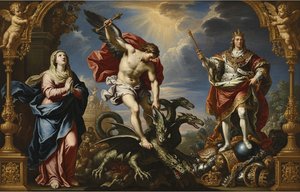
The Dramatic Flourish: Exploring Themes of Power, Faith & Emotion in Baroque Artworks
Explore the dramatic world of Baroque art! Discover masters like Zurbarán & the powerful influence of religious zeal on painting techniques. Expert insights for collectors and enthusiasts.

The Dramatic Flourish: Exploring the Baroque Movement's Enduring Legacy in Art History
Explore the dramatic world of Baroque art! Discover iconic artists like Caravaggio & Rubens, defining techniques, and its lasting impact on art history. Expert insights for collectors & enthusiasts at OriginalUniqueArt.

The Enduring Power of Painting: A Historical & Contemporary Exploration of Form and Emotion
Explore the rich history & enduring techniques of oil painting with OriginalUniqueArt. Discover masterpieces, learn about art collecting, and find authentic handmade reproductions crafted by skilled artists.
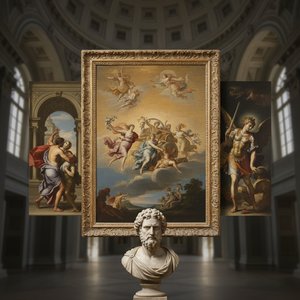
Guido Reni: A Study in Baroque Classicism & Artistic Perfection
Explore the life & work of Guido Reni, a master of Baroque classicism. Discover his iconic religious & mythological paintings, and understand his enduring influence on art history. Expert analysis for collectors.

Barokk dráma: A nagyság és az érzelem bevonása a kortárs belső terekbe
Fedezze fel a barokk stílus nagyságát és drámáját! Ismerje meg a belsőépítészet jellegzetességeit, inspirálódjon híres enteriőrökből, és valósítsa meg álmai luxus otthonát szakértő útmutatásunkkal.