

 Előnézet
 Megosztás
 Megosztás
 Részletek
 Útmutató

 Letöltés
 Hasonló darabok
 X-ray felvétel
 Diavetítés
 Statisztika
Ecce Homo


 Tovább olvasom
Giclée / Műnyomat
Múzeumi minőségű giclée vagy vászonnyomat, gyors gyártással és rugalmas finomítási lehetőségekkel. ( Kézzel festett másolat vásárlása Áttérés digitális képre)




P118B Ft10

P118H Ft10

P118W Ft10

P438Z Ft10

P508JH Ft12

P508YH Ft12

P805H Ft10

P805Z Ft10

P919BZ Ft10

P919G Ft10

P919XJ Ft10

P959ZH Ft10

P968JZ Ft12

W106C Ft8

W218G Ft10

W218JH Ft8

W218Y Ft10

W307PJ Ft10

W316G Ft10

W316PJ Ft8

W316Y Ft10

W398PJ Ft8

W4111J Ft10

W500HY Ft15

W500JH Ft15

W692G Ft12

W849H Ft8

W940BG Ft15

W953PJ Ft8




Válasszon előre meghatározott méreteink közül, amelyek megfelelnek a műalkotás eredeti arányainak.

Megadhat saját méreteket is egy konkrét kerethez vagy helyszínhez igazítva. Amennyiben a kiválasztott méret nem egyezik az eredeti kép arányokkal, a műalkotást le fogjuk vágni, vagy kiegészítjük a képet tükrözött vagy egyszínű szélekkel. A gyártás megkezdése előtt egy digitális tervezetet küldünk jóváhagyásra.
Kérjük, vegye figyelembe, hogy a képernyőn látható előnézet nem tükrözi a tényleges levágást vagy kiegészítést. Csak a tervezet mutatja pontosan a végső kompozíciót.
Bár az egyedi méretek is elérhetőek, az eredeti arányok megőrzése érdekében azt javasoljuk, hogy válasszon a előre meghatározott listából származó méretet.
Világszerte történő kiszállítás területére mindössze 2 hét alatt, a szokásos 4-5 hét helyett. (13 október)

Ingyenes globális expressz szállítás

Prémium minőségű len vászon

Teljes körű szállítási biztosítás

Vámvisszatérítési Garancia

Tökéletes színarányosság garancia

100 napos visszaküldési garancia (csak gyártási hibás termékek esetén)

100% pénzvisszatérítési garancia

Több darab vásárlásakor kedvezmény
 Az üvegkeretes opció csak 110 cm alatti méretben érhető el

Ecce Homo
Giclée / Műnyomat
Reprodukció méretei
-


Összesített ár
Ft 25070
Ecce Homo: A Portrait of Suffering by Guido Reni
Guido Reni’s “Ecce Homo,” painted in 1639, is more than just a depiction of a biblical scene; it's a profound meditation on human suffering and divine judgment. Executed during a pivotal moment in the Counter-Reformation, this monochrome masterpiece embodies the Baroque aesthetic’s emphasis on emotional intensity and dramatic realism. The painting portrays Jesus Christ – “Ecce Homo,” Latin for "Behold the Man” – presented to the crowd by Pontius Pilate, a scene laden with theological and psychological weight.
- Subject Matter: The artwork centers around the iconic moment when Pilate forces Jesus before the throng, offering him as the culprit for the unrest in Jerusalem. This event is central to Christian theology, representing humanity’s flawed judgment and God's ultimate sacrifice.
- Style & Technique: Reni masterfully employs a restrained yet powerful style characteristic of his mature work. The composition is meticulously balanced, drawing the viewer’s eye directly to Jesus’ face – an expression of profound sorrow and resignation. His brushwork is remarkably smooth, creating a sense of stillness that amplifies the emotional impact. The use of monochrome enhances the solemnity and emphasizes the stark reality of the scene.
The Artist: Guido Reni - A Classicist at Work
Guido Reni (1575-1642), born in Bologna, was a key figure in the transition from Mannerism to Baroque painting. His early training under Denis Calvaert exposed him to Flemish influences, particularly in anatomical detail and dramatic lighting. However, Reni quickly surpassed his teacher, developing a distinctly classical style marked by its elegance, refined technique, and profound understanding of human emotion. He was part of a group of artists who sought to revive the ideals of classical art, emphasizing harmony, proportion, and idealized beauty – qualities that resonated deeply with the Catholic Church during this period.
- Background: Reni’s career flourished in Rome, Naples, and Bologna. He was influenced by the Carracci brothers, but forged his own path, creating works that are both technically brilliant and emotionally resonant.
- Key Influences: His work reflects a deep engagement with classical antiquity, particularly Roman sculpture and painting. This influence is evident in the idealized portrayal of Christ’s figure and the careful attention to detail.
Symbolism and Emotional Impact
“Ecce Homo” is rich in symbolic meaning. Jesus' open eyes, gazing upwards, convey a sense of acceptance and resignation – he understands his fate. The thorns on his crown represent suffering and humiliation, while the cross symbolizes sacrifice and redemption. The surrounding figures, though largely indistinct, represent the indifferent crowd, highlighting humanity’s failure to recognize Christ’s divinity. Reni's ability to capture such raw emotion is remarkable; it invites viewers to contemplate themes of faith, guilt, and forgiveness.
- Color & Light: The absence of color intensifies the emotional impact, focusing attention on form and expression.
- Compositional Dynamics: The diagonal lines created by Christ’s body and the cross draw the viewer into the scene, creating a sense of movement and drama.
A Timeless Masterpiece – Recreated for Today
OriginalUniqueArt.com is proud to offer meticulously crafted hand-painted reproductions of Guido Reni's “Ecce Homo.” Each reproduction captures the essence of this iconic artwork, faithfully recreating Reni’s masterful technique and profound emotional depth. Whether you are an art collector seeking a significant addition to your collection or an interior designer looking for a statement piece that evokes contemplation and reverence, our hand-painted reproductions provide an unparalleled opportunity to experience the power and beauty of this timeless masterpiece. Own a piece of art history – order your “Ecce Homo” reproduction today.
Gyakran Ismételt Kérdések
Milyen érzelmet közvetít a Baroque korszakból származó "Ecce Homo" című alkotás?
A Baroque irányzaton belül, a "Ecce Homo" egy Melancholic hangulatban készült.
What other names is Guido Reni known by?
Other names recorded for Guido Reni, creator of "Ecce Homo", include Le Guide, Reni Guido, Guido Reni (Teljes Név).
Mennyire ismert a Guido Reni alkotása: "Ecce Homo"?
A „Ecce Homo”, Guido Reni alkotása népszerűségi szintje Recognized. Ez a besorolás azt tükrözi, mennyire ismert és elismert ez a mű.
„Ecce Homo”, Guido Reni alkotása festmény, rajz vagy grafika?
A katalógusban a „Ecce Homo”, Guido Reni alkotása alkotás a WallArt kategóriába tartozik. Ez a besorolás segít hasonló művek megtalálásában.
Honnan érkeznek „Ecce Homo”, Guido Reni alkotása látogatói?
A „Ecce Homo”, Guido Reni alkotása Statisztika oldala a nyilvános látogatási statisztikákat mutatja be: az alkotás havi látogatottságát, összehasonlításban a művész legnézettebb alkotásaival, valamint a látogatók származási helyét.
Milyen hangulatot áraszt egy enteriőrben „Ecce Homo”, Guido Reni alkotása?
A Dramatic hangulatával a "Ecce Homo" című alkotás egy Dining Room helyiségbe is javasolt.
Mely művész és mely stílus áll a "Ecce Homo" mögött?
A „Ecce Homo” alkotását Guido Reni készítette Baroque stílusban. A művész és a műveszetség meghatározza a mű hagyományát.
„Ecce Homo”, Guido Reni alkotása színei tel愈tek vagy fakók?
A „Ecce Homo”, Guido Reni alkotása alkotás Muted telítettségű színekkel készült.
A művész életrajza
Guido Reni (Le Guide): Élete és öröksége
Guido Reni, becéző nevén Le Guide, 1575-ben született Bolognában, Olaszországban. Daniele Reni zenész és Ginevra Pozzi, szintén zenei családból származó nő fia volt. Ez a környezet mély érzékét ébresztette benne a harmóniával és a formával kapcsolatban, ami később jelentősen befolyásolta művészi stílusát. Már kilencéves korában elkezdett tanulni Denis Calvaert flamand festőnél Bolognában. Albani és Domenichino társaságában képezte magát, megalapozva klasszikus elveket követő tudását.
Művészi pályafutása és fejlődése
Reni művészi karrierje több olasz várost is átfogott, beleértve Rómát, Nápolyt és szülővárosát, Bolognát. Korai munkái Calvaert és a Carracci testvérek hatását mutatják, hangsúlyozva az anatómiai pontosságot és a drámai kompozíciót. Azonban Reni hamarosan egyedi stílust alakított ki, amelyet elegáns klasszicizmus, kifinomult technika és érzelmi intenzitás jellemezett. A Bolognai Iskola meghatározó alakjává vált, amely az akadémiai képzésre és az idealizált formákra helyezte a hangsúlyt.
Főbb hatások
- Denis Calvaert: Reni első tanára erős alapot adott neki a flamand festészeti technikákban.
- A Carracci család (Annibale, Agostino, Ludovico): Klasszikus művészetre és anatómiai tanulmányokra való hangsúlyuk mélyen befolyásolta művészi fejlődését.
- Raphael: Reni nagyra becsülte Raphael kecsességét és harmonikus kompozícióit, amelyek számos munkájában megfigyelhetők.
Főbb művei és művészeti stílusa
Reni életműve széles tárgykört ölel fel, beleértve vallási jeleneteket, mitológiai történeteket és allegorikus ábrázolásokat. Legünnepeltebb alkotásai közé tartoznak:
- Apolló a nap szekerén (Albertina, Bécs): Egy dinamikus rajz, amely Reni barokk stílusának mesterségét mutatja be.
- Szent Jakab nagyobb: Képezi képességének bizonyítékát vallási hevület és emberi érzelmek megragadásában.
- Atalanta és Hippomenes (Capodimonte Palota, Nápoly): Mitológiai festményeinek példája, amelyet kecses alakok és drámai történetmesélés jellemez.
- Szent Jeromos: Tanúbizonyság Reni képességéről a kompozíciót az érzelmi mélységgel egyensúlyozni.
- Tarantella (Capodimonte Palota, Nápoly): Illusztrálja hatását az olasz néptánckultúrára.
Reni stílusát gyakran eklektikus klasszicizmusként írják le. Ötvözte a klasszikus művészet pontosságát a barokk korszak dinamizmussal és érzelmeivel. Alakjai tipikusan idealizáltak, békés szépséggel és kecses mozgással rendelkeznek.
Történelmi jelentősége és öröksége
Guido Reni kulcsfontosságú szerepet játszott az olasz magas barokk stílus formálásában. Több generációt inspirált kifinomult technikájával, elegáns kompozícióival és érzelmi mélységével. Művei a világ számos neves múzeumában találhatók meg, beleértve a nápolyi Capodimonte Palotát is. Reni öröksége a festészeten túlmutat; kora tiszteletreméltő költője és intellektuális alakja volt.
Művészete ma is inspirálja az alkotókat és a művészet szerelmeseit, megerősítve helyét a 17. század egyik legfontosabb festőjeként. Hatása megfigyelhető a későbbi barokk művészeknél, akik kecsességét és érzelmi erejét kívánták utánozni.
Halála
Guido Reni 1642-ben halt meg Bolognában, gazdag művészeti örökséget hagyva maga után, amely a mai napig lenyűgözi a közönséget.

Guido Reni
1575 - 1642 , Olaszország
Gyors információk
- Artistic Movement Or Style: Barokk, Bolognai iskola
- Artists Or Movements Influenced By This Artist: Nincs adat
- Artists Who Influenced This Artist:
- Denis Calvaert
- Carracci család
- Date Of Birth: 1575
- Date Of Death: 1642
- Full Name: Guido Reni (Le Guide)
- Nationality: Olasz
- Notable Artworks (List Of Titles):
- Apollo szekéren
- Szent Jakab nagyobb
- Atalanta és Hippomenes
- Place Of Birth (City And Country): Bologna, Olaszország
Kapcsolódó cikkek

Baroque Classicism: The Grandeur of Order and Drama in 17th-Century Art History
Explore the profound elegance of Baroque Classicism. Discover how 17th-century masters synthesized dramatic emotion with classical order through the lens of the Counter-Reformation and the works of legends like Carlo Maratta and Andrea Sacchi.

A Barokk Mesterek 10 Legikonikusabb Remekműve – OriginalUniqueArt.com
Fedezze fel a barokk művészet 10 legpártosabb remekművét! Caravaggio, Rembrandt és Vermeer alkotásainak története – OriginalUniqueArt.com kínálatában exkluzív reprodukciók és inspiráló dekorációs ötletek várják Önt. Nézze meg most!

The Visceral Stage: Exploring Dramatic Narratives & Emotional Intensity in Baroque Art
Explore the dramatic world of Baroque art! Discover iconic masters like Caravaggio & Rembrandt, their techniques, and the movement's lasting impact. Expert insights for collectors & enthusiasts at OriginalUniqueArt.

The Dramatic Flourish: Exploring the Baroque Movement's Enduring Legacy in Art History
Explore the dramatic world of Baroque art! Discover iconic artists like Caravaggio & Rubens, defining techniques, and its lasting impact on art history. Expert insights for collectors & enthusiasts at OriginalUniqueArt.
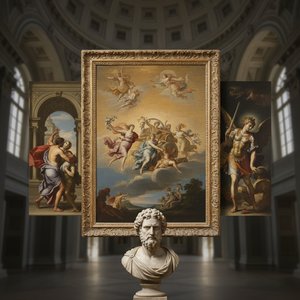
Guido Reni: A Study in Baroque Classicism & Artistic Perfection
Explore the life & work of Guido Reni, a master of Baroque classicism. Discover his iconic religious & mythological paintings, and understand his enduring influence on art history. Expert analysis for collectors.