Előnézet
 Megosztás
 Megosztás
 Részletek
 Útmutató

 Letöltés
 Hasonló darabok
 X-ray felvétel
 Diavetítés
 Statisztika
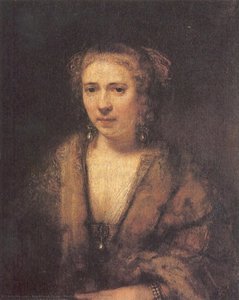
Man with a Beard
 Neoclassicism
 73.0 x 64.0 cm
 Tovább olvasom
Kézzel készített olajfestmény reprodukció
Kézzel festett olajvastú vászon, az Ön által választott méretben és keretben, művészeink készítik meglévőre. ( Váltás nyomtatványra Áttérés digitális képre)




P118B Ft10

P118H Ft10

P118W Ft10

P438Z Ft10

P508JH Ft12

P508YH Ft12

P805H Ft10

P805Z Ft10

P919BZ Ft10

P919G Ft10

P919XJ Ft10

P959ZH Ft10

P968JZ Ft12

W106C Ft8

W218G Ft10

W218JH Ft8

W218Y Ft10

W307PJ Ft10

W316G Ft10

W316PJ Ft8

W316Y Ft10

W398PJ Ft8

W4111J Ft10

W500HY Ft15

W500JH Ft15

W692G Ft12

W849H Ft8

W940BG Ft15

W953PJ Ft8




Válasszon előre meghatározott méreteink közül, amelyek megfelelnek a műalkotás eredeti arányainak.

Írja be a kívánt szélességet és magasságot, hogy illeszkedjen a keretéhez vagy a falához. Mivel ez kézzel festett alkotás, egy eltérő formájú méret esetén a művész akár festhet is valamivel többet a kép körül, vagy korolathat is belőle — az Ön döntésének megfelelően. A festés megkezdése előtt küldünk egy digitális tervezetet jóváhagyásra. Az oldalon látható kép nem tartalmazza a végeredményt — csak a tervezet mutatja meg a valódi eredményt.
A rendelést követően a OriginalUniqueArt.com csapata e-mailt küld az ügyfélnek az instrukciókért, és biztosít egy előnézeti képet (mockup).
Világszerte elérhető szállítás () 3-4 hét alatt a szokásos 5 hét helyett. (23 október). A minőség nem kérdőjelezhető.

Ingyenes globális expressz szállítás

Prémium minőségű len vászon

Teljes körű szállítási biztosítás

Vámvisszatérítési Garancia

Tökéletes színarányosság garancia

100 napos visszaküldési garancia (csak gyártási hibás termékek esetén)

100% pénzvisszatérítési garancia

Több darab vásárlásakor kedvezmény
 Az üvegkeretes opció csak 110 cm alatti méretben érhető el

Man with a Beard
Reprodukciós technika
Reprodukció méretei
-


Összesített ár
Ft 95869
A Study in Baroque Realism: Rembrandt Peale’s “Man with a Beard”
This captivating portrait, *“Man with a Beard,”* by American artist Rembrandt Peale (1778-1860), offers a compelling glimpse into the artistic sensibilities of the late 18th and early 19th centuries. While initially questioned for its authenticity – some scholars once attributing it to an 18th-century imitator – modern consensus firmly establishes this work as Peale’s own, demonstrating his mastery of Baroque realism and dramatic chiaroscuro. The painting depicts a dignified gentleman in three-quarter view, rendered with meticulous detail that invites close inspection. The subject's gaze is direct yet subtly introspective, creating an immediate connection with the viewer.Technique & Style: Echoes of the Dutch Masters
Peale’s artistic lineage is evident in this work. Named after the renowned Dutch master Rembrandt van Rijn, Peale consciously emulated the techniques of the Golden Age painters, particularly in his use of light and shadow. The painting showcases a predominantly earthy palette – rich browns, ochres, and blacks – skillfully layered with oil paint to create depth and texture. Notice the rough fabric of the man’s coat, contrasted with the carefully rendered curls of his beard and hair. Chiaroscuro, the dramatic interplay between light and dark, is central to the composition, emphasizing the subject's facial features and lending a sense of gravitas to the portrait. While influenced by Dutch Baroque masters, Peale’s style also reflects elements of French Neoclassicism, acquired during his time in Paris, resulting in a unique blend of influences.Historical Context & The Peale Legacy
Rembrandt Peale was not only a talented artist but also a pioneering museum keeper. He established the first purpose-built museum in the United States – *The Peale Museum* in Baltimore – dedicated to showcasing art, natural history, and scientific curiosities. Peale is particularly celebrated for his portraits of prominent figures like George Washington and Thomas Jefferson, often creating multiple replicas to broaden access to these iconic images. “Man with a Beard” exemplifies Peale’s dedication to detailed representation and his commitment to establishing a distinctly American artistic identity. The painting's history traces back to the collection of Sir William Knighton in England before finding its way into contemporary collections, highlighting its enduring appeal across continents and generations.Symbolism & Emotional Resonance
Portraits during this period often served as statements of wealth, status, and social standing. The subject’s attire and dignified pose suggest a man of means and influence. However, the painting transcends mere representation; it invites contemplation on the inner life of the sitter. The subtle expression hints at introspection and perhaps even melancholy. The use of shadow, particularly around the eyes, adds to this sense of mystery and emotional depth. For interior designers, this artwork offers a classic focal point, lending an air of sophistication and historical significance to any space. Its rich color palette complements both traditional and contemporary settings, making it a versatile addition to diverse collections.Gyakran Ismételt Kérdések
Milyen más nevét vagy álname""")vét használ még Rembrandt Peale?
Rembrandt Peale a következő más néven is ismert: Charles Willson Peale, Rubens Peale, Titian Peale.
Általánosságban inkább világos vagy sötét a "Man with a Beard"?
A "Man with a Beard" alkotás fényerisége összességében deep_shadow, luminanciája pedig Dark.
Rembrandt Peale pályájának mely időszakához tartozik a „Man with a Beard”?
Rembrandt Peale pályaművében a „Man with a Beard” a Mature Period korszakba tartozik. Ez az időszak segít összehasonlíthatóvá tenni a művet a művész többi alkotásával.
A művész életrajza
A Legacy of Likeness: The Life and Art of Rembrandt Peale
Rembrandt Peale, born in Bucks County, Pennsylvania, in 1778, emerged from a family deeply rooted in the burgeoning artistic landscape of early America. His father, Charles Willson Peale, wasn’t merely an artist; he was a cultural force – a painter, museum founder, and a fervent believer in art's power to shape national identity. It was within this stimulating environment that young Rembrandt received his foundational training, alongside his siblings, learning the techniques of portraiture and landscape painting from their father’s skilled hand. The very name “Rembrandt,” echoing the Dutch master Harmenszoon van Rijn, signaled Charles Willson Peale's aspirations for his son – a hope that he would carry forward a tradition of artistic excellence. From an astonishingly young age, Rembrandt demonstrated remarkable aptitude, completing his first self-portrait at just thirteen years old, a work already hinting at the precision and ambition that would characterize his mature style. This early piece wasn’t simply a display of technical skill; it was a declaration of intent – a young artist asserting his presence on the American art scene.Formative Years and Neoclassical Influences
Peale's artistic journey took him to Paris in his early thirties, an experience that profoundly shaped his aesthetic sensibilities. Immersed in the heart of European culture, he encountered the prevailing currents of French neoclassicism – a style emphasizing order, clarity, and a return to classical ideals. This influence is readily apparent in Peale’s subsequent work, characterized by its refined draftsmanship, balanced compositions, and meticulous attention to detail. While his father's portraits often possessed a certain rustic vitality, Rembrandt’s leaned towards a more polished and idealized representation of his subjects. He embraced the encaustic technique during this period – an ancient method utilizing wax as a medium – demonstrating a commitment to exploring innovative approaches to painting. He studied the works of the old masters in the Louvre and the Luxembourg Gallery, absorbing their techniques and understanding of light and shadow. This exposure ignited within him a desire to capture not just likenesses but also the very essence of his subjects, imbuing each portrait with a sense of dignity and character.A Prolific Portraitist: Capturing an Era
Rembrandt Peale’s career was remarkably prolific, marked by a relentless pursuit of artistic perfection and a dedication to documenting the prominent figures of his time. He became particularly renowned for his portraits of George Washington, creating over seventy replicas of his iconic “Patriae Pater” (Father of His Country). These images weren't merely representations of physical appearance; they were carefully constructed symbols of national pride and leadership. Peale understood the power of portraiture to shape public perception and contribute to the creation of a collective memory. Beyond Washington, he painted numerous other influential individuals – Thomas Jefferson, John C. Calhoun, and various members of the American elite. His portraits weren’t limited to political figures; he also captured the likenesses of ordinary citizens, offering a glimpse into the lives and aspirations of everyday Americans. *Man with a Beard*, though undated, exemplifies his skill in capturing individual character and psychological depth. Each brushstroke reveals not just physical features but also hints at the sitter’s inner life. He sought to capture not only their outward appearance but also their personality, intellect, and social standing.Beyond the Canvas: The Peale Museum and Enduring Legacy
Rembrandt Peale's contributions extended beyond the realm of painting; he was a visionary museum founder, driven by a desire to educate the public and promote artistic appreciation. In 1814, he established his first museum in Baltimore, Maryland – a groundbreaking institution that served as a precursor to many modern art museums. This wasn’t simply a gallery for displaying artworks; it was conceived as a center for learning, offering exhibitions of paintings, sculptures, and natural history specimens. The museum later became the second Baltimore City Hall before being restored as the Peale Museum, continuing his legacy of public service through art. His commitment to making art accessible to all reflects a deeply held belief in its transformative power. He also created *Court of Death*, a hauntingly beautiful depiction of mortality that showcased his ability to evoke emotion and explore complex themes. Today, Rembrandt Peale’s works are housed in prestigious collections around the world, including the National Portrait Gallery in Washington D.C., and continue to be celebrated for their historical significance and artistic merit. His influence can be seen in the work of subsequent generations of American portrait painters, solidifying his place as a pivotal figure in the nation's art history.A Lasting Impression
Rembrandt Peale’s life was one dedicated to both artistic creation and cultural enrichment. He wasn’t simply a painter; he was a historian, an educator, and a champion of American identity. His portraits offer invaluable insights into the personalities and values of his era, while his museum served as a beacon of enlightenment in a rapidly changing nation. His legacy endures not only through his numerous artworks but also through his pioneering spirit and unwavering commitment to the power of art. He left behind a body of work that continues to inspire and captivate audiences today, reminding us of the enduring importance of preserving our cultural heritage and celebrating the achievements of those who came before us.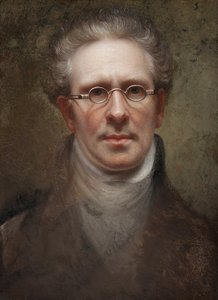
Rembrandt Peale
1778 - 1860 , Egyesült Államok
Gyors információk
- Artistic Movement Or Style: Neoklasszicizmus
- Artists Or Movements Influenced By This Artist: ['Charles Willson Peale']
- Artists Who Influenced This Artist: ['Rembrandt van Rijn']
- Date Of Birth: 1778-02-22
- Date Of Death: 1860-10-03
- Full Name: Rembrandt Peale
- Nationality: Amerikai Egyesült Államok
- Notable Artworks:
- George Washington
- Thomas Jefferson
- Man with a beard
- Place Of Birth: Bucks County, USA
Kapcsolódó cikkek

Golden Age Reflections: Dutch Baroque Painting & Cultural Innovation
Explore the Dutch Golden Age of painting! Discover key artists like Vermeer & ter Borch, their innovative techniques, and the rich cultural context behind these Baroque masterpieces. Learn about collecting & appreciating this iconic art period.

A Hollandi Aranykor 10 Mesterműve: Festmények, Amelyek Megváltoztatták a Világot | OriginalUniqueArt.com
Fedezze fel a Hollandi Aranykor 10 legikonikusabb műalkotását! Rembrandt, Vermeer és más mesterek festményeinek történeteit olvassa el. Barokk stílus, klasszikus művészet – inspirálódjon otthon dekorációjához a OriginalUniqueArt.com-on! Fedezze fel a teljes gyűjteményt online.

Rembrandt legikonikusabb művei: 25 mestermű a vászonon – OriginalUniqueArt
Fedezze fel Rembrandt van Rijn 25 legikonikusabb művét! Barokk portrék, bibliai jelenetek és önarcképek a Holland aranykorból. Művészeti reprodukciók prémium minőségben – OriginalUniqueArt. Explore the full collection online!

Golden Light & Dutch Skies: The Timeless Magic of Dutch Golden Age Landscapes
Discover the breathtaking beauty of Dutch Golden Age landscapes. Explore the mastery of light, chiaroscuro, and 17th-century realism through an expert art history lens, celebrating the enduring legacy of the Dutch Masters for discerning collectors and art lovers.

A Hollandi Barokk 10 Mesterműve: Festmények, Amelyek Megváltoztatták a Világot | OriginalUniqueArt
Fedezze fel a holland barokk 10 legikonikusabb műalkotását! Rembrandt, Vermeer és más mesterek festményeinek története, technikája és időtálló szépsége. Művészeti reprodukciók prémium minőségben – OriginalUniqueArt.com.