

 Előnézet
 Megosztás
 Megosztás
 Részletek
 Útmutató

 Letöltés
 Hasonló darabok
 X-ray felvétel
 Diavetítés
 Statisztika
Flora
 Oil
Oil- WallArt
- Neoclassical
 1634
1634 125.0 x 101.0 cm
 Hermitázsmúzeum
 Tovább olvasom
Vásároljon nagy felbontású, javított digitális képet, amely minőségében messze felülmúlja az online előnézetet.
Minden fájlt szakembereink a legmodernebb eszközök és precíz, kézi retusálás segítségével készítenek el aprólékosan. Gondoskodunk arról, hogy minden kép kivételes tisztasággal, pontos színhelyességgel és részletgazdag finomsággal rendelkezzen.
A végleges fájl 72 órán belül e-mailben megérkezik, professzionális, szerkesztői és nyomtatási környezetbe optimalizálva az azonnali használathoz. Ez ugyanaz a minőség, amelyben a legmeghatározóbb tervezőstúdiók, kiadók és galériák is megbízhatnak.
Digitális kép
Töltsön le nagy felbontású fájlt személyes kiállításokhoz, nyomtatáshoz és kreatív projektekhez. ( Váltás nyomtatványra Kézzel festett másolat vásárlása)
Minden digitális kép rendeléséhez tartozó extrák
Szakértői digitális kézbesítés, garantáltan
Amikor a OriginalUniqueArt.com szolgáltatást választja, nem csupán egy képet kap – professzionálisan felmagasított digitális műalkotást kap, amely precizitással készült, és amelyet megelégsedési gwarancia tesz biztoslássá. Az alábbiakban automatikusan minden benne 】

Gyors e-mail teslimítés
A nagy felbontású digitális képmásolatát a megrendelést követő 72 órán belül e-mailben elküldjük Önnek – azonnal használható formátumban.

MI-alapú digitális képjavítás
Műve professzionális módon kerül optimalizálásra fejlett mesterséges intelligencia eszközök és manuális szerkesztés segítségével, biztosítva a maximális részletességet, tisztaságot és színpontosságot.

Örök életű ingyenes újradatás
Véletlenül törölted vagy elvesztetted a fájlodat? Ne aggódj – bármikor ingyen újra megküldjük neked.

Nincs importköltség – soha
Élvezze műalkotásait azonnal, vám, illeték vagy szállítási költség nélkül – a digitális letöltések mindig adamentesek.

Színpontosság garantálása
Professzionális eszközök és színkezelés segítségével garantáljuk, hogy digitális képe a lehető legpontosabban tükrözze az eredeti színeket.

100 napos elégedettségi garancia
Ha nemມີ elégedett a digitális képével, 100 napon belül felülvizsgáljuk vagy 100% visszatérítjük az amountot – kérdés बिना.

100% Pénzvisszatérítési garancia
Nem tetszett a vásárlás? 100 napon belül teljes visszatérítést garantálunk a digitális fájl megvételétől számítva – kérdés nélkül.

Tömegrendelési kedvezmények
Vásároljon 3 képet, spóroljon 10%-et - Vásároljon 5-öt, spóroljon 15%-et - Vásároljon 10+ képet, spóroljon 20%-at. Kiváló kreatív projektekhez, galériákhoz és ügynökségekhez.
Rembrandt Peale’s “Flora”: A Whisper of Spring and Renaissance Grace
“Flora,” painted in 1634 by Rembrandt Peale, isn't merely a depiction of a flower; it’s an invitation into a world brimming with classical elegance, burgeoning scientific curiosity, and the nascent spirit of American artistic identity. This exquisite portrait, rendered in delicate oil on panel, captures a young woman – likely Peale’s sister, Maria – surrounded by a profusion of blossoms, each petal meticulously observed and lovingly rendered. The painting immediately evokes the serene beauty of a Renaissance garden, yet it possesses a distinctly American sensibility, reflecting the burgeoning interest in natural history and botanical illustration that was taking root during this transformative period.
Peale’s artistic lineage is deeply intertwined with the intellectual currents of his time. His father, Charles Willson Peale, was not just an artist but a pioneering museum founder and naturalist, establishing America's first public museum in Philadelphia. This environment profoundly shaped Rembrandt’s artistic development, instilling within him a deep appreciation for both art and science. The painting itself demonstrates this dual fascination; the meticulous detail with which each flower is portrayed speaks to Peale’s scientific eye, while the overall composition adheres to the principles of classical portraiture – a deliberate homage to the Italian masters like Titian and Raphael.
The Language of Flowers: Symbolism and Nuance
Beyond its aesthetic beauty, “Flora” is rich in symbolic meaning. Flowers have long held profound significance throughout history, each blossom carrying layers of cultural and personal interpretation. In this painting, the abundance of flowers – roses, violets, lilies, and poppies – represents a celebration of spring’s renewal, fertility, and beauty. The inclusion of specific blooms also hints at deeper meanings; roses often symbolize love and passion, while lilies represent purity and innocence. Notably, the central figure's attire—a flowing gown adorned with floral motifs—further emphasizes her connection to nature and the cyclical rhythms of life.
The careful arrangement of the flowers isn’t arbitrary; it’s a deliberate composition designed to create harmony and balance. Peale masterfully utilizes negative space, allowing each bloom to breathe and stand out against the muted background. The woman's pose is graceful and contemplative, suggesting an appreciation for the natural world and a quiet connection with its beauty. Her gaze, directed slightly off-camera, invites the viewer into her private world of observation and contemplation.
Technique and Artistic Influence
Peale’s technique in “Flora” showcases his mastery of oil painting and his keen eye for detail. He employs a soft, luminous palette, utilizing subtle gradations of color to create a sense of depth and atmosphere. The brushstrokes are delicate yet confident, capturing the velvety texture of the petals and the shimmering light on their surfaces. The influence of Titian is particularly evident in Peale’s use of chiaroscuro – the dramatic contrast between light and shadow – which adds volume and realism to the figures and flowers.
Furthermore, “Flora” reflects the growing interest in botanical illustration during the 17th and 18th centuries. Peale's work aligns with a broader trend of scientific observation and artistic representation, as naturalists sought to document and disseminate knowledge about the plant kingdom. The painting’s meticulous detail and accurate depiction of floral forms demonstrate Peale’s commitment to both art and science – a hallmark of his legacy.
A Legacy in Reproduction: Bringing “Flora” Home
Today, “Flora” stands as a testament to Rembrandt Peale's artistic vision and the vibrant cultural landscape of early America. While the original painting resides in the Hermitage Museum in St. Petersburg, Russia, high-quality reproductions offer an accessible way to experience its timeless beauty. A hand-painted replica from OriginalUniqueArt.com captures the essence of Peale’s masterpiece, faithfully recreating the delicate details, luminous colors, and evocative symbolism of this remarkable work. “Flora” is more than just a painting; it's a window into a bygone era—a celebration of nature, art, and the enduring spirit of American creativity.
Művész életrajza
A Legacy of Likeness: The Life and Art of Rembrandt Peale
Rembrandt Peale, born in Bucks County, Pennsylvania, in 1778, emerged from a family deeply rooted in the burgeoning artistic landscape of early America. His father, Charles Willson Peale, wasn’t merely an artist; he was a cultural force – a painter, museum founder, and a fervent believer in art's power to shape national identity. It was within this stimulating environment that young Rembrandt received his foundational training, alongside his siblings, learning the techniques of portraiture and landscape painting from their father’s skilled hand. The very name “Rembrandt,” echoing the Dutch master Harmenszoon van Rijn, signaled Charles Willson Peale's aspirations for his son – a hope that he would carry forward a tradition of artistic excellence. From an astonishingly young age, Rembrandt demonstrated remarkable aptitude, completing his first self-portrait at just thirteen years old, a work already hinting at the precision and ambition that would characterize his mature style. This early piece wasn’t simply a display of technical skill; it was a declaration of intent – a young artist asserting his presence on the American art scene.Formative Years and Neoclassical Influences
Peale's artistic journey took him to Paris in his early thirties, an experience that profoundly shaped his aesthetic sensibilities. Immersed in the heart of European culture, he encountered the prevailing currents of French neoclassicism – a style emphasizing order, clarity, and a return to classical ideals. This influence is readily apparent in Peale’s subsequent work, characterized by its refined draftsmanship, balanced compositions, and meticulous attention to detail. While his father's portraits often possessed a certain rustic vitality, Rembrandt’s leaned towards a more polished and idealized representation of his subjects. He embraced the encaustic technique during this period – an ancient method utilizing wax as a medium – demonstrating a commitment to exploring innovative approaches to painting. He studied the works of the old masters in the Louvre and the Luxembourg Gallery, absorbing their techniques and understanding of light and shadow. This exposure ignited within him a desire to capture not just likenesses but also the very essence of his subjects, imbuing each portrait with a sense of dignity and character.A Prolific Portraitist: Capturing an Era
Rembrandt Peale’s career was remarkably prolific, marked by a relentless pursuit of artistic perfection and a dedication to documenting the prominent figures of his time. He became particularly renowned for his portraits of George Washington, creating over seventy replicas of his iconic “Patriae Pater” (Father of His Country). These images weren't merely representations of physical appearance; they were carefully constructed symbols of national pride and leadership. Peale understood the power of portraiture to shape public perception and contribute to the creation of a collective memory. Beyond Washington, he painted numerous other influential individuals – Thomas Jefferson, John C. Calhoun, and various members of the American elite. His portraits weren’t limited to political figures; he also captured the likenesses of ordinary citizens, offering a glimpse into the lives and aspirations of everyday Americans. *Man with a Beard*, though undated, exemplifies his skill in capturing individual character and psychological depth. Each brushstroke reveals not just physical features but also hints at the sitter’s inner life. He sought to capture not only their outward appearance but also their personality, intellect, and social standing.Beyond the Canvas: The Peale Museum and Enduring Legacy
Rembrandt Peale's contributions extended beyond the realm of painting; he was a visionary museum founder, driven by a desire to educate the public and promote artistic appreciation. In 1814, he established his first museum in Baltimore, Maryland – a groundbreaking institution that served as a precursor to many modern art museums. This wasn’t simply a gallery for displaying artworks; it was conceived as a center for learning, offering exhibitions of paintings, sculptures, and natural history specimens. The museum later became the second Baltimore City Hall before being restored as the Peale Museum, continuing his legacy of public service through art. His commitment to making art accessible to all reflects a deeply held belief in its transformative power. He also created *Court of Death*, a hauntingly beautiful depiction of mortality that showcased his ability to evoke emotion and explore complex themes. Today, Rembrandt Peale’s works are housed in prestigious collections around the world, including the National Portrait Gallery in Washington D.C., and continue to be celebrated for their historical significance and artistic merit. His influence can be seen in the work of subsequent generations of American portrait painters, solidifying his place as a pivotal figure in the nation's art history.A Lasting Impression
Rembrandt Peale’s life was one dedicated to both artistic creation and cultural enrichment. He wasn’t simply a painter; he was a historian, an educator, and a champion of American identity. His portraits offer invaluable insights into the personalities and values of his era, while his museum served as a beacon of enlightenment in a rapidly changing nation. His legacy endures not only through his numerous artworks but also through his pioneering spirit and unwavering commitment to the power of art. He left behind a body of work that continues to inspire and captivate audiences today, reminding us of the enduring importance of preserving our cultural heritage and celebrating the achievements of those who came before us.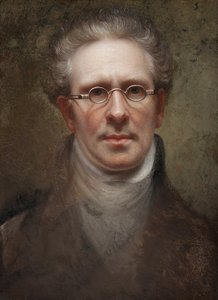
Rembrandt Peale
1778 - 1860 , Egyesült Államok
Rövid tények
- Artistic Movement Or Style: Neoklasszicizmus
- Artists Or Movements Influenced By This Artist: ['Charles Willson Peale']
- Artists Who Influenced This Artist: ['Rembrandt van Rijn']
- Date Of Birth: 1778-02-22
- Date Of Death: 1860-10-03
- Full Name: Rembrandt Peale
- Nationality: Amerikai Egyesült Államok
- Notable Artworks:
- George Washington
- Thomas Jefferson
- Man with a beard
- Place Of Birth: Bucks County, USA