

 Előnézet
 Megosztás
 Megosztás
 Részletek
 Útmutató

 Letöltés
 Hasonló darabok
 X-ray felvétel
 Diavetítés
 Statisztika
Playing Marbles
 Acrylic On Canvas
- WallArt
- Landscape & Portrait Painting
 1928
1928 51.0 x 60.0 cm
 Courtauld Galéria
 Tovább olvasom
Az ezen az oldalon megjelenített műalkotások szerzői jogi védelem alatt állnak, ami azt jelenti, hogy törvényileg nem készíthetünk és nem adhatunk el belőlük pontos másolatokat. Ez a védelem olyan nemzetközi megállapodások alapján érvényesül, mint például a Berni Egyezmény és a nemzeti törvények által, beleértve azokat is, amelyeket meghatározott Az USA szerzői jogi törvénye – 17. cím.
Ez a módszer teljes mértékben megfelel a szerzői jogi szabályozásnak, mivel nem tartalmazza a védett műalkotás másolását vagy duplikálását. Ehelyett ez egy kreatív újinterpretáció – egy új festmény, amely az eredetivel való összefüggései miatt hatással van rá, de nem az az.
Giclée / Műnyomat
Múzeumi minőségű giclée vagy vászonnyomat, gyors gyártással és rugalmas finomítási lehetőségekkel. ( Kézzel festett másolat vásárlása Áttérés digitális képre)




P118B Ft10

P118H Ft10

P118W Ft10

P438Z Ft10

P508JH Ft12

P508YH Ft12

P805H Ft10

P805Z Ft10

P919BZ Ft10

P919G Ft10

P919XJ Ft10

P959ZH Ft10

P968JZ Ft12

W106C Ft8

W218G Ft10

W218JH Ft8

W218Y Ft10

W307PJ Ft10

W316G Ft10

W316PJ Ft8

W316Y Ft10

W398PJ Ft8

W4111J Ft10

W500HY Ft15

W500JH Ft15

W692G Ft12

W849H Ft8

W940BG Ft15

W953PJ Ft8




Válasszon előre meghatározott méreteink közül, amelyek megfelelnek a műalkotás eredeti arányainak.

Írja be a keretének vagy a falának megfelelő szélességet és magasságot. A nyomatot csak le lehet vágni, soha nem tehető nagyobbá, mint az eredeti kép, így egy eltérő alakú méretnél a kép egy része elveszik. Mielőtt bármit kinyatintanánk, küldünk egy digitális próbamodellt jóváhagyásra. Az oldalon látható kép nem tartalmazza a valós levágást — ezt csak a próbamodell mutatja meg.
Világszerte történő kiszállítás területére mindössze 2 hét alatt, a szokásos 4-5 hét helyett. (22 október)

Ingyenes globális expressz szállítás

Prémium minőségű len vászon

Teljes körű szállítási biztosítás

Vámvisszatérítési Garancia

Tökéletes színarányosság garancia

100 napos visszaküldési garancia (csak gyártási hibás termékek esetén)

100% pénzvisszatérítési garancia

Több darab vásárlásakor kedvezmény
 Az üvegkeretes opció csak 110 cm alatti méretben érhető el

Playing Marbles
Giclée / Műnyomat
Reprodukció méretei
-


Összesített ár
Ft 25565
Playing Marbles - A Portrait of Childhood Innocence
Raymond James Coxon’s “Playing Marbles,” completed in 1928, stands as a testament to the enduring fascination with capturing fleeting moments of human experience—specifically, the carefree joy of childhood. Executed in oil on panel, this artwork embodies the stylistic hallmarks of Landscape & Portrait Painting and Abstract Works, reflecting Coxon's evolving artistic sensibilities throughout his prolific career. The painting depicts children engrossed in a game of marbles in what appears to be an outdoor setting – likely a garden or courtyard – capturing a scene brimming with youthful energy and camaraderie.Composition and Technique
Coxon’s masterful brushwork contributes significantly to the artwork's emotive power. Thick impasto—a technique where paint is applied thickly onto the surface—creates textural richness, emphasizing the rough earth beneath the children’s feet and conveying a palpable sense of immediacy. The artist employs a muted palette dominated by earthy tones – browns, greens, and ochres – mirroring the natural environment and fostering a feeling of tranquility. Careful attention to detail is evident in the depiction of the boys' faces, capturing expressions of concentration and delight as they manipulate their marbles. Coxon’s use of light and shadow subtly enhances the scene’s atmosphere, casting soft illumination on the figures and highlighting the contours of their bodies.Historical Context: The Jazz Age Aesthetic
“Playing Marbles” aligns itself with the broader artistic trends of the Jazz Age (1920s), a period characterized by optimism, experimentation, and a rejection of Victorian conventions. Artists like Coxon embraced bold forms and expressive brushstrokes as a reaction against academic realism—a stylistic shift that prioritized emotional resonance over meticulous representation. The artwork’s subject matter – children at play – speaks to the humanist values prevalent during this era, reflecting a desire to celebrate human connection and spontaneity.Symbolism: Representing Playful Curiosity
Beyond its formal qualities, “Playing Marbles” carries symbolic significance. The game itself represents curiosity, exploration, and engagement with the world around us—themes that resonate deeply within the depiction of youthful innocence. The marbles themselves can be interpreted as symbols of potential, aspiration, and the simple pleasures of life. Coxon’s deliberate choice of subject matter underscores the importance of preserving childhood memories and celebrating the beauty of everyday experiences.Emotional Impact: A Snapshot of Happiness
Ultimately, “Playing Marbles” succeeds in conveying a profound emotional impact—a feeling of warmth, contentment, and uncomplicated joy. The artist's skillful rendering captures not just the visual appearance of the scene but also its intangible essence. Viewers are transported back to a time of carefree laughter and unburdened imagination, reminding us of the enduring value of childhood wonder. Coxon’s masterpiece remains an evocative reminder that art can illuminate the most fundamental aspects of human experience.- Artist: Raymond James Coxon
- Year Created: 1928
- Medium: Oil on Panel
- Dimensions: 51 x 60 cm
- Location: The Courtauld, London (Samuel Courtauld Trust)
Gyakran Ismételt Kérdések
Ismertebb műalkotás a „Playing Marbles”, Raymond James Coxon alkotása?
A "Playing Marbles" mű a Recognized kategóriába sorolható.
Hogyan építhető be „Playing Marbles”, Raymond James Coxon alkotása a lakberendezésbe?
A "Playing Marbles" művet ajánljuk Accent célokra, a javasolt helyszín pedig egy Living Room
Hol vásárolhatok egy nyomtatványt a(z) „Playing Marbles”, Raymond James Coxon alkotása alkotásból?
A "Playing Marbles" minőségi giclée nyomat pamutvászonon vagy archiváló vászonpapíron formátumban is elérhető. A rendelést a Minőségi műalkotás nyomat oldalon lehet megtenni, a kívánt méretben.
A művész életrajza
Egy évszázad látomása: Raymond James Coxon élete és öröksége
A XX. századi brit művészet történetét gyakran hirtelen kialakuló irányzatokon és radikális váltásokon keresztül meséljük el, azonban kevés élet embodies a művészeti evolúció tartós szellemét olyan mélyen, mint Raymond James Coxondié. 1896-ban, Staffordshire, Hanley városában született, Coxon utazása a rendkívüli hosszú távú kitartás és stilisztikai sokféleség története volt, amely majdnem egy teljes évszázadnyi kreatív felfedezést ölt be. Életét a történelem viharos hullámai formálták meg, a Nagy Háború borzalmas élményeitől kezdve a háború utáni újjáépítés csendes, kontemplatív pillanataiig. Ez a hatalmas időbeli vászon lehetővé tette számára, hogy tanúja legyen — és részt vegyen — a brit esztétikai táj dönüşülegében, elmozdulva ifjúsága klasszikus alapköveiről a finomabb és kísérletezőbb modernizmus felé.
Coxon művészeti identitását a Leeds School of Art és a Royal College of Art tekintélyes termelerinde ötvözte. Életének e formálódó éveiben alakult ki mély tisztelete a technikai mesterség iránt, egy tulajdonság, amelyet olyan befolyásos alakok irányítása alatt neveltek, mint Sir William Rothenálló. Korai akadémiai sikerei nem voltak kevesebb, mint ambiciózusak; diplomás szakdolgozata, Masaccio Ki expulsion a paradicsomból című művének ihlette monumentális freskója, egy olyan fiatal művész képességét mutatta be, aki képes volt kezelni a grandiózus, klasszikus narratívákat és a komplex emberi érzelmeket. Ezt az időszakot jelentős társadalmi kapcsolatok is jellemezték, leginkább egy legendás szobrászművészszel, Henry Mooreral kialakult barátsággal, amely Coxont olyan művészek vibráló köreébe helyezte, akik újra határozták meg a brit szobrászat és festészet határait.
A csatatértől a vászonig
Coxon pályafutása irrevocálisan megváltozott, amikor az első világháború során a Gépkarban szolgált. Bár a konfliktus hatalmas szenvedést hozott, egy egyedülálló, kézzelfogható perspektívát is biztosított, amely örökre meghatározta megfigyelő képességét. Lovas részlegben szolgálva Coxon akvarell-miniatúrákat használt a frontvonalak múló, gyakran brutális valóságának dokumentálására. Ezek a kicsi méretű alkotások intim ablakként szolgáltak a káoszba borult világba, precizitást és a hangulat megörökítésének képességét követelve, ami később művészetének jellegzetességeivé vált. Ez az dokumentálási időszak mély érzéket ébresztett benne a „pillanat” fontosságáról — arról a képességről, hogy az ecset hegyén keresztül megfagyaszta az időt.
A évtizedek előrehaladtával Coxon munkássága kezdte tükrözni a tiszta reprezentatív formákból való lenyűgöző távozást. Bár mélyen gyökerezett a táj- és portréfestészet hagyományaiban, egyértelmű vonzerőt gyakorolt rá az absztrakció. Tárazói képei, mint például az evocatív Dewpond, Surrey, mesteri uralmat demonstrálnak a fény felett és a topográfián, mégis utalnak a természet világának mélyebb, strukturálisabb megértésére is. Hasonlóképpen portréi, mint például az elegáns Model Resting, a tónusok és formák kifinomult használatát mutatják be a karakter és a jelenlét közvetítésében, ötvözve képzése klasszikus fegyelmét a textúra és a tér modern érzékiséggel.
Tartós művészeti benyomás
Raymond James Coxon jelentősssége nemcsak témái szélességében rejlik, hanem abban a képességben is, hogy releváns maradjon a változó művészeti korszakokon keresztül. Művészete hidat képez a late viktoriánus korszak traditionalista értékei és a XX. század közepének kísérletező szelleme között. Legyen szó Tremadoc nyers szépségének megörökítéséről vagy az emberi alak összetettségének felfedénéséről, Coxon munkássága hűséges marad a festészet mesterségéhez való őszinte elkötelezettségnek.
Életének visszatekintése valójában a brit művészet fejlődésének nyomvonulása:
- Technikai mesterség: Klasszikus alapelveken és szigorú akadémiai képzésen built alap.
- Történelmi tanú: Egy művész, akinek látásmódját a globális konfliktus közvetlen élménye élesítette.
- Stilisztikai sokféleség: Zökkenőmentes átmenet a részletgazdag akvarell-miniatúráktól a merész, absztrakt felfedezésekig.
- Tartós hatás: Örökség, amelyet a körülötte lévő világ megfigyelésének és értelmezésének élethosszig tartó szentélye határoz meg.

Raymond James Coxon
1896 - 1997 , Egyesült Királyság
Gyors információk
- Artistic Movement Or Style: Tájkép- és portréfestészet; Absztrakt művek
- Artists Or Movements Influenced By This Artist: ['Masaccio']
- Artists Who Influenced This Artist: ['Henry Moore']
- Date Of Birth: 1896. augusztus 18.
- Date Of Death: 1997. január 31.
- Full Name: Raymond James Coxon
- Nationality: Brit
- Notable Artworks:
- Model Resting
- Tremadoc
- Midday
- Place Of Birth: Hanley, Egyesült Királyság
Kapcsolódó cikkek

John Constable 25 Mesterműve: A Természet Lényege Vászonon – OriginalUniqueArt.com
Fedezze fel John Constable 25 legszebb művészeti alkotását! Ismerje meg a romantika ikonikus tájképeit, Dedham Vale szépségét és a természet lenyűgöző ábrázolásait. Vászonkép reprodukcióinkkal eleganciát csempészhet otthonába – OriginalUniqueArt.com
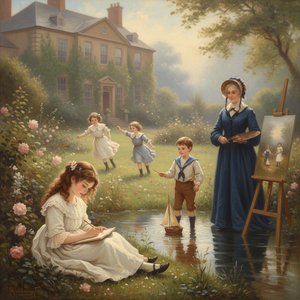
James Sant: Capturing Victorian Childhood & the Evolving Landscape of British Genre Painting
Explore the life & art of James Sant (1820-1916), renowned Victorian portraitist to Queen Victoria. Discover his captivating depictions of childhood, landscapes, and aristocratic society. Learn about his legacy & find fine art reproductions.

A Romantikus Tájképfestészet 10 Legikonikusabb Műalkotása – OriginalUniqueArt.com
Fedezze fel a romantikus tájképfestészet 10 legikonikusabb műalkotását! Caspar David Friedrich, J.M.W. Turner és más mesterek festményeinek története – inspiráló olajfestmények otthonába. OriginalUniqueArt.com: múzeumi minőségű reprodukciók és egyedi dekorációk online.

Evoking Atmosphere & Identity: A Journey Through Landscape Painting's History
Explore the rich history of landscape painting! Discover renowned artists, movements like Romanticism, & techniques such as atmospheric perspective. Find inspiration and quality reproductions at OriginalUniqueArt.

Evocations of Place: A Historical Journey Through Landscape Art
Explore the rich history of landscape art with OriginalUniqueArt. Discover renowned artists, movements like Impressionism & Romanticism, and expert guidance for collecting timeless pieces. Find your perfect serene escape today!
