- Főoldal

- Olajfestmény reprodukció
- ray austin crooke
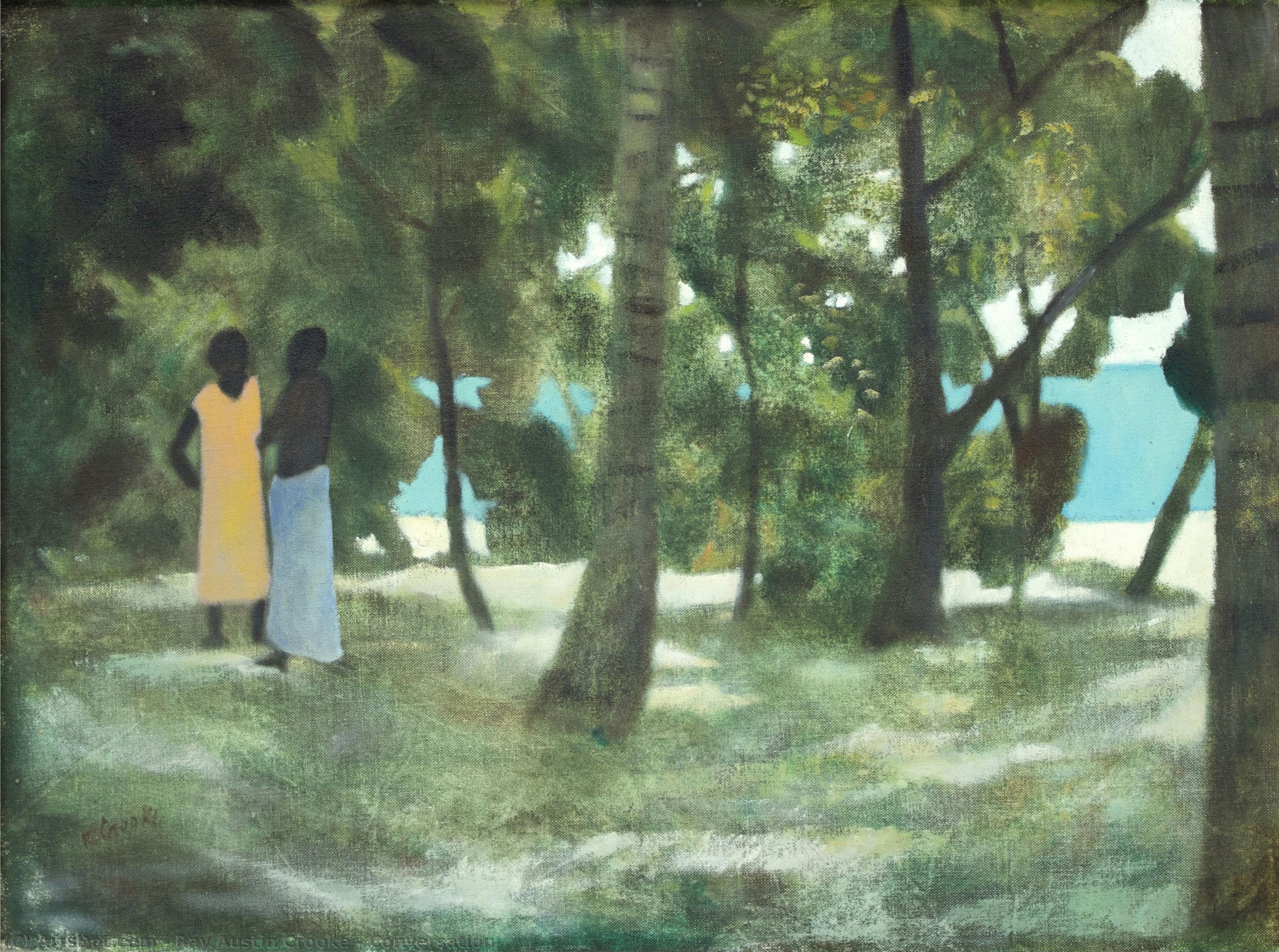
- Conversation
 Nyomat vásárlása Kép letöltése
 Megosztás
 Megosztás
 Részletek
 Kedvencekhez ad

 Letöltés
 Hasonló alkotások
 X-ray felvétel
 Diavetítés
Conversation
 Contemporary Realism
 2000
2000- Contemporary
 63.0 x 3.0 cm
 Central Goldfields Art Gallery
 Tovább olvasom
Kézzel készített olajfestmény reprodukció
Kézzel festett olajvastú vászon, az Ön által választott méretben és keretben, művészeink készítik meglévőre.




P118B $10

P118H $10

P118W $10

P438Z $10

P508JH $12

P508YH $12

P805H $10

P805Z $10

P919BZ $10

P919G $10

P919XJ $10

P959ZH $10

P968JZ $12

W106C $8

W218G $10

W218JH $8

W218Y $10

W307PJ $10

W316G $10

W316PJ $8

W316Y $10

W398PJ $8

W4111J $10

W500HY $15

W500JH $15

W692G $12

W849H $8

W940BG $15

W953PJ $8




Válasszon előre meghatározott méreteink közül, amelyek megfelelnek a műalkotás eredeti arányainak.

Ön megadhat saját méreteket egy adott kerethez vagy térhez igazításhoz. Ha a kiválasztott méret nem egyezik az eredeti kép arányával, akkor a műalkotást levágjuk, vagy további kézzel festett elemekkel meghosszabbítjuk a festményt. A gyártás megkezdése előtt küldünk Önnek egy digitális előnézetet jóváhagyásra.
Kérjük, vegye figyelembe, hogy a képernyőn megjelenő előnézet nem tükrözi a tényleges vágást vagy kiterjesztést. Csak az előnézet fog pontosan mutatni a végső kompozíciót.
Bár egyedi méretek állnak rendelkezésre, javasoljuk, hogy válasszon egy méretet az előre meghatározott listából az eredeti arányok megőrzése érdekében.
A rendelést követően a OriginalUniqueArt.com csapata e-mailt küld az ügyfélnek az instrukciókért, és biztosít egy előnézeti képet (mockup).
Világszerte elérhető szállítás () 3-4 hét alatt a szokásos 5 hét helyett. (23 július). A minőség nem kérdőjelezhető.

Ingyenes globális expressz szállítás

Prémium minőségű len vászon

Teljes szállítási biztosítás

Vámvisszatérítési Garancia

Tökéletes színpontosság garancia

60 napos visszaküldési lehetőség (csak gyártási hibák esetén)

100%-os pénzvisszatérítési garancia

Kedvezmény több termény esetén
 Az üvegkeretes opció csak 110 cm alatti méretben érhető el

Conversation
Reprodukciós technika
A reprodukció mérete
-


Összesített ár
-
A műalkotás leírása
A Quiet Encounter in the Shadows of Nature
In the evocative piece titled Conversation, the renowned Australian master Ray Austin Crooke invites us into a moment of profound stillness. This work, captured with a delicate sensitivity to form and atmosphere, presents a black and white study of two figures positioned within a lush, wooded landscape. On the left, a man stands in quiet contemplation, while on the right, a woman completes the intimate pairing. The composition is anchored by the rhythmic verticality of surrounding trees, which frame the subjects and draw the eye toward the distant, shimmering presence of water. There is an undeniable sense of peace found in this meeting; it is as if time itself has paused to allow these two souls to share a wordless connection amidst the breathing forest.
The technique employed here speaks to Crooke’s legendary ability to manipulate light and shadow, even within a monochromatic palette. By stripping away color, the artist forces the viewer to focus on the textures of the landscape—the rough bark of the trees, the soft drapery of the woman's long dress, and the ethereal quality of the light filtering through the canopy. This mastery of tonal range creates a depth that feels almost tactile, making the scene feel less like a flat image and more like a window into a memory. The way the distant water reflects the sky adds a layer of luminosity, preventing the dark woods from feeling heavy and instead imbuing them with a serene, dreamlike quality.
The Legacy of a Master of Light
To understand the emotional weight of Conversation, one must consider the broader context of Ray Austin Crooke’s illustrious career. As an Archibald Prize winner, Crooke possessed a unique gift for capturing the essence of his subjects, whether they were portraits of notable figures or the sweeping vistas of the Australian tropics. His experiences during World War II and his time in Northern Australia deeply informed his artistic soul, instilling in him a reverence for the quiet, untouched corners of the world. In this particular work, we see the echoes of that reverence; the painting serves as a testament to the beauty found in solitude and the sacredness of human connection within the natural realm.
For the discerning collector or interior designer, this reproduction offers more than just a visual element for a room; it provides an emotional anchor. The monochromatic elegance of the piece allows it to integrate seamlessly into sophisticated, modern interiors, acting as a focal point that encourages reflection and calm. It is a work that does not shout for attention but rather commands it through its understated grace. Bringing Conversation into a living space means inviting the tranquil spirit of the Australian landscape and the timeless beauty of a shared moment into the heart of the home.
A művész életrajza
Ray Austin Crooke: A Painter of Tranquility and Tropical Echoes
Ray Austin Crooke (12 July 1922 – 5 December 2015) was an Australian landscape artist renowned for his serene depictions of islander communities and expansive ocean vistas, often imbued with the spirit of Paul Gauguin’s artistic vision. His legacy rests not merely in capturing visual beauty but also in reflecting a formative experience—serving in the armed forces during World War II—which profoundly shaped both his sensibility and his artistic approach. Crooke's journey from humble beginnings to celebrated Archibald Prize winner exemplifies the resilience and transformative power of circumstance within the context of Australian art history.Early Life and Influences
Born in Auburn, Victoria, Ray Crooke’s childhood was marked by exposure to his father’s passion for art—Gordon Crooke, an accountant who instilled in young Ray a deep appreciation for visual expression. Crucially, he also benefited from the influence of his mother, euphemia, a nurse who had grown up on Aboriginal missions, fostering empathy and awareness of Indigenous culture – elements that would later permeate his artistic oeuvre. Leaving school at fifteen, Crooke initially pursued an advertising career while diligently honing his artistic skills through classes at Swinburne Technical College. This pragmatic grounding combined with intellectual curiosity proved invaluable as he embarked upon a path toward formal art education.The Shaping Influence of War Service
Like many artists of his generation—Guy Warren and Tony Tuckson—Crooke’s artistic development was irrevocably altered by the exigencies of World War II. Enlisting in the Victorian Scottish Regiment in August 1941, he served with distinction during the conflict, initially stationed in Victoria before transferring to Western Australia and subsequently Northern Queensland coastal bases. This relocation provided him with a lifelong fascination for the tropics—a landscape that would become recurring subject matter in his paintings. The experience instilled discipline, broadened his worldview, and fostered an understanding of human resilience under pressure – qualities that translated into a distinctive artistic voice.A Breakthrough Moment: The Archibald Prize Victory
Crooke’s artistic breakthrough arrived in 1969 with the triumphant recognition of his portrait of George Johnston by the Archibald Prize jury. This prestigious award cemented his reputation as one of Australia's leading landscape painters and secured a place for his work within the University of Queensland’s collection, alongside portraits of Xavier Herbert and Sir Zelman Cowen. However, Crooke’s artistic identity extended beyond portraiture; he achieved particular renown for his evocative representations of islander life and ocean panoramas—works that drew inspiration from Gauguin's stylistic innovations. His meticulous attention to detail and masterful use of color captured the essence of tropical environments with remarkable accuracy and emotional resonance.Notable Works and Artistic Style
Crooke’s artistic style was characterized by a deliberate restraint, mirroring the stillness and silence he sought to convey in his paintings—a stylistic choice that resonated deeply with James Gleeson's assessment of Crooke’s art as “that for the art historian only began to transform once one discovered the stillness and the silence that lay at its heart.” He was responsible for the dust-jacket illustrations for several books, demonstrating versatility beyond the canvas. Among his most celebrated paintings are *Last Light, Normanton*, a haunting depiction of twilight over the Gulf of Carpentaria, reflecting his formative experience in Northern Queensland during World War II; and *The Old Boat,* capturing the weathered beauty of coastal Tasmania. These works exemplify Crooke’s ability to distill complex emotions into simple visual forms—a testament to his artistic vision and enduring legacy.Legacy and Historical Significance
Ray Austin Crooke's contribution to Australian art extends beyond individual masterpieces; he embodies a generation of artists who emerged from the crucible of wartime service, carrying with them an indelible imprint of experience and observation. His unwavering dedication to capturing the sublime beauty of the natural world—particularly tropical landscapes—established him as a pivotal figure in shaping Australia’s artistic landscape. Crooke's work continues to inspire admiration for its quiet contemplation and profound connection to place—a reminder that art can illuminate not only visual splendor but also the complexities of human existence within broader historical contexts.
ray austin crooke
1922 - 2015 , Australia
Rövid tények
- Artistic Movement Or Style: Landscape painting; Gauguin-inspired art
- Artists Or Movements Influenced By This Artist: ['Paul Gauguin']
- Artists Who Influenced This Artist:
- Guy Warren
- Tony Tuckson
- Date Of Birth: July 12, 1922
- Date Of Death: December 5, 2015
- Full Name: Ray Austin Crooke
- Nationality: Australian
- Notable Artworks: ['George Johnston']
- Place Of Birth: Auburn, Australia
Kapcsolódó cikkek

A Fehér Szín Mesterei: 10 Híres Festmény, Amelyek Elvarázsolnak – OriginalUniqueArt.com
Fedezze fel a 10 legikonikusabb fehér tónusú festményt! Monet, Van Gogh és más mesterek alkotásainak története. Vászonképek, reprodukciók – inspiráció otthonába. OriginalUniqueArt.com: minőségi művészet online.

Monochrome Visions: Exploring the Aesthetic & Historical Significance of Black & White Photography
Explore the rich history & artistic power of black and white photography. From early techniques to iconic masters like Ansel Adams, discover why monochrome continues to captivate art lovers today. Expert insights for collectors.

A Fekete Szín Mesterei: 10 Híres Festmény, Amelyek Elvarázsolnak – OriginalUniqueArt.com
Fedezze fel a 10 leghíresebb, fekete tónusú festményt! Rembrandt, Goya és Manet remekművei elvarázsolják. Művészettörténet, inspiráció otthonába – OriginalUniqueArt.com kínálatából. Fedezze fel a teljes gyűjteményt online!
Francis Bacon legkiemelkedőbb művei: 25 lenyűgöző alkotás a modern művészetben | OriginalUniqueArt.com
Fedezze fel Francis Bacon 25 legkiemelkedőbb művét! Ismerje meg a modern művészet ikonikus festőjének sötét, érzelmes világát. Vászonképek, portrék és absztrakt alkotások – inspiráció otthonába. OriginalUniqueArt.com: múzeumi minőségű reprodukciók és exkluzív dekorációk online.
A Monokróm Művészet Top 10 Legikonikus Darabja – OriginalUniqueArt.com
Fedezze fel a monokróm művészet 10 legikonikus darabját! Ismerje meg Barnett Newman, Yves Klein és más mesterek történetét. Vásároljon minőségi reprodukciókat és inspirálódjon otthoni dekorációjához a OriginalUniqueArt.com-on.

