Megtekintés
 Küldés
 Megosztás
 Részletek
 Útmutató

 Letöltés
 Hasonló darabok
 X-ray felvétel
 Diavetítés
 Statisztika
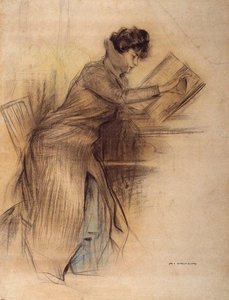
White Lady
 Acrylic On Canvas
- WallArt
- Modernisme
 1891
1891- 19th Century
 55.0 x 35.0 cm
 Cau Ferrat Múzeum
 Összes részlet megjelenítése
Kézzel készített olajfestmény reprodukció
Kézzel festett olajvastú vászon, az Ön által választott méretben és keretben, művészeink készítik meglévőre. ( Váltás nyomtatványra Áttérés digitális képre)




P118B Ft10

P118H Ft10

P118W Ft10

P438Z Ft10

P508JH Ft12

P508YH Ft12

P805H Ft10

P805Z Ft10

P919BZ Ft10

P919G Ft10

P919XJ Ft10

P959ZH Ft10

P968JZ Ft12

W106C Ft8

W218G Ft10

W218JH Ft8

W218Y Ft10

W307PJ Ft10

W316G Ft10

W316PJ Ft8

W316Y Ft10

W398PJ Ft8

W4111J Ft10

W500HY Ft15

W500JH Ft15

W692G Ft12

W849H Ft8

W940BG Ft15

W953PJ Ft8




Válasszon előre meghatározott méreteink közül, amelyek megfelelnek a műalkotás eredeti arányainak.

Írja be a kívánt szélességet és magasságot, hogy illeszkedjen a keretéhez vagy a falához. Mivel ez kézzel festett alkotás, egy eltérő formájú méret esetén a művész akár festhet is valamivel többet a kép körül, vagy korolathat is belőle — az Ön döntésének megfelelően. A festés megkezdése előtt küldünk egy digitális tervezetet jóváhagyásra. Az oldalon látható kép nem tartalmazza a végeredményt — csak a tervezet mutatja meg a valódi eredményt.
A rendelést követően a OriginalUniqueArt.com csapata e-mailt küld az ügyfélnek az instrukciókért, és biztosít egy előnézeti képet (mockup).
Világszerte elérhető szállítás () 3-4 hét alatt a szokásos 5 hét helyett. (27 október). A minőség nem kérdőjelezhető.

Ingyenes globális expressz szállítás

Prémium minőségű len vászon

Teljes körű szállítási biztosítás

Vámvisszatérítési Garancia

Hiteles színarányosság garancia

100 napos visszaküldési lehetőség (csak hibás termékek esetén)

100% pénzvisszatérítési garancia

Több darab vásárlásakor kedvezmény
 Az üvegkeretes opció csak 110 cm alatti méretben érhető el

White Lady
Reprodukciós technika
Reprodukció mérete
-


Összesített ár
Ft 96851
Ramon Casas i Carbó’s ‘White Lady’: A Portrait of Catalan Modernisme
Ramon Casas i Carbó's “White Lady,” painted in 1891, is more than just a portrait; it’s a delicately rendered window into the heart of Catalan Modernisme. This intimate scene captures a woman seated on a bench, an embodiment of quiet contemplation and understated elegance – a hallmark of Casas’s artistic vision. The painting immediately draws the eye to the subject's serene expression and the soft palette dominated by whites, pinks, and subtle greens, colors that evoke both fragility and resilience, reflecting the spirit of the era.
- Subject & Composition: The central figure, a woman in a flowing white dress with a blush-toned skirt, occupies the foreground with a sense of quiet dignity. Her hands folded demurely in her lap contribute to an atmosphere of stillness and introspection. The inclusion of a nearby chair subtly suggests a moment of respite, inviting the viewer into her private world.
- Technique & Style: Casas masterfully employs Impressionistic techniques, evident in his loose brushstrokes and emphasis on capturing fleeting moments of light and shadow. This approach is particularly noticeable in the rendering of the fabrics – the delicate folds of the dress and the subtle textures of the green plants – adding a remarkable level of realism to the scene.
A Window into Barcelona’s Modernista World
Painted during a pivotal moment in Catalan art history, “White Lady” reflects the burgeoning Modernisme movement that was transforming Barcelona. This period witnessed a rejection of traditional academic styles and an embrace of new influences – notably Impressionism and Japonisme – alongside a fervent desire to express Catalan identity through artistic expression. Casas, as a key figure within this movement, skillfully blended these diverse elements, creating a style uniquely his own.
- Historical Context: 1891 Barcelona was undergoing rapid industrialization and urbanization, yet simultaneously, there was a strong cultural revival focused on Catalan heritage. Casas’s work often depicted scenes of daily life in the city, capturing both its dynamism and its underlying traditions.
- The Artist's Influence: Casas’s connections within the artistic circles of Barcelona – including his friendships with figures like Santiago Rusiñol – further cemented his position as a leading voice of Modernisme.
Symbolism & Emotional Resonance
While seemingly simple in its composition, “White Lady” is rich in symbolic potential. The color white itself often represents purity and innocence, while the woman’s posture suggests vulnerability and contemplation. The green plants introduce a natural element, symbolizing life, growth, and perhaps even hope. The overall effect is one of quiet beauty and emotional depth – inviting viewers to ponder themes of solitude, reflection, and the transient nature of existence.
- Color Palette: The restrained color palette contributes significantly to the painting’s mood, creating a sense of calm and serenity.
- Light & Shadow: Casas's skillful use of light and shadow adds depth and dimension to the portrait, enhancing its realism and emotional impact.
A Timeless Masterpiece – A Perfect Reproduction
This hand-painted reproduction captures every nuance of Casas’s original masterpiece, offering a stunning addition to any art collection or interior space. The meticulous attention to detail, combined with the artist's signature Impressionistic style, ensures that this artwork will continue to captivate and inspire for generations to come. Whether you are an admirer of Modernisme, a collector seeking exceptional pieces, or an interior designer looking to create a sophisticated atmosphere, “White Lady” is a truly timeless investment.
Kérdések és válaszok
Milyen érzelmi hangulat kíséri a "White Lady" alkotás Modernisme stílusát?
A „White Lady” Reflective hangulata kíséri a Modernisme stílusát.
Mit ábrázol a „White Lady”, Ramón Casas alkotása, és milyen hangulatot áraszt?
A „White Lady”, Ramón Casas alkotása a portrait woman, catalan scene, white dress, bench seating, pink skirt, green plants, ramon casas elemeit ötvözi egy Ethereal hangulatú környezettel.
Mennyire intenzívek a "White Lady" színei?
A „White Lady”, Ramón Casas alkotása színei Subtle Color telítettséget és Balanced intenzitást mutatnak be.
A művész életrajza
Ramon Casas i Carbó: A katalán Modernisme úttörője
Ramon Casas i Carbó (1866. január 4. – 1932. február 5.) kiemelkedő spanyol festő és dekoratőr, a Modernisme mozgalom egyik jelentős alakja volt. Barcelonában született, és portréiról, zsánerképeiről, valamint a katalán élet ábrázolásairól ismert, amelyek egyedi stílusban ötvözik a realizmus és az impresszionizmus elemeit.
Korai Élete, Képzése és Művészi Kezdetei
- Születése és Családja: Casas gazdag családban született; apja jelentős vagyonra tett szert Kubában, míg édesanyja egy elismert katalán család sarja volt.
- Művészi Oktatása: Korán felismerve művészi hajlamát, 11 éves korában (1877-ben) felhagyott a formális iskolázással, hogy Joan Vicensnél tanuljon festészetet, ezzel kezdődött el dedikált művészeti útja.
- Első Művei és Elismerése: Kezdeti munkái elsősorban a katalán, spanyol és francia elit portréira és karikatúráira összpontosultak. Az Önarckép flamenco táncosként (1883) című festménye jelentős figyelmet keltett, ami meghívást eredményezett a Societé d'Artistes Français csatlakozására.
- Korai Sikerei: A Corrida de Toros (1884), amely dinamikus tömegjeleneteket ábrázolt, tovább erősítette hírnevét. A Intérieur du Moulin de la Galette (1891) című műve érmet nyert a berlini Nemzetközi Kiállításon, ami növekvő művészi érettségét mutatta.
Fejlődése és Kulcsfontosságú Művészeti Témái
- Az Impresszionizmus és a Realizmus Hatása: Casas stílusára mind az impresszionista technikák – ami fény- és színhasználatában nyilvánvaló –, mind pedig a hétköznapi élet és egyének realisztikus ábrázolásai jelentős hatást gyakoroltak.
- Katalán Identitás: Casas munkáinak visszatérő témája volt a katalán kultúra, társadalom és tájak ábrázolása. Gyakran festett jeleneteket a mindennapi élettől kezdve a fesztiválokig, valamint Katalónia kiemelkedő személyiségeinek portréit.
- Santiago Rusiñollal való Együttműködése: 1889-ben Casas jelentős művészeti utazásra indult Santiago Rusiñol társaságában, Katalónián keresztül utazva és tapasztalataikat vázlatokban és festményeken dokumentálva. Ez az együttműködés elősegítette a katalán identitás megértését és a vidéki élet felfedezését.
- A Societé d'Artistes Français-hez való Kötődése: A társasághoz való csatlakozása lehetővé tette Casas számára, hogy munkáit bemutassa a szalonjukban zsűrizés nélkül, ami nagyobb láthatóságot és elismerést biztosított neki a párizsi művészeti világban.
Főbb Eredményei és Jelentős Művei
- Portrék: Casas híres volt élénk és kifejező portréiról, amelyek nemcsak fizikai hasonlóságot ábrázoltak, hanem a tárgyak karakterét és személyiségét is megragadták. Például az Mr. Domínguez portréja (1899), amely ceruzarajzában mutatja meg képességét.
- Zsánerképek: Zsánerfestményei élénk pillanatfelvételeket kínáltak a katalán élettől kezdve a bikaviadalokig (Corrida de Toros), kávézókig és társasági összejövetelekig.
- Önarckép flamenco táncosként (1883): Ez a korai munka megalapozta egyedi stílusát, és demonstrálta portréfestészetének és színházi megjelenítésének képességét.
- Híres Személyiségek Ábrázolása: Casas készített portrékat kiemelkedő személyiségekről, mint például Isaac Albéniz zeneszerző, Jaume Massó költő és Albert Bernís író, ami megerősítette hírnevét keresett portréfestőként.
Öröksége és Történelmi Jelentősége
Ramon Casas i Carbó maradandó nyomot hagyott a katalán művészetben és a Modernisme mozgalomban. Munkáit ünneplik a katalán élet élénk ábrázolásaiért, kifejező portréiért, valamint a realizmus és az impresszionizmus sikeres ötvözéséért. Ma festményei rangos múzeumokban találhatók, mint például a Cau Ferrat Múzeumban (Sitges) és a Barcelonai Kortárs Művészeti Múzeumban, biztosítva művészi örökségének folyamatos inspirációját és lenyűgözését.

Ramón Casas
1866 - 1932 , Spanyolország
Rövid információk
- Artistic Movement Or Style: Katalán Modernizmus
- Artists Who Influenced This Artist:
- Realizmus
- Impresszionizmus
- Date Of Birth: 1866. január 4.
- Date Of Death: 1932. február 5.
- Full Name: Ramon Casas i Carbó
- Nationality: Spanyol
- Notable Artworks:
- Önarckép flamenco táncosként
- Corrida de toros
- Intérieur du moulin de la galette
- Place Of Birth: Barcelona, Spanyolország
Kapcsolódó cikkek

A Fehér Szín Mesterei: 10 Híres Festmény, Amelyek Elvarázsolnak – OriginalUniqueArt.com
Fedezze fel a 10 legikonikusabb fehér tónusú festményt! Monet, Van Gogh és más mesterek alkotásainak története. Vászonképek, reprodukciók – inspiráció otthonába. OriginalUniqueArt.com: minőségi művészet online.

Echoes of Time: Exploring the Enduring Appeal & Historical Context of Vintage Art Prints
Explore the captivating world of vintage art prints! Discover their history, collecting tips & enduring appeal. Expert insights on chromolithography and building a legacy collection with OriginalUniqueArt.

Giclée Prints: Archival Quality & Aesthetic Nuances for the Discerning Collector
Explore the world of giclée prints with OriginalUniqueArt. Learn about archival quality, aesthetic nuances & investment potential. Expert guidance for discerning art collectors seeking museum-quality reproductions and lasting value.
The Enduring Legacy of Printmaking: Techniques, Themes & Artistic Innovation Across Centuries
Explore the rich history of printmaking with OriginalUniqueArt. Discover techniques from intaglio to lithography, learn about collecting valuable prints & find museum-quality reproductions. Expert insights for art enthusiasts and collectors.

The Enduring Legacy of Fine Art Prints: Technique, History & Aesthetic Impact
Explore the rich history & techniques of fine art prints. Discover investment potential, assess authenticity, and learn how to preserve your collection with expert guidance. Trusted insights for discerning collectors.