
 Megtekintés
 Küldés
 Megosztás
 Részletek

 Letöltés
 Hasonló darabok
 X-ray felvétel
 Diavetítés
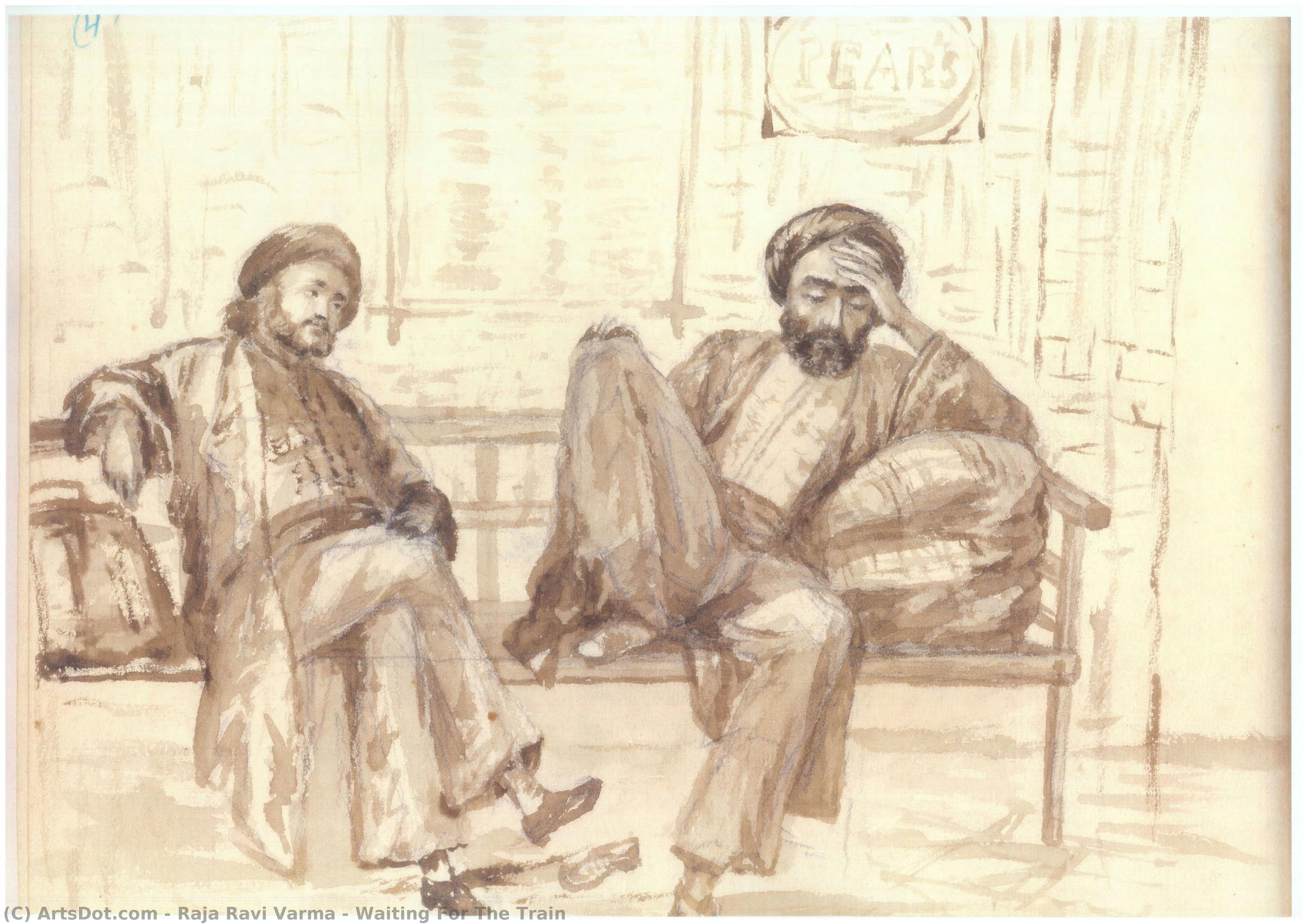
Waiting For The Train


 Összes részlet megjelenítése
Kézzel készített olajfestmény reprodukció
Kézzel festett olajvastú vászon, az Ön által választott méretben és keretben, művészeink készítik meglévőre. ( Nyomat rendelése Kép letöltése)




P118B $10

P118H $10

P118W $10

P438Z $10

P508JH $12

P508YH $12

P805H $10

P805Z $10

P919BZ $10

P919G $10

P919XJ $10

P959ZH $10

P968JZ $12

W106C $8

W218G $10

W218JH $8

W218Y $10

W307PJ $10

W316G $10

W316PJ $8

W316Y $10

W398PJ $8

W4111J $10

W500HY $15

W500JH $15

W692G $12

W849H $8

W940BG $15

W953PJ $8




Válasszon előre meghatározott méreteink közül, amelyek megfelelnek a műalkotás eredeti arányainak.

Ön megadhat saját méreteket egy adott kerethez vagy térhez igazításhoz. Ha a kiválasztott méret nem egyezik az eredeti kép arányával, akkor a műalkotást levágjuk, vagy további kézzel festett elemekkel meghosszabbítjuk a festményt. A gyártás megkezdése előtt küldünk Önnek egy digitális előnézetet jóváhagyásra.
Kérjük, vegye figyelembe, hogy a képernyőn megjelenő előnézet nem tükrözi a tényleges vágást vagy kiterjesztést. Csak az előnézet fog pontosan mutatni a végső kompozíciót.
Bár egyedi méretek állnak rendelkezésre, javasoljuk, hogy válasszon egy méretet az előre meghatározott listából az eredeti arányok megőrzése érdekében.
A rendelést követően a OriginalUniqueArt.com csapata e-mailt küld az ügyfélnek az instrukciókért, és biztosít egy előnézeti képet (mockup).
Világszerte elérhető szállítás () 3-4 hét alatt a szokásos 5 hét helyett. (13 augusztus). A minőség nem kérdőjelezhető.

Ingyenes globális expressz szállítás

Prémium minőségű len vászon

Teljes körű szállítási biztosítás

Vámvisszatérítési Garancia

Hiteles színpontosság garancia

60 napos visszaküldési lehetőség (csak hibás termékek esetén)

100% pénzvisszatérítési garancia

Több darab vásárlása esetén kedvezmény
 Az üvegkeretes opció csak 110 cm alatti méretben érhető el

Waiting For The Train
Reprodukciós technika
Reprodukció mérete
-


Összesített ár
$ 300
A műalkotás leírása
A Moment Suspended in Time: Analyzing "Waiting For The Train"
To gaze upon this evocative black and white drawing, "Waiting For The Train," is to be instantly transported to a liminal space—that charged moment between departure and arrival. It captures not merely two men on a bench, but the universal human experience of anticipation itself. The composition, rendered with careful draughtsmanship, places us at an outdoor station, a nexus point where journeys begin and end. The scattered suitcases are silent witnesses to untold stories, suggesting lives paused momentarily before the next great movement. One man, his hand raised near his face in a gesture that speaks volumes—is it contemplation, weariness, or deep thought? His companion watches him, an unspoken dialogue passing between them across the weathered wood of the bench.
The Artistry and Technique
While the original medium is a drawing, its enduring power lies in its narrative depth. The artist masterfully employs tonal contrast inherent to black and white work, allowing the subtle gradations of shadow and light to define mood as much as form. Notice the background detail: the visible clock face serves as a relentless, ticking reminder that time marches on, even when one wishes it would pause. Raja Ravi Varma, though known for his vibrant mythological scenes, demonstrates here a profound skill in capturing the mundane with such dramatic flair. The technique suggests an academic understanding of human anatomy and perspective, grounding the emotional weight of the scene within believable architectural and physical space.
Historical Echoes and Context
Dating to 1891, this piece emerges from a period of significant cultural confluence in India—a time when traditional artistic sensibilities were engaging with burgeoning European influences. The setting itself speaks to the railway age, an era that irrevocably changed human connection and movement across continents. For collectors today, owning a reproduction allows one to connect with this historical moment, appreciating how daily life was captured through the lens of grand technological shifts. It is a snapshot of transition, imbued with the weight of early 20th-century travel narratives.
Symbolism of Waiting and Connection
The symbolism here is rich and deeply resonant. The train itself represents destiny, change, and the unknown future. To wait for it is to confront one's own state of being—are we ready to move? Are we content to remain still? The interaction between the two figures suggests themes of companionship against the backdrop of individual journeys. They are together in this shared suspension, finding a quiet intimacy amidst the potential chaos of travel. This painting invites us to look inward: who are we waiting for, and what journey awaits us when the whistle finally blows?
Bringing the Scene Home
For interior design or personal contemplation, "Waiting For The Train" offers unparalleled atmospheric depth. Its monochromatic palette lends itself beautifully to sophisticated, moody interiors—think deep wood tones, aged metals, and rich textiles. It is not merely decoration; it is a conversation starter, an object that encourages pause. Owning this reproduction means curating a corner of your space dedicated to reflection, acknowledging the beauty found in the quiet moments between one chapter and the next.
A művész életrajza
The Princely Brush: Raja Ravi Varma and the Dawn of Modern Indian Painting
Raja Ravi Varma, a name that echoes through the halls of Indian art history, wasn’t merely a painter; he was a cultural architect, a bridge between tradition and innovation. Born in 1848 within the opulent walls of Kilimanoor Palace, nestled amidst the verdant hills of Kerala, his life unfolded as a remarkable synthesis of aristocratic privilege and an incandescent creative spirit. He didn't simply capture images on canvas; he breathed life into ancient myths, imbued them with human emotion, and ultimately, reshaped how India perceived its own artistic heritage. Ravi Varma’s lineage was deeply intertwined with the Travancore royal family – two of his daughters were later adopted into the court, a testament to his family's esteemed position. From a young age, he displayed an extraordinary aptitude for art, nurtured by his uncle, Raja Raja Varma, who introduced him to the world of drawing and painting, initially within the framework of the Tanjore School’s established traditions. However, Ravi Varma’s ambition quickly surpassed mere imitation; he yearned to master techniques that would allow him to translate not just likeness but also profound emotion and narrative depth onto his canvases.A Fusion of Worlds: Technique and Inspiration
Ravi Varma's artistic journey took a dramatic turn during his travels, primarily through interactions with British officials stationed in India. He became utterly captivated by the meticulous realism and technical precision of European academic painting – a style that emphasized perspective, anatomy, light, and shadow with unparalleled accuracy. Unlike many of his contemporaries who simply adopted these Western techniques superficially, Varma ingeniously integrated them into his own distinctly Indian artistic vision. His paintings transformed into vibrant stages for scenes drawn from the Ramayana, the Mahabharata, and the Puranas – epic tales brought to life with a newfound sense of naturalism and psychological complexity. He didn’t merely illustrate these religious narratives; he imbued them with relatable human emotions, creating characters that resonated deeply with viewers. This was a revolutionary shift in Indian art, moving away from stylized representations towards a more nuanced and emotionally engaging approach. Crucially, Ravi Varma mastered oil painting – a relatively novel medium in India at the time – which allowed him to achieve an unprecedented level of detail, luminosity, and expressive power. Consider his depiction of *Shakuntala*, for instance; her longing gaze and delicate posture convey a depth of feeling previously unseen in Indian art. Similarly, *The Maharani of Travancore* showcases not only regal beauty but also a profound sense of inner character.Democratizing Art: Lithographs and Public Appeal
Recognizing that the intricate detail and expense of original paintings rendered them inaccessible to the vast majority of Indians, Raja Ravi Varma took a bold step – he established the Raja Ravi Varma Fine Arts Lithographic Press in 1894. This groundbreaking venture marked a pivotal moment in Indian art history, effectively democratizing access to visual culture. By utilizing lithography, a printing technique that allowed for the mass production of affordable reproductions, Ravi Varma made his paintings—and the stories they depicted—available to a much wider audience. These lithographs weren’t mere copies; they were carefully considered interpretations, capturing the essence of his original works while maintaining their artistic integrity. Suddenly, images of Hindu deities and mythological scenes adorned homes across India, transforming into objects of worship and cultural pride. The impact was profound: it fostered a broader appreciation for visual culture and played a significant role in shaping popular perceptions of religious iconography. *Hansa Damayanthi*, perhaps one of his most beloved works, became widely disseminated through these lithographs, solidifying its place as an iconic image within Indian society.Royal Patronage and Artistic Development
Ravi Varma’s artistic development was significantly shaped by royal patronage. He began his career under the guidance of Rama Swamy Naidu, a palace painter who initially resisted teaching him oil painting due to concerns about competition. However, Arumugham Pillai, one of Naidu's assistants, eventually imparted the basics of this challenging medium to Ravi Varma. Subsequently, he received formal training from Theodore Jensen, a Danish-born British artist stationed at the Travancore court, further refining his technical skills. His travels across India – visiting courts in Mewar, Baroda, and Mysore – exposed him to diverse artistic traditions and influenced his evolving style. He was also deeply affected by the political turmoil of the time, witnessing the decline of princely states and the growing influence of British rule. These experiences informed his art, adding layers of social commentary and historical awareness.Legacy and Enduring Influence
Raja Ravi Varma passed away in 1906, leaving behind a legacy that continues to inspire artists and shape Indian identity. His work not only revolutionized Indian painting but also laid the foundation for modern Indian art by challenging conventional norms and embracing innovation. He skillfully blended tradition with modernity, creating images that were both deeply rooted in India’s rich cultural heritage and imbued with a contemporary sensibility. His influence can be seen in the works of subsequent generations of Indian artists who sought to forge a distinctly national artistic identity. Museums like The Raja Ravi Varma Heritage Foundation and The Ganesh Shivaswamy Foundation diligently preserve and celebrate his legacy, ensuring that his vision endures for future generations. His paintings remain powerful testaments to his genius – masterpieces that capture the beauty, spirituality, and cultural richness of India, reminding us of a pivotal moment in the nation’s artistic journey.- Explore artworks: Discover masterpieces like "Portrait of a Gentleman," "Hansa Damayanthi," and "The Maharani of Travancore" through online databases.
- Visit museums: Immerse yourself in Varma’s legacy at The Raja Ravi Varma Heritage Foundation, The Ganesh Shivaswamy Foundation, and the Kiran Nadar Museum of Art.
- Further research: Consult Wikipedia and Google Arts & Culture for detailed biographical information and scholarly insights.
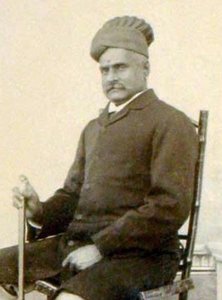
Raja Ravi Varma
1848 - 1906 , India
A művészről röviden
- Artistic Movement Or Style: Európai és indiai keverés
- Artists Or Movements Influenced By This Artist: ['Modern Indiai művészet']
- Artists Who Influenced This Artist: ['Europai mesterek']
- Date Of Birth: Ápril 29, 1848
- Date Of Death: Október 2, 1906
- Full Name: Raja Ravi Varma
- Nationality: Indiai
- Notable Artworks:
- Hansa Damayanthi
- Maharani
- Shakuntala
- Place Of Birth: Kilimanoor, India
Kapcsolódó cikkek

A Fekete Szín Mesterei: 10 Híres Festmény, Amelyek Elvarázsolnak – OriginalUniqueArt.com
Fedezze fel a 10 leghíresebb, fekete tónusú festményt! Rembrandt, Goya és Manet remekművei elvarázsolják. Művészettörténet, inspiráció otthonába – OriginalUniqueArt.com kínálatából. Fedezze fel a teljes gyűjteményt online!

Raja Ravi Varma: Bridging Tradition & Modernity in 19th-Century Indian Art
Explore the life & art of Raja Ravi Varma, a pioneer who fused European techniques with Indian iconography. Discover his iconic paintings, lasting legacy, and influence on modern Indian art at OriginalUniqueArt.

A 19. század festészete: 10 ikonikus műalkotás a történelemből
Fedezze fel a 19. század festészetének 10 legikonikusabb műalkotását! Monet, Manet és más mesterek remekművei romantikától az impresszionizmusig. Múzeumi minőségű reprodukciók otthonába OriginalUniqueArt.com-on. Ismerje meg a történeteket és inspirálódjon!
Edward Wilkins Waite: A Victorian Vision of Surrey's Serene Landscapes & Artistic Legacy
Explore the serene landscapes of Edward Wilkins Waite (1854-1924), a prolific Victorian painter celebrated for his depictions of Surrey's countryside. Discover his artistic influences, career highlights & collecting guide.
Thomas George Webster: Navigating Genre Boundaries & American Identity in 19th-Century Landscape Painting
Explore the captivating genre scenes of Thomas George Webster, a Victorian painter bridging British traditions with American themes. Discover his style, influences & legacy in 19th-century art history.



