

 Előnézet
 Megosztás
 Megosztás
 Részletek
 Útmutató

 Letöltés
 Hasonló darabok
 X-ray felvétel
 Diavetítés
 Statisztika
Untitled (Tilottama)
 Oil On Canvas
- WallArt
- Academic Realism
 1896
1896- 19th Century
 50.0 x 33.0 cm
 The Raja Ravi Varma Heritage Foundation
 Tovább olvasom
Kézzel készített olajfestmény reprodukció
Kézzel festett olajvastú vászon, az Ön által választott méretben és keretben, művészeink készítik meglévőre. ( Váltás nyomtatványra Áttérés digitális képre)




P118B Ft10

P118H Ft10

P118W Ft10

P438Z Ft10

P508JH Ft12

P508YH Ft12

P805H Ft10

P805Z Ft10

P919BZ Ft10

P919G Ft10

P919XJ Ft10

P959ZH Ft10

P968JZ Ft12

W106C Ft8

W218G Ft10

W218JH Ft8

W218Y Ft10

W307PJ Ft10

W316G Ft10

W316PJ Ft8

W316Y Ft10

W398PJ Ft8

W4111J Ft10

W500HY Ft15

W500JH Ft15

W692G Ft12

W849H Ft8

W940BG Ft15

W953PJ Ft8




Válasszon előre meghatározott méreteink közül, amelyek megfelelnek a műalkotás eredeti arányainak.

Írja be a kívánt szélességet és magasságot, hogy illeszkedjen a keretéhez vagy a falához. Mivel ez kézzel festett alkotás, egy eltérő formájú méret esetén a művész akár festhet is valamivel többet a kép körül, vagy korolathat is belőle — az Ön döntésének megfelelően. A festés megkezdése előtt küldünk egy digitális tervezetet jóváhagyásra. Az oldalon látható kép nem tartalmazza a végeredményt — csak a tervezet mutatja meg a valódi eredményt.
A rendelést követően a OriginalUniqueArt.com csapata e-mailt küld az ügyfélnek az instrukciókért, és biztosít egy előnézeti képet (mockup).
Világszerte elérhető szállítás () 3-4 hét alatt a szokásos 5 hét helyett. (24 október). A minőség nem kérdőjelezhető.

Ingyenes globális expressz szállítás

Prémium minőségű len vászon

Teljes körű szállítási biztosítás

Vámvisszatérítési Garancia

Tökéletes színarányosság garancia

100 napos visszaküldési garancia (csak gyártási hibás termékek esetén)

100% pénzvisszatérítési garancia

Több darab vásárlásakor kedvezmény
 Az üvegkeretes opció csak 110 cm alatti méretben érhető el

Untitled (Tilottama)
Reprodukciós technika
Reprodukció méretei
-


Összesített ár
Ft 96017
The Ethereal Grace of Tilottama
To gaze upon "Untitled (Tilottama)" by Raja Ravi Varma is to step directly into a moment suspended between earthly performance and divine rapture. This magnificent oil on canvas, painted in 1896, captures the essence of movement—a figure caught mid-gesture, seemingly lifted by an unseen current of music or devotion. The subject, radiating an almost incandescent beauty, is depicted in a vibrant red ensemble that speaks of passion and celebration. Her raised hand, reaching toward the heavens, is not merely a pose; it is a gesture laden with narrative weight, suggesting either ecstatic dance or profound invocation. Ravi Varma masterfully imbues this scene with a palpable sense of life, making the viewer feel the very rhythm emanating from the canvas.
A Synthesis of Cultures: Technique and Vision
Raja Ravi Varma’s genius lay in his unparalleled ability to act as a cultural conduit. While his roots were deeply embedded in the rich traditions of Indian mythology and aesthetics, his technique shows a sophisticated mastery of European academic painting methods. The oil on canvas medium allows for a luminosity that seems almost photographic, yet it is infused with an unmistakable Indian soul. Observe the handling of the drapery; the folds of her red garment are rendered with such convincing weight and fluidity that they seem capable of catching the light from the surrounding air. This technical brilliance—the seamless marriage of Western realism with indigenous storytelling—is what makes this piece so enduringly captivating.
Symbolism in Scarlet and Sky
The symbolism within "Untitled (Tilottama)" is rich for contemplation. The color red, dominating her attire, has long been associated in Indian art with vitality, marriage, and divine energy. Contrasting this vibrant earthly hue against the implied vastness of the sky above creates a powerful visual dialogue between the mortal realm and the spiritual plane. Her posture suggests a narrative arc—perhaps the moment before revelation, or the peak of an ecstatic performance. The title itself, referencing Tilottama, anchors the piece within a specific cultural mythology, inviting the collector to delve into tales of divine feminine power and grace.
Bringing Sacred Artistry Home
For those who wish to incorporate such profound artistry into their personal sanctuary or grand drawing-room, owning a reproduction of this work is acquiring more than just decoration; it is curating an atmosphere. The scale of 50 x 33 cm allows the drama and detail to be appreciated intimately without overwhelming a space. A hand-painted reproduction ensures that the meticulous brushwork and the emotional resonance intended by Ravi Varma are preserved, offering modern admirers a tangible connection to the zenith of Indian academic painting. It is an heirloom piece designed not just for viewing, but for feeling.
Gyakran Ismételt Kérdések
Milyen típusú műalkotás „Untitled (Tilottama)”, Raja Ravi Varma alkotása?
A "Untitled (Tilottama)" egy WallArt alkotás.
Milyen színharmóniát mutat be „Untitled (Tilottama)”, Raja Ravi Varma alkotása?
A „Untitled (Tilottama)”, Raja Ravi Varma alkotása színei Discordant Palette harmóniát mutatnak bemutatni. A harmónia azt írja le, hogyan kapcsolódnak egymáshoz a színek.
„Untitled (Tilottama)”, Raja Ravi Varma alkotása egy világos vagy egy sötét tónusú alkotás?
A „Untitled (Tilottama)”, Raja Ravi Varma alkotása fényerősége bright, luminanciája pedig Gentle Luminance.
A művész életrajza
The Princely Brush: Raja Ravi Varma and the Dawn of Modern Indian Painting
Raja Ravi Varma, a name that echoes through the halls of Indian art history, wasn’t merely a painter; he was a cultural architect, a bridge between tradition and innovation. Born in 1848 within the opulent walls of Kilimanoor Palace, nestled amidst the verdant hills of Kerala, his life unfolded as a remarkable synthesis of aristocratic privilege and an incandescent creative spirit. He didn't simply capture images on canvas; he breathed life into ancient myths, imbued them with human emotion, and ultimately, reshaped how India perceived its own artistic heritage. Ravi Varma’s lineage was deeply intertwined with the Travancore royal family – two of his daughters were later adopted into the court, a testament to his family's esteemed position. From a young age, he displayed an extraordinary aptitude for art, nurtured by his uncle, Raja Raja Varma, who introduced him to the world of drawing and painting, initially within the framework of the Tanjore School’s established traditions. However, Ravi Varma’s ambition quickly surpassed mere imitation; he yearned to master techniques that would allow him to translate not just likeness but also profound emotion and narrative depth onto his canvases.A Fusion of Worlds: Technique and Inspiration
Ravi Varma's artistic journey took a dramatic turn during his travels, primarily through interactions with British officials stationed in India. He became utterly captivated by the meticulous realism and technical precision of European academic painting – a style that emphasized perspective, anatomy, light, and shadow with unparalleled accuracy. Unlike many of his contemporaries who simply adopted these Western techniques superficially, Varma ingeniously integrated them into his own distinctly Indian artistic vision. His paintings transformed into vibrant stages for scenes drawn from the Ramayana, the Mahabharata, and the Puranas – epic tales brought to life with a newfound sense of naturalism and psychological complexity. He didn’t merely illustrate these religious narratives; he imbued them with relatable human emotions, creating characters that resonated deeply with viewers. This was a revolutionary shift in Indian art, moving away from stylized representations towards a more nuanced and emotionally engaging approach. Crucially, Ravi Varma mastered oil painting – a relatively novel medium in India at the time – which allowed him to achieve an unprecedented level of detail, luminosity, and expressive power. Consider his depiction of *Shakuntala*, for instance; her longing gaze and delicate posture convey a depth of feeling previously unseen in Indian art. Similarly, *The Maharani of Travancore* showcases not only regal beauty but also a profound sense of inner character.Democratizing Art: Lithographs and Public Appeal
Recognizing that the intricate detail and expense of original paintings rendered them inaccessible to the vast majority of Indians, Raja Ravi Varma took a bold step – he established the Raja Ravi Varma Fine Arts Lithographic Press in 1894. This groundbreaking venture marked a pivotal moment in Indian art history, effectively democratizing access to visual culture. By utilizing lithography, a printing technique that allowed for the mass production of affordable reproductions, Ravi Varma made his paintings—and the stories they depicted—available to a much wider audience. These lithographs weren’t mere copies; they were carefully considered interpretations, capturing the essence of his original works while maintaining their artistic integrity. Suddenly, images of Hindu deities and mythological scenes adorned homes across India, transforming into objects of worship and cultural pride. The impact was profound: it fostered a broader appreciation for visual culture and played a significant role in shaping popular perceptions of religious iconography. *Hansa Damayanthi*, perhaps one of his most beloved works, became widely disseminated through these lithographs, solidifying its place as an iconic image within Indian society.Royal Patronage and Artistic Development
Ravi Varma’s artistic development was significantly shaped by royal patronage. He began his career under the guidance of Rama Swamy Naidu, a palace painter who initially resisted teaching him oil painting due to concerns about competition. However, Arumugham Pillai, one of Naidu's assistants, eventually imparted the basics of this challenging medium to Ravi Varma. Subsequently, he received formal training from Theodore Jensen, a Danish-born British artist stationed at the Travancore court, further refining his technical skills. His travels across India – visiting courts in Mewar, Baroda, and Mysore – exposed him to diverse artistic traditions and influenced his evolving style. He was also deeply affected by the political turmoil of the time, witnessing the decline of princely states and the growing influence of British rule. These experiences informed his art, adding layers of social commentary and historical awareness.Legacy and Enduring Influence
Raja Ravi Varma passed away in 1906, leaving behind a legacy that continues to inspire artists and shape Indian identity. His work not only revolutionized Indian painting but also laid the foundation for modern Indian art by challenging conventional norms and embracing innovation. He skillfully blended tradition with modernity, creating images that were both deeply rooted in India’s rich cultural heritage and imbued with a contemporary sensibility. His influence can be seen in the works of subsequent generations of Indian artists who sought to forge a distinctly national artistic identity. Museums like The Raja Ravi Varma Heritage Foundation and The Ganesh Shivaswamy Foundation diligently preserve and celebrate his legacy, ensuring that his vision endures for future generations. His paintings remain powerful testaments to his genius – masterpieces that capture the beauty, spirituality, and cultural richness of India, reminding us of a pivotal moment in the nation’s artistic journey.- Explore artworks: Discover masterpieces like "Portrait of a Gentleman," "Hansa Damayanthi," and "The Maharani of Travancore" through online databases.
- Visit museums: Immerse yourself in Varma’s legacy at The Raja Ravi Varma Heritage Foundation, The Ganesh Shivaswamy Foundation, and the Kiran Nadar Museum of Art.
- Further research: Consult Wikipedia and Google Arts & Culture for detailed biographical information and scholarly insights.
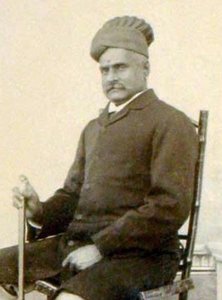
Raja Ravi Varma
1848 - 1906 , India
Gyors információk
- Artistic Movement Or Style: Európai és indiai keverés
- Artists Or Movements Influenced By This Artist: ['Modern Indiai művészet']
- Artists Who Influenced This Artist: ['Europai mesterek']
- Date Of Birth: Ápril 29, 1848
- Date Of Death: Október 2, 1906
- Full Name: Raja Ravi Varma
- Nationality: Indiai
- Notable Artworks:
- Hansa Damayanthi
- Maharani
- Shakuntala
- Place Of Birth: Kilimanoor, India
Kapcsolódó cikkek
The Enduring Legacy of Classicism: Principles, Evolution & Influence in Western Art
Explore the enduring legacy of Classicism in Western art! Discover its historical context, key principles, iconic masterpieces & lasting influence. Learn about Renaissance and Neoclassical movements with OriginalUniqueArt.
A Neoklasszicizmus 10 Mesterműve: Klasszikus Stílusú Festmények és Dekorációk a OriginalUniqueArt-on
Fedezze fel a neoklasszicizmus 10 legikonikusabb műalkotását! Jacques-Louis David, Ingres és más mesterek klasszikus festményeinek története. Vászonképek, faliképek - inspirálja otthonát OriginalUniqueArt.com kínálatával! Fedezze fel a teljes gyűjteményt online.
Timeless Resonance: Exploring Classic Vibe in Art – A Historical & Aesthetic Analysis
Explore the rich history & enduring aesthetic of Classicism art! Discover key movements, iconic artists like Raphael & David, and its lasting influence on Western art. Deepen your appreciation today.
The Enduring Legacy of Classical Style: Form, Narrative & Influence in Art
Explore the enduring legacy of classical art – from ancient Greece & Rome to Neoclassicism. Discover key artists, philosophical roots & build a timeless collection with OriginalUniqueArt's expert guidance.

Raja Ravi Varma: Bridging Tradition & Modernity in 19th-Century Indian Art
Explore the life & art of Raja Ravi Varma, a pioneer who fused European techniques with Indian iconography. Discover his iconic paintings, lasting legacy, and influence on modern Indian art at OriginalUniqueArt.

