

 Előnézet
 Megosztás
 Megosztás
 Részletek
 Útmutató

 Letöltés
 Hasonló darabok
 X-ray felvétel
 Diavetítés
 Statisztika
St Christopher


 Tovább olvasom
Kézzel készített olajfestmény reprodukció
Kézzel festett olajvastú vászon, az Ön által választott méretben és keretben, művészeink készítik meglévőre. ( Váltás nyomtatványra Áttérés digitális képre)




P118B Ft10

P118H Ft10

P118W Ft10

P438Z Ft10

P508JH Ft12

P508YH Ft12

P805H Ft10

P805Z Ft10

P919BZ Ft10

P919G Ft10

P919XJ Ft10

P959ZH Ft10

P968JZ Ft12

W106C Ft8

W218G Ft10

W218JH Ft8

W218Y Ft10

W307PJ Ft10

W316G Ft10

W316PJ Ft8

W316Y Ft10

W398PJ Ft8

W4111J Ft10

W500HY Ft15

W500JH Ft15

W692G Ft12

W849H Ft8

W940BG Ft15

W953PJ Ft8




Válasszon előre meghatározott méreteink közül, amelyek megfelelnek a műalkotás eredeti arányainak.

Írja be a kívánt szélességet és magasságot, hogy illeszkedjen a keretéhez vagy a falához. Mivel ez kézzel festett alkotás, egy eltérő formájú méret esetén a művész akár festhet is valamivel többet a kép körül, vagy korolathat is belőle — az Ön döntésének megfelelően. A festés megkezdése előtt küldünk egy digitális tervezetet jóváhagyásra. Az oldalon látható kép nem tartalmazza a végeredményt — csak a tervezet mutatja meg a valódi eredményt.
A rendelést követően a OriginalUniqueArt.com csapata e-mailt küld az ügyfélnek az instrukciókért, és biztosít egy előnézeti képet (mockup).
Világszerte elérhető szállítás () 3-4 hét alatt a szokásos 5 hét helyett. (23 október). A minőség nem kérdőjelezhető.

Ingyenes globális expressz szállítás

Prémium minőségű len vászon

Teljes körű szállítási biztosítás

Vámvisszatérítési Garancia

Tökéletes színarányosság garancia

100 napos visszaküldési garancia (csak gyártási hibás termékek esetén)

100% pénzvisszatérítési garancia

Több darab vásárlásakor kedvezmény
 Az üvegkeretes opció csak 110 cm alatti méretben érhető el

St Christopher
Reprodukciós technika
Reprodukció méretei
-


Összesített ár
Ft 95869
The Icon of Pilgrimage and Divine Grace
Quentin Massys’ “St. Christopher,” a painting radiating the quiet intensity of the Northern Renaissance, isn't merely a depiction of a biblical figure; it’s an invitation into a world of profound symbolism and spiritual contemplation. Executed around 1490 in Leuven, Belgium, this work stands as a testament to Massys’ skill in capturing both the physical presence and the ethereal quality of faith. The painting immediately draws the eye with its carefully orchestrated composition – a giant, powerfully rendered St. Christopher, his muscular frame draped in a rich red robe, bears upon his shoulders the infant Jesus, radiating an almost palpable serenity. The scene unfolds against a subtly textured background, dominated by a dark river that serves not as a mere backdrop but as a potent symbol of life’s journey and the challenges faced along its course.
Massys' mastery lies in his ability to imbue this familiar narrative with an arresting realism. The details are meticulously observed: the deep lines etched into Christopher’s face, hinting at age and experience; the delicate folds of his robe, rendered with a painstaking attention to texture; even the subtle expression on the infant Jesus’ face – a quiet acceptance and trust. This commitment to realistic representation is characteristic of the Northern Renaissance, where artists sought to capture the world as it truly appeared, imbued with religious significance.
A Tapestry of Symbolism
Beyond its immediate visual appeal, “St. Christopher” is rich in symbolic meaning. The saint himself represents a powerful allegory: he embodies the willingness to carry the burdens of others – both literally and metaphorically. His role as a ferryman across the river becomes an extended metaphor for life’s trials and tribulations, with Christ representing divine grace offering solace and guidance. The infant Jesus, cradled securely on Christopher's shoulders, symbolizes innocence, divinity, and the promise of salvation. The dark waters of the river are not simply a geographical feature; they represent the uncertainties and dangers that lie ahead, while the distant cliffs suggest the potential for spiritual ascent.
The color palette further enhances the painting’s symbolic weight. The vibrant red of Christopher's robe signifies sacrifice and passion, while the blue garment of the infant Jesus evokes purity and heavenly light. The limited use of color – primarily reds, blues, and browns – creates a sense of solemnity and focus, directing the viewer’s attention to the central figures and their profound interaction.
The Legacy of Quentin Massys
Quentin Massys (c. 1466-1530) was a pivotal figure in the development of the Antwerp School, a movement that revitalized Northern European painting during the High Renaissance. His work often blended realistic depictions with allegorical and moralistic themes, reflecting the intellectual currents of his time. He was known for his satirical scenes, portraits, and religious works, demonstrating a remarkable versatility as an artist. Massys’ influence extended beyond his own creations; he mentored several prominent artists, including Jan van der Veluwe and Joachim Patinir, shaping the artistic landscape of Antwerp for generations to come.
The “St. Christopher” exemplifies Massys' ability to seamlessly integrate religious iconography with humanistic observation. It’s a painting that invites contemplation on themes of faith, sacrifice, and the enduring power of compassion – qualities that continue to resonate deeply with viewers today. Reproductions of this masterpiece offer a tangible connection to a remarkable artistic legacy.
Gyakran Ismételt Kérdések
Mire ajánlott használni a „St Christopher”, Quentin Matsys alkotása reprodukcióját?
A „St Christopher” nyomtatvány ajánlott felhasználása: Statement.
Hol találhatok egy útmutatót a(z) "St Christopher" alkotáshoz?
A "St Christopher" útmutatója a mű Útmutató oldala – egy kinyomtatható adatlap, amely bemutatja a művet a leírással, a szerzői megjegyzéssel és az azonosító táblázattal (művész, dátumok, technika, eredeti méret, gyűjtemény) együtt.
Ismertebb műalkotás a „St Christopher”, Quentin Matsys alkotása?
A „St Christopher”, Quentin Matsys alkotása népszerűségi szintje: Recognized.
A művész életrajza
Az Antwerpeni Iskola Építésze
A XVI. századi Nyers-lórák vibráló, fejlődő tájában kevés név rézonál olyan alapvető fontosságúval, mint Quentin Massys. Gyakran az Antwerpeni Iskola úttörőjeként emlegetett festő volt, aki áthidalta a szakadékot az early Netherlandish hagyomány aprólékos, spirituális ádakozása és a Észak-reneszánsz fejlődő humanizmusa között. Belgium Leuvenében, körülbelül 1466-ban született, korai évei pedig a legenda és a történelmi töredékek szövetéből állnak. A művészettörténetben széles körben suttogják, hogy mielőtt valaha is finom ecsett fogott, kovácsként képeztek be – egy olyan részlet, amely mély, haptikus súlyt confers későbbi textúrák és anyagok mesteri uralmának. A fémöntési háttér valószínűleg egyedülálló tiszteletet ébresztett benne a fizikai világ iránt, lehetővé téve számára, hogy a selyem fényét, az érme hideg csillogását és az emberi bőr idősembedett textúráját páratlan pontossággal ábrázolja.
Amikor 1490 körül Leuven akadémikus légköréből áttért Antwerpen nyüzsgő kereskedelmi központjába, Massys saját egyedi szövetszálát kezdte beleálogosztatni a flamand művészet szövetébe. Korai képzése, amely valószínűleg Dirk Bouts irányítása alatt zajlott, összekötötte őt a mesterek vonalával, mint Hans Memling vagy Rogier van der Weyden. Ezen elődektől az verisimilitud – a reprezentációban való igazság keresését – örökölte. Massys azonban messze túlmutatott a puszta utánzáson. Bár megőrizte ősai jellemző, kifogástalan részletgazdaságát, műveit új, feltörekvő vitalitással töltötte meg, és hajlandóságot mutatott az emberi létezés összetettségének felfedésére, vallásos ágyazottságon keresztül is, legyen szó éppen szent ádakozásról vagy éles társadalmi kritikáról.
Az Ádakozás és a Szatira Mestere
Massys zsenialitása két, látszólag különálló világ navigálásának lenyűgöző képességében rejlik: a szentségben és a profánban. Egyik oldalról vallásos kompozíciói a hit mély meditációiként szolgálnak. Olyan művekben, mint a Krisztus a kereszten a donorokkal, megörökíti a keresztfűzés nyers, érzelmi súlyát, a High Renaissance érzékisétségét alkalmazva, hogy egy olyan jelenetet prezentáljon, amely egyszerre mélyen megható és technikailag tökéletes. Az isteni lényeg ábrázolása az emberi szenvedés lencséjén keresztül lehetővé tette vallásos témái számára, hogy viscerális intimitással szólaljanak meg, a szellemi tartalmat érezhetővé téve a néző számára.
Ezzel szemben Massys a szatirikus műfaj mestere volt, ecsettel tükröt tartva korának változó társadalmi moráljának arca elé. Éles szeme volt az emberi gyengeségek számára, gyakran olyan jeleneteket alkotva, amelyek ötvözték a realizmust egy finom, gúnyos witussal. Ez a dualizmus talán leginkább portréfestészetében és műfajművészetében mutatkozik meg, ahol képes volt áttérni a Szűz Mária és a Gyermek békés szépségétől a kortárs élet összetettebb, morálisan rétegzettebb ábrázolásai felé. Műve gyakran feszegette a kapzsiság, a hiúság, valamint a materiális gazdag vagyon és a spirituális tisztaság közötti feszültség témáit, előképe leszve a következő évszázadok nagyszerű műfajművészeinek.
Örökség és Művészeti Jelentőség
Quentin Massys történelmi jelentőségét nem lehet alulbecsülni; ő volt az Antwerpeni művészeti forradalom katalizátora. Új motívumokat és technikákat vezetve be, miközben gyökereit otthata szülőföldje gazdag hagyományai között, megteremtette az alapját egy olyan festésziskolának, amely a XVI. század során uralta Flandriát. Hatása végigkövethető az európai művészet fejlődésén keresztül, mivel utat nyitott egy kifejezőbb, megfigyelésre alapozott stílus számára, amely befogadta a modernizálódó világ összetettségét.
Ma nem csupán kézművesként emlékezünk Massysra, hanem olyan történetmesélőként, aki egy korszak lelkét fogta meg. Öröksége művei ábrázolásának tartós erejében él tovább:
- Technikai innováció: A fémöntési precizitás és a reneszánsz olajfestészet folyékony eleganciájának zökkenőmentes integrációja.
- Az Antwerpeni Iskola: Egy tartós művészeti mozgalom létrehozása, amely egyszerre részesített prioritást a realizmusnak és a morális narratívának.
- Humanista perspektíva: Az egyedülálló képesség a vallási ikonok mély szentségének ötvözésére a társadalmi szatira éles, megfigyelő witussal.

Quentin Matsys
1466 - 1530 , Belgium
Gyors információk
- Artistic Movement Or Style: Antwerpeni iskola
- Artists Or Movements Influenced By This Artist: ['Hans Memling']
- Artists Who Influenced This Artist: ['Dirk Bouts']
- Date Of Birth: kb. 1466
- Date Of Death: 1530
- Full Name: Quentin Massys
- Nationality: Flamand
- Notable Artworks (List Of Titles):
- St Anne Altarpiece
- The Moneylender
- Place Of Birth (City And Country): Leuven, Belgium
Kapcsolódó cikkek

The Northern Renaissance: A Flourishing of Realism, Religious Reform & Artistic Innovation
Explore the Northern Renaissance! Discover Jan van Eyck's innovations, religious shifts, & key artists of this influential period. Expert analysis and insights into Early Netherlandish painting at OriginalUniqueArt.

The Enduring Legacy of Oil on Canvas: Technique, History & Aesthetic Impact
Explore the rich history & techniques of oil painting – from Renaissance masters to Impressionism. Discover pigments, layering methods, and why this timeless medium endures. Expert insights for artists & art enthusiasts.

Oil on Canvas: A Historical & Technical Exploration of a Timeless Artistic Medium
Explore the rich history & enduring techniques of oil painting on canvas. Discover the science behind its longevity, conservation practices, and contemporary relevance. Expert insights for art enthusiasts.

The Enduring Power of Painting: A Historical & Contemporary Exploration of Form and Emotion
Explore the rich history & enduring techniques of oil painting with OriginalUniqueArt. Discover masterpieces, learn about art collecting, and find authentic handmade reproductions crafted by skilled artists.
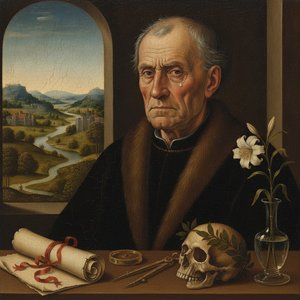
The Northern Renaissance: A Masterclass in Hyper-Realism, Oil Innovation, and Symbolic Depth
Explore the profound mastery of Northern Renaissance art. Discover the technical brilliance of Flemish oil painting, the intricate symbolism of Bosch and Bruegel, and the revolutionary realism that redefined European art history through an expert historical lens.