

 Megtekintés
 Küldés
 Megosztás
 Részletek
 Útmutató

 Letöltés
 Hasonló darabok
 X-ray felvétel
 Diavetítés
 Statisztika
Up the River During Qingming
 Acrylic On Canvas
- WallArt
- Ming Dynasty Landscape Painting
 1644
1644 34.0 x 804.0 cm
 Nemzeti Palota Múzeum
 Összes részlet megjelenítése
Giclée / Műnyomat
Múzeumi minőségű giclée vagy vászonnyomat, gyors gyártással és rugalmas finomítási lehetőségekkel. ( Kézzel festett másolat rendelése Áttérés digitális képre)




P118B Ft10

P118H Ft10

P118W Ft10

P438Z Ft10

P508JH Ft12

P508YH Ft12

P805H Ft10

P805Z Ft10

P919BZ Ft10

P919G Ft10

P919XJ Ft10

P959ZH Ft10

P968JZ Ft12

W106C Ft8

W218G Ft10

W218JH Ft8

W218Y Ft10

W307PJ Ft10

W316G Ft10

W316PJ Ft8

W316Y Ft10

W398PJ Ft8

W4111J Ft10

W500HY Ft15

W500JH Ft15

W692G Ft12

W849H Ft8

W940BG Ft15

W953PJ Ft8




Válasszon előre meghatározott méreteink közül, amelyek megfelelnek a műalkotás eredeti arányainak.

Írja be a keretének vagy a falának megfelelő szélességet és magasságot. A nyomatot csak le lehet vágni, soha nem tehető nagyobbá, mint az eredeti kép, így egy eltérő alakú méretnél a kép egy része elveszik. Mielőtt bármit kinyatintanánk, küldünk egy digitális próbamodellt jóváhagyásra. Az oldalon látható kép nem tartalmazza a valós levágást — ezt csak a próbamodell mutatja meg.
Világszerte történő kiszállítás területére mindössze 2 hét alatt, a szokásos 4-5 hét helyett. (26 október)

Ingyenes globális expressz szállítás

Prémium minőségű len vászon

Teljes körű szállítási biztosítás

Vámvisszatérítési Garancia

Hiteles színarányosság garancia

100 napos visszaküldési lehetőség (csak hibás termékek esetén)

100% pénzvisszatérítési garancia

Több darab vásárlásakor kedvezmény
 Az üvegkeretes opció csak 110 cm alatti méretben érhető el

Up the River During Qingming
Giclée / Műnyomat
Reprodukció mérete
-


Összesített ár
Ft 25642
A Celebration of Springtime Majesty: Exploring Qiu Ying’s “Up the River During Qingming”
“Up the River During Qingming,” attributed to Qiu Ying (ca. 1494-1522), stands as a monumental achievement in Ming Dynasty landscape painting, embodying not merely visual beauty but also profound cultural significance. Executed during the reign of Emperor Huizong of the Song dynasty (1644–1911), this scroll captures the vibrant spirit of Qingming Festival – Tomb Sweeping Day – a solemn yet joyous occasion commemorating ancestors and honoring springtime renewal. Its enduring appeal lies in its masterful blend of meticulous observation, artistic innovation, and symbolic representation, cementing Qiu Ying’s place among China's Four Masters.The Landscape Vision: Detail and Illusion
The painting depicts a bustling scene along Lake Jinming, showcasing an astonishing level of detail that transcends mere topographical accuracy. The artist skillfully employs techniques honed under Zhou Chen’s tutelage to create an illusionistic space—a cornerstone of gongbi painting—where buildings appear to recede into the distance, trees shimmer with reflected light, and ripples dance across the water's surface. Mineral blue and green pigments dominate the palette, complemented by touches of cinnabar, gamboge, whitewash, and violet, resulting in a color scheme that is both opulent and harmonious. The layering of landscape forms—mountains, hills, pavilions, boats—is executed with painstaking precision, reflecting a deep understanding of perspective and atmospheric effects. This deliberate artistry elevates the scene beyond a simple depiction of nature; it aspires to evoke a feeling of grandeur and tranquility.A Symphony of Activity: Capturing Qingming Festivities
Beyond its breathtaking visual splendor, “Up the River During Qingming” is notable for its portrayal of diverse activities associated with Qingming Festival. The scroll depicts an imperial boat race—a spectacle designed to honor the deceased—complete with elaborately decorated boats and competitive racers vying for pennants. Furthermore, scenes of willow shooting, acrobatics, tightrope walking, and a military review underscore the festival’s multifaceted character. These figures are rendered with remarkable realism, capturing expressions of joy, excitement, and reverence. The artist's attention to detail extends beyond human subjects; he meticulously portrays architectural elements—the ornate pavilions and buildings lining the lake—emphasizing the grandeur of imperial patronage and celebrating the blossoming beauty of springtime.Symbolism Rooted in Tradition: Echoes of Confucian Values
The painting’s symbolism resonates deeply with Confucian ideals prevalent during the Ming Dynasty, reflecting a reverence for ancestors and an acknowledgment of the cyclical nature of life and death. The lake itself symbolizes purity and immortality—concepts central to Confucian cosmology—while the boats represent journeys toward enlightenment and remembrance. The meticulous depiction of rituals and ceremonies underscores the importance of filial piety and honoring familial heritage. Moreover, the inclusion of willow shooting—a traditional pastime symbolizing resilience and renewal—suggests a belief in overcoming adversity and embracing new beginnings.A Legacy Enduring Through Time: Influence and Reproduction
“Up the River During Qingming”’s impact extends far beyond its original creation. Dozens of copies bearing Qiu Ying's name survive today, demonstrating the painting’s enduring popularity and artistic prestige. Notably, three scrolls reside in the National Palace Museum collection, providing invaluable insight into Ming Dynasty art history. Its stylistic innovations—particularly the masterful illusionistic space and the vibrant color palette—have served as inspiration for subsequent generations of artists, ensuring that Qiu Ying's vision continues to captivate audiences worldwide. Reproductions of this masterpiece offer a tangible connection to China’s artistic heritage, allowing viewers to experience the sublime beauty and profound symbolism of “Up the River During Qingming.”Kérdések és válaszok
Hogyan találhatok olyan műalkotásokat, amelyek stílusában hasonlítanak a(z) „Up the River During Qingming”, Qiu Ying alkotása alkotásra?
A „Up the River During Qingming”, Qiu Ying alkotása Hasonló alkotások oldala kapcsolódó műalkotásokat mutat be.
Milyen kontraszt jellemzi a „Up the River During Qingming”, Qiu Ying alkotása alkotást?
A "Up the River During Qingming" fény-sötét kontrasztja Serene értéket mutat. A kontraszt azt írja le, mennyire térnek el egymástól a világos és sötét részek.
Mely művészeti irányba tartozik a „Up the River During Qingming”, Qiu Ying alkotása?
A "Up the River During Qingming" a Ming Dynasty Landscape Painting egyik alkotása. A művészeti irány meghatározza azt a művészeti hagyományt, amelybe a mű beágyazódik.
A művész életrajza
A ecset vonalaiban formálódó élet: Qiu Ying világa
Qiu Ying 1494-ben született szerény körülmények között, a mai Jiangsu tartományhoz tartozó Taicang városában, és az idője egyik legünnepeltebb festőjévé emelkedett a Ming-dinasztia korában. Ellentétben korabeli számos művészszel, akik tudós neveltetésben és formális képzésben részesültek a bevett művészeti körökben, Qiu Ying útja rendkívül önmagából fakadt volt. Művészeti utazását nem a hagyományos csatornákon kezdte, hanem lakkfestő tanítványként, finomhangolva készségeit a részletes dekoratív munkák felett – ez az alapozás pedig mélyrehatóan befolyásolta későbbi festményeinek jellemző, aprólék precizitását. Ez a korai tapasztalat megtanította őt a vonal és a szín mesterét, olyan képességeket, amelyeket később Zhou Chen mentorálása alatt csiszolt ki Suzhouban, a Ming-kori vibráló kulturális központban. Éppen ebben a dinamikus környezetben kezdett valóban virágzóvá válni Qiu Ying, befoglalva a technikákat, és kialakítva egyedülálló, saját hangzást.A sokféleség mestere: Stílus és technika
Qiu Ying zsenialitása nem egyetlen iskolához vagy stílushoz való merev ragaszkodásban rejlett, hanem rendkívüli sokoldalúságában. Miközben Suzhou a Wu Iskola kedvezésében álló finom tusfestészet egyik vára volt, Qiu Ying kivételes képességgel rendelkezett mind e nuanszált megközelítés, mind az élénk, részletgazdag gongbi technika mestereléséhez. Ez a alkalmazkodóképesség lehetővé tette számára, hogy változatos ízléssel rendelkező széles körű ügyfelek igényeit szolgálja ki, ezzel is elhelyezkedve mint rendkívül keresett művész. Készségesen ötvözte ezeket a technikákat, gyakran beépítve kompozícióiba a zöld-és kék stílus elemeit is – amely gazdag színezetéről és bonyolult részleteiről ismert. Festményeit kiváló színrefináltság, aprólék részletesség és a lenyűgöző képesség különbözteti meg, amellyel képes volt egyszerre hatalmas panorámás tájképeket és intimebb, finoman megmintált jeleneteket is megörökíteni. Ez a technikai tudás nem csupán szakértelemről szólt; erről a történetmesélésről, az érzelmek közvetítéséről és arról, hogy élettel tölte fel a narratívákat a selyemen vagy a papíron.Mecénások és a karrier virágzása
Qiu Ying pályája a gazdag mezténylevők bőkezű támogatásának köszönhetően virágzott fel, akik számos témakörben rendeltek meg alkotásokat. Festett atmoszférikus perspektívával árasztott tájképeket, szellemi áhrazottságot sugárzó vallásos jeleneteket, élettel teli virágos kerteket és lenyűgőző figurális kompozíciókat, amelyek alanyaik lényegét megörökítették. Legismertebb alkotása közé tartozik a mesteri kivitelezésű Up the River During Qingming, amely a jellegzetes Észak-Song dinasztia originájától vette inspirációját; a Lady in a Bamboo Grove, amely bemutatja képességét az elegáns alakok ábrázolásában természeti környezetben; a Seven Sages of the Bamboo Grove, amely klasszikus irodalmi témáinak mély ismeretét bizonyítja; valamint a Spring Morning in the Han Palace, a udvari élet vibráló ábrázolása. Kulcsfontosságú mezténylevők, mint Suzhoui Chen Guan, majd később Zhou Fenglai és Xiang Yuanbian – akik mindketten kiemelkedő művészeti gyűjtők voltak – döntő szerepet játszottak művészeti törekvései támogatásában, szabadságot adva neki a kreativitása felfedezésére és technikája finomítására.Örökség és tartós hatás
Qiu Ying tehetsége és sokoldalúsága helyet biztosított számára a Ming-dinasztia „Négy Mestere” között – ami a kínai festészetra gyakorolt mély hatásának bizonyítéka. Áthidalta a szakadékot a hagyományos stílusok és a kortárs ízlések között, olyan műveket alkotva, amelyek egyszerre voltak technikai szempontból brillánsok és esztétikailag vonzóak. Festményei visszhangolják az korábbi mesterek, különösen a Song dinasztia festői hatásait, de ő ügyesen ötvözte ezeket a történelmi előzményeket a saját kora esztétikájával. Nem csupán utánzott; szintetizált, innovált, és végső soron egy stílust teremtett, amely egyértelműen a sajátja volt. Életútja túl kínálta pengaruhását olyan művészek generációi felé, akik csodálták mesteri technikáját és innovatív megközelítését. A kínai művészettörténet elismert alakja maradt, aki becsülte a szépség megörökítésére, az jelentőség közvetítésére és a művészeti táj elrögzítésére való képességét. Még ma is neve díszíti a Merkúr egyik kraterumát – méltó tiszteletadás egy olyan művésznek, akinek látnokmása a földi határokon túlra nyúlt. Öröksége továbbra is ámulatot és csodálatot ébreszt a művészrajongók körében világszerte.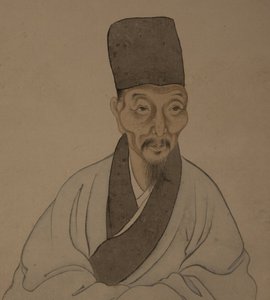
Qiu Ying
1494 - 1552 , Kína
Rövid információk
- Artistic Movement Or Style: Gongbi, Wu iskola
- Artists Or Movements Influenced By This Artist: ['Ming-dinasztia művészei']
- Artists Who Influenced This Artist: ['Song-dinasztia mesterei']
- Date Of Birth: 1494
- Date Of Death: 1552
- Full Name: Qiu Ying
- Nationality: Kínai
- Notable Artworks:
- Up the River During Qingming
- Lady in a Bamboo Grove
- Seven Sages of Bamboo Grove
- Spring Morning in Han Palace
- Place Of Birth: Taicang, Kína
Kapcsolódó cikkek

Evoking Nature's Sublime: A Comprehensive Exploration of 19th-Century Landscape Painting
Explore the captivating world of 19th-century landscape painting! Discover renowned artists like Friedrich & Monet, key movements, and find the perfect artwork to bring nature's serenity into your home. Expert insights at OriginalUniqueArt.

John Constable 25 Mesterműve: A Természet Lényege Vászonon – OriginalUniqueArt.com
Fedezze fel John Constable 25 legszebb művészeti alkotását! Ismerje meg a romantika ikonikus tájképeit, Dedham Vale szépségét és a természet lenyűgöző ábrázolásait. Vászonkép reprodukcióinkkal eleganciát csempészhet otthonába – OriginalUniqueArt.com

A Romantikus Tájképfestészet 10 Legikonikusabb Műalkotása – OriginalUniqueArt.com
Fedezze fel a romantikus tájképfestészet 10 legikonikusabb műalkotását! Caspar David Friedrich, J.M.W. Turner és más mesterek festményeinek története – inspiráló olajfestmények otthonába. OriginalUniqueArt.com: múzeumi minőségű reprodukciók és egyedi dekorációk online.

Evocations of Place: A Historical Journey Through Landscape Art
Explore the rich history of landscape art with OriginalUniqueArt. Discover renowned artists, movements like Impressionism & tonalism, and expert guidance for collecting timeless pieces. Find your perfect serene escape today!

Evocations of Place: A Historical Journey Through Landscape Art
Explore the rich history of landscape art with OriginalUniqueArt. Discover renowned artists, movements like Impressionism & Romanticism, and expert guidance for collecting timeless pieces. Find your perfect serene escape today!