

 Előnézet
 Megosztás
 Megosztás
 Részletek

 Letöltés
 Hasonló alkotások
 X-ray felvétel
 Diavetítés
Pines


 Tovább olvasom
Kézzel készített olajfestmény reprodukció
Kézzel festett olajvastú vászon, az Ön által választott méretben és keretben, művészeink készítik meglévőre. ( Váltás nyomtatványra Képváltás)




































Válasszon előre meghatározott méreteink közül, amelyek megfelelnek a műalkotás eredeti arányainak.

Ön megadhat saját méreteket egy adott kerethez vagy térhez igazításhoz. Ha a kiválasztott méret nem egyezik az eredeti kép arányával, akkor a műalkotást levágjuk, vagy további kézzel festett elemekkel meghosszabbítjuk a festményt. A gyártás megkezdése előtt küldünk Önnek egy digitális előnézetet jóváhagyásra.
Kérjük, vegye figyelembe, hogy a képernyőn megjelenő előnézet nem tükrözi a tényleges vágást vagy kiterjesztést. Csak az előnézet fog pontosan mutatni a végső kompozíciót.
Bár egyedi méretek állnak rendelkezésre, javasoljuk, hogy válasszon egy méretet az előre meghatározott listából az eredeti arányok megőrzése érdekében.
A rendelést követően a OriginalUniqueArt.com csapata e-mailt küld az ügyfélnek az instrukciókért, és biztosít egy előnézeti képet (mockup).
Világszerte elérhető szállítás () 3-4 hét alatt a szokásos 5 hét helyett. (31 július). A minőség nem kérdőjelezhető.

Ingyenes globális expressz szállítás

Prémium minőségű len vászon

Teljes szállítási biztosítás

Vámvisszatérítési Garancia

Tökéletes színpontosság garancia

60 napos visszaküldési lehetőség (csak gyártási hibák esetén)

100%-os pénzvisszatérítési garancia

Kedvezmény több termény esetén
 Az üvegkeretes opció csak 110 cm alatti méretben érhető el

Pines
Reprodukciós technika
A reprodukció mérete
-


Összesített ár
$ 300
A műalkotás leírása
Style and Composition
The painting Pines is characterized by its use of geometric shapes and bold colors, which are hallmarks of the Cubist style. The central focus of the artwork is a large tree with a robust trunk and lush foliage, rendered in various shades of green. The branches extend outward from the center, creating a sense of movement and dynamism. The composition is balanced by the inclusion of a low wall or barrier made of stone or concrete, painted in a warm yellow-brown color that contrasts with the cool greens of the foliage.Meaning and Significance
The painting Pines can be seen as a representation of the harmony between nature and human-made structures. The tree, which is often a symbol of life and growth, is depicted in a serene and peaceful environment, surrounded by other trees and greenery. This artwork invites viewers to imagine themselves in this idyllic setting, surrounded by the beauty of nature. As Pyotr Konchalovsky was a prominent figure in Russian Post-Impressionism and Socialist Realism, his works often explored themes related to the human experience and the relationship between individuals and their environment.- For more information on Pyotr Konchalovsky and his artworks, visit https://OriginalUniqueArt.com/ADC/Art.nsf/O/8XYSFL/$File/Pyotr-Konchalovsky-Pines.JPG
- To learn more about the Cubist movement and its key artists, check out /art/list/?Filter=A@D3CPLF-Synchromism-Art-Movement
- View other works by Pyotr Konchalovsky, including Cassis. The view from the window., at /art/list/?Filter=pyotr+konchalovsky,pyotr,konchalovsky&
The Tretyakov Gallery in Moscow and the Russian Museum in St. Petersburg are among the prominent museums that feature works by Pyotr Konchalovsky in their collections.
A művész életrajza
A Life Immersed in the Russian Artistic Spirit
Pyotr Petrovich Konchalovsky, born February 21, 1876, in the village of Slavianka near Kharkiv, was more than just a painter; he was a visual chronicler of a Russia undergoing profound transformation. His artistic journey mirrored the nation’s own tumultuous passage through revolution and ideological shifts, marked by a relentless search for new forms of expression. Konchalovsky's upbringing steeped him in an atmosphere rich with intellectual and creative currents. His father, Petr Petrovich Konchalovsky, was a respected translator and art publisher whose Moscow home became a vibrant hub frequented by leading artists of the era—Valentin Serov, Mikhail Vrubel, Vasily Surikov all graced their residence after the family’s move to the capital in 1889. This early exposure wasn't merely observational; it instilled within young Pyotr a deep appreciation for artistic expression and laid the foundation for his future path. Weekends spent absorbing the masterpieces at the Tretyakov Gallery proved formative, shaping his aesthetic sensibilities with the power of Russian masters.From Parisian Influences to Avant-Garde Innovation
Konchalovsky’s formal training began at the Moscow School of Painting, Sculpture and Architecture, but a pivotal period followed in Paris from 1896 to 1898 at the Académie Julian. This immersion in the French art world proved transformative. He encountered the groundbreaking work of Paul Cézanne and Vincent van Gogh, artists who challenged conventional representation and explored new ways of perceiving form and color. A subsequent journey to Arles allowed him a deeper understanding of Van Gogh’s artistic vision—a pilgrimage into the heart of expressive intensity. Returning to Russia, he continued his studies at the Imperial Academy of Arts in Saint Petersburg, graduating in 1907. However, it was upon his return that Konchalovsky truly began to forge his own distinctive style. He became a central figure in the Russian avant-garde movement, co-founding the influential “Jack of Diamonds” (Knave of Diamonds) society in 1910. This group rejected academic traditions and championed experimentation, seeking inspiration not only from Western European modernism but also from Russia’s own folk art traditions—icons, tavern signs, and colorful popular prints known as *lubok*. He was a master of observation, capable of transforming the mundane into something extraordinary through the power of his vision.Navigating Shifting Ideologies: Style and Subject Matter
Konchalovsky’s artistic style evolved throughout his career, reflecting both personal exploration and the changing political climate of Russia. Initially influenced by Fauvism and Cézanne, his early works were characterized by bold colors, simplified forms, and a focus on structure. Paintings like “Still Life with a Coffeepot” exemplify this period, showcasing a vibrant palette and a dynamic composition. Following service in the Russian army during World War I, Konchalovsky’s style began to shift. The rise of Socialist Realism under the Soviet regime demanded art that served ideological purposes, celebrating socialist ideals and portraying prominent figures. While this represented a departure from his earlier avant-garde explorations, Konchalovsky adapted, becoming known for his ceremonial portraits. Despite these changes, he maintained a distinctive artistic voice, infusing even his more politically charged works with a sense of solidity and monumentality. He was not simply conforming; he was finding ways to express his artistic sensibility within the constraints of a new era.A Prolific Output: Key Themes & Subjects
Konchalovsky’s vast body of work reveals recurring themes and subjects that demonstrate his artistic preoccupations. Still lifes were a constant throughout his career, allowing him to explore form, color, and composition in a controlled environment. He often depicted everyday objects—fruits, flowers, dishes—imbuing them with a sense of weight and presence. Landscapes, particularly those inspired by his travels, also held a special place in his oeuvre, capturing the beauty and grandeur of the natural world. However, it was perhaps in portraiture that Konchalovsky truly excelled, creating compelling likenesses of his contemporaries, often imbued with psychological depth. His portraits ranged from intimate depictions of family members to grand ceremonial representations of Soviet officials. He also experimented with genre scenes and historical subjects, demonstrating a willingness to tackle diverse artistic challenges. The sheer volume of his work—over 5,000 pieces—is a testament to his tireless dedication and unwavering commitment to the art of painting.Legacy and Enduring Significance
Pyotr Konchalovsky’s contribution to Russian art is undeniable. He bridged the gap between early modernism and Socialist Realism, navigating complex political currents while remaining a significant artistic force. His first solo exhibition at the Tretyakov Gallery in 1922 solidified his reputation as one of Russia's leading artists. Beyond his own work, Konchalovsky fostered a family deeply involved in the arts; his son, Mikhail Petrovich Konchalovsky, became a renowned film director, and his daughter, Natalia Konchalovskaya, was an accomplished artist herself. His paintings are not merely aesthetically pleasing objects but historical documents, reflecting the tumultuous period in which they were created. They offer valuable insights into the evolution of Russian art and the challenges faced by artists operating within a rapidly changing society. Konchalovsky’s ability to adapt while maintaining a distinctive style cemented his place as a key figure in Russian art history, leaving behind a legacy that continues to inspire and captivate audiences today.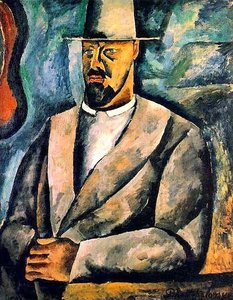
Konchalovsky Pytor
1876 - 1956 , Oroszország
Rövid tények
- Artistic Movement Or Style: Képzőművészet, Fauvizmus, Realizmus
- Artists Or Movements Influenced By This Artist: ['Orosz avantgárd']
- Artists Who Influenced This Artist:
- Paul Cézanne
- Van Gogh
- Date Of Birth: Feb 21, 1876
- Date Of Death: Feb 2, 1956
- Full Name: Pyotr Petrovich Konchalovsky
- Nationality: Orosz
- Notable Artworks:
- Kávéscsésze stillife
- Szablya
- Tengerpart
- Place Of Birth: Kharkiv, Oroszország
Kapcsolódó cikkek

Gyakori Kérdések: Javítási Kérések – Minőség, Költség és Szállítási Idő
Kérdése van a képmásolataival kapcsolatban? Tudja meg, milyen javítási igényeket fogadunk el, mennyiért és hogyan befolyásolja ez a szállítási időt. Prémium minőségű műalkotások garanciával!

GYIK: Egyedi Műalkotások Rendelése – Szolgáltatásai a Kiválósági Igényeknek
Rendeljen egyedi műalkotást a -tól! Prémium minőségű, kézműves olajfestmények és reprodukciók személyre szabottan. Szakértő segítség, exkluzív választék a legigényesebb gyűjtők számára.
Deconstructing Reality: Cubism's Revolutionary Impact on 20th-Century Art
Explore the revolutionary world of Cubism with OriginalUniqueArt. Discover Picasso & Braque's groundbreaking techniques, its philosophical roots, and lasting impact on modern art. Expert insights for collectors.
A kubizmus 10 legikonikusabb remekműve: művészeti forradalom otthonában
Fedezze fel a kubizmus 10 legmeghatározóbb remekművét! Picasso, Braque és más mesterek alkotásai új perspektívákat nyitnak. Múzeumi minőségű reprodukciók és inspiráló dekorációs ötletek várják Önt a OriginalUniqueArt.com-on. Explore the full collection online!
Deconstructing Reality: Analytical Cubism's Formative Years & Lasting Influence
Explore the revolutionary world of Analytical Cubism with OriginalUniqueArt. Discover Picasso & Braque's groundbreaking techniques, its philosophical roots, and lasting impact on modern art. Expert insights for collectors.


