

 Előnézet
 Megosztás
 Megosztás
 Részletek
 Útmutató

 Letöltés
 Hasonló darabok
 X-ray felvétel
 Diavetítés
 Statisztika
Untitled
 Mixed Media
- WallArt
- Expressionism
 1978
1978- Modern
 27.0 x 43.0 cm
 Souls Grown Deep
 Tovább olvasom
Az ezen az oldalon megjelenített műalkotások szerzői jogi védelem alatt állnak, ami azt jelenti, hogy törvényileg nem készíthetünk és nem adhatunk el belőlük pontos másolatokat. Ez a védelem olyan nemzetközi megállapodások alapján érvényesül, mint például a Berni Egyezmény és a nemzeti törvények által, beleértve azokat is, amelyeket meghatározott Az USA szerzői jogi törvénye – 17. cím.
Ez a módszer teljes mértékben megfelel a szerzői jogi szabályozásnak, mivel nem tartalmazza a védett műalkotás másolását vagy duplikálását. Ehelyett ez egy kreatív újinterpretáció – egy új festmény, amely az eredetivel való összefüggései miatt hatással van rá, de nem az az.
Giclée / Műnyomat
Múzeumi minőségű giclée vagy vászonnyomat, gyors gyártással és rugalmas finomítási lehetőségekkel. ( Kézzel festett másolat vásárlása Áttérés digitális képre)




































Válasszon előre meghatározott méreteink közül, amelyek megfelelnek a műalkotás eredeti arányainak.

Írja be a keretének vagy a falának megfelelő szélességet és magasságot. A nyomatot csak le lehet vágni, soha nem tehető nagyobbá, mint az eredeti kép, így egy eltérő alakú méretnél a kép egy része elveszik. Mielőtt bármit kinyatintanánk, küldünk egy digitális próbamodellt jóváhagyásra. Az oldalon látható kép nem tartalmazza a valós levágást — ezt csak a próbamodell mutatja meg.
Világszerte történő kiszállítás területére mindössze 2 hét alatt, a szokásos 4-5 hét helyett. (22 október)

Ingyenes globális expressz szállítás

Prémium minőségű len vászon

Teljes körű szállítási biztosítás

Vámvisszatérítési Garancia

Tökéletes színarányosság garancia

100 napos visszaküldési garancia (csak gyártási hibás termékek esetén)

100% pénzvisszatérítési garancia

Több darab vásárlásakor kedvezmény
 Az üvegkeretes opció csak 110 cm alatti méretben érhető el

Untitled
Giclée / Műnyomat
Reprodukció méretei
-


Összesített ár
Ft 25565
Untitled: A Fragmented Memory by Purvis Young
This compelling mixed media artwork, titled "Untitled" (1978), offers a poignant glimpse into the vibrant and often challenging world of Overtown, Miami, through the eyes of self-taught artist Purvis Young. The piece is a layered assemblage, built upon an aged book cover—likely leather or cardboard—and incorporating painted elements to create a chaotic yet captivating scene.
Subject & Style: Echoes of Urban Life
The artwork depicts several figures engaged in what appears to be a dance-like activity. However, their expressions remain elusive due to the expressive and somewhat frantic style of execution. The composition is tightly cropped, focusing on the central figures and their immediate surroundings. Young’s style draws heavily from early 20th-century Expressionism, characterized by loose lines, gestural paint application, and a focus on conveying emotion rather than precise representation. There's also a distinct influence of Surrealism evident in the dreamlike quality and distorted forms, contributing to an unsettling yet intriguing atmosphere.
Technique & Materials: Layering Time and Texture
Young’s technique involved layering paint directly onto the book cover, creating a rich tapestry of textures. He likely employed scraping and scratching techniques to further build up visual interest and emphasize the aged aesthetic. The materials used—paint (likely oil or acrylic), paper, and the weathered book cover itself—contribute significantly to the artwork's overall effect. The surface exhibits discoloration, cracking, and staining, all hallmarks of its age and adding to its unique character. This deliberate use of found objects and distressed surfaces elevates the piece beyond a simple painting; it becomes an artifact imbued with history and memory.
Historical Context & Symbolism: Overtown's Resilience
Purvis Young dedicated his life to documenting the realities of Overtown, a historically Black neighborhood in Miami. His work serves as a powerful social commentary, capturing the energy, struggles, and resilience of its inhabitants. The choice of an old book cover as a base is particularly significant; it suggests a connection to history, memory, and perhaps even the suppression of stories. While the figures themselves are not explicitly identified, their postures and interactions hint at themes of community, movement, and perhaps even fleeting moments of joy amidst hardship. Young’s art isn't about depicting specific events but rather conveying the *feeling* of Overtown—its vibrancy, its challenges, and its enduring spirit.
Emotional Impact: A Fleeting Impression
"Untitled" evokes a sense of unease or frenetic energy through its composition and figures’ postures. The diffuse lighting and minimal perspective further enhance this feeling, creating an impression of a fragmented memory—a fleeting glimpse into a world both familiar and unsettling. This artwork is more than just a visual representation; it's an emotional experience that invites viewers to contemplate the complexities of urban life and the power of art to capture its essence.
Gyakran Ismételt Kérdések
Mely paletta és domináns szín határozza meg a "Untitled" alkotást?
A "Untitled" alkotást egy Neutrals színekből álló paletta határozza meg, melyet Espresso (#3f352a) dominál."
Hol vásárolhatom meg „Untitled”, Purvis Young alkotása digitális képét?
A „Untitled”, Purvis Young alkotása digitális fájljának megvásárlása érdekében magas felbontású digitális kép letöltés a következő oldalon: Digitális kép.
Melyik szobához ajánlott a „Untitled”, Purvis Young alkotása?
A „Untitled”, Purvis Young alkotása számára a javasolt helyszín egy Living Room. Természetesen ez az ajánlás az Ön belső terehez is igazítható.
A művész életrajza
A Life Forged in Overtown: The Story of Purvis Young
Purvis Young’s art wasn't born in a studio, but on the streets of Miami’s Overtown neighborhood—a place he didn’t just depict, but *lived* and breathed. Born in Liberty City in 1943, Young’s journey was one of self-discovery fueled by hardship, observation, and an unwavering dedication to translating the soul of his community onto any surface he could find. He wasn't formally trained; his education came from immersing himself in art books during a period of incarceration, and then through relentless study at Miami’s public libraries. This autodidacticism became central to his artistic identity—a refusal to conform to established norms, mirroring the resilience of Overtown itself. His early life was marked by challenges, including time spent in prison for breaking and entering, an experience that profoundly shaped his worldview and ultimately ignited a creative fire within him. Upon release, he didn’t seek out galleries or mentors; instead, he turned inward, finding inspiration in the decaying beauty and vibrant humanity surrounding him.The Alchemy of Found Objects
Young's artistic process was as unique as his vision. He wasn’t interested in pristine canvases or expensive materials. Instead, he scavenged Overtown—a neighborhood undergoing dramatic change and decline—for discarded wood, scrap metal, old books, fragments of wallpaper, and anything else that caught his eye. These weren’t simply *materials*; they were the very essence of the community he sought to represent. He transformed these castoffs into powerful assemblages, layering drawings, paintings, and text in a chaotic yet strangely harmonious manner. This technique wasn't merely about resourcefulness; it was a deliberate act of reclamation—giving voice to the forgotten and overlooked. His work often features recurring motifs: horses symbolizing freedom, angels representing spirituality, and fragmented figures engaged in ritualistic acts, all rendered with an expressive rawness that conveys both despair and hope. The surfaces are textured, layered, and often distressed, mirroring the physical and emotional landscape of Overtown. He didn’t just paint *about* the neighborhood; he painted *with* it, incorporating its very fabric into his art. The use of found objects wasn't accidental; it was a direct reflection of the community's own history of repurposing and survival.Echoes of Influence and a Singular Voice
While largely self-taught, Young wasn’t entirely isolated from artistic currents. The mural movement of the 1960s resonated with him, inspiring him to create large-scale works directly within Overtown—transforming dilapidated walls into vibrant canvases that documented the lives and struggles of its residents. He absorbed influences from a wide range of sources, evident in his eclectic style, yet he never imitated. His work possesses a distinct aesthetic—a raw energy, a chaotic beauty, and a poignant social commentary that sets him apart. Some critics have noted echoes of Expressionism and Surrealism in his imagery, but these are filtered through the unique lens of his personal experience and cultural context. He wasn’t interested in replicating existing styles; he was intent on forging his own visual language—one that could capture the complexities of urban life and the resilience of the human spirit. His work often felt like a collage of memories, dreams, and social observations, all blended together with an intuitive understanding of color and composition.A Chronicle of a Community
Purvis Young’s art is more than just aesthetically pleasing; it's a vital historical record of Overtown during a period of profound transformation. The neighborhood was rapidly changing—facing displacement due to urban renewal projects, grappling with poverty, and experiencing the challenges of racial segregation. Young’s paintings captured this dynamic in all its complexity – the vibrant street life, the struggles for survival, and the enduring spirit of the community. His depictions weren't idealized; they were honest portrayals of everyday life, filled with both joy and sorrow. He documented the faces of Overtown—its residents, its businesses, its churches—creating a visual tapestry that served as a testament to the neighborhood’s rich cultural heritage. His work became a powerful symbol of resistance against erasure, ensuring that the stories of Overtown would not be forgotten.Recognition and Lasting Legacy
For years, Young's work circulated primarily within a devoted local following. Collectors like Jane Fonda, Damon Wayans, Jim Belushi, and Dan Aykwood recognized the power and originality of his vision early on, providing crucial support during a time when mainstream art institutions largely overlooked him. The documentary Purvis of Overtown brought wider attention to his life and work, but it was ultimately the increasing recognition from museums and galleries that solidified his place in art history. Today, his paintings are held in prestigious collections worldwide, including the American Folk Art Museum, the Pérez Art Museum Miami, and the Smithsonian American Art Museum. In 2018, he was posthumously inducted into the Florida Artists Hall of Fame—a testament to his enduring impact on the state’s artistic heritage. His legacy continues to inspire artists and viewers alike, urging us to look beyond the surface and engage with the complexities of the world around us. Young's story is a powerful reminder that art can emerge from unexpected places and that true creativity knows no bounds.
Purvis Young
1943 - 2010 , Egyesült Államok
Gyors információk
- Artistic Movement Or Style: Szociál-expresszionista
- Date Of Birth: 2. április 1943
- Date Of Death: 20. április 2010
- Full Name: Purvis Young
- Nationality: Amerikai
- Notable Artworks:
- Untitled (1980)
- Untitled (1978)
- Place Of Birth: Liberty City, USA
Kapcsolódó cikkek
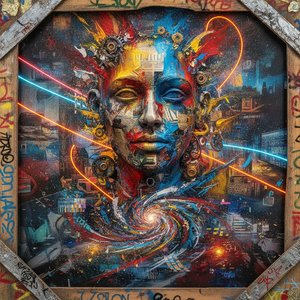
Mixed Media Magic: How to Layer Texture and Street Style for High-Impact Art
Master the art of high-impact decor with our trend forecast on mixed media. Discover how to layer street style textures and dimensional elements to create a bold, urban aesthetic for your modern space. Elevate your collection with professional insights into contemporary art trends.

The Magic of Collage: How to Layer Texture and Story into Your Home Decor
Elevate your interiors with the magic of collage. Discover expert tips on layering texture, 3D elements, and personal narratives through mixed media art to create a soulful, sophisticated home decor experience.
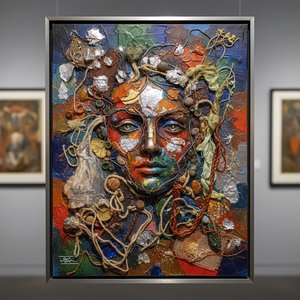
Beyond the Brush: An Expert Guide to Mastering Mixed Media Art Techniques and Materiality
Elevate your artistic practice with our expert guide to mastering mixed media art. Discover professional techniques for layering, material integration, and creating structural depth to transform your creative vision into sophisticated, multi-dimensional masterpieces.
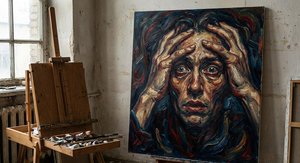
Figurative Expressionism: Emotional Intensity & Subjective Reality in 20th-Century Art
Explore the powerful world of Figurative Expressionism with OriginalUniqueArt. Discover key artists like Kirchner & Beckmann, understand its emotional depth, and learn how to collect this influential 20th-century art movement.

Mixed Media Art for Hospitality: A Professional Guide to Texture, Layering, and High-Impact Interior Design
Elevate hospitality interiors with professional mixed media art. Our guide explores texture, layering, and durability for hotel designers and procurement managers seeking high-impact, custom-commissioned artworks that define luxury guest experiences.


