

 Előnézet
 Megosztás
 Megosztás
 Részletek
 Útmutató

 Letöltés
 Hasonló darabok
 X-ray felvétel
 Diavetítés
 Statisztika
Ritual Processional


 Tovább olvasom
Az ezen az oldalon megjelenített műalkotások szerzői jogi védelem alatt állnak, ami azt jelenti, hogy törvényileg nem készíthetünk és nem adhatunk el belőlük pontos másolatokat. Ez a védelem olyan nemzetközi megállapodások alapján érvényesül, mint például a Berni Egyezmény és a nemzeti törvények által, beleértve azokat is, amelyeket meghatározott Az USA szerzői jogi törvénye – 17. cím.
Ez a módszer teljes mértékben megfelel a szerzői jogi szabályozásnak, mivel nem tartalmazza a védett műalkotás másolását vagy duplikálását. Ehelyett ez egy kreatív újinterpretáció – egy új festmény, amely az eredetivel való összefüggései miatt hatással van rá, de nem az az.
Giclée / Műnyomat
Múzeumi minőségű giclée vagy vászonnyomat, gyors gyártással és rugalmas finomítási lehetőségekkel. ( Kézzel festett másolat vásárlása Áttérés digitális képre)




P118B Ft10

P118H Ft10

P118W Ft10

P438Z Ft10

P508JH Ft12

P508YH Ft12

P805H Ft10

P805Z Ft10

P919BZ Ft10

P919G Ft10

P919XJ Ft10

P959ZH Ft10

P968JZ Ft12

W106C Ft8

W218G Ft10

W218JH Ft8

W218Y Ft10

W307PJ Ft10

W316G Ft10

W316PJ Ft8

W316Y Ft10

W398PJ Ft8

W4111J Ft10

W500HY Ft15

W500JH Ft15

W692G Ft12

W849H Ft8

W940BG Ft15

W953PJ Ft8




Válasszon előre meghatározott méreteink közül, amelyek megfelelnek a műalkotás eredeti arányainak.

Írja be a keretének vagy a falának megfelelő szélességet és magasságot. A nyomatot csak le lehet vágni, soha nem tehető nagyobbá, mint az eredeti kép, így egy eltérő alakú méretnél a kép egy része elveszik. Mielőtt bármit kinyatintanánk, küldünk egy digitális próbamodellt jóváhagyásra. Az oldalon látható kép nem tartalmazza a valós levágást — ezt csak a próbamodell mutatja meg.
Világszerte történő kiszállítás területére mindössze 2 hét alatt, a szokásos 4-5 hét helyett. (22 október)

Ingyenes globális expressz szállítás

Prémium minőségű len vászon

Teljes körű szállítási biztosítás

Vámvisszatérítési Garancia

Tökéletes színarányosság garancia

100 napos visszaküldési garancia (csak gyártási hibás termékek esetén)

100% pénzvisszatérítési garancia

Több darab vásárlásakor kedvezmény
 Az üvegkeretes opció csak 110 cm alatti méretben érhető el

Ritual Processional
Giclée / Műnyomat
Reprodukció méretei
-


Összesített ár
Ft 25565
The Raw Pulse of a Community – Purvis Young's "Ritual Processional"
Purvis Young’s “Ritual Processional,” painted in 1985-1999, isn’t merely a depiction of a gathering; it’s an immersive experience. It’s a vibrant snapshot pulled from the heart of Overtown, Miami – a neighborhood that pulsed with both hardship and resilience during Young's lifetime. The painting immediately assaults the senses with its unapologetic energy: a dense throng of figures moving within a claustrophobic space, bathed in the warm glow of an unseen light source. It’s a scene brimming with movement, a feeling of collective purpose—a ritual unfolding before our eyes.
Young, largely self-taught and working outside traditional art circles, eschewed polished techniques for a directness that resonated powerfully with his subjects. He utilized inexpensive materials – wood scraps, cardboard, and house paint – transforming discarded objects into canvases brimming with life. This deliberate choice speaks volumes about Young’s philosophy: art wasn't about prestige or refinement; it was about capturing the essence of everyday experience, particularly within marginalized communities. The slightly rough texture of the paint, the visible layering of materials, all contribute to a sense of immediacy and authenticity—as if you could reach out and feel the heat of Overtown’s summer sun on your skin.
Decoding the Figures – Symbolism in Motion
The figures themselves are remarkably diverse, rendered with an astonishing lack of detail. They aren't portraits; they represent a collective, a community engaged in something significant. Some appear to be leading the procession, their gestures emphatic and directed. Others seem lost in contemplation, absorbed in the moment. The sheer number of individuals—a multitude coalescing into a single force—underscores the strength and solidarity of Overtown’s residents. Notice the varying heights and sizes; this isn't an attempt at photographic realism but rather a celebration of human diversity.
The background, rendered in a bold yellow hue, acts as both a stage and a symbolic anchor. It’s not a realistic landscape; it’s an intensified color field that amplifies the energy of the scene. Some art historians suggest this vibrant backdrop represents the hope and optimism that persisted within Overtown despite its challenges. The lack of specific details in the background further emphasizes the figures themselves, drawing our attention to their actions and emotions.
A Legacy Forged on the Streets – Context and Influence
Purvis Young’s work emerged during a period of profound social change in Miami. Overtown was undergoing gentrification, facing displacement and economic hardship. Young's art became a powerful voice for his community, documenting its struggles and celebrating its spirit. He wasn’t interested in creating pretty pictures; he wanted to tell the stories of the people who lived there – their hopes, their fears, their resilience.
His influence extends far beyond Miami. Young's raw, emotive style paved the way for a new generation of outsider artists and street artists. He demonstrated that art could be created anywhere, by anyone, and that it didn’t need to conform to traditional notions of beauty or skill. The painting’s directness and emotional honesty continue to resonate with audiences today, reminding us of the power of art to connect us to our shared humanity.
Bringing "Ritual Processional" Home – Reproduction Considerations
Reproductions of “Ritual Processional” offer a remarkable opportunity to bring a piece of Overtown’s soul into your own space. When selecting a reproduction, consider the quality of materials and printing techniques. A high-quality print on archival paper will ensure that the colors remain vibrant for years to come. The scale of the reproduction is also important; a larger format will allow you to fully appreciate the painting's intricate details and dynamic composition. Ultimately, a carefully chosen reproduction can serve as a powerful reminder of Purvis Young’s legacy – a testament to the enduring spirit of Overtown and the transformative power of art.
Gyakran Ismételt Kérdések
Hol függene jól a „Ritual Processional”, Purvis Young alkotása reprodukciója?
A „Ritual Processional”, Purvis Young alkotása Square formátumú alkotása egy Living Room számára ajánlott. A formátum és a tér együtt segítik a reprodukció elhelyezését.
Hogyan illeszkedik a "Ritual Processional" Purvis Young témáiba és stílusába?
A "Ritual Processional" Purvis Young Purvis Young / Overtown korszakának alkotása, melynek témakörében overtown life, street art, african american experience, social commentary, protest, spiritual, ritual imagery, unique is feltűlik.
Milyen viszonyban állnak egymáshoz a "Ritual Processional" színei?
A "Ritual Processional" színharmóniája úgy van rögzítve, mint Strong Color Unity.
A művész életrajza
A Life Forged in Overtown: The Story of Purvis Young
Purvis Young’s art wasn't born in a studio, but on the streets of Miami’s Overtown neighborhood—a place he didn’t just depict, but *lived* and breathed. Born in Liberty City in 1943, Young’s journey was one of self-discovery fueled by hardship, observation, and an unwavering dedication to translating the soul of his community onto any surface he could find. He wasn't formally trained; his education came from immersing himself in art books during a period of incarceration, and then through relentless study at Miami’s public libraries. This autodidacticism became central to his artistic identity—a refusal to conform to established norms, mirroring the resilience of Overtown itself. His early life was marked by challenges, including time spent in prison for breaking and entering, an experience that profoundly shaped his worldview and ultimately ignited a creative fire within him. Upon release, he didn’t seek out galleries or mentors; instead, he turned inward, finding inspiration in the decaying beauty and vibrant humanity surrounding him.The Alchemy of Found Objects
Young's artistic process was as unique as his vision. He wasn’t interested in pristine canvases or expensive materials. Instead, he scavenged Overtown—a neighborhood undergoing dramatic change and decline—for discarded wood, scrap metal, old books, fragments of wallpaper, and anything else that caught his eye. These weren’t simply *materials*; they were the very essence of the community he sought to represent. He transformed these castoffs into powerful assemblages, layering drawings, paintings, and text in a chaotic yet strangely harmonious manner. This technique wasn't merely about resourcefulness; it was a deliberate act of reclamation—giving voice to the forgotten and overlooked. His work often features recurring motifs: horses symbolizing freedom, angels representing spirituality, and fragmented figures engaged in ritualistic acts, all rendered with an expressive rawness that conveys both despair and hope. The surfaces are textured, layered, and often distressed, mirroring the physical and emotional landscape of Overtown. He didn’t just paint *about* the neighborhood; he painted *with* it, incorporating its very fabric into his art. The use of found objects wasn't accidental; it was a direct reflection of the community's own history of repurposing and survival.Echoes of Influence and a Singular Voice
While largely self-taught, Young wasn’t entirely isolated from artistic currents. The mural movement of the 1960s resonated with him, inspiring him to create large-scale works directly within Overtown—transforming dilapidated walls into vibrant canvases that documented the lives and struggles of its residents. He absorbed influences from a wide range of sources, evident in his eclectic style, yet he never imitated. His work possesses a distinct aesthetic—a raw energy, a chaotic beauty, and a poignant social commentary that sets him apart. Some critics have noted echoes of Expressionism and Surrealism in his imagery, but these are filtered through the unique lens of his personal experience and cultural context. He wasn’t interested in replicating existing styles; he was intent on forging his own visual language—one that could capture the complexities of urban life and the resilience of the human spirit. His work often felt like a collage of memories, dreams, and social observations, all blended together with an intuitive understanding of color and composition.A Chronicle of a Community
Purvis Young’s art is more than just aesthetically pleasing; it's a vital historical record of Overtown during a period of profound transformation. The neighborhood was rapidly changing—facing displacement due to urban renewal projects, grappling with poverty, and experiencing the challenges of racial segregation. Young’s paintings captured this dynamic in all its complexity – the vibrant street life, the struggles for survival, and the enduring spirit of the community. His depictions weren't idealized; they were honest portrayals of everyday life, filled with both joy and sorrow. He documented the faces of Overtown—its residents, its businesses, its churches—creating a visual tapestry that served as a testament to the neighborhood’s rich cultural heritage. His work became a powerful symbol of resistance against erasure, ensuring that the stories of Overtown would not be forgotten.Recognition and Lasting Legacy
For years, Young's work circulated primarily within a devoted local following. Collectors like Jane Fonda, Damon Wayans, Jim Belushi, and Dan Aykwood recognized the power and originality of his vision early on, providing crucial support during a time when mainstream art institutions largely overlooked him. The documentary Purvis of Overtown brought wider attention to his life and work, but it was ultimately the increasing recognition from museums and galleries that solidified his place in art history. Today, his paintings are held in prestigious collections worldwide, including the American Folk Art Museum, the Pérez Art Museum Miami, and the Smithsonian American Art Museum. In 2018, he was posthumously inducted into the Florida Artists Hall of Fame—a testament to his enduring impact on the state’s artistic heritage. His legacy continues to inspire artists and viewers alike, urging us to look beyond the surface and engage with the complexities of the world around us. Young's story is a powerful reminder that art can emerge from unexpected places and that true creativity knows no bounds.
Purvis Young
1943 - 2010 , Egyesült Államok
Gyors információk
- Artistic Movement Or Style: Szociál-expresszionista
- Date Of Birth: 2. április 1943
- Date Of Death: 20. április 2010
- Full Name: Purvis Young
- Nationality: Amerikai
- Notable Artworks:
- Untitled (1980)
- Untitled (1978)
- Place Of Birth: Liberty City, USA
Kapcsolódó cikkek
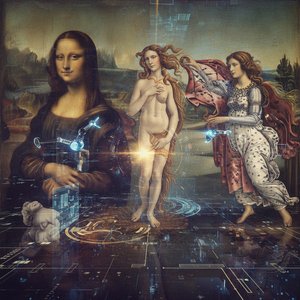
Digital Collage: Merging Art History and Technological Innovation into Modern Masterpieces
Explore the profound evolution of digital collage, where art history meets modern technology. Discover how contemporary masters merge classical techniques with digital innovation to create breathtaking new masterpieces for the modern collector.

Mastering Digital Collage: An Expert Guide to Layering Art, Texture, and Imagination
Elevate your digital artistry with our expert guide to mastering collage. Learn professional techniques for layering textures, blending imagery, and creating profound visual narratives through advanced digital composition and modern creative workflows.

Digital Collage Unleashed: How to Remix Reality into High-Impact Pop Art
Master the art of digital collage. Discover how to remix pop culture icons, glitch aesthetics, and vibrant textures into high-impact Pop Art for modern urban spaces. Elevate your collection with bold, trend-setting visual strategies from the experts in contemporary graphic art.

The Alchemy of Layers: How Digital Collage Reimagines the Soul of Artistic Tradition
Explore the enchanting evolution of digital collage, where modern technology meets the timeless soul of art history. Discover how contemporary artists blend classical textures with digital innovation to create breathtaking new masterpieces for the modern collector.

The Magic of Collage: How to Layer Texture and Story into Your Home Decor
Elevate your interiors with the magic of collage. Discover expert tips on layering texture, 3D elements, and personal narratives through mixed media art to create a soulful, sophisticated home decor experience.


