

 Megtekintés
 Küldés
 Megosztás
 Részletek

 Letöltés
 Hasonló darabok
 X-ray felvétel
 Diavetítés
 Statisztika
Skirt
 Contemporary
 1968
1968 66.0 x 50.0 cm
 Museo del Traje
 Összes részlet megjelenítése
Kézzel készített olajfestmény reprodukció
Kézzel festett olajvastú vászon, az Ön által választott méretben és keretben, művészeink készítik meglévőre. ( Áttérés Nyomtatványra Áttérés digitális képre)




































Válasszon előre meghatározott méreteink közül, amelyek megfelelnek a műalkotás eredeti arányainak.

Ön megadhat saját méreteket egy adott kerethez vagy térhez igazításhoz. Ha a kiválasztott méret nem egyezik az eredeti kép arányával, akkor a műalkotást levágjuk, vagy további kézzel festett elemekkel meghosszabbítjuk a festményt. A gyártás megkezdése előtt küldünk Önnek egy digitális előnézetet jóváhagyásra.
Kérjük, vegye figyelembe, hogy a képernyőn megjelenő előnézet nem tükrözi a tényleges vágást vagy kiterjesztést. Csak az előnézet fog pontosan mutatni a végső kompozíciót.
Bár egyedi méretek állnak rendelkezésre, javasoljuk, hogy válasszon egy méretet az előre meghatározott listából az eredeti arányok megőrzése érdekében.
A rendelést követően a OriginalUniqueArt.com csapata e-mailt küld az ügyfélnek az instrukciókért, és biztosít egy előnézeti képet (mockup).
Világszerte elérhető szállítás () 3-4 hét alatt a szokásos 5 hét helyett. (9 szeptember). A minőség nem kérdőjelezhető.

Ingyenes globális expressz szállítás

Prémium minőségű len vászon

Teljes körű szállítási biztosítás

Vámvisszatérítési Garancia

Hiteles színpontosság garancia

100 napos visszaküldési lehetőség (csak hibás termékek esetén)

100% pénzvisszatérítési garancia

Több darab vásárlása esetén kedvezmény
 Az üvegkeretes opció csak 110 cm alatti méretben érhető el

Skirt
Reprodukciós technika
Reprodukció mérete
-


Összesített ár
$ 300
A művész életrajza
A Burst of Pattern: The Enigmatic World of the Pulligan Group
The Pulligan Group remains a fascinating, somewhat elusive presence in the landscape of 20th-century textile art and design. Emerging in the mid-1960s, this collective – or perhaps individual working under a pseudonym – created works that pulsate with energy, characterized by dense, vibrant patterns and a bold embrace of color. While biographical details surrounding the artist(s) are scarce, their impact on contemporary fashion and interior aesthetics is undeniable. The available evidence suggests a focus on textile studies, specifically exploring the interplay between intricate design and modern sensibilities. Their work isn’t rooted in traditional narratives or representational imagery; instead, it functions as pure visual experience, an invitation to lose oneself within layers of meticulously crafted form.Early Work & Aesthetic Development
The earliest known pieces attributed to the Pulligan Group date back to 1968, with works like “Skirt” demonstrating a fully formed aesthetic. This piece, and others from this period, showcase a remarkable command of textile techniques – likely screen printing or similar methods allowing for complex layering. The patterns themselves are not easily categorized; they resist simple geometric classifications, instead leaning towards organic, almost biomorphic shapes that interlock and overlap. The use of color is particularly striking, employing saturated hues in unexpected combinations to create a dynamic visual tension. It’s tempting to see echoes of Op Art in their work – the movement's focus on optical illusions and perceptual effects – though Pulligan Group’s designs possess a warmth and tactile quality often absent in more austere Op Art compositions. The initial output seems heavily geared towards fashion applications, suggesting an early interest in translating artistic vision into wearable art.Influences & Artistic Context
Pinpointing direct influences is challenging given the limited documentation surrounding the artist(s). However, several currents within the broader art world likely informed their practice. The burgeoning Pop Art movement, with its embrace of mass culture and bold graphic imagery, undoubtedly played a role. The vibrant color palettes and playful compositions share affinities with artists like Andy Warhol and Roy Lichtenstein. Furthermore, the growing interest in textile arts during the 1960s – fueled by a renewed appreciation for craft traditions and experimentation with new materials – provided a fertile ground for Pulligan Group’s emergence. It's also possible to detect subtle influences from indigenous textiles and patterns, though this remains speculative without further research. The artist(s) appear to have synthesized these diverse elements into a unique visual language that feels both contemporary and timeless.Major Achievements & Lasting Legacy
Despite the lack of extensive biographical information, the Pulligan Group’s work has garnered increasing attention in recent years. Their pieces are sought after by collectors interested in mid-century modern design and textile art. While they may not have achieved widespread fame during their active period, their influence can be seen in contemporary fashion trends that embrace bold patterns and vibrant colors.- Their designs continue to inspire textile artists and designers today.
- The unique aesthetic of the Pulligan Group offers a compelling example of post-war experimentation with form and color.
- “Skirt” remains a standout piece, exemplifying their mastery of textile techniques and dynamic visual style.
The Mystery Endures
As of today, the identity of the artist(s) behind the Pulligan Group remains unknown. This anonymity adds another layer of intrigue to their already captivating work. Whether it was a single visionary designer or a collaborative collective, they left behind a small but significant body of work that continues to resonate with audiences decades later. The lack of biographical detail encourages viewers to focus solely on the art itself – to appreciate the intricate patterns, bold colors, and dynamic compositions without preconceived notions about the artist’s life or intentions. This emphasis on pure visual experience is perhaps the most enduring legacy of the Pulligan Group: a reminder that art can be powerful and meaningful even in the absence of a conventional narrative.
Kapcsolódó cikkek

Merész Művészet: 10 Klasszikus Kép, Amik Bátorítanak és Inspirálnak – OriginalUniqueArt.com
Fedezze fel a 10 legmerészebb műalkotást! Van Gogh, Munch és Picasso remekművei inspirálnak. Expresszionizmus, absztrakt festmények – online képkereső és minőségi reprodukciók a OriginalUniqueArt.com-on. Otthoni dekorációhoz vagy művészeti gyűjteményébe! Fedezze fel az összes mesterművet a OriginalUniqueArt.com oldal
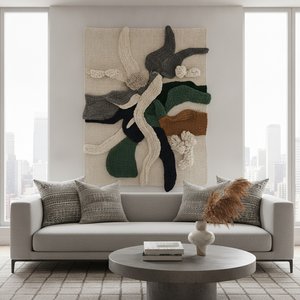
Beyond Canvas: Why Textile Art is the Next High-Impact Trend for Modern Interior Design
Discover why textile art is the next major trend in interior design. Explore how tactile fibers, bold textures, and sustainable mixed media are redefining modern urban spaces and bringing high-impact energy to contemporary collections.
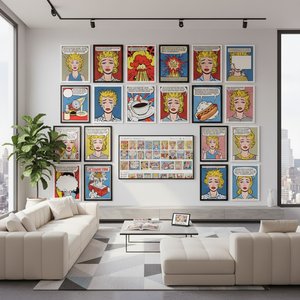
Roy Lichtenstein 25 Mesterműve: Pop Art ikonok a faladra | OriginalUniqueArt
Fedezze fel Roy Lichtenstein 25 legikonikusabb művét! Ismerje meg a pop art forradalmár festményeit, technikáit és inspirációit. Vászonképek, faliképek – magas minőségben a OriginalUniqueArt.com-on. Explore the full collection online!

Beyond the Canvas: Unveiling the Timeless Grandeur and Tactile Artistry of Textile Masterpieces
Embark on a sophisticated journey through the tactile realm of textile art. Unveil the historical evolution from utilitarian craft to museum-grade masterpieces, exploring the intricate textures and legendary artists that redefine the boundaries of fine art.
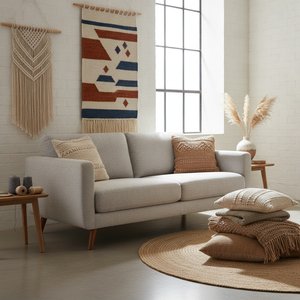
Woven Wonders: A Beginner's Guide to Elevating Your New Home with Timeless Textile Art
Discover how to transform your new home with the warmth of textile art. Our expert guide for newlyweds explores handwoven tapestries, tactile fibers, and timeless ways to curate a soulful, sophisticated interior through beautiful woven wonders.