
 Megtekintés
 Küldés
 Megosztás
 Részletek
 Útmutató

 Letöltés
 Hasonló darabok
 X-ray felvétel
 Diavetítés
 Kérdések és válaszok
 Statisztika
Achilles and the Centaur Chiron

- 159.0 x 127.0 cm


 Összes részlet megjelenítése
Giclée / Műnyomat
Múzeumi minőségű giclée vagy vászonnyomat, gyors gyártással és rugalmas finomítási lehetőségekkel. ( Kézzel festett másolat rendelése Áttérés digitális képre)




P118B Ft10

P118H Ft10

P118W Ft10

P438Z Ft10

P508JH Ft12

P508YH Ft12

P805H Ft10

P805Z Ft10

P919BZ Ft10

P919G Ft10

P919XJ Ft10

P959ZH Ft10

P968JZ Ft12

W106C Ft8

W218G Ft10

W218JH Ft8

W218Y Ft10

W307PJ Ft10

W316G Ft10

W316PJ Ft8

W316Y Ft10

W398PJ Ft8

W4111J Ft10

W500HY Ft15

W500JH Ft15

W692G Ft12

W849H Ft8

W940BG Ft15

W953PJ Ft8




Válasszon előre meghatározott méreteink közül, amelyek megfelelnek a műalkotás eredeti arányainak.

Írja be a keretének vagy a falának megfelelő szélességet és magasságot. A nyomatot csak le lehet vágni, soha nem tehető nagyobbá, mint az eredeti kép, így egy eltérő alakú méretnél a kép egy része elveszik. Mielőtt bármit kinyatintanánk, küldünk egy digitális próbamodellt jóváhagyásra. Az oldalon látható kép nem tartalmazza a valós levágást — ezt csak a próbamodell mutatja meg.
Világszerte történő kiszállítás területére mindössze 2 hét alatt, a szokásos 4-5 hét helyett. (5 november)

Ingyenes globális expressz szállítás

Prémium minőségű len vászon

Teljes körű szállítási biztosítás

Vámvisszatérítési Garancia

Hiteles színarányosság garancia

100 napos visszaküldési lehetőség (csak hibás termékek esetén)

100% pénzvisszatérítési garancia

Több darab vásárlásakor kedvezmény
 Az üvegkeretes opció csak 110 cm alatti méretben érhető el

Achilles and the Centaur Chiron
Giclée / Műnyomat
Reprodukció mérete
-


Összesített ár
Ft 26492
Pompeo Batoni’s “Achilles and the Centaur Chiron”: A Masterpiece of Baroque Narrative
Pompeo Batoni's "Achilles and the Centaur Chiron," painted in 1746, is more than just a depiction of a classical myth; it’s a profound meditation on mentorship, transformation, and the delicate balance between savagery and civilization. This monumental canvas, now housed within the Galleria degli Uffizi in Florence, immediately captivates with its dramatic lighting, rich textures, and meticulously rendered figures – hallmarks of Batoni's signature Baroque style. The scene unfolds with a palpable sense of intimacy as the young Achilles, barely a man, receives instruction from Chiron, the renowned centaur tutor, a figure steeped in both wisdom and wildness.
Batoni’s artistic approach is deeply rooted in the traditions of Bolognese Classicism, yet he skillfully infuses it with the dynamism and emotional intensity characteristic of the late Baroque. He draws inspiration from Raphael's balanced compositions and Poussin’s masterful use of light and shadow, but elevates them through a heightened sense of theatricality. The painting isn’t merely illustrating a story; it’s actively *performing* it – a carefully orchestrated tableau designed to evoke both wonder and contemplation.
The Symbolism of the Encounter
The central relationship between Achilles and Chiron is laden with symbolic weight. Chiron represents the crucible of transformation, the place where raw potential is honed into refined skill. The centaur’s role as a teacher—a figure often associated with wilderness and instinct—contrasts sharply with Achilles' burgeoning humanity. Batoni subtly emphasizes this duality through the composition: Chiron, despite his animalistic features, possesses an air of serene authority, while Achilles embodies youthful eagerness and vulnerability. The woman standing between them, shrouded in mystery, is believed to be Thetis, Achilles’ mother, acting as a witness to this pivotal moment.
Notably, the lyre that Chiron plays isn't simply an instrument; it symbolizes Apollo, the god of music and healing—a direct link to Chiron’s divine lineage. The act of teaching through music suggests a deeper connection between knowledge, harmony, and the cultivation of virtue. The arrow visible in the upper right corner could represent both Achilles’ future as a warrior and the potential for violence inherent within him – a reminder that even the most noble heroes are shaped by their experiences.
Technique and Artistic Detail
Batoni's technical mastery is immediately apparent in the painting’s exquisite detail. The fabrics of the figures—Achilles’ tunic, Chiron’s cloak—are rendered with astonishing realism, showcasing a deep understanding of texture and drapery. The artist employs *chiaroscuro* – the dramatic contrast between light and shadow – to create a sense of depth and volume, drawing the viewer's eye into the scene. The warm, golden hues of the lighting bathe the figures in an ethereal glow, enhancing their emotional impact.
Furthermore, Batoni’s use of color is particularly noteworthy. He employs a rich palette of reds, blues, and browns to create a sense of warmth and vitality. The subtle variations in tone contribute to the painting's overall harmony and visual appeal. The meticulous attention to detail extends to the background—the ancient tree, the distant landscape—which serves as a carefully constructed stage for this dramatic encounter.
A Legacy of Grandeur
"Achilles and the Centaur Chiron" stands as a testament to Batoni’s artistic genius and his ability to seamlessly blend classical ideals with Baroque drama. It's a painting that continues to resonate with viewers centuries after its creation, inviting us to contemplate themes of mentorship, transformation, and the enduring power of myth. Reproductions of this masterpiece offer an opportunity to bring this captivating scene into any space, imbuing it with a sense of history, grandeur, and timeless beauty.
Kérdések és válaszok
„Achilles and the Centaur Chiron”, Batoni Pompeo alkotása egy világos vagy egy sötét tónusú alkotás?
A „Achilles and the Centaur Chiron”, Batoni Pompeo alkotása fényerősége deep_shadow, luminanciája pedig Dark.
Mennyire harmonikusak „Achilles and the Centaur Chiron”, Batoni Pompeo alkotása színei?
A „Achilles and the Centaur Chiron”, Batoni Pompeo alkotása színei Strong Color Unity harmóniát mutatnak be. A harmónia azt írja le, hogyan kapcsolódnak egymáshoz a színek.
Milyen technikával készült és mikor született meg „Achilles and the Centaur Chiron”, Batoni Pompeo alkotása?
A „Achilles and the Centaur Chiron”, Batoni Pompeo alkotása technikája Oil On Canvas, a mű alkotási éve pedig 1746.
A művész életrajza
Kora és képzése
- Született: Lucca, Olaszország (1708)
- Hunyt el: 1787
- Pompeo Batoni 1727-ben költözött Rómába.
- Agostino Masucci, Sebastiano Conca és/vagy Francesco Imperiali mestereknél tanult.
- Első önálló megbízatása az 1732 áprilisában Rómát sújtó esőzések következtében jött létre.
- A „Szent Katalin extázisa” című festmény jól szemlélteti késő-barokk stílusának akadémikus finomítását.
Művészeti stílus és hatások
- Batoni stílusa a klasszikus antikvitásból, a francia rokokó stílusból, a bolognai klasszicizmusból, valamint olyan művészek munkásságából merített inspirációt, mint Nicolas Poussin, Claude Lorrain és különösen Raphael.
- A neoklasszicizmus előzetes stílusú képviselőjének tekintik.
- Művei számos múzeumból elérhetők, köztük az olasz milánai Pinacoteca di Brera múzeumból is.
Jelentős művek és megbízások
- Szűz Mária és a Gyermek szentekkel
- Egy lovag Rómában: Charles Cecil Roberts – Egy híres portré egy brit utazóról, római romok díszítésével.
- Velence diadalma
- Számos oltárképe készült olasz templomokba, például a sienai Duomo múzeumba.
- Portrék iránt rendkívül keresett volt, különösen a Grand Tour utazó brit nemesek körében, akik antik környezetben állított portrékat kértettek tőle.
Fejlődés és történelmi jelentőség
- Batoni Rómában rendkívül divatos festővé vált, miután riválisa, Anton Raphael Mengs 1761-ben Spanyolországba költözött.
- Barátságot ápolt Winckelmannal, és célja a klasszicizmus visszafogottabb megjelenítése volt festményeiben.
- Portréi megörökítették a Grand Tour korának szellemiségét, tükrözve az európai elit klasszikus antikvitás iránti vonzalmát.
- Batoni képessége a barokk technikák és a felt emerging neoklasszikus eszmék ötvözésére ármánya átmeneti alakká emelte az olasz művészettörténetben.
Örökség
- Pompeo Batoni 1787. február 4-én hunyt el Rómában.
- Ideje egyik legelismertebb olasz festőjeként hagyott utólag.
- Műveit ma is csodálják technikai tudásuk, elegáns kompozíciójuk és az egyének történelmi kontextusba ágyazott mélyreható ábrázolásuk miatt.

Batoni Pompeo
1708 - 1787 , Olaszország
Rövid információk
- Artistic Movement Or Style: Neoclassicizmus
- Artists Who Influenced This Artist:
- Nicolas Poussin
- Claude Lorrain
- Raphael
- Date Of Birth: 1708
- Date Of Death: 1787
- Full Name: Pompeo Batoni
- Nationality: Olasz
- Notable Artworks:
- Szűz Mária és a gyermek szentekkel
- A lovag Rómában
- Velence diadalma
- Place Of Birth (City And Country): Lucca, Olaszország
Kapcsolódó cikkek

Barokk dráma: A nagyság és az érzelem bevonása a kortárs belső terekbe
Fedezze fel a barokk stílus nagyságát és drámáját! Ismerje meg a belsőépítészet jellegzetességeit, inspirálódjon híres enteriőrökből, és valósítsa meg álmai luxus otthonát szakértő útmutatásunkkal.

A Barokk Mesterek 10 Legikonikusabb Remekműve – OriginalUniqueArt.com
Fedezze fel a barokk művészet 10 legpártosabb remekművét! Caravaggio, Rembrandt és Vermeer alkotásainak története – OriginalUniqueArt.com kínálatában exkluzív reprodukciók és inspiráló dekorációs ötletek várják Önt. Nézze meg most!

The Dramatic Flourish: Exploring the Baroque Movement's Enduring Legacy in Art History
Explore the dramatic world of Baroque art! Discover iconic artists like Caravaggio & Rubens, defining techniques, and its lasting impact on art history. Expert insights for collectors & enthusiasts at OriginalUniqueArt.

The Visceral Stage: Exploring Dramatic Narratives & Emotional Intensity in Baroque Art
Explore the dramatic world of Baroque art! Discover iconic masters like Caravaggio & Rembrandt, their techniques, and the movement's lasting impact. Expert insights for collectors & enthusiasts at OriginalUniqueArt.
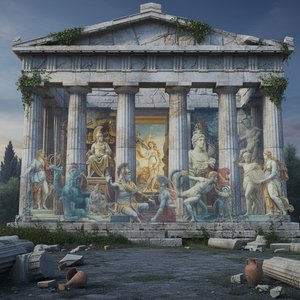
Echoes of Olympus: Mythological Narratives in Western Art Through the Ages
Explore the captivating history of mythological narratives in Western art! From ancient Greece to modern masterpieces, discover iconic artworks & symbolism. Expert analysis and high-quality reproductions at OriginalUniqueArt.
