

 Előnézet
 Megosztás
 Megosztás
 Részletek
 Útmutató

 Letöltés
 Hasonló darabok
 X-ray felvétel
 Diavetítés
 Statisztika
Galatea (?)
 1509
1509 63.0 x 100.0 cm
 Tovább olvasom
Vásároljon nagy felbontású, javított digitális képet, amely minőségében messze felülmúlja az online előnézetet.
Minden fájlt szakembereink a legmodernebb eszközök és precíz, kézi retusálás segítségével készítenek el aprólékosan. Gondoskodunk arról, hogy minden kép kivételes tisztasággal, pontos színhelyességgel és részletgazdag finomsággal rendelkezzen.
A végleges fájl 72 órán belül e-mailben megérkezik, professzionális, szerkesztői és nyomtatási környezetbe optimalizálva az azonnali használathoz. Ez ugyanaz a minőség, amelyben a legmeghatározóbb tervezőstúdiók, kiadók és galériák is megbízhatnak.
Digitális kép
Töltsön le nagy felbontású fájlt személyes kiállításokhoz, nyomtatáshoz és kreatív projektekhez. ( Váltás nyomtatványra Kézzel festett másolat vásárlása)
Minden digitális kép rendeléséhez tartozó extrák
Szakértői digitális kézbesítés, garantáltan
Amikor a OriginalUniqueArt.com szolgáltatást választja, nem csupán egy képet kap – professzionálisan felmagasított digitális műalkotást kap, amely precizitással készült, és amelyet megelégsedési gwarancia tesz biztoslássá. Az alábbiakban automatikusan minden benne 】

Gyors e-mail teslimítés
A nagy felbontású digitális képmásolatát a megrendelést követő 72 órán belül e-mailben elküldjük Önnek – azonnal használható formátumban.

MI-alapú digitális képjavítás
Műve professzionális módon kerül optimalizálásra fejlett mesterséges intelligencia eszközök és manuális szerkesztés segítségével, biztosítva a maximális részletességet, tisztaságot és színpontosságot.

Örök életű ingyenes újradatás
Véletlenül törölted vagy elvesztetted a fájlodat? Ne aggódj – bármikor ingyen újra megküldjük neked.

Nincs importköltség – soha
Élvezze műalkotásait azonnal, vám, illeték vagy szállítási költség nélkül – a digitális letöltések mindig adamentesek.

Színpontosság garantálása
Professzionális eszközök és színkezelés segítségével garantáljuk, hogy digitális képe a lehető legpontosabban tükrözze az eredeti színeket.

100 napos elégedettségi garancia
Ha nemມີ elégedett a digitális képével, 100 napon belül felülvizsgáljuk vagy 100% visszatérítjük az amountot – kérdés बिना.

100% Pénzvisszatérítési garancia
Nem tetszett a vásárlás? 100 napon belül teljes visszatérítést garantálunk a digitális fájl megvételétől számítva – kérdés nélkül.

Tömegrendelési kedvezmények
Vásároljon 3 képet, spóroljon 10%-et - Vásároljon 5-öt, spóroljon 15%-et - Vásároljon 10+ képet, spóroljon 20%-at. Kiváló kreatív projektekhez, galériákhoz és ügynökségekhez.
Gyakran Ismételt Kérdések
Megtekinthetem a "Galatea (?)" alkotást részletesebben?
A „Galatea (?)”, Pinturicchio alkotása röntgensugár-nézetét a mű X-Ray felvétel oldalán tekinthetjük meg: ez az alkotás interaktív vizsgálata eleven optikai rétegeken keresztül.
Hol vásárolhatok egy nyomtatványt a(z) „Galatea (?)”, Pinturicchio alkotása alkotásból?
A "Galatea (?)" minőségi giclée nyomat pamutvászonon vagy archiváló vászonpapíron formátumban is elérhető. A rendelést a Minőségi műalkotás nyomat oldalon lehet megtenni, a kívánt méretben.
Hogyan találhatok olyan műalkotásokat, amelyek hasonlítanak a(z) „Galatea (?)”, Pinturicchio alkotása alkotásra?
A „Galatea (?)”, Pinturicchio alkotása alkotással hasonló műwerkepek a műalkotás Hasonló műalkotások oldalán gyűjthetők össze.
Művész életrajza
Pinturicchio rejtélyes eleganciája: A reneszánsz mester
Bernardino di Betto, ahogy a világ ismeri, Pinturicchio – egy kedves becenév, amelyet alacsony termetére tekintettek – 1454-ben született Perugia művészeti szívében. Élete a hatalmas kulturális virágzás idején járt, miközben az olasz reneszánsz virágzott, mégis Pinturicchio egyedi utat választott: a gótikus hagyományok maradék eleganciáját ötvözte a kor növekvő innovációival. Miközben olyan óriások, mint Leonardo da Vinci és Michelangelo az anatómiai tökéletességre és a drámai realizmusra törekedtek, Pinturicchio finom eleganciával, bonyolult részletekkel és vibráló, dekoratív érzékiséggel jellemzett stílust fejlesztett ki. Útja nem a forradalmi felfordulásról, hanem a kifinomult finomításról szólt – bizonyszat, hogyan képes az établi formákat egyedülálló vonzerővel megtölteni.Umbri műtermektől a pápi megrendelésekig
Pinturicchio korai képzése némi mystika körül övezi, bár úgy vélik, ismertebb perugiai mesterek, mint Bonfigli és Fiorenzo di Lorenzo irányítása alatt csiszolhatta tudását. A fordulópont akkor érkezett, amikor Pietro Perugino, az umbri iskola egyik meghatározó alakjának köréhez került. Giorgio Vasari szerint Pinturicchio Perugino segédje volt, egy olyan együttműködés, amely kétségtelenül meghatározta művészeti fejlődését. Ez a kapcsolat kulcsfontosságúvá vált a 16. század elején a római Szisztián-kápolnához kapott megrendelés tekintetében. A kor leghírvesztőbb művészei – köztük Botticelli, Ghirlandaio és Signorelli mellett – monumentális projektjéhez járult hozzá, bár sajnos freskói később áldozatul ejtették Michelangelo Sztálorvadása helyét teremtése során. Ez az élmény azonban fontos ugródeszka volt számára, új hatásokat mutatott meg neki, és megszilárdította hírnevét.A termékeny korszak: Róma és a Borgia-apartmanok
Az 1484 és 1492 közötti évek Pinturicchio számára a magas termékenységet jelentették, elsősorban Rómában tevékenykedve. Olyan neves családoktól kapott megrendeléseket, mint a Della Rovere, díszítve a Santa Maria del Popolo templom kápolnáit egyedi stílusával. Ezek a művek demonstrálták freskotechnikai tudását, amelyet finom alakok, gazdag díszítésű háttér és bonyolott dekoratív motívumok jellemeztek. Azonban az ő helyét a művészettörténetben leginkább a pápi megrendelések, konkrétan Alexander VI. pápa – Rodrigo Borgia – számára készített munkái rögzítették. 1492 és 1494 között a Vatikáni Palota Borgia-apartmanjainak díszítésére feladatolt, ahol mitológiai jeleneket, portrékat és alegóriás ábrázolásokat przedstawító freskókkal díszítette fel a szobákat. Bár a híres Borgia-család kapcsolata miatt megosztóak voltak, ezek az apartmanok a reneszánsz dekoratív művészet lenyűgöző példái, amelyek rivelik Pinturicchio képességét a klasszikus motívumok saját, egyedi esztétikai érzékiséggel való ötvözésére. Az aranyozás, a vibráló színek és az illúziós technikák használata pompás ragyogást teremtett, tükrözve a pápalai udvar hatalmát és ambícióit.Örökség és maradandó hatás
Pinturicchio művészeti öröksége a finom eleganciáról és a precíz mesterségészetről szól. Bár nem feltétlenül rendelkezett olyan hírnévvel, mint kortársai, hatása a későbbi művésznépeszekre tagadhatatlan. Egyedi stílusa – a gótikus elegancia és a reneszánsz innováció harmonikus ötvözése – mély nyomot hagyott azon, akik értékeltek a finomságot és a részletgazdagságot. Kivételes képességgel rendelkezett vizuálisan lenyűgöző kompozíciók létrehozásában, amelyek egyszerre voltak esztétikailag gyönyörködtetőek és intellektuálisan stimulálóak. Sienában található, 1513-as halála előtt befejezett Piccolomini-könyvtári munkái művészete tartós tehetségének bizonyítékai. A II. Pius pápa életéből származó jeleneket ábrázoló freskók olyan formák és színek tisztaságát mutatják be, amelyek már előre augurálták a magrenesszánsz stílusát. Pinturicchio művészete ma is lenyűgözi a nézőket, egy szépség, finomság és művészi mesterség világába kalauzolva be – egy olyan világba, ahol az „apró festő” finom érintése maradandó nyomot hagyott az olasz reneszánsz művészet tájában.- Jelentős művek: Szisztián-kápolyai freskók (megsemmisültek), a Vatikáni Borgia-apartmanok, a sienai Piccolomini-könyvtár.
- Hatások: Perugino, az umbri festészet iskolája, gótikus hagyományok.
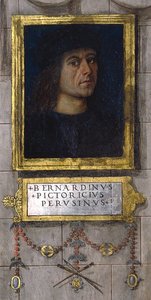
Pinturicchio
1454 - 1513 , Olaszország
Rövid tények
- Artistic Movement Or Style: Renascimento
- Artists Or Movements Influenced By This Artist: ['Raphael']
- Artists Who Influenced This Artist:
- Perugino
- Bonfigli
- Fiorenzo di Lorenzo
- Date Of Birth: 1454
- Full Name: Bernardino di Betto Betti
- Nationality: Italian
- Notable Artworks:
- Sistine Chapel freskék
- Borgia Appartamenti dekor.
- Saint Augustine
- Place Of Birth: Perugia, Itália