

 Megtekintés
 Küldés
 Megosztás
 Részletek
 Útmutató

 Letöltés
 Hasonló darabok
 X-ray felvétel
 Diavetítés
 Statisztika
The Dancing Lesson
 Acrylic On Canvas
- WallArt
- Venetian Genre
 1741
1741 61.0 x 51.0 cm
 Gallerie dell’Accademia
 Összes részlet megjelenítése
Giclée / Műnyomat
Múzeumi minőségű giclée vagy vászonnyomat, gyors gyártással és rugalmas finomítási lehetőségekkel. ( Kézzel festett másolat rendelése Áttérés digitális képre)




P118B Ft10

P118H Ft10

P118W Ft10

P438Z Ft10

P508JH Ft12

P508YH Ft12

P805H Ft10

P805Z Ft10

P919BZ Ft10

P919G Ft10

P919XJ Ft10

P959ZH Ft10

P968JZ Ft12

W106C Ft8

W218G Ft10

W218JH Ft8

W218Y Ft10

W307PJ Ft10

W316G Ft10

W316PJ Ft8

W316Y Ft10

W398PJ Ft8

W4111J Ft10

W500HY Ft15

W500JH Ft15

W692G Ft12

W849H Ft8

W940BG Ft15

W953PJ Ft8




Válasszon előre meghatározott méreteink közül, amelyek megfelelnek a műalkotás eredeti arányainak.

Írja be a keretének vagy a falának megfelelő szélességet és magasságot. A nyomatot csak le lehet vágni, soha nem tehető nagyobbá, mint az eredeti kép, így egy eltérő alakú méretnél a kép egy része elveszik. Mielőtt bármit kinyatintanánk, küldünk egy digitális próbamodellt jóváhagyásra. Az oldalon látható kép nem tartalmazza a valós levágást — ezt csak a próbamodell mutatja meg.
Világszerte történő kiszállítás területére mindössze 2 hét alatt, a szokásos 4-5 hét helyett. (25 október)

Ingyenes globális expressz szállítás

Prémium minőségű len vászon

Teljes körű szállítási biztosítás

Vámvisszatérítési Garancia

Hiteles színarányosság garancia

100 napos visszaküldési lehetőség (csak hibás termékek esetén)

100% pénzvisszatérítési garancia

Több darab vásárlásakor kedvezmény
 Az üvegkeretes opció csak 110 cm alatti méretben érhető el

The Dancing Lesson
Giclée / Műnyomat
Reprodukció mérete
-


Összesített ár
Ft 25642
A Glimpse into Venetian Life: The Dance Lesson
Pietro Longhi’s “The Dancing Lesson,” painted in 1741, isn't merely a depiction of an indoor scene; it’s a meticulously crafted window into the vibrant social fabric of 18th-century Venice. Far removed from the grand narratives favored by many of his contemporaries, Longhi chose to capture the quiet dramas unfolding within bourgeois homes – a deliberate departure that cemented his reputation as the “Venetian Hogarth.” This painting, housed in the National Gallery of Art, offers an intimate portrait of a social gathering, brimming with subtle details and a captivating sense of everyday life.
The scene unfolds within a modestly furnished room, dominated by a pair of ornate couches that anchor the composition. A young woman, dressed in a flowing white gown, stands poised on a stage-like platform, clearly the focus of attention. Around her, a carefully arranged group – a man standing behind her, and two others positioned to the right – suggests a private lesson or performance. The inclusion of a chair near the bottom left corner hints at a more relaxed atmosphere, while the overall lighting, diffused through a window, creates an inviting warmth. Longhi’s masterful use of perspective draws the viewer into this domestic tableau, making us feel like silent observers of a commonplace yet charming moment.
The Artist and His Venetian World
Pietro Longhi (1701-1785), born Pietro Falca in Venice, was an artist deeply rooted in his city. Unlike the established painters who favored historical or mythological subjects, Longhi dedicated himself to capturing the nuances of Venetian life – a remarkable shift that earned him recognition for his witty genre paintings. His early training under Antonio Balestra provided a solid foundation in traditional techniques, which he skillfully blended with his own innovative approach. Longhi’s work reflects a keen interest in the social customs and behaviors of his time, offering a unique perspective on the lives of Venetian citizens.
His biography reveals a man who deliberately distanced himself from the grand narratives of his era, choosing instead to document the everyday experiences of ordinary Venetians. He wasn’t simply painting portraits; he was chronicling social interactions, capturing the subtle gestures and expressions that defined their world. This commitment to realism, combined with his distinctive style, established Longhi as a pivotal figure in Venetian art history.
Symbolism and Technique
Longhi's technique is characterized by a remarkable attention to detail and a masterful command of light and shadow. He employs a loose, expressive brushstroke that lends the scene a sense of immediacy and spontaneity. The use of color is particularly noteworthy – the vibrant hues of the dancers’ gowns contrast beautifully with the muted tones of the furniture and walls, drawing the eye to the central figures. The composition itself is carefully balanced, creating a harmonious and engaging visual experience.
Beyond the surface details, “The Dancing Lesson” is rich in symbolism. The setting – a room filled with couches and chairs – suggests a space of leisure and social interaction. The dancers themselves represent the pursuit of pleasure and refinement, while their gestures and expressions reveal a complex interplay of emotions. Even the inclusion of seemingly mundane objects—the chair, the couch—contributes to the painting’s overall narrative, offering clues about the lives and customs of 18th-century Venetians.
A Legacy of Venetian Realism
Pietro Longhi's “The Dancing Lesson” stands as a testament to his unique artistic vision. It is a captivating portrayal of everyday life in Venice, offering a glimpse into the social customs and behaviors of the era. His work paved the way for future generations of artists who sought to capture the nuances of Venetian society with wit and realism. Today, this painting continues to resonate with viewers, reminding us of the enduring power of art to illuminate the human experience.
Kérdések és válaszok
Mikor és milyen anyagokból készült a "The Dancing Lesson"?
A "The Dancing Lesson" alkotása 1741-ben készült, Acrylic On Canvas technikával.
Mennyire intenzívek a „The Dancing Lesson”, Pietro Longhi alkotása színei?
A "The Dancing Lesson" színtelítettsége Monochromatic. Az intenzitás azt mutatja meg, mennyire erőteljesnek tűnnek a színek.
Milyen hangulatot közvetít a „The Dancing Lesson”, Pietro Longhi alkotása a Venetian Genre irányzaton belül?
A „The Dancing Lesson” Reflective hangulata kíséri a Venetian Genre stílusát.
A művész életrajza
Pietro Longhi (Pietro Falca) – A Venetian Chronicler of Daily Life
Pietro Longhi, born Pietro Falca in Venice on November 5th, 1701, wasn’t painting grand historical narratives or mythological scenes; he was capturing the quiet dramas unfolding within the city's elegant homes and bustling streets. He became renowned for his witty genre paintings – intimate glimpses into the lives of 18th-century Venetians, a departure from the prevailing artistic trends of his time. The son of Alessandro Falca, a silversmith, Longhi’s early training began under the Veronese painter Antonio Balestra, who recognized and nurtured the young artist's talent. This foundation in traditional technique would later serve as a subtle counterpoint to the innovative spirit he brought to his chosen subject matter – a spirit that anticipated the groundbreaking work of William Hogarth, cementing Longhi’s place as “the Venetian Hogarth.”Early Influences and Artistic Training
Antonio Balestra's mentorship proved invaluable, instilling in Longhi a mastery of Venetian painting traditions. Balestra championed broken brushwork and vibrant color glazes—techniques that would become hallmarks of Longhi’s distinctive style. Recognizing Longhi’s exceptional aptitude, Balestra recommended him to Giuseppe Maria Crespi, Bolognese artist who was highly regarded for both religious and genre painting. This connection exposed Longhi to the burgeoning social and cultural shifts of his era – a fascination with the private lives of the bourgeoisie and a growing appreciation for domestic rituals. Crespi's influence encouraged Longhi to explore new artistic avenues while retaining the core principles of Venetian art.Religious Beginnings and Transition Towards Genre Painting
Longhi’s initial artistic endeavors focused on religious commissions, producing altarpieces that demonstrated his technical skill and adherence to established conventions. His 1732 depiction of Saint Pellegrino for San Pellegrino church exemplifies this early period, showcasing the meticulous application of color glazes and a careful attention to detail—characteristics typical of Venetian painting at the time. However, around 1737 Longhi embarked on a transformative journey, decisively shifting his artistic focus towards genre scenes – small-scale depictions of everyday life that would define his legacy. This pivotal decision wasn’t merely stylistic; it represented a conscious engagement with the evolving sensibilities of the century and signaled a departure from the grand narratives favored by many of his contemporaries.The Venetian Hogarth: Observation, Wit, and Social Commentary
Longhi quickly earned the moniker “the Venetian William Hogarth,” reflecting his remarkable ability to infuse seemingly mundane subjects with astute social commentary—a skill that distinguished him from other artists of his time. Like Hogarth, Longhi eschewed moralizing pronouncements, preferring instead to present observations of human behavior with a subtle irony and an unwavering commitment to truth. He didn’t simply record what he saw; he interrogated it, prompting viewers to consider the complexities and contradictions inherent in Venetian society. His canvases are populated by figures engaged in various activities—gambling parlors (*Ridotti*) teeming with patrons, masked balls celebrating Carnival, and intimate interiors capturing domestic life—each scene imbued with a nuanced perspective that anticipates Hogarth’s groundbreaking approach.Notable Works and Lasting Legacy
Longhi's oeuvre comprises approximately 150 paintings, many of which are celebrated for their exquisite detail and psychological insight. Among his most iconic creations are *The Tailor*, *The Baptism*, *Painter in His Studio*, *The Concert*, *The Charlatan*, and *Exhibition of a Rhinoceros*—each piece offering a captivating glimpse into Venetian life and culture. The *Exhibition of a Rhinoceros*, commissioned by the Dutch sea captain Douvemont van der Meer, stands out as particularly noteworthy – Longhi’s depiction captures the spectacle of the rhinoceros's arrival in Venice with remarkable accuracy and understated humor. His masterful technique—characterized by broken brushwork, luminous color glazes, and meticulous attention to texture—established him as a cornerstone of Venetian painting and cemented his reputation as “the Venetian Hogarth.” Pietro Longhi died peacefully in Venice on May 8th, 1785, leaving behind an enduring artistic legacy that continues to inspire admiration and scholarly study.
Pietro Longhi
1701 - 1785 , Olaszország
Rövid információk
- Artistic Movement Or Style: Venetian painting, Rococo
- Artists Or Movements Influenced By This Artist: ['William Hogarth']
- Artists Who Influenced This Artist:
- Antonio Balestra
- Giuseppe Maria Crespi
- Date Of Birth: November 5, 1701
- Date Of Death: May 8, 1785
- Full Name: Pietro Longhi
- Nationality: Italian
- Notable Artworks:
- The Tailor
- The Baptism
- Painter in his studio
- Place Of Birth: Venice, Italy
Kapcsolódó cikkek

Reflecting Nobility & Nuance: 18th-Century Portraiture as a Window into Societal Values
Explore the world of 18th-century portraiture with OriginalUniqueArt. Discover symbolism, artistic innovation & societal values reflected in masterpieces by Reynolds, Hogarth & more. Expert insights for collectors.

Pietro Longhi's Venetian Scenes: A Study of Rococo Society & Domestic Life
Explore the captivating world of Pietro Longhi's Venetian scenes! Discover insightful analysis of his Rococo masterpieces & social commentary on 18th-century life. Learn about this 'Venetian Hogarth' and his lasting artistic legacy.
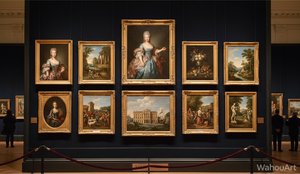
A 18. Század Mesterei: 10 Képi Gyöngyem a Történelemből | OriginalUniqueArt
Fedezze fel a 18. század legikonikusabb műalkotásait! Jacques-Louis David, Fragonard és más mesterek remekművei rokokó stílusban, barokk eleganciával. Művészeti reprodukciók prémium minőségben – inspirálja otthonát a OriginalUniqueArt.com kínálatával! Explore the full collection online.
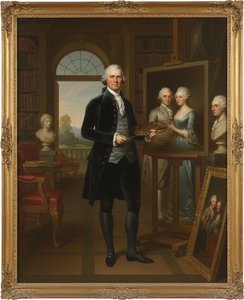
Sir Nathaniel Dance-Holland: Portraiture, Patronage & Georgian Identity
Explore the life & art of Sir Nathaniel Dance-Holland, a leading Georgian portraitist. Discover his masterful technique, influential patrons, and lasting impact on 18th-century British society. A guide for discerning collectors.

Jacopo Tintoretto 25 Mesterműve: A Velencei Dráma és Fény Világa | OriginalUniqueArt
Fedezze fel Jacopo Tintoretto 25 legpárásabb műalkotását! A velencei reneszánsz drámája és a barokk fények világa. Vásároljon luxus minőségű reprodukciókat, inspirálja otthonát OriginalUniqueArt-on. Explore the full collection online!