
 Megtekintés
 Küldés
 Megosztás
 Részletek

 Letöltés
 Hasonló darabok
 X-ray felvétel
 Diavetítés
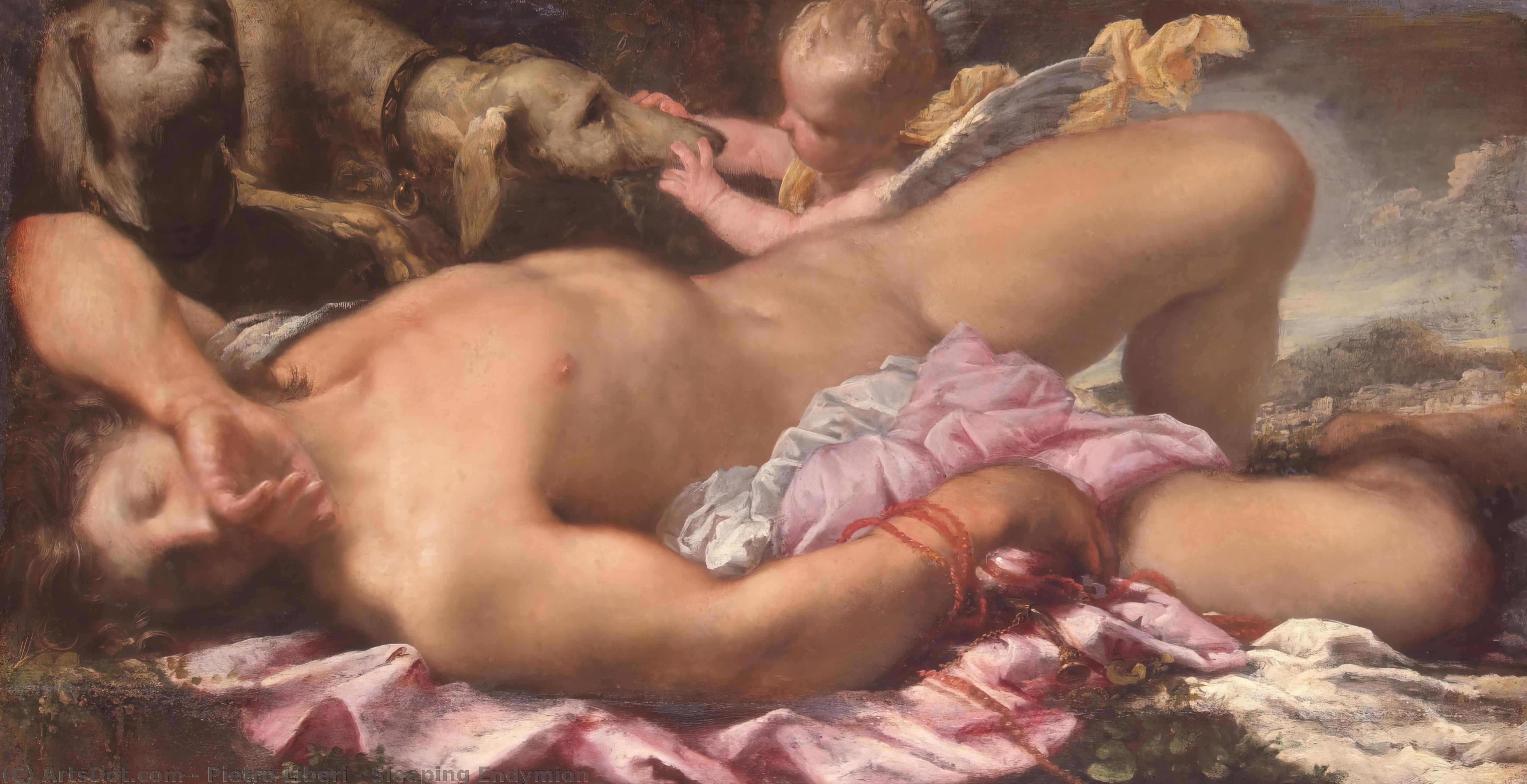
Sleeping Endymion
 Oil On Canvas
- WallArt
- Baroque
 1660
1660 84.0 x 147.0 cm
 Hermitázsmúzeum
 Összes részlet megjelenítése
Vásároljon nagy felbontású, javított digitális képet, amely minőségében messze felülmúlja az online előnézetet.
Minden fájlt szakembereink a legmodernebb eszközök és precíz, kézi retusálás segítségével készítenek el aprólékosan. Gondoskodunk arról, hogy minden kép kivételes tisztasággal, pontos színhelyességgel és részletgazdag finomsággal rendelkezzen.
A végleges fájl 72 órán belül e-mailben megérkezik, professzionális, szerkesztői és nyomtatási környezetbe optimalizálva az azonnali használathoz. Ez ugyanaz a minőség, amelyben a legmeghatározóbb tervezőstúdiók, kiadók és galériák is megbízhatnak.
Digitális kép
Töltsön le nagy felbontású fájlt személyes kiállításokhoz, nyomtatáshoz és kreatív projektekhez. ( Nyomat rendelése Kézzel festett másolat rendelése)
Minden digitális kép rendeléséhez tartozó extrák
Szakértői digitális kézbesítés, garantáltan
Amikor a OriginalUniqueArt.com szolgáltatást választja, nem csupán egy képet kap – professzionálisan felmagasított digitális műalkotást kap, amely precizitással készült, és amelyet megelégsedési gwarancia tesz biztoslássá. Az alábbiakban automatikusan minden benne 】

Gyors e-mail teslimítés
A nagy felbontású digitális képmásolatát a megrendelést követő 72 órán belül e-mailben elküldjük Önnek – azonnal használható formátumban.

MI-alapú digitális fejlesztésű fájl
Műve professzionális módon kerül optimalizálásra fejlett mesterséges intelligencia eszközök és manuális szerkesztés segítségével, biztosítva a maximális részletességet, tisztaságot és színpontosságot.

Örök életű ingyenes újradelivery
Véletlenül törölted vagy elvesztetted a fájlodat? Ne aggódj – bármikor ingyen újra megküldjük neked.

Nincs importköltség – soha
Élvezze műalkotásait azonnal, vám, illeték vagy szállítási költség nélkül – a digitális letöltések mindig adamentesek.

Színpontosság garantálása
Professzionális eszközök és színkezelés segítségével garantáljuk, hogy digitális képe a lehető legpontosabban tükrözze az eredeti színeket.

60 napos elégedettségi garancia
Ha nemມີ elégedett a digitális képpel, 60 napon belül átmunkáljuk azt, vagy 100% visszatérítjük az amountot – kérdés nélkül.

100% Pénzvisszatérítési garancia
Nem érheted el a teljes elégedettséget? 60 napon belül teljes visszatérítést kapsz a digitális fájlod megérkezése után – kérdés nélkül.

Tömegrendelési kedvezmények
Vásároljon 3 képet, spóroljon 10%-et - Vásároljon 5-öt, spóroljon 15%-et - Vásároljon 10+ képet, spóroljon 20%-at. Kiváló kreatív projektekhez, galériákhoz és ügynökségekhez.
A gyűjtemény részletei
The Eternal Slumber of Endymion: A Vision of Mythic Serenity
To gaze upon Pietro Liberi's Sleeping Endymion is to step across the threshold of time and into a realm suspended by divine grace. This magnificent oil on canvas, executed in 1660, does more than merely depict a scene; it captures an exquisite moment—a breath held between worlds. The painting centers around Endymion, the eternally youthful figure from Greek mythology, whose beauty was so profound that Zeus himself intervened to grant him perpetual slumber, preserving his flawless state. Liberi masterfully translates this lofty myth into tangible pigment, inviting the viewer into a contemplation of timeless beauty and peaceful repose.
Compositional Harmony and Ethereal Detail
The composition itself is a study in delicate balance. Endymion reclines with an almost languid grace, his muscular form rendered with the characteristic skill of Baroque masters, yet softened by the pervasive palette of pinks and whites. Hovering above him, the angel acts as a celestial guardian, its spread wings adding an undeniable sense of the divine to the scene. Notice the inclusion of the cherubs playing nearby; they inject a note of innocent playfulness against the backdrop of eternal slumber. Furthermore, the presence of the loyal dogs anchors the ethereal narrative to the tangible world, suggesting companionship even in immortality. Every element—from the soft folds of drapery to the gentle curve of Endymion's resting head—is orchestrated to guide the eye through a tapestry of tranquility.
Symbolism Woven into Canvas
The symbolism within Sleeping Endymion is as rich as its visual splendor. The baby cradled near the center speaks eloquently of purity and nascent life, contrasting beautifully with the suspended state of the young man. The entire tableau functions as an allegory: it speaks to the human yearning for permanence in a fleeting existence. It suggests that true beauty, like youth itself, can be preserved through moments of profound stillness. Liberi does not just paint a sleeper; he paints the concept of arrested perfection, making the artwork deeply resonant with themes of love and enduring grace.
A Masterpiece for the Modern Collector
For those who appreciate the confluence of classical narrative and masterful technique, this reproduction offers an unparalleled opportunity to bring such historical depth into a contemporary space. The soft luminosity achieved by Liberi in his handling of light and shadow—a hallmark of 17th-century Italian painting—lends itself beautifully to interior design schemes that favor subtlety and romance. Owning or displaying a piece inspired by this work is not merely an acquisition of art; it is the curation of a mood—one of profound calm, mythological wonder, and enduring elegance.
A művész életrajza
Johannes Stradanus: A Florentine Master of the Sixteenth Century
Born in Bruges around 1523 and passing away in Florence in 1605, Johannes Stradanus – also known as Jan van der Straet or Giovanni Stradano – stands as a pivotal figure bridging the artistic currents of the Northern Renaissance with the burgeoning dynamism of Italian Mannerism. His life was one of constant movement, reflecting a deep engagement with diverse artistic traditions and a remarkable versatility that encompassed painting, design for tapestries, printmaking, and even pottery decoration. Stradanus’s career unfolded across Europe – from his early training in Flanders to his eventual establishment as a court artist in Florence, a city he profoundly shaped through his work.
Stradanus's artistic journey began with formal training within the workshop of his father, a painter in Bruges, and subsequently continued under the tutelage of Pieter Aertsen in Antwerp. This early exposure to the Flemish school instilled in him a foundational understanding of realistic representation, meticulous detail, and a penchant for depicting everyday scenes – skills that would later inform his broader artistic pursuits. However, it was his relocation to Italy, specifically Florence, that truly ignited his creative spirit and propelled him toward a uniquely hybrid style. The Romanist movement, characterized by its embrace of Italian Renaissance ideals, exerted a significant influence on Stradanus’s development, encouraging him to move beyond the traditional Northern conventions and adopt a more expressive and dynamic approach to composition.
Court Artist in Florence: Patronage and Artistic Innovation
Stradanus's arrival in Florence coincided with a period of intense artistic activity fueled by the patronage of the Medici family. He quickly established himself as a highly sought-after artist, becoming a key figure within the Accademia e Compagnia delle Arti del Disegno – one of the earliest and most influential art academies in Europe. This association provided him with access to a vibrant network of artists, critics, and collectors, fostering an environment of experimentation and intellectual exchange. His work for the Medici court encompassed a remarkably diverse range of subjects: history paintings depicting grand narratives, mythological scenes brimming with allegorical symbolism, portraits capturing the likenesses of prominent figures, architectural studies showcasing his technical skill, and even lively genre scenes offering glimpses into everyday life.
Stradanus’s artistic output during this period was characterized by a masterful synthesis of Northern realism and Italian Mannerism. He retained a meticulous attention to detail inherited from his Flemish training, yet infused his compositions with the dynamism, elegance, and psychological depth that were hallmarks of Florentine art. His use of color was particularly noteworthy – he skillfully employed subtle gradations and atmospheric effects to create a sense of space and volume, while simultaneously capturing the nuances of light and shadow. His ability to seamlessly blend these diverse influences resulted in a uniquely sophisticated style that resonated with audiences across Europe.
A Master of Printmaking: Expanding Artistic Horizons
Beyond his easel paintings, Stradanus made significant contributions to the burgeoning field of printmaking. He was not merely a copier of existing works; rather, he developed innovative techniques that combined engraving and etching on the same plate, creating images with unprecedented richness and detail. This technique, which became increasingly popular in subsequent decades, allowed him to achieve a remarkable level of tonal variation and textural complexity – qualities previously unattainable through traditional printmaking methods. Stradanus’s prints were widely circulated throughout Europe, serving as both independent works of art and valuable illustrations for books and manuscripts.
His printmaking career was inextricably linked to his role as a designer for tapestries. He created elaborate designs for the Medici workshop, employing his artistic skills to translate complex visual narratives into intricate patterns suitable for weaving. These tapestries, often depicting historical events or mythological scenes, served as both decorative objects and powerful propaganda tools, reflecting the wealth and prestige of the Florentine court.
Legacy and Historical Significance
Johannes Stradanus’s legacy extends far beyond his individual works. He played a crucial role in facilitating the exchange of artistic ideas between Northern and Southern Europe, contributing to the development of both Flemish and Italian painting styles. His innovative printmaking techniques influenced generations of artists, while his courtly commissions helped shape the visual culture of Florence during a period of immense artistic and political significance. Stradanus’s life exemplifies the dynamism and interconnectedness of the Renaissance world – a testament to an artist who skillfully navigated diverse traditions and left an enduring mark on the history of European art.

pietro liberi
1605 - 1687

