

 Megtekintés
 Küldés
 Megosztás
 Részletek

 Letöltés
 Hasonló darabok
 X-ray felvétel
 Diavetítés
 Statisztika
Granida and Diafilo


 Összes részlet megjelenítése
Giclée / Műnyomat
Múzeumi minőségű giclée vagy vászonnyomat, gyors gyártással és rugalmas finomítási lehetőségekkel. ( Kézzel festett másolat rendelése Áttérés digitális képre)




P118B $10

P118H $10

P118W $10

P438Z $10

P508JH $12

P508YH $12

P805H $10

P805Z $10

P919BZ $10

P919G $10

P919XJ $10

P959ZH $10

P968JZ $12

W106C $8

W218G $10

W218JH $8

W218Y $10

W307PJ $10

W316G $10

W316PJ $8

W316Y $10

W398PJ $8

W4111J $10

W500HY $15

W500JH $15

W692G $12

W849H $8

W940BG $15

W953PJ $8




Válasszon előre meghatározott méreteink közül, amelyek megfelelnek a műalkotás eredeti arányainak.

Megadhat saját méreteket is egy konkrét kerethez vagy helyszínhez igazítva. Amennyiben a kiválasztott méret nem egyezik az eredeti kép arányokkal, a műalkotást le fogjuk vágni, vagy kiegészítjük a képet tükrözött vagy egyszínű szélekkel. A gyártás megkezdése előtt egy digitális tervezetet küldünk jóváhagyásra.
Kérjük, vegye figyelembe, hogy a képernyőn látható előnézet nem tükrözi a tényleges levágást vagy kiegészítést. Csak a tervezet mutatja pontosan a végső kompozíciót.
Bár az egyedi méretek is elérhetőek, az eredeti arányok megőrzése érdekében azt javasoljuk, hogy válasszon a előre meghatározott listából származó méretet.
Világszerte történő kiszállítás területére mindössze 2 hét alatt, a szokásos 4-5 hét helyett. (18 szeptember)

Ingyenes globális expressz szállítás

Prémium minőségű len vászon

Teljes körű szállítási biztosítás

Vámvisszatérítési Garancia

Hiteles színpontosság garancia

100 napos visszaküldési lehetőség (csak hibás termékek esetén)

100% pénzvisszatérítési garancia

Több darab vásárlása esetén kedvezmény
 Az üvegkeretes opció csak 110 cm alatti méretben érhető el

Granida and Diafilo
Giclée / Műnyomat
Reprodukció mérete
-


Összesített ár
$ 80
A Tender Encounter in the Golden Glow of the Baroque
In the delicate interplay of light and shadow, Pieter van der Werff’s 1711 masterpiece, Granida and Diafilo, invites the viewer into a world of profound intimacy and pastoral romance. This exquisite painting captures a fleeting, breathless moment between two lovers, set against a backdrop that feels both timeless and deeply atmospheric. The composition centers on a seated figure, draped in rich, crimson fabrics that command attention, gently offering a small token—perhaps a flower or an apple—to her reclining companion. As the light of a setting sun or rising dawn washes over the scene, it illuminates the soft textures of skin and silk, creating a sense of palpable warmth. The figures are nestled within a lush, natural sanctuary where the foliage breathes with life, and the sky transitions through a dreamlike spectrum of azure and amber, evoking the quiet magic of a twilight encounter.
The artistry of Van der Werff is on full display through his masterful command of the Baroque style, characterized by a refined realism that borders on the porcelain. Unlike the more rugged textures found in some of his contemporaries, Van der Werff’s technique is marked by an extraordinary smoothness and meticulous attention to detail. Every fold of the heavy red drapery, every strand of hair, and the subtle luminosity of the figures' complexions are rendered with a precision that suggests a deep reverence for classical beauty. This smooth, almost enamel-like finish allows light to dance across the surface of the canvas, lending a three-dimensional volume to the bodies and a lifelike vitality to the surrounding landscape. For the discerning collector or interior designer, this level of technical sophistication offers a centerpiece that radiates elegance and a sense of historical prestige.
Symbolism and the Language of Courtly Love
Beyond its visual splendor, Granida and Diafilo serves as a narrative window into the themes of courtship and destiny. The title itself points toward a legendary tale of pastoral romance, where characters often represent the purity of emotion amidst the complexities of fate. The act of presenting a small object—a symbol of affection and a peace offering—acts as the emotional fulcrum of the piece, bridging the space between the seated and reclining figures. This gesture, combined with the soft, adoring gaze of Diafilo, speaks to the universal language of devotion. The setting, a secluded grove at the edge of day and night, symbolizes a liminal space where the boundaries between the human heart and the natural world dissolve, making the painting not just a depiction of a story, but an exploration of the very essence of romantic longing.
For those looking to integrate such a profound work into a curated space, this reproduction offers more than mere decoration; it provides an emotional anchor. The painting’s ability to evoke nostalgia and tranquility makes it an ideal choice for sophisticated living areas or quiet study retreats. It carries with it the weight of the Dutch Golden Age's refined sensibilities, bringing a touch of 18th-century courtly grace into the modern home. Whether viewed as a triumph of light and color or as a poetic meditation on love, Van der Werff’s work remains a captivating testament to the enduring power of classical storytelling through art.
A művész életrajza
A Refined Vision of the Dutch Golden Age: Pieter van der Werff
Pieter van der Werff, a name perhaps less immediately recognized than those of Rembrandt or Vermeer, nevertheless occupies a significant and fascinating niche within the pantheon of Dutch Golden Age painters. Born in The Hague in 1665 and passing away in Rotterdam in 1722, his career unfolded during a period of immense artistic flourishing in the Netherlands, yet he carved out a distinctive style characterized by elegance, meticulous detail, and an early embrace of innovative pigments. His life was deeply intertwined with that of his brother, Adriaen van der Werff, who served as both mentor and foundational influence, shaping Pieter’s trajectory from its earliest stages. While Adriaen achieved considerable renown – even securing a prestigious position at the court of the Elector Palatine – Pieter established himself primarily in Rotterdam, becoming the favored portraitist of the city's affluent citizenry and leaving behind a legacy that offers invaluable insights into the social fabric and aesthetic sensibilities of his time.Formative Years and Artistic Development
The artistic education received by Pieter van der Werff was profoundly shaped by familial ties. His older brother, Adriaen, already an established painter, provided not only technical instruction but also a crucial introduction to the prevailing artistic currents of the day. This early tutelage instilled in Pieter a commitment to precision and refinement, qualities that would become hallmarks of his mature style. He quickly distinguished himself through a remarkable ability to capture likenesses with both accuracy and psychological depth. His portraits weren’t merely representations of physical appearance; they were carefully constructed portrayals of status, personality, and social standing. The Baroque aesthetic, dominant during this era, profoundly influenced his work, manifesting in dramatic compositions, rich color palettes, and a heightened sense of emotional intensity. However, Pieter tempered the grandiosity often associated with Baroque art with a distinctly Dutch sensibility – a focus on realism, intimate detail, and a subtle psychological nuance that set him apart from many of his contemporaries. He diligently studied under Adriaen’s guidance, absorbing not only artistic techniques but also an understanding of how to convey profound emotion through visual imagery—a skill that would define his distinctive oeuvre.Portraits, Mythological Scenes, and a Pioneering Spirit
Van der Werff’s artistic output was diverse, encompassing portraiture, mythological scenes, historical narratives, and occasional forays into genre painting. However, it is in the realm of portraiture that he truly excelled. He immortalized prominent figures such as Paulus Verschuur, a Burgomaster of Rotterdam, and even Peter the Great of Russia, demonstrating his ability to convey power and authority through masterful brushwork and astute observation. These portraits are not merely historical records; they are compelling studies in character, revealing the inner lives of those who commissioned them. Beyond portraiture, Van der Werff engaged with classical mythology and history, creating works like “Expulsion of Adam and Eve” and “Granida and Diafilo,” which showcase his skill in depicting dramatic narratives and complex compositions. He also explored more intimate scenes of everyday life, as seen in paintings such as “Bellen blazen (Bubble Blowing),” revealing a sensitivity to the nuances of human interaction. His artistic vision extended beyond mere representation; he sought to capture the essence of his subjects—their virtues, their flaws, and their place within the broader tapestry of human experience.A Master of Color: The Use of Prussian Blue
Perhaps one of Van der Werff’s most significant contributions was his pioneering use of Prussian blue, a newly discovered pigment in the early 18th century. He was among the first Dutch painters to extensively incorporate this vibrant hue into his work, recognizing its potential to add depth, richness, and luminosity to his compositions. This innovative approach became a defining characteristic of his style, setting him apart from other artists of his generation. The introduction of Prussian blue revolutionized painting techniques, allowing for unprecedented tonal ranges and creating an ethereal quality that resonated deeply with viewers. It exemplifies Van der Werff’s willingness to embrace new artistic possibilities—a testament to his intellectual curiosity and creative spirit.Legacy and Historical Significance
Pieter van der Werff’s importance extends beyond the aesthetic qualities of his paintings. His work serves as a valuable historical document, offering insights into the lives, fashions, and cultural values of Rotterdam's elite during the Dutch Golden Age. His portraits provide a visual record of the individuals who shaped the city’s political, economic, and social landscape. He remains a symbol of artistic excellence and innovation—a painter whose legacy continues to inspire admiration for his meticulous technique and profound understanding of human psychology. His enduring influence is felt in museums across Europe and beyond, where his masterpieces continue to captivate audiences with their beauty and historical significance. His contribution solidified Rotterdam’s position as a center of artistic patronage and cemented his place among the most respected artists of his time.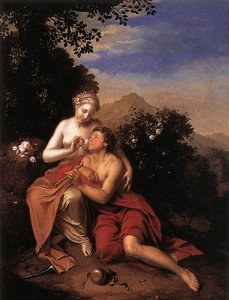
Pieter van der Werff
1665 - 1722 , Holland
A művészről röviden
- Artistic Movement Or Style: Barokk
- Artists Who Influenced This Artist: ['Adriaen van der Werff']
- Date Of Birth: 1665
- Date Of Death: 1722
- Full Name: Pieter van der Werff
- Nationality: Hollandiainak
- Notable Artworks:
- Expulsió Adam és Éva
- Granida és Diafilo
- Buborékpörcölés
- Johan de Vries portréta
- Place Of Birth: A ház város
Kapcsolódó cikkek
Baroque Classicism: Reconciling Drama & Order in 17th-Century Art
Explore the captivating world of Baroque Classicism! Discover its history, key artists like Caravaggio & Rubens, and defining characteristics. Expert insights & high-quality reproductions at OriginalUniqueArt.

Crimson Threads of Narrative: Exploring Symbolism & Representation in Artworks Featuring the Red Dress
Explore the rich symbolism of the red dress in art history! From ancient power displays to iconic portraits like Cézanne’s 'Madame Cezanne', discover the cultural and artistic significance behind this captivating color. Expert analysis & insights.

Baroque Classicism: The Grandeur of Order and Drama in 17th-Century Art History
Explore the profound elegance of Baroque Classicism. Discover how 17th-century masters synthesized dramatic emotion with classical order through the lens of the Counter-Reformation and the works of legends like Carlo Maratta and Andrea Sacchi.
Baroque Classicism: A Professional Guide to Integrating Timeless Grandeur into Luxury Hotel Interiors
Elevate luxury hospitality with Baroque Classicism. Our guide for hotel designers explores integrating grand, classical oil reproductions into professional interiors. Discover efficient bulk procurement, custom sizing, and large-format murals to create timeless, high-impact spaces.

Barokk dráma: A nagyság és az érzelem bevonása a kortárs belső terekbe
Fedezze fel a barokk stílus nagyságát és drámáját! Ismerje meg a belsőépítészet jellegzetességeit, inspirálódjon híres enteriőrökből, és valósítsa meg álmai luxus otthonát szakértő útmutatásunkkal.
