
 Megtekintés
 Küldés
 Megosztás
 Részletek
 Útmutató

 Letöltés
 Hasonló darabok
 X-ray felvétel
 Diavetítés
 Q&A
Q&A Statisztika
Desidia (Sloth), 1557


 Összes részlet megjelenítése
Giclée / Műnyomat
Múzeumi minőségű giclée vagy vászonnyomat, gyors gyártással és rugalmas finomítási lehetőségekkel. ( Kézzel festett másolat rendelése Áttérés digitális képre)




P118B Ft10

P118H Ft10

P118W Ft10

P438Z Ft10

P508JH Ft12

P508YH Ft12

P805H Ft10

P805Z Ft10

P919BZ Ft10

P919G Ft10

P919XJ Ft10

P959ZH Ft10

P968JZ Ft12

W106C Ft8

W218G Ft10

W218JH Ft8

W218Y Ft10

W307PJ Ft10

W316G Ft10

W316PJ Ft8

W316Y Ft10

W398PJ Ft8

W4111J Ft10

W500HY Ft15

W500JH Ft15

W692G Ft12

W849H Ft8

W940BG Ft15

W953PJ Ft8




Válasszon előre meghatározott méreteink közül, amelyek megfelelnek a műalkotás eredeti arányainak.

Írja be a keretének vagy a falának megfelelő szélességet és magasságot. A nyomatot csak le lehet vágni, soha nem tehető nagyobbá, mint az eredeti kép, így egy eltérő alakú méretnél a kép egy része elveszik. Mielőtt bármit kinyatintanánk, küldünk egy digitális próbamodellt jóváhagyásra. Az oldalon látható kép nem tartalmazza a valós levágást — ezt csak a próbamodell mutatja meg.
Világszerte történő kiszállítás területére mindössze 2 hét alatt, a szokásos 4-5 hét helyett. (1 november)

Ingyenes globális expressz szállítás

Prémium minőségű len vászon

Teljes körű szállítási biztosítás

Vámvisszatérítési Garancia

Hiteles színarányosság garancia

100 napos visszaküldési lehetőség (csak hibás termékek esetén)

100% pénzvisszatérítési garancia

Több darab vásárlásakor kedvezmény
 Az üvegkeretes opció csak 110 cm alatti méretben érhető el

Desidia (Sloth), 1557
Giclée / Műnyomat
Reprodukció mérete
-


Összesített ár
Ft 26198
A Tapestry of Inertia: The World Within Bruegel’s Desidia
In the vast, swirling landscape of Pieter Bruegel the Elder’s 1557 masterpiece, Desidia (Sloth), the viewer is not merely presented with a painting, but rather invited into a profound psychological state. At first glance, the composition appears to be a bustling tableau of Northern Renaissance life, yet beneath the surface of this lively scene lies a biting critique of human stagnation. Bruegel, a master of capturing the intricate dance between the mundane and the moral, utilizes a sprawling landscape to house a multitude of figures—men, women, animals, and even aquatic life—all caught in various states of aimless existence. It is a world where movement exists without purpose, and activity serves only to mask a deeper, more unsettling stillness.
The technique employed by Bruegel is nothing short of miraculous, showcasing a meticulous attention to detail that draws the eye through an endless labyrinth of narrative threads. Every brushstroke contributes to a sense of overwhelming abundance; one might find themselves mesmerized by the texture of a distant boat laden with goods or the subtle, weary expression on a figure lost in thought. This level of precision creates a sensory experience that is both immersive and exhausting, mirroring the very concept of sloth—a heavy, inescapable weight that settles over the landscape. For the collector or designer, this complexity offers an unparalleled depth, as the artwork reveals new secrets upon every subsequent viewing.
Symbolism and the Weight of the Human Condition
To gaze upon Desidia is to engage with the intellectual ferment of the mid-16th century. Created during a period where the High Renaissance was transitioning into the more stylized Mannerism, Bruegel’s work stands as a humanist observation of vice and virtue. The painting serves as a moralizing mirror, reflecting the anxieties of a society grappling with newfound wealth and the temptations of material luxury. The central personification of Sloth—often depicted through dozing figures or sluggish animals like the iconic donkey—acts as a focal point for a broader commentary on the loss of spiritual and civic purpose. Bruegel masterfully weaves visual proverbs into the scenery, where even a man stuck in a house or a group of gamblers at a tavern becomes a symbol of the soul's inertia.
There is an undeniable emotional resonance in how Bruegel balances the grotesque with the beautiful. He does not shy away from portraying the unpolished or the unsightly, yet he imbues the entire composition with a rhythmic, almost musical quality. This duality makes the piece particularly compelling for modern interiors; it possesses the gravitas of a historical document while maintaining a vibrant, living energy. It is an artwork that demands contemplation, challenging the viewer to reflect on their own relationship with ambition, productivity, and the quiet, often dangerous, allure of doing nothing at all.
An Eternal Masterpiece for the Discerning Eye
For those seeking to curate a space with profound narrative power, a high-quality reproduction of Desidia offers more than just decoration; it provides a window into the Renaissance mind. The painting’s ability to anchor a room with its historical weight and intricate storytelling makes it an ideal centerpiece for libraries, studies, or sophisticated living areas. It is a piece that speaks to the intellect and stirs the imagination, bridging the gap between the 16th-century Flemish landscape and the contemporary aesthetic of thoughtful, curated living.
Owning a tribute to Bruegel’s genius allows one to preserve the legacy of Northern European expression. Whether viewed as a study in Renaissance technique or as a profound philosophical statement on the nature of human behavior, Desidia remains an enduring icon of art history—a timeless reminder that even in our most idle moments, there is a complex and beautiful story unfolding.
Kérdések és válaszok
„Desidia (Sloth), 1557”, Pieter Bruegel idős alkotása egy világos vagy egy sötét tónusú alkotás?
Összességében a "Desidia (Sloth), 1557" alkotás brilliant fényerőséget mutat. A tapasztalt fényerő azt írja le, hogy a mű mennyire tűnik világosnak vagy sötétnek.
Megtekinthetem a "Desidia (Sloth), 1557" alkotást részletesebben?
A „Desidia (Sloth), 1557”, Pieter Bruegel idős alkotása röntgensugár-nézetét a mű X-ray felvétel oldalán tekinthetjük meg: ez az alkotás interaktív vizsgálata eleven optikai rétegeken keresztül.
Milyen tónus felé hajlik a "Desidia (Sloth), 1557"?
A Ochre to Sepia árnyalat áthatárolja a „Desidia (Sloth), 1557”, Pieter Bruegel idős alkotása alkotást.
A művész életrajza
A Life Rooted in Renaissance Transformation
Pieter Bruegel the Elder emerged during a period of profound change, egy olyan időszakban, amikor Európa művészeti tájképe – Itália reneszánszi ideáihoz képest – a Kárpáti félszigeten és a tengeren túl fejlődő komplexebb kifejezések felé vett fintörést. Valaha Breda (ma Hollandia része) területén, valószínűleg 1525 vagy 1530 körül született, bár az életkorának korai éveiről kevés információ áll rendelkezésre. A fiatal Bruegel élete a vallási megrendülések és a virágzó kereskedelmi kultúra közepette telt el. Képzése körülbelül 1545-ben kezdődött Pieter Coecke van Aelst, egy tiszteletre méltó antwerpi festő mester tanítása alatt, aki híres volt művészetéről és szőnyegmintázás tervezéséről is. Ez a tanulmányi időszak nemcsak alapos technikákat biztosított Bruegelle – olajfestést és rajzolást – hanem bevezette a humanista áramlatokat is, amelyek egyre nagyobb hangsúlyt kaptak az intellektuális körökben. Van Aelst műhelye nem csupán oktatási hely volt; egy olyan ökológiai tér, ahol a hagyományos technikák találkoztak új gondolatokkal, formálva Bruegel jövőbeli látását.Wanderings and the Forging of a Unique Vision
Bruegel tanulmányi időszak után kiterjedt utazásokra indult, amelyek mélyrehatóan befolyásolták művészeti fejlődését. 1551 és 1553 között Franciaországba, Svárcsaba és Olaszországba tett útravalót, rajzolva tájképeket és merülve el különböző kultúrákban. Ezek nem csupán látnivalók voltak; hanem megfigyelésekre és tanulásra alkalmas expedíciók is. Itália területén Bruegel találkozott reneszánszi mesterekkel, de művészi ízlése még mindig a Kárpát-hegységben maradt. Nem egyszerűen magányzott az olasz stílussal, hanem elnyilvánította befolyását és szűkítette azt saját egyedi érzékenysége által. Az Alpok látványos csúcsaival és völgyével nagy nyomot hagyott maga után, ami befolyásolta későbbi tájképének kompozícióját és atmoszferebeli perspektíváját. 1553-ban (vagy 1555-ben) tért vissza Antwerpenbe, ahol beiratkozott a Szent Lukács Egyesületbe, ami azt jelentette, hogy elismerte művészi szakállását.Beyond Myth and Religion: A New Focus for Art
Bruegel valódi innovációja a művészeti témákban rejlett. Merészebben lépett ki a reneszánszi festészet megszokott konvencióiból, amelyek gyakran vallási narratívákat vagy klasszikus mitológiát ábrázoltak. Ehelyett fordította figyelmét az átlagos emberek hétköznapi életére – parasztok munkálására a mezőkben, falvak ünnepeire, vadászok hóban való útjára. Ez nem volt a hagyományos témák elutasítása, hanem az átalakításuk magas művészeti szintre. Tájképét nem csupán háttérként ábrázolta; aktív szereplővé tette a narratívában, gyakran szimbolikus jelentéssel és a természet erői és szélei mély megértésével. *Halál diadala* egy ijesztő apokalipszis látlelet, tele groteszk képekkel és elvészélyes érzéssel. A *Földművesek eszevénye* pedig egy rendkívül részletes és nüanszusos tájképe a vidéki életnek, ami nem idealizálja a helyzetet, hanem őszintén mutatja be a parasztok munkáját. Döntő szerepet játszott a chiaroscuro használata – a fény és árnyak dinamikus játékának – mélység, realitás és érzelmi rézonansz létrehozásában. A képei nem csupán azt ábrázolták, amit láttak; hanem értelmezik a világot saját egyedi szemszögükkel.Lasting Legacy: An Influence Across Centuries
Pieter Bruegel the Elder művészeti öröksége vitathatatlanul befolyásolta az utókor festőit. Megteremtette a feltételeket a holland aranykorszakú festők számára, inspirálva Isaac van Ostade és Adriaen Brouwer művészeket is Bruegel realista ábrázolására. Innovatív tájképészeti stílusa pedig utat nyitott a későbbi fejlődéseknél a műfajban, befolyásolva azokat az alkotókat, akik a természet szépségét és nagyszerűségét szeretnék megörökíteni. A festészeten túl Bruegel munkája továbbra is vonzza a modern közönséget, megjelenik filmekben, mint például Andrei Tarkovski *Solaris* (1972) és Lars von Trier *Melancholia* (2011), bizonyítva az alkotás örök erejét. Képei időtállóan tükrözik a männiség természetét – kapcsolatunkat a természettel, küzdelmünket a halállal és képességünket a boldogságra és szomorúságra. 1569-ben, viszonylag fiatalon, Brüsszelben halt meg, körülbelül negyvenhárom éves korában.Notable Works and Enduring Themes
- Landscape with the Flight into Egypt: Egy nyugodt, de finoman szimbolikus ábrázolás a Szent Szűz és Péter útja arról, hogy hogyan táplálják a gyermeket.
- Halál diadala: Egy ijesztő és apokalipsziszerű látlelet, tele groteszk képekkel és elvészélyes érzéssel.
- Földművesek eszevénye: Egy élénk és részletes tájképe a vidéki életnek, ami bemutatja a parasztok munkáját és társadalmi szokásait.
- Vadászok hóban: A szezonok egyik képzőője, amely híres a légkörös szépségéről és a hóban való vadászok realista ábrázolásáról.
- Bábel tornya: Egy monumentális alkotás az emberi ambícióról és Isten ítélkezéséről.

Pieter Bruegel idős
1525 - 1569 , Holland
Rövid információk
- Artistic Movement Or Style: Renaissance festő
- Artists Or Movements Influenced By This Artist: ['Dutch Golden Age']
- Artists Who Influenced This Artist: ['Hieronymus Bosch']
- Date Of Birth: c. 1525-1530
- Date Of Death: 1569
- Full Name: Pieter Bruegel the Elder
- Nationality: Flamand
- Notable Artworks:
- A Halál diadala
- Földművesek násza
- Sírszoba
- Place Of Birth: Breda, Holland
Kapcsolódó cikkek

A Korai Németalföldi Festészet 10 Mesterműve: A Reneszánsz Kezdete a Vásznon
Fedezze fel a korai németalföldi festészet 10 legikonikusabb műalkotását! Ismerje meg Jan van Eyck, Bosch és más mesterek történetét, technikáit. Múzeumi minőségű reprodukciók a OriginalUniqueArt.com-on – inspirálja otthonát klasszikus festményekkel!
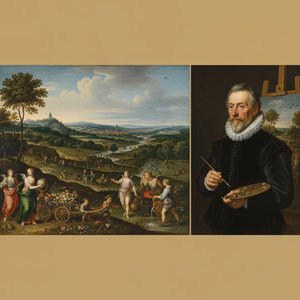
Jan Brueghel the Elder: A Master of Flemish Landscape & Allegory – Exploring Innovation & Influence
Explore the captivating world of Jan Brueghel the Elder, a Flemish Baroque master renowned for his stunning landscapes & allegorical paintings. Discover his collaborations with Rubens and lasting artistic legacy.
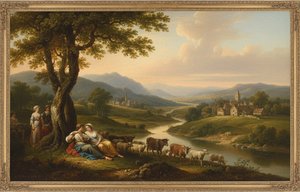
Idyllic Visions: Exploring the Pastoral Tradition in Western Art – Themes, Techniques & Enduring Appeal
Explore the rich history of pastoral art from classical Arcadia to contemporary interpretations. Discover key artists, themes & collecting tips at OriginalUniqueArt.

Idyllic Visions: Exploring the Pastoral Scene in Art History – From Arcadia to Modern Interpretations
Explore the captivating history of pastoral art from classical Arcadia to modern masterpieces. Discover key artists like Millet & Cole at OriginalUniqueArt. Find serene landscape paintings for your home.

Pieter Bruegel the Elder: A Master of Genre, Landscape & Social Commentary
Explore the life & art of Pieter Bruegel the Elder, a pivotal figure of the Renaissance. Discover his groundbreaking genre scenes, symbolic landscapes, and lasting influence on art history. Learn more at OriginalUniqueArt.


![A Kalvarián felé vezető paradicsom [részlet]](/media/artworks/images-thumb/32/c5/32c52a8c054c3755b769d95ed8a42796.jpg)

