Előnézet
 Megosztás
 Megosztás
 Részletek
 Útmutató

 Letöltés
 Hasonló darabok
 X-ray felvétel
 Diavetítés
 Statisztika
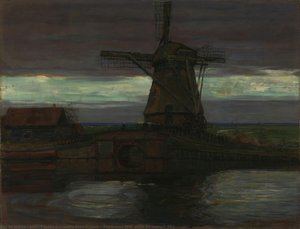
Composition in gray-blue


 Tovább olvasom
Giclée / Műnyomat
Múzeumi minőségű giclée vagy vászonnyomat, gyors gyártással és rugalmas finomítási lehetőségekkel. ( Kézzel festett másolat vásárlása Áttérés digitális képre)




P118B Ft10

P118H Ft10

P118W Ft10

P438Z Ft10

P508JH Ft12

P508YH Ft12

P805H Ft10

P805Z Ft10

P919BZ Ft10

P919G Ft10

P919XJ Ft10

P959ZH Ft10

P968JZ Ft12

W106C Ft8

W218G Ft10

W218JH Ft8

W218Y Ft10

W307PJ Ft10

W316G Ft10

W316PJ Ft8

W316Y Ft10

W398PJ Ft8

W4111J Ft10

W500HY Ft15

W500JH Ft15

W692G Ft12

W849H Ft8

W940BG Ft15

W953PJ Ft8




Válasszon előre meghatározott méreteink közül, amelyek megfelelnek a műalkotás eredeti arányainak.

Írja be a keretének vagy a falának megfelelő szélességet és magasságot. A nyomatot csak le lehet vágni, soha nem tehető nagyobbá, mint az eredeti kép, így egy eltérő alakú méretnél a kép egy része elveszik. Mielőtt bármit kinyatintanánk, küldünk egy digitális próbamodellt jóváhagyásra. Az oldalon látható kép nem tartalmazza a valós levágást — ezt csak a próbamodell mutatja meg.
Világszerte történő kiszállítás területére mindössze 2 hét alatt, a szokásos 4-5 hét helyett. (22 október)

Ingyenes globális expressz szállítás

Prémium minőségű len vászon

Teljes körű szállítási biztosítás

Vámvisszatérítési Garancia

Tökéletes színarányosság garancia

100 napos visszaküldési garancia (csak gyártási hibás termékek esetén)

100% pénzvisszatérítési garancia

Több darab vásárlásakor kedvezmény
 Az üvegkeretes opció csak 110 cm alatti méretben érhető el

Composition in gray-blue
Giclée / Műnyomat
Reprodukció méretei
-


Összesített ár
Ft 25277
A Pivotal Step Towards Abstraction: Exploring Mondrian’s Composition in Gray-Blue
Piet Mondrian's *Composition in Gray-Blue*, created between 1912 and 1913, represents a crucial turning point in the artist’s journey toward pure abstraction. This oil on canvas, now housed at the Thyssen-Bornemisza Museum in Spain, isn’t merely a painting; it's a visual manifesto of early Modernism, reflecting the seismic shifts occurring within the art world at the dawn of the 20th century.Cubist Influences and Artistic Context
Mondrian didn’t arrive at abstraction in a vacuum. The artwork is deeply rooted in the burgeoning Cubist movement pioneered by Pablo Picasso and Georges Braque. However, while embracing Cubism's fragmentation of form and multiple perspectives, Mondrian began to diverge from its representational anchors. The reintroduction of color into Cubist palettes around 1913 significantly impacted him – a development clearly visible in related works like *Oval Composition* (1913-14), which foreshadows his later emphasis on primary colors. This period was one of intense experimentation, as Mondrian sought to move beyond merely depicting objects and instead explore the underlying structures of reality.Deconstructing Form: Composition and Style
*Composition in Gray-Blue* is characterized by its deliberate rejection of recognizable subject matter. Instead of a landscape or portrait, we encounter an intricate network of interlocking black lines and subtly shifting planes of gray and blue. The painting’s composition isn't built *from* a central point but rather seems to radiate outwards, anchored to the edges of the canvas – a novel approach that further destabilizes traditional pictorial space. The technique is marked by a textured surface, achieved through visible brushstrokes and impasto, adding a tactile quality to the abstract forms. The fragmentation echoes Cubist principles, yet Mondrian pushes beyond representation, eliminating any illusion of volume or depth.Symbolism and Emotional Resonance
While devoid of explicit symbolism, *Composition in Gray-Blue* evokes a sense of quiet contemplation and intellectual rigor. The muted color palette – dominated by cool grays and blues – contributes to an atmosphere of serenity and introspection. The dynamic interplay of lines suggests movement and energy contained within a carefully balanced structure. It’s not a painting that shouts for attention; rather, it invites prolonged viewing and encourages the viewer to engage with its formal qualities on a deeper level. The work feels both analytical and emotionally resonant, hinting at Mondrian's spiritual quest for universal harmony.Legacy and Influence
This artwork is not an end point but a crucial stepping stone towards Mondrian’s iconic Neoplasticist style – the geometric abstraction defined by primary colors and black grids. The principles explored in *Composition in Gray-Blue* directly inform his later masterpieces, such as *Composition with Large Red Plane, Yellow, Black, Gray and Blue*. It demonstrates a profound continuity of artistic vision, revealing Mondrian’s unwavering commitment to reducing painting to its essential elements.Key Characteristics
- Early Abstraction: A pivotal work in Mondrian's transition from representational art to pure abstraction.
- Cubist Dialogue: Demonstrates a clear engagement with, and departure from, the principles of Cubism.
- Formal Innovation: Challenges traditional compositional structures by anchoring forms to the canvas edges.
- Subtle Palette: The restrained use of gray and blue creates a contemplative atmosphere.
- Foundation for Neoplasticism: Lays the groundwork for Mondrian’s later, more rigorously geometric style.
A Timeless Masterpiece for Today's Spaces
*Composition in Gray-Blue* is a powerful statement of artistic innovation and a testament to Mondrian’s enduring legacy. Its sophisticated palette and dynamic composition make it an ideal choice for modern interiors, adding a touch of intellectual elegance and timeless appeal. Whether appreciated as a historical landmark or a source of contemporary inspiration, this painting continues to captivate and challenge viewers over a century after its creation.Gyakran Ismételt Kérdések
Mi a művészettörténeti helye a(z) „Composition in gray-blue”, Piet Mondrian alkotása alkotásnak?
Történelmileg a "Composition in gray-blue" a szélesebb körű Modern korszak Cubism alkotása.
Hogyan tudok nyomtatványt vásárolni a(z) „Composition in gray-blue”, Piet Mondrian alkotása alkotásból?
A "Composition in gray-blue" minőségi giclée nyomat pamutvászonon vagy archiváló vászonpapíron formátumban is elérhető. A rendelést a Minőségi műalkotás nyomat oldalon lehet megtenni, a kívánt méretben.
Menny amountnyi fényt tűnik úgy vissza a "Composition in gray-blue" színei?
A "Composition in gray-blue" színei Gentle Luminance fényerővel rendelkeznek.
A művész életrajza
Piet Mondrian élete és művészete: A geometriai absztrakció úttörője
Pieter Cornelis Mondriaan néven született 1872-ben a csendes holland városban, Amersfoortban. Mondrian művészi útja nem volt azonnali megvilágosodásé, hanem egy fokozatos kibontakozás folyamata. Korai éveit a hagyományok határozták meg; nagybátyja, Frits Mondriaan már ismert festő volt, és ez a családi kapcsolat kezdetben a tájképfestés felé terelte. Ezek az első alkotások, melyek emlékeztetnek a Hágai Iskolára és a holland impresszionizmusra – például *A vörös malom* – egy fiatal művészt mutatnak be, aki szorgalmasan tanulmányozza a természetet, elsajátítja a technikákat, de finoman keres valami mást, mint a puszta ábrázolást. Már akkor érezhető volt az egyszerűsítésre való vágy, amely ecsetvonásait vonzotta. Nem elégedett meg a világ merev tükrözésével; lényegét akarta megragadni. Ez a korai időszak kísérletezéssel telt – pontillizmussal és fauvizmussal is próbálkozott, mindegyik stílus más perspektívát kínált a szín és a forma megtekintésére, de egyik sem elégítette ki növekvő művészi látásmódját. Ez az időszak felfedezés ideje volt, egy szükséges előjáték ahhoz a radikális változáshoz, amely örökségét meghatározta.A párizsi ébredés és a Neoplasticizmus születése
Kulcsfontosságú pillanat következett be 1912-ben, amikor Mondrian Párizsba költözött. A város avantgárd energiával lüktetett, és ő elmerült a forradalmi kubizmus világában. Ez a találkozás sorsfordító volt. Megkezdte az alakzatok dekonstruálását, tárgyakat bontott szét geometriai elemeikre, eltávolodva attól, hogy *mit* látott, és inkább arra koncentrált, hogyan látta azt. De Mondrian nem egyszerűen egy új stílust alkalmazott; spirituális útra indult. A teozófiára – egy misztikus filozófiára, amely a mögöttes univerzális elveket hangsúlyozza – mélyen hatva hitt abban, hogy a művészet jármű lehet ezeknek a rejtett igazságok kifejezésére. Ez a hit hajtotta szüntelen törekvését az absztrakcióra, és arra ösztönözte, hogy a színeket és formákat a legősibb elemeikre redukálja. Körülbelül 1917-ben ez a folyamat csúcsosodott ki a Neoplasticizmus megfogalmazásában, amelyet gyakran ‘tiszta plasztikai művészetnek’ neveztek. Ez egy radikális esztétika volt, amely alapvető formákon – egyenes vonalakon, derékszögeken – és korlátozott palettán alapozt: elsődleges színeken (piros, kék, sárga), feketén, fehérben és szürkében. Mondrian számára ez a redukció nem ürességet jelentett; az univerzum mögöttes harmóniájának felfedezéséről szólt, a spirituális rend vizuális megnyilvánulásáról. Theo van Doesburg-gal közösen alapította a *De Stijl* mozgalmat ezeknek az ötletek népszerűsítésére, megerősítve ezzel a Neoplasticizmus meghatározó szerepét a modern művészetben. Mesterei alkotásai, mint például *Kompozíció pirossal, kékkel és sárgával* és *Tableau no. 2 Kompozíció no. V*, tanúskodnak erről az időszakról, ikonikus ábrázolások a geometriai tisztasághoz való töretlen elkötelezettségéről.New York ritmusai: Kései életben virágzás
A második világháború kitörése kényszerítette Mondriant 1940-ben Európa elhagyására, és menedéket talált New York City nyüzsgő metropoliszában. Ez a költözés váratlanul élénkítőnek bizonyult. A város merev rácsszerkezete – éles ellentét a korábban ismert organikus tájakkal – rezonált művészi elveivel. Kései munkái, legnevezetesebben a *Broadway Boogie Woogie* (1943), tükrözik ezt a hatást. Miközben megőrizte a Neoplasticizmus alapelveit, a festmény dinamikus energiát vezet be, egy vibráló ritmust, amelyet a város lüktető élete és a jazz zene inspirált. Az egyenes vonalak még mindig jelen vannak, de most szabadabban táncolnak és metszik egymást, mozgás- és örömérzetet teremtve. Mintha Mondrian új nyelvet talált volna a beépített szókincsén belül, egy módot arra, hogy az egyszerű geometriai absztrakció segítségével kifejezze a modern városi élet komplexitását. Haláláig finomította stílusát 1944-ben, és hagyott maga után egy olyan munkásságot, amely továbbra is lenyűgöz és inspirál.Tartós örökség: Mondrian maradandó hatása
Piet Mondrian hatása a művészet világára felmérhetetlen. Ő nem csupán egy művész volt; egy víziós, aki gyökeresen megváltoztatta az absztrakció és annak univerzális igazságok kifejezésére való képességének megértését. Munkája mélyen befolyásolta számos művészt, mozgalmat és tudományterületet. Az Absztrakt Expresszionizmus, a Minimalizmus és a Színmező festészet mind kötelezi magát úttörő szellemének. De hatása messze túlmutat a vásznon. A Neoplasticizmus elvei – egyszerűség, tisztaság, geometriai rend – áthatották az építészetet, a dizájnt és a divatot. A bútoroktól és textíliáktól kezdve az épületek homlokzatain át a grafikai tervekig Mondrian esztétikája továbbra is formálja vizuális világunkat. Ő ikonikus alak marad a modern művészetben, az absztrakció töretlen keresésének és a művészet átalakító erejének szimbóluma. Ahogy Stephen Bayley dizájntörténész találóan megjegyezte, Mondrian “totémévé vált mindannak, amit a modernizmus megvalósítani kívánt.” Öröksége nem csupán esztétikai szépség öröksége, hanem intellektuális szigor, spirituális mélység és a művészet átalakító erejébe vetett töretlen hit öröksége.Hatások és kulcsfontosságú alkotások
- Korai hatások: A Hágai Iskola, a holland impresszionizmus, a pontillizmus, a fauvizmus megalapozták kezdeti művészi felfedezéseit.
- Átformáló hatás: Párizsi kubizmus kulcsfontosságú volt az absztrakció és a geometriai formák felé való elmozdulásában.
- Filozófiai alap: A teozófia mélyen befolyásolta azt a hitét, hogy a művészet kifejezheti az univerzális spirituális elveket.
- Kulcsfontosságú alkotások: *A vörös malom* (korai naturalista időszak), *Kompozíció pirossal, kékkel és sárgával* (quintesszenciális Neoplasticizmus), *Tableau no. 2 Kompozíció no. V* (demonstrálja az alapvető formákra való redukciót), *Broadway Boogie Woogie* (kései életben dinamizmus, amelyet New York City inspirált).
- Tartós hatás: Mondrian munkája továbbra is inspirál

Piet Mondrian
1872 - 1944 , Hollandia
Gyors információk
- Artistic Movement Or Style: Neoplasticizmus, De Stijl
- Artists Or Movements Influenced By This Artist:
- Absztrakt expresszionizmus
- Minimalizmus
- Color Field festészet
- Artists Who Influenced This Artist:
- Hágai iskola
- Kubizmus
- Teozófia
- Date Of Birth: 1872. március 7.
- Date Of Death: 1944. február 1.
- Full Name: Pieter Cornelis Mondriaan
- Nationality: Holland
- Notable Artworks (List Of Titles):
- Kompozíció vörös, kék...
- Tableau no. 2 Komp. V
- Broadway Boogie Woogie
- Place Of Birth (City And Country): Amersfoort, Hollandia
Kapcsolódó cikkek
A sötétszürke árnyalatok 10 mesterműve: Klasszikus festmények a OriginalUniqueArt kínálatában
Fedezze fel a 10 legikonikusabb sötétszürke árnyalatok festményét! Rembrandt, Goya és Manet remekművei – művészettörténet, technika és inspiráció. Vászonképek online a OriginalUniqueArt kínálatában. Explore the full collection online!

Geometrikus Absztrakció Mesterei: 10 Alapvető Műalkotás a Lakberendezéshez
Fedezze fel a geometrikus absztrakció 10 legikonikusabb műalkotását! Kandinsky, Mondrian és más mesterek festményeinek története inspirálja otthona dekorációját. Múzeumi minőségű reprodukciók a OriginalUniqueArt.com-on – fedezze fel online!

A kék árnyalatai: 10 ikonikus festmény a Slate Blue szín jegyében | OriginalUniqueArt.com
Fedezze fel a 10 legikonikusabb festményt, melyeket a Slate Blue szín ural! Monet, Renoir és más mesterek művei inspirálnak. Vászonképek eladás, otthon dekoráció tippek a OriginalUniqueArt.com-on. Explore the full collection online!

The Allure of Azure: Exploring the Symbolic & Aesthetic Depths of Blue in Art History
Explore the rich history of blue in art! Discover its symbolism, from ancient pigments to modern masterpieces by Kandinsky & Seurat. Uncover the psychological impact and cultural meanings behind this captivating hue.
Piet Mondrian: Deconstructing Reality – A Study of Neo-Plasticism & Universal Harmony
Explore the revolutionary art of Piet Mondrian and the principles of Neo-Plasticism. Discover De Stijl's influence, iconic compositions like 'Composition with Red, Yellow and Blue,' and Mondrian’s lasting legacy on modern design.