
 Megtekintés
 Küldés
 Megosztás
 Részletek
 Útmutató

 Letöltés
 Hasonló darabok
 X-ray felvétel
 Diavetítés
 Statisztika
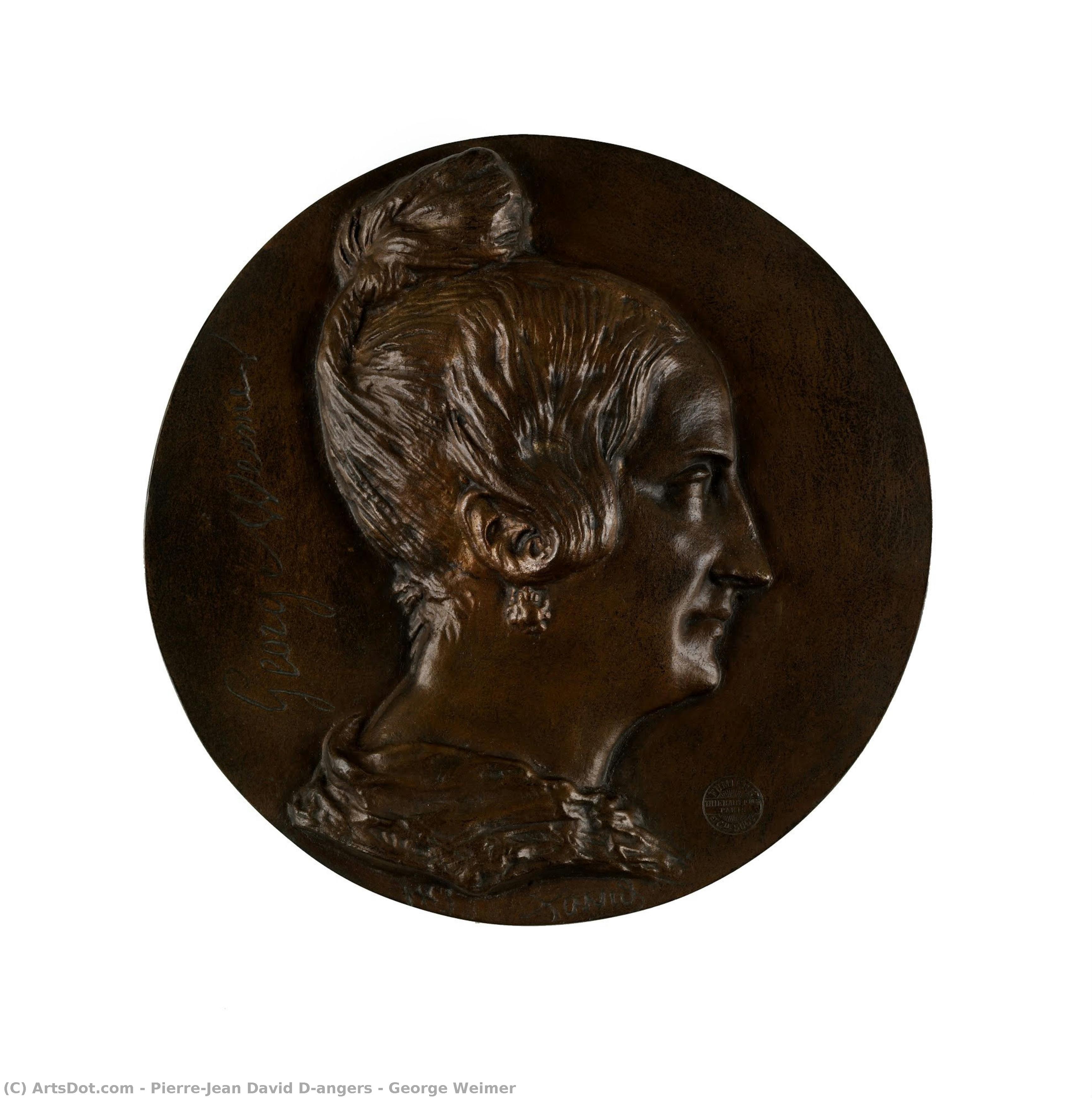
George Weimer


 Összes részlet megjelenítése
Kézzel készített olajfestmény reprodukció
Kézzel festett olajvastú vászon, az Ön által választott méretben és keretben, művészeink készítik meglévőre. ( Váltás nyomtatványra Áttérés digitális képre)




P118B Ft10

P118H Ft10

P118W Ft10

P438Z Ft10

P508JH Ft12

P508YH Ft12

P805H Ft10

P805Z Ft10

P919BZ Ft10

P919G Ft10

P919XJ Ft10

P959ZH Ft10

P968JZ Ft12

W106C Ft8

W218G Ft10

W218JH Ft8

W218Y Ft10

W307PJ Ft10

W316G Ft10

W316PJ Ft8

W316Y Ft10

W398PJ Ft8

W4111J Ft10

W500HY Ft15

W500JH Ft15

W692G Ft12

W849H Ft8

W940BG Ft15

W953PJ Ft8




Válasszon előre meghatározott méreteink közül, amelyek megfelelnek a műalkotás eredeti arányainak.

Írja be a kívánt szélességet és magasságot, hogy illeszkedjen a keretéhez vagy a falához. Mivel ez kézzel festett alkotás, egy eltérő formájú méret esetén a művész akár festhet is valamivel többet a kép körül, vagy korolathat is belőle — az Ön döntésének megfelelően. A festés megkezdése előtt küldünk egy digitális tervezetet jóváhagyásra. Az oldalon látható kép nem tartalmazza a végeredményt — csak a tervezet mutatja meg a valódi eredményt.
A rendelést követően a OriginalUniqueArt.com csapata e-mailt küld az ügyfélnek az instrukciókért, és biztosít egy előnézeti képet (mockup).
Világszerte elérhető szállítás () 3-4 hét alatt a szokásos 5 hét helyett. (25 október). A minőség nem kérdőjelezhető.

Ingyenes globális expressz szállítás

Prémium minőségű len vászon

Teljes körű szállítási biztosítás

Vámvisszatérítési Garancia

Hiteles színarányosság garancia

100 napos visszaküldési lehetőség (csak hibás termékek esetén)

100% pénzvisszatérítési garancia

Több darab vásárlásakor kedvezmény
 Az üvegkeretes opció csak 110 cm alatti méretben érhető el

George Weimer
Reprodukciós technika
Reprodukció mérete
-


Összesített ár
Ft 96158
A Portrait of Romanticism: George Weimer by Pierre-Jean David d'Angers
The image before you isn’t merely a depiction of a man; it’s a window into the heart of 19th-century France, a poignant study in melancholy and quiet dignity. This captivating portrait of Marguerite-Josephine Weimer, known as Mademoiselle George, is a masterful work by Pierre-Jean David d'Angers, executed around 1833, and now meticulously reproduced for discerning collectors and admirers of Romantic art. David’s skill lies not just in capturing likeness, but in imbuing his subject with an almost palpable sense of introspection – a quiet sorrow that resonates deeply even across the centuries.
The composition itself is deceptively simple. A close-up view focuses on Weimer's face, rendered with exquisite detail. The bronze coin serves as a compelling backdrop, its smooth surface and intricate design offering a subtle contrast to the softness of her features. Her gaze, directed downward, speaks volumes – it’s not a look of defiance or anger, but rather one of quiet resignation, perhaps reflecting the challenges faced by a woman navigating the demanding world of Parisian theatre in an era where female performers often struggled for recognition and respect. The pearl necklace, a symbol of elegance and status, hints at her past successes, while the hat adds a touch of formality, suggesting a life lived within the constraints of societal expectations.
The Artist and His Time
Pierre-Jean David d'Angers (1788-1856) was a pivotal figure in French art during a period of dramatic social and political change. Born in Angers, he initially trained as a woodcarver before being drawn to the burgeoning world of sculpture. His early apprenticeship with Jacques-Louis David, the celebrated neoclassical painter, provided him with a rigorous foundation in artistic technique and a deep understanding of classical ideals. However, David d’Angers quickly developed his own distinctive style, embracing the emotional intensity and dramatic narratives characteristic of the Romantic movement. His work frequently explored themes of heroism, tragedy, and the human condition – subjects that mirrored the turbulent times he inhabited.
The portrait itself was created during a period of intense artistic experimentation and social upheaval. The Napoleonic era had left France profoundly changed, and artists were grappling with questions of identity, national pride, and the role of art in shaping public opinion. David d’Angers's decision to adopt the name “David d’Angers” – a deliberate homage to his master while asserting his own artistic lineage – reflects this complex interplay between tradition and innovation.
Symbolism and Emotional Resonance
Beyond its technical brilliance, the portrait is rich in symbolic meaning. The downward gaze of Weimer suggests introspection and perhaps a sense of isolation—a common theme within Romantic art. The coin, with its intricate details, could represent fleeting beauty or the ephemeral nature of fame. It’s a subtle reminder that even the most celebrated figures are ultimately subject to time and decay. The choice of bronze as the medium further enhances this sense of permanence and timelessness – a material chosen for its durability and ability to capture both form and texture with remarkable fidelity.
The portrait's emotional impact is undeniable. It’s not a celebratory depiction of beauty, but rather a poignant exploration of human vulnerability. Weimer’s expression invites the viewer to contemplate her story – her struggles, her triumphs, and ultimately, her enduring legacy as a captivating performer in a world that often failed to recognize her worth.
A Legacy Reimagined
This meticulously crafted reproduction captures not only the visual details of David d’Angers's original masterpiece but also its profound emotional resonance. Whether adorning a grand salon or a more intimate space, this artwork offers a captivating glimpse into the heart of Romanticism – a testament to the enduring power of art to illuminate the human experience. The quality of the reproduction ensures that every nuance of the original is faithfully preserved, allowing you to appreciate the artist’s skill and the subject's story with unparalleled clarity.
Consider this piece as more than just decoration; it’s an investment in a timeless work of art—a conversation starter, a source of inspiration, and a beautiful addition to any collection.
Kérdések és válaszok
Milyen témát és hangulatot ötvöz a „George Weimer”, David D’Angers alkotása?
A „George Weimer”, David D’Angers alkotása a french actress, romanticism, bronze coin, portrait, historical figure, 19th century, weimer elemeit ötvözi egy Romantic hangulatú környezettel.
Milyen helyiségbe javasolt a „George Weimer”, David D’Angers alkotása?
A "George Weimer" reprodukciója jól illik egy Living Room-be.
Szabadon reprodukálható-e a/az „George Weimer”, David D’Angers alkotása képe?
A „George Weimer”, David D’Angers alkotása közösségi tulajdon – a szerzői jog lejártt státuszú mű. Ez a jogi státusz határozza meg, hogy a mű képmásolata hogyan reproduzható.
A művész életrajza
A Legacy Forged in Stone: The Life and Art of Pierre-Jean David d’Angers
Born in Angers, France, in 1789, Pierre-Jean David embarked on his artistic journey steeped in the republican fervor that would characterize much of his life and work. Initially apprenticed to a local wood carver – his father – young David swiftly demonstrated an aptitude for sculpting that propelled him towards greater ambitions. He arrived in Paris in 1808, a city brimming with both classical tradition and revolutionary spirit, seeking tutelage under Philippe-Laurent Roland at the École des Beaux-Arts. This period was formative, grounding him in neoclassical principles while simultaneously exposing him to the burgeoning Romantic movement. A pivotal moment came in 1809 when he entered the studio of Jacques-Louis David, adopting the name “David d’Angers” not merely as a professional designation but as a conscious assertion of lineage and artistic ambition – a distinction from his celebrated master. This adoption signaled a desire to forge his own path while acknowledging the profound influence of the era's leading painter. Early struggles marked his Parisian years, yet he persevered, winning recognition with works like “Othryades” in 1810 and ultimately securing the prestigious Prix de Rome in 1811 for his sculpture "Epaminondas."From Roman Reverie to Neoclassical Mastery
The five years David d’Angers spent in Rome, from 1811 to 1816, proved transformative. Immersed in the world of classical antiquity and under the influence of masters like Antonio Canova, his artistic vision matured. He absorbed the ideals of Greek sculpture – its emphasis on idealized form, heroic narrative, and emotional restraint – yet began to infuse these principles with a distinctly personal sensibility. This period wasn’t solely about academic study; it was also one of political awakening. The restoration of the Bourbon monarchy in France cast a shadow over his return, prompting a brief sojourn in England where he encountered both admiration and scrutiny due to his association with Jacques-Louis David, who had been linked to the revolutionary regime. Back in Paris, however, his talent quickly found favor. He became renowned for his portrait medallions – remarkably detailed and psychologically insightful representations of prominent figures – as well as monumental sculptures that celebrated civic virtue and national heroes. His work on the Arc de Triomphe and the Louvre demonstrated an early mastery of large-scale projects, establishing him as a sculptor capable of tackling ambitious commissions.A Sculptor of Heroes and Ideals
David d’Angers' artistic output was remarkably diverse, encompassing statues, bas-reliefs, tombs, and, most notably, portrait medallions. He possessed an extraordinary ability to capture not just the physical likeness but also the inner character of his subjects. His portraits weren’t simply representations; they were interpretations – imbued with a sense of dignity, intelligence, and moral strength. Among his celebrated works are “Wounded Philopoemen,” housed in the Louvre, a poignant depiction of the Greek general's tragic fate, and "La Douleur," showcasing his mastery of emotional expression. However, it was his monumental commissions that truly cemented his reputation. The pediment sculpture for the Panthéon in Paris stands as perhaps his most significant achievement – a sweeping allegorical representation of French patriotism and intellectual heritage. Other notable works include the Gutenberg monument in Strasbourg and the equestrian statue of General Gobert in Père Lachaise Cemetery, both testaments to his skill in conveying power and dynamism through sculpted form. He also created a bust of Goethe for the poet’s library in Weimar – a gesture of profound respect and admiration for one of Europe's greatest thinkers.Political Engagement and Artistic Expression
David d’Angers was deeply committed to republican ideals, actively participating in political debates and advocating for social reform. This conviction fueled his artistic endeavors, inspiring him to depict figures who embodied courage, integrity, and dedication to the common good. His sculptures weren't merely aesthetically pleasing; they served as vehicles for conveying moral messages – reminding viewers of the importance of virtue and civic responsibility. He skillfully blended neoclassical formalism with Romantic emotional intensity, achieving a distinctive style that reflected the spirit of his time. Despite facing periods of hardship and exile due to political persecution, David persevered in his artistic pursuits, producing masterpieces that continue to captivate audiences today. His unwavering belief in liberty and justice shaped not only his worldview but also the very essence of his art.A Lasting Legacy: Influence and Recognition
Pierre-Jean David d’Angers' influence extended far beyond his own lifetime. He inspired generations of sculptors who sought to emulate his mastery of form and technique, establishing him as a cornerstone of French sculpture history. His works are housed in prominent museums across Europe – including The Louvre, The Metropolitan Museum of Art, and The Walters Art Museum – ensuring that his legacy will endure for centuries to come. More than just an artist, David d’Angers was a symbol of republican virtue and intellectual aspiration—a testament to the transformative power of art to shape culture and inspire humanity. His enduring fame testifies to the profound impact he had on the artistic landscape of the 19th century and beyond.
David D’Angers
1788 - 1856 , Francia
Rövid információk
- Artistic Movement Or Style: Neoclassicizmus
- Artists Or Movements Influenced By This Artist: ['Antonio Canova']
- Artists Who Influenced This Artist:
- Jacques-Louis David
- Philippe-Laurent Roland
- Date Of Birth: 1788
- Date Of Death: 1856
- Full Name: Pierre-Jean David d’Angers
- Nationality: Francia
- Notable Artworks:
- Wounded Philopoemen
- La Douleur
- Epaminondas
- Place Of Birth: Angers, Francia
Kapcsolódó cikkek
A Musée d'Orsay 25 Mesterműve: Impresszionizmus és Posztimpresszionizmus a Te Otthonodban
Fedezze fel a Musée d'Orsay 25 legikonikusabb műalkotását! Monet, Renoir, Van Gogh és más impresszionista mesterek festményeinek története. Inspirálódjon otthoni dekorációjához – magas minőségű reprodukciók a OriginalUniqueArt.com-on!

Jacques-Louis David: Neoclassical Ideals & Revolutionary Witness
Explore the life & art of Jacques-Louis David, leading Neoclassical painter of the French Revolution. Discover iconic works like 'The Death of Marat' and his lasting impact on art history. Expert analysis & high-quality reproductions at OriginalUniqueArt.

Georges Braque Mesterek: A 25 Leglenyűgözőbb Kép, Ami Megváltoztatta a Modern Festészetet
Fedezze fel Georges Braque 25 legikonikusabb műalkotását! Ismerje meg a kubizmus történetét, Picasso hatását és a francia művész lenyűgöző festményeit. Múzeumi minőségű reprodukciók és inspiráló dekorációs ötletek a OriginalUniqueArt.com-on.
Gerard David: Bridging Late Medieval Tradition with Early Renaissance Humanism
Explore the captivating world of Gerard David, a pivotal figure bridging late medieval artistry with the Early Renaissance. Discover his innovative techniques, religious masterpieces, and enduring legacy – a must-read for discerning art collectors.

Georges Seurat 25 Mesterműve: A Pontillizmus Zsenialitása – OriginalUniqueArt.com
Fedezze fel Georges Seurat 25 legikonikusabb művét! Ismerje meg a pontillizmus zsenialitását, az impresszionizmus forradalmát és a színek lenyűgöző játékát. Prémium minőségű reprodukciók és inspiráló otthoni dekorációk a OriginalUniqueArt.com-on. Fedezze fel a teljes gyűjteményt online!
