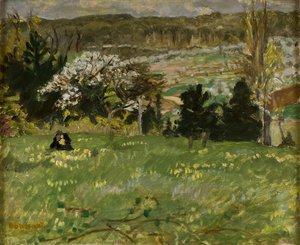
Előnézet
 Megosztás
 Megosztás
 Részletek
 Útmutató

 Letöltés
 Hasonló darabok
 X-ray felvétel
 Diavetítés
 Statisztika
Self-Portrait


 Tovább olvasom
Giclée / Műnyomat
Múzeumi minőségű giclée vagy vászonnyomat, gyors gyártással és rugalmas finomítási lehetőségekkel. ( Kézzel festett másolat vásárlása Áttérés digitális képre)




P118B Ft10

P118H Ft10

P118W Ft10

P438Z Ft10

P508JH Ft12

P508YH Ft12

P805H Ft10

P805Z Ft10

P919BZ Ft10

P919G Ft10

P919XJ Ft10

P959ZH Ft10

P968JZ Ft12

W106C Ft8

W218G Ft10

W218JH Ft8

W218Y Ft10

W307PJ Ft10

W316G Ft10

W316PJ Ft8

W316Y Ft10

W398PJ Ft8

W4111J Ft10

W500HY Ft15

W500JH Ft15

W692G Ft12

W849H Ft8

W940BG Ft15

W953PJ Ft8




Válasszon előre meghatározott méreteink közül, amelyek megfelelnek a műalkotás eredeti arányainak.

Írja be a keretének vagy a falának megfelelő szélességet és magasságot. A nyomatot csak le lehet vágni, soha nem tehető nagyobbá, mint az eredeti kép, így egy eltérő alakú méretnél a kép egy része elveszik. Mielőtt bármit kinyatintanánk, küldünk egy digitális próbamodellt jóváhagyásra. Az oldalon látható kép nem tartalmazza a valós levágást — ezt csak a próbamodell mutatja meg.
Világszerte történő kiszállítás területére mindössze 2 hét alatt, a szokásos 4-5 hét helyett. (23 október)

Ingyenes globális expressz szállítás

Prémium minőségű len vászon

Teljes körű szállítási biztosítás

Vámvisszatérítési Garancia

Tökéletes színarányosság garancia

100 napos visszaküldési garancia (csak gyártási hibás termékek esetén)

100% pénzvisszatérítési garancia

Több darab vásárlásakor kedvezmény
 Az üvegkeretes opció csak 110 cm alatti méretben érhető el

Self-Portrait
Giclée / Műnyomat
Reprodukció méretei
-


Összesített ár
Ft 25718
Self-Portrait by Pierre Bonnard: An Intimate Gaze
Pierre Bonnard's "Self-Portrait," painted in 1889, is more than just a likeness; it’s a window into the artist's introspective world. This oil on panel painting exemplifies Bonnard's early Post-Impressionist style and his affiliation with the Intimism movement, which focused on capturing everyday domestic scenes with an emphasis on atmosphere and personal feeling. As a member of Les Nabis, Bonnard absorbed influences from Paul Gauguin and Japanese prints, resulting in a unique blend of decorative elements and expressive brushwork.
Composition and Artistic Technique
The portrait depicts an elderly man—likely Bonnard himself—with a beard, wearing a red shirt. His gaze is direct, engaging the viewer with a sense of quiet contemplation. The composition is relatively simple, centering on the figure's head which dominates the frame. A blurred brick wall forms the background, adding texture and depth without distracting from the subject. The use of color is particularly striking; the vibrant red shirt contrasts with the muted tones of the background, drawing attention to the man’s face. Bonnard employs a loose, gestural style, defining contours with broad brushstrokes rather than precise lines. This technique creates a sense of immediacy and captures the fleeting quality of light and shadow.
Historical Context: Les Nabis and Intimism
The late 19th century witnessed a shift away from traditional academic art towards more subjective and expressive forms. Bonnard's "Self-Portrait" reflects this transition, aligning with both the Post-Impressionist movement and the burgeoning Intimist style. Les Nabis, meaning “prophets” in Hebrew, was a group of young artists who sought to synthesize various influences—including Symbolism, Japanese prints, and Gauguin’s explorations of color—to create art that transcended mere representation. Bonnard's work embodies this ambition, prioritizing emotional resonance and decorative beauty over strict realism. Intimism, closely associated with Bonnard and Édouard Vuillard, further emphasized the depiction of intimate domestic scenes, capturing a sense of quiet observation and personal connection.
Symbolism and Emotional Impact
While seemingly straightforward, Bonnard's "Self-Portrait" carries subtle symbolic weight. The man’s serious expression suggests introspection and perhaps a touch of melancholy—a common theme in Bonnard’s work. The red shirt could symbolize vitality or passion, contrasting with the aging face and hinting at an enduring spirit. The blurred background evokes a sense of memory and atmosphere, suggesting that the portrait is not merely a depiction of physical appearance but also a reflection of inner life. Ultimately, the painting's emotional impact lies in its ability to convey a profound sense of quiet dignity and personal vulnerability.
Legacy and Reproduction
"Self-Portrait" stands as a testament to Bonnard’s unique artistic vision and his contribution to the development of modern art. Its influence can be seen in subsequent generations of artists who sought to capture the beauty of everyday life with an emphasis on color, light, and personal expression. High-quality reproductions of this iconic artwork offer collectors and enthusiasts alike the opportunity to experience Bonnard’s intimate gaze and appreciate his masterful use of color and form.
Gyakran Ismételt Kérdések
Hogyan javasolt a(z) "Self-Portrait" kinyomtatása – milyen méretben, milyen elrendezésben?
A "Self-Portrait" alkotás esetében a javasolt nyomtatási beállítás a Medium méret és a Portrait orientáció.
A Pierre Bonnard alkotása, a "Self-Portrait", a jogi szabadhasználatban (public domain) áll-e, és miért?
A „Self-Portrait”, Pierre Bonnard alkotása a joghallgatói schützenesség körébe tartozik – a szerzői jog lejártt állapotban van. A szerzői jogi védelem időtartama a művész halálától számítódik, amely 1947 évben történt.
Miért ajánlott ajándékként a „Self-Portrait”, Pierre Bonnard alkotása?
A Melancholic érzelmi hangulatával „Self-Portrait”, Pierre Bonnard alkotása ajándékként is ajánlott Anniversary.
A művész életrajza
A Life Bathed in Light: The World of Pierre Bonnard
Pierre Bonnard, born in 1867 in the Parisian suburb of Fontenay-aux-Roses, wasn’t destined for a life steeped in artistic expression. His father, a high-ranking official in the French Ministry of War, envisioned a legal career for his son. Young Pierre dutifully pursued law studies, earning his license in 1888, but his heart lay elsewhere—in the captivating world of color and form. This duality, this tension between expectation and passion, would subtly inform his artistic journey, lending a unique intimacy to his work. He initially dabbled in caricature, honing an observational skill that would later blossom into exquisitely rendered domestic scenes. However, it was at the Académie Julian where Bonnard truly found his path, encountering kindred spirits who shared his burgeoning rejection of academic conventions and embraced the avant-garde spirit sweeping through Paris. This encounter led him to the Nabis, a group of artists—including Maurice Denis, Paul Sérusier, and Édouard Vuillard—who sought to infuse art with spirituality and symbolism, moving beyond mere representation towards an exploration of inner experience.The Nabi Years and the Cultivation of Intimacy
Bonnard’s association with the Nabis proved pivotal. The group's emphasis on flattened forms, bold color palettes, and a rejection of traditional perspective resonated deeply with his artistic sensibilities. Inspired by Japanese prints—their elegant lines and harmonious compositions—and the Symbolist movement’s exploration of subjective emotion, Bonnard began to develop his signature style. He wasn’t interested in grand narratives or historical allegories; instead, he turned inward, focusing on the quiet moments of everyday life: a woman bathing, a family gathered for dinner, a sun-drenched garden. These weren't merely depictions of scenes but distillations of feeling—evocations of memory and atmosphere. This focus on intimate domesticity earned him the label “Intimist,” a term that perfectly captures the emotional resonance of his work. His paintings aren’t about *what* is depicted, but *how* it feels to be present in those moments. He worked from memory, sketching extensively and then translating those impressions onto canvas with a remarkable sensitivity to light and color. The Nabis group, seeking to break free from the constraints of academic art, explored themes of spirituality and symbolism, often drawing inspiration from Japanese aesthetics. Bonnard’s participation in this movement allowed him to experiment with unconventional compositions and techniques, pushing the boundaries of traditional painting.Color as Emotion: A Master Colorist
Bonnard's mastery of color is arguably his most defining characteristic. He didn’t simply *use* color; he *felt* it, allowing it to dictate the mood and atmosphere of his paintings. His palette was vibrant yet nuanced, often employing unexpected combinations that created a sense of shimmering luminosity. He famously would revisit completed canvases, subtly adjusting colors across multiple works to achieve perfect harmony—a testament to his obsessive dedication to chromatic balance. This wasn’t about realistic representation; it was about capturing the subjective experience of color, its ability to evoke emotion and memory. He moved away from direct observation, preferring instead to paint from recollection, allowing him to imbue his scenes with a dreamlike quality. His landscapes weren't simply depictions of places but emotional responses to them—filtered through the lens of personal experience. He was particularly interested in capturing the effects of light on surfaces and objects, creating an illusion of depth and atmosphere through subtle shifts in color and tone.Later Life and Lasting Legacy
As Bonnard matured, his artistic focus shifted further towards the exploration of color and light. He spent increasing amounts of time in the south of France, captivated by the Mediterranean landscape and its intense luminosity. His relationship with Marthe de Meligny, his wife and lifelong muse, remained central to his life and work. She appears frequently in his paintings, often depicted bathing or engaged in everyday activities, her presence radiating a quiet grace and intimacy. In 1912, he purchased “La Roulotte” in Vernonnet, near Giverny, establishing a close friendship with Claude Monet. This proximity to the master of Impressionism further fueled Bonnard’s exploration of light and color, though he always maintained his own distinct artistic vision. He continued painting until shortly before his death in 1947, leaving behind a body of work that continues to captivate and inspire. Bonnard's influence on subsequent generations of artists is undeniable. His emphasis on subjective experience, his masterful use of color, and his celebration of the everyday have left an indelible mark on modern art. He demonstrated that beauty could be found not in grand gestures or heroic narratives, but in the quiet moments of life—bathed in light and imbued with emotion.Notable Works & Collections
- Woman in Checkered Dress (1890): An early example of his Nabi-influenced style, showcasing flattened forms and bold color combinations.
- The Dining Room (1913): A quintessential Intimist scene, capturing the warmth and intimacy of domestic life.
- Bowl of Fruit (c. 1933): Demonstrates his mastery of still life, with vibrant colors and a sense of luminous depth.
- The Almond Tree in Blossom (1947): One of his last paintings, completed just days before his death, showcasing his continued exploration of color and light.
- Musée Marmottan Monet, Paris, France
- Art Institute of Chicago
- Museum of Modern Art, New York City
- Tate Modern, London
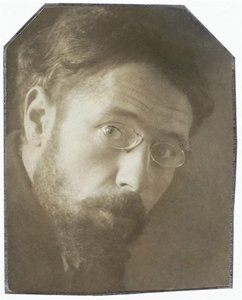
Pierre Bonnard
1867 - 1947 , Franciaország
Gyors információk
- Artistic Movement Or Style: Posztimpresszionizmus, Intimizmus
- Artists Or Movements Influenced By This Artist:
- Nabis
- Impressionizmus
- Artists Who Influenced This Artist:
- Gauguin
- Hokusai
- Date Of Birth: 1867. okt. 3.
- Date Of Death: 1947. jan. 23.
- Full Name: Pierre Bonnard
- Nationality: Francia
- Notable Artworks:
- Női sötét ingetben
- Ebédlő
- Gyümölcsdoboz
- Place Of Birth: Fontenay-aux-Roses, Francia
Kapcsolódó cikkek
Beyond Impressionism: Exploring the Emotional Depth of Post-Impressionist Painting
Explore the profound emotional depth & innovative techniques of Post-Impressionism with OriginalUniqueArt. Discover Cézanne, Van Gogh, Gauguin & more – and their lasting impact on modern art.
Renoir Mesterek: A 25 Leglenyűgözőbb Kép a Francia Impresszionizmus Gyöngyszemeiből | OriginalUniqueArt
Fedezze fel Pierre-Auguste Renoir 25 legszebb művét! Ismerje meg az impresszionizmus gyöngyszemeit, a színek és fény játékát. Vásároljon exkluzív Renoir reprodukciókat otthonába a OriginalUniqueArt.com kínálatából – minőségi faliképek és inspiráló dekoráció.

A fény és a szín mögött: Impresszionizmus vs. Posztimpresszionizmus a kifinomult gyűjtő számára
Mélyreható elemzés az impresszionizmus és posztimpresszionizmus közötti különbségekről a kifinomult műgyűjtők számára. Értékbecslés, befektetési tanácsok és a legnagyobb mesterek alkotásai.
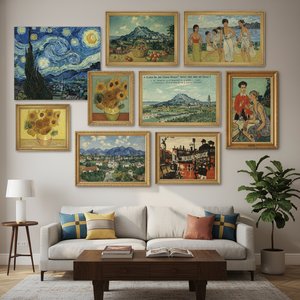
A posztimpresszionizmus 10 legikonikusabb remekműve – OriginalUniqueArt.com
Fedezze fel a posztimpresszionizmus 10 legjelentősebb remekművét! Van Gogh, Cézanne és Gauguin alkotásainak története – inspiráló festmények otthonába. Prémium minőségű reprodukciók a OriginalUniqueArt.com-on. Böngéssze online kínálatunkat!

Paul Cézanne 25 Mesterműve: A Modern Művészet Úttörői | OriginalUniqueArt
Fedezze fel Paul Cézanne 25 legikonikusabb művét! Ismerje meg a posztimpresszionizmus úttörőjének festményeit, technikáját és inspirációit. Vászonképek, portrék, tájképfestmények – minden otthonba. Böngéssze gyűjteményünket a OriginalUniqueArt-on!