

 Előnézet
 Megosztás
 Megosztás
 Részletek
 Útmutató

 Letöltés
 Hasonló darabok
 X-ray felvétel
 Diavetítés
 Statisztika
Misia on a Divan
 Oil On Canvas
- WallArt
- Art Nouveau
 19th Century
 81.0 x 116.0 cm
 Chrysler Museum of Art
 Tovább olvasom
Vásároljon nagy felbontású, javított digitális képet, amely minőségében messze felülmúlja az online előnézetet.
Minden fájlt szakembereink a legmodernebb eszközök és precíz, kézi retusálás segítségével készítenek el aprólékosan. Gondoskodunk arról, hogy minden kép kivételes tisztasággal, pontos színhelyességgel és részletgazdag finomsággal rendelkezzen.
A végleges fájl 72 órán belül e-mailben megérkezik, professzionális, szerkesztői és nyomtatási környezetbe optimalizálva az azonnali használathoz. Ez ugyanaz a minőség, amelyben a legmeghatározóbb tervezőstúdiók, kiadók és galériák is megbízhatnak.
Digitális kép
Töltsön le nagy felbontású fájlt személyes kiállításokhoz, nyomtatáshoz és kreatív projektekhez. ( Váltás nyomtatványra Kézzel festett másolat vásárlása)
Minden digitális kép rendeléséhez tartozó extrák
Szakértői digitális kézbesítés, garantáltan
Amikor a OriginalUniqueArt.com szolgáltatást választja, nem csupán egy képet kap – professzionálisan felmagasított digitális műalkotást kap, amely precizitással készült, és amelyet megelégsedési gwarancia tesz biztoslássá. Az alábbiakban automatikusan minden benne 】

Gyors e-mail teslimítés
A nagy felbontású digitális képmásolatát a megrendelést követő 72 órán belül e-mailben elküldjük Önnek – azonnal használható formátumban.

MI-alapú digitális képjavítás
Műve professzionális módon kerül optimalizálásra fejlett mesterséges intelligencia eszközök és manuális szerkesztés segítségével, biztosítva a maximális részletességet, tisztaságot és színpontosságot.

Örök életű ingyenes újradatás
Véletlenül törölted vagy elvesztetted a fájlodat? Ne aggódj – bármikor ingyen újra megküldjük neked.

Nincs importköltség – soha
Élvezze műalkotásait azonnal, vám, illeték vagy szállítási költség nélkül – a digitális letöltések mindig adamentesek.

Színpontosság garantálása
Professzionális eszközök és színkezelés segítségével garantáljuk, hogy digitális képe a lehető legpontosabban tükrözze az eredeti színeket.

100 napos elégedettségi garancia
Ha nemມີ elégedett a digitális képével, 100 napon belül felülvizsgáljuk vagy 100% visszatérítjük az amountot – kérdés बिना.

100% Pénzvisszatérítési garancia
Nem tetszett a vásárlás? 100 napon belül teljes visszatérítést garantálunk a digitális fájl megvételétől számítva – kérdés nélkül.

Tömegrendelési kedvezmények
Vásároljon 3 képet, spóroljon 10%-et - Vásároljon 5-öt, spóroljon 15%-et - Vásároljon 10+ képet, spóroljon 20%-at. Kiváló kreatív projektekhez, galériákhoz és ügynökségekhez.
A Moment of Intimate Beauty: Pierre Bonnard’s *Misia on a Divan*
Pierre Bonnard's *Misia on a Divan*, painted around 1897, is more than just a portrait; it’s a carefully constructed evocation of domestic tranquility and the subtle beauty of everyday life. This oil on canvas work, measuring 81 x 116 cm, offers a poignant glimpse into the world of the artist himself, revealing his masterful command of color and light – hallmarks that would define his unique artistic vision. The scene depicts a woman, likely Bonnard’s wife Marthe, reclining on a divan, accompanied by their dog, Misia. The painting's quiet intimacy is immediately arresting, drawing the viewer into a space of relaxed repose.
Art Nouveau and the Rejection of Academic Tradition
*Misia on a Divan* exemplifies the burgeoning Art Nouveau movement that was gaining momentum in France at the end of the 19th century. Rejecting the rigid formality and historical subject matter favored by the established academic art world, artists like Bonnard sought inspiration from nature’s fluidity and the vibrant hues found in Japanese prints – a trend known as *Japonisme*. This influence is strikingly evident here; the sinuous curves of the divan, the flowing lines of Misia's form, and the overall sense of organic movement all speak to this artistic rebellion. The painting represents a decisive break from the past, a deliberate attempt to create art that was fresh, modern, and deeply personal.
Color as Emotion: Bonnard’s Technique
Bonnard's technique is characterized by his extraordinary use of color. He didn't employ color to simply represent reality; instead, he used it to convey emotion and atmosphere. The dominant reds and pinks in *Misia on a Divan* are not merely descriptive but powerfully expressive. Notice how the warm tones create a sense of comfort and intimacy, enveloping the viewer in the scene’s quiet serenity. Bonnard's layering of thin glazes – a hallmark of his style – allows for an incredible luminosity and depth, further enhancing the painting’s emotional impact. The subtle gradations of color contribute to the overall dreamlike quality of the work.
Symbolism and Domestic Harmony
Beyond its aesthetic qualities, *Misia on a Divan* is rich in symbolic meaning. The presence of Misia, the dog, adds an element of companionship and loyalty to the scene. The carefully arranged objects – the chair, the clock, the vase – contribute to the feeling of domestic comfort and order. The painting can be interpreted as a celebration of the simple pleasures of life: rest, relaxation, and the bonds between loved ones. It’s a testament to Bonnard's ability to find beauty in the ordinary, transforming everyday moments into works of art.
A Legacy of Impressionism
Bonnard’s work bridges the gap between Impressionism and Post-Impressionism. While influenced by Monet and Renoir’s focus on light and color, Bonnard pushed beyond mere optical representation, delving into subjective experience and emotion. *Misia on a Divan* stands as a powerful example of this artistic evolution, securing its place as one of the artist's most beloved and enduring works. Its quiet beauty continues to resonate with viewers today, offering a timeless meditation on domesticity, light, and the power of color.
Gyakran Ismételt Kérdések
Szabad-e jogilag másolni a(z) Chrysler Museum of Art múzeum collectionsében található „Misia on a Divan”, Pierre Bonnard alkotása alkotást?
Az eredeti "Misia on a Divan" mű a Chrysler Museum of Art gyűjteményében található, a alkotás pedig a joghallgatói schützenesség körébe tartozik – a szerzői jog lejártt státuszú.
A „Misia on a Divan”, Pierre Bonnard alkotása jogtalanul védett (public domain)?
A „Misia on a Divan”, Pierre Bonnard alkotása szerzői jogi státusza: a mű a joghallgatói schützenesség körébe tartozik – a szerzői jog lejártt. Ez határozza meg, hogy a kép másolatai szabadon készíthetők-e.
Elérhető-e a "Misia on a Divan" minőségi nyomtatványként?
A „Misia on a Divan”, Pierre Bonnard alkotása nyomtatványa megrendelhető a ez az oldal oldalon: minőségi giclée nyomat pamutvászonon vagy archiváló vászonpapíron.
Hogyan találkoznak a korszak és a mű stílusa „Misia on a Divan”, Pierre Bonnard alkotása alkotásban?
„Misia on a Divan”, Pierre Bonnard alkotása alkotásművében a Art Nouveau irányzat találkozik a 19. század korszakkal.
Ki készítette a(t): "Misia on a Divan"?
A „Misia on a Divan” műtémét Pierre Bonnard alkotójának tulajdonítják.
Melyik szobához ajánlott a „Misia on a Divan”, Pierre Bonnard alkotása?
A „Misia on a Divan”, Pierre Bonnard alkotása ajánlott egy Living Room számára. Ez a javaslat a mű témáján, színein és hangulatán alapul.
Ki árul „Misia on a Divan”, Pierre Bonnard alkotása kézzel festett másolatait?
A "Misia on a Divan" kézzel festett olajfesték reprodukció lino vászonon formátumban is elérhető. A rendelés ez az oldal felületen adható le, különböző méretválasztékban.
Művész életrajza
A Life Bathed in Light: The World of Pierre Bonnard
Pierre Bonnard, born in 1867 in the Parisian suburb of Fontenay-aux-Roses, wasn’t destined for a life steeped in artistic expression. His father, a high-ranking official in the French Ministry of War, envisioned a legal career for his son. Young Pierre dutifully pursued law studies, earning his license in 1888, but his heart lay elsewhere—in the captivating world of color and form. This duality, this tension between expectation and passion, would subtly inform his artistic journey, lending a unique intimacy to his work. He initially dabbled in caricature, honing an observational skill that would later blossom into exquisitely rendered domestic scenes. However, it was at the Académie Julian where Bonnard truly found his path, encountering kindred spirits who shared his burgeoning rejection of academic conventions and embraced the avant-garde spirit sweeping through Paris. This encounter led him to the Nabis, a group of artists—including Maurice Denis, Paul Sérusier, and Édouard Vuillard—who sought to infuse art with spirituality and symbolism, moving beyond mere representation towards an exploration of inner experience.The Nabi Years and the Cultivation of Intimacy
Bonnard’s association with the Nabis proved pivotal. The group's emphasis on flattened forms, bold color palettes, and a rejection of traditional perspective resonated deeply with his artistic sensibilities. Inspired by Japanese prints—their elegant lines and harmonious compositions—and the Symbolist movement’s exploration of subjective emotion, Bonnard began to develop his signature style. He wasn’t interested in grand narratives or historical allegories; instead, he turned inward, focusing on the quiet moments of everyday life: a woman bathing, a family gathered for dinner, a sun-drenched garden. These weren't merely depictions of scenes but distillations of feeling—evocations of memory and atmosphere. This focus on intimate domesticity earned him the label “Intimist,” a term that perfectly captures the emotional resonance of his work. His paintings aren’t about *what* is depicted, but *how* it feels to be present in those moments. He worked from memory, sketching extensively and then translating those impressions onto canvas with a remarkable sensitivity to light and color. The Nabis group, seeking to break free from the constraints of academic art, explored themes of spirituality and symbolism, often drawing inspiration from Japanese aesthetics. Bonnard’s participation in this movement allowed him to experiment with unconventional compositions and techniques, pushing the boundaries of traditional painting.Color as Emotion: A Master Colorist
Bonnard's mastery of color is arguably his most defining characteristic. He didn’t simply *use* color; he *felt* it, allowing it to dictate the mood and atmosphere of his paintings. His palette was vibrant yet nuanced, often employing unexpected combinations that created a sense of shimmering luminosity. He famously would revisit completed canvases, subtly adjusting colors across multiple works to achieve perfect harmony—a testament to his obsessive dedication to chromatic balance. This wasn’t about realistic representation; it was about capturing the subjective experience of color, its ability to evoke emotion and memory. He moved away from direct observation, preferring instead to paint from recollection, allowing him to imbue his scenes with a dreamlike quality. His landscapes weren't simply depictions of places but emotional responses to them—filtered through the lens of personal experience. He was particularly interested in capturing the effects of light on surfaces and objects, creating an illusion of depth and atmosphere through subtle shifts in color and tone.Later Life and Lasting Legacy
As Bonnard matured, his artistic focus shifted further towards the exploration of color and light. He spent increasing amounts of time in the south of France, captivated by the Mediterranean landscape and its intense luminosity. His relationship with Marthe de Meligny, his wife and lifelong muse, remained central to his life and work. She appears frequently in his paintings, often depicted bathing or engaged in everyday activities, her presence radiating a quiet grace and intimacy. In 1912, he purchased “La Roulotte” in Vernonnet, near Giverny, establishing a close friendship with Claude Monet. This proximity to the master of Impressionism further fueled Bonnard’s exploration of light and color, though he always maintained his own distinct artistic vision. He continued painting until shortly before his death in 1947, leaving behind a body of work that continues to captivate and inspire. Bonnard's influence on subsequent generations of artists is undeniable. His emphasis on subjective experience, his masterful use of color, and his celebration of the everyday have left an indelible mark on modern art. He demonstrated that beauty could be found not in grand gestures or heroic narratives, but in the quiet moments of life—bathed in light and imbued with emotion.Notable Works & Collections
- Woman in Checkered Dress (1890): An early example of his Nabi-influenced style, showcasing flattened forms and bold color combinations.
- The Dining Room (1913): A quintessential Intimist scene, capturing the warmth and intimacy of domestic life.
- Bowl of Fruit (c. 1933): Demonstrates his mastery of still life, with vibrant colors and a sense of luminous depth.
- The Almond Tree in Blossom (1947): One of his last paintings, completed just days before his death, showcasing his continued exploration of color and light.
- Musée Marmottan Monet, Paris, France
- Art Institute of Chicago
- Museum of Modern Art, New York City
- Tate Modern, London
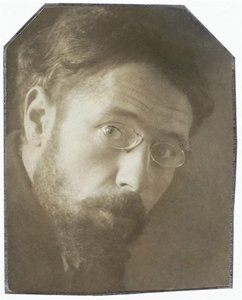
Pierre Bonnard
1867 - 1947 , Franciaország
Rövid tények
- Artistic Movement Or Style: Posztimpresszionizmus, Intimizmus
- Artists Or Movements Influenced By This Artist:
- Nabis
- Impressionizmus
- Artists Who Influenced This Artist:
- Gauguin
- Hokusai
- Date Of Birth: 1867. okt. 3.
- Date Of Death: 1947. jan. 23.
- Full Name: Pierre Bonnard
- Nationality: Francia
- Notable Artworks:
- Női sötét ingetben
- Ebédlő
- Gyümölcsdoboz
- Place Of Birth: Fontenay-aux-Roses, Francia