Megtekintés
 Küldés
 Megosztás
 Részletek
 Útmutató

 Letöltés
 Hasonló darabok
 X-ray felvétel
 Diavetítés
 Q&A
Q&A Statisztika
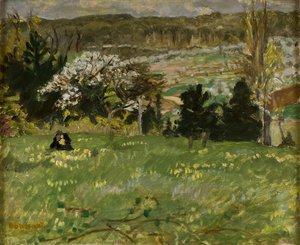
Le placard rouge (The Red Cupboard),
 Oil On Canvas
- WallArt
- Post-Impressionism
 1939
1939 80.0 x 60.0 cm
 Összes részlet megjelenítése
Giclée / Műnyomat
Múzeumi minőségű giclée vagy vászonnyomat, gyors gyártással és rugalmas finomítási lehetőségekkel. ( Kézzel festett másolat rendelése Áttérés digitális képre)




P118B Ft10

P118H Ft10

P118W Ft10

P438Z Ft10

P508JH Ft12

P508YH Ft12

P805H Ft10

P805Z Ft10

P919BZ Ft10

P919G Ft10

P919XJ Ft10

P959ZH Ft10

P968JZ Ft12

W106C Ft8

W218G Ft10

W218JH Ft8

W218Y Ft10

W307PJ Ft10

W316G Ft10

W316PJ Ft8

W316Y Ft10

W398PJ Ft8

W4111J Ft10

W500HY Ft15

W500JH Ft15

W692G Ft12

W849H Ft8

W940BG Ft15

W953PJ Ft8




Válasszon előre meghatározott méreteink közül, amelyek megfelelnek a műalkotás eredeti arányainak.

Írja be a keretének vagy a falának megfelelő szélességet és magasságot. A nyomatot csak le lehet vágni, soha nem tehető nagyobbá, mint az eredeti kép, így egy eltérő alakú méretnél a kép egy része elveszik. Mielőtt bármit kinyatintanánk, küldünk egy digitális próbamodellt jóváhagyásra. Az oldalon látható kép nem tartalmazza a valós levágást — ezt csak a próbamodell mutatja meg.
Világszerte történő kiszállítás területére mindössze 2 hét alatt, a szokásos 4-5 hét helyett. (30 október)

Ingyenes globális expressz szállítás

Prémium minőségű len vászon

Teljes körű szállítási biztosítás

Vámvisszatérítési Garancia

Hiteles színarányosság garancia

100 napos visszaküldési lehetőség (csak hibás termékek esetén)

100% pénzvisszatérítési garancia

Több darab vásárlásakor kedvezmény
 Az üvegkeretes opció csak 110 cm alatti méretben érhető el

Le placard rouge (The Red Cupboard),
Giclée / Műnyomat
Reprodukció mérete
-


Összesített ár
Ft 25847
A Domestic Symphony in Red Hues
To gaze upon Pierre Bonnard's Le placard rouge (The Red Cupboard) is to step directly into a moment suspended in time—a warm, intimate glimpse into the heart of a French kitchen from the early decades of the twentieth century. This painting transcends a mere depiction of household objects; it is an immersion into color, light, and the quiet poetry of domestic life. The overwhelming presence of the red walls and wooden cabinetry does more than simply set the scene; it bathes every bottle, bowl, and apple in a passionate, enveloping glow. Bonnard masterfully transforms the mundane—the everyday clutter of a working kitchen shelf—into a vibrant tableau worthy of contemplation.
The Luminous Technique of Impressionism's Later Years
Bonnard’s technique here exemplifies his lifelong fascination with capturing the ephemeral quality of light. While rooted in the traditions of Post-Impressionism, his handling of paint is intensely personal and subjective. Notice how the edges are often softened, how colors bleed into one another, suggesting not a harsh reality, but a memory of that reality—a feeling rather than a photograph. The interplay between the deep reds, the warm browns of the wood, and the occasional cool highlight on a piece of porcelain speaks to his unparalleled ability to use color as an emotional conduit. It is a technique that invites the viewer to look closely, yet simultaneously encourages them to let their gaze wander, allowing the light itself to guide the eye across the surface.
Symbolism of the Everyday Objects
The arrangement on the shelf—the clustered apples, the varied collection of cups, the bottles standing sentinel—is rich with subtle symbolism. These objects are not merely decorative; they carry the weight of daily ritual and human connection. The kitchen itself has historically been a nexus of family life, a place where sustenance is prepared and stories are shared. By focusing on these familiar items, Bonnard elevates them to symbols of comfort, continuity, and domestic bliss. The abundance suggests plenty, while the careful placement hints at an ordered, yet lived-in, harmony.
Creating Atmosphere for Modern Living
For those who find inspiration in art that speaks directly to the soul of a room, Le placard rouge offers profound resonance. It is more than just wall decor; it is an atmospheric anchor. Imagine this piece gracing a dining nook or a sunlit breakfast area. Its warmth acts as a counterpoint to stark modernism, injecting a necessary dose of human touch and vibrant color theory into any space. Owning a reproduction allows one to bring Bonnard’s captured light—that golden, enveloping glow—into the contemporary home, transforming a simple wall into a portal to an era of rich, sensory beauty.
Kérdések és válaszok
„Le placard rouge (The Red Cupboard),”, Pierre Bonnard alkotása színei tel愈tek vagy fakók?
A "Le placard rouge (The Red Cupboard)," színeinek telítettsége Clear Color Presence.
Milyen helyiségbe javasolt a „Le placard rouge (The Red Cupboard),”, Pierre Bonnard alkotása?
A "Le placard rouge (The Red Cupboard)," reprodukciója jól illik egy Lounge-be.
Milyen stílusba tartozik a "Le placard rouge (The Red Cupboard),"?
A "Le placard rouge (The Red Cupboard)," a Post-Impressionism egyik alkotása. A művészeti irány meghatározza azt a művészeti hagyományt, amelybe a mű beágyazódik.
A művész életrajza
A Life Bathed in Light: The World of Pierre Bonnard
Pierre Bonnard, born in 1867 in the Parisian suburb of Fontenay-aux-Roses, wasn’t destined for a life steeped in artistic expression. His father, a high-ranking official in the French Ministry of War, envisioned a legal career for his son. Young Pierre dutifully pursued law studies, earning his license in 1888, but his heart lay elsewhere—in the captivating world of color and form. This duality, this tension between expectation and passion, would subtly inform his artistic journey, lending a unique intimacy to his work. He initially dabbled in caricature, honing an observational skill that would later blossom into exquisitely rendered domestic scenes. However, it was at the Académie Julian where Bonnard truly found his path, encountering kindred spirits who shared his burgeoning rejection of academic conventions and embraced the avant-garde spirit sweeping through Paris. This encounter led him to the Nabis, a group of artists—including Maurice Denis, Paul Sérusier, and Édouard Vuillard—who sought to infuse art with spirituality and symbolism, moving beyond mere representation towards an exploration of inner experience.The Nabi Years and the Cultivation of Intimacy
Bonnard’s association with the Nabis proved pivotal. The group's emphasis on flattened forms, bold color palettes, and a rejection of traditional perspective resonated deeply with his artistic sensibilities. Inspired by Japanese prints—their elegant lines and harmonious compositions—and the Symbolist movement’s exploration of subjective emotion, Bonnard began to develop his signature style. He wasn’t interested in grand narratives or historical allegories; instead, he turned inward, focusing on the quiet moments of everyday life: a woman bathing, a family gathered for dinner, a sun-drenched garden. These weren't merely depictions of scenes but distillations of feeling—evocations of memory and atmosphere. This focus on intimate domesticity earned him the label “Intimist,” a term that perfectly captures the emotional resonance of his work. His paintings aren’t about *what* is depicted, but *how* it feels to be present in those moments. He worked from memory, sketching extensively and then translating those impressions onto canvas with a remarkable sensitivity to light and color. The Nabis group, seeking to break free from the constraints of academic art, explored themes of spirituality and symbolism, often drawing inspiration from Japanese aesthetics. Bonnard’s participation in this movement allowed him to experiment with unconventional compositions and techniques, pushing the boundaries of traditional painting.Color as Emotion: A Master Colorist
Bonnard's mastery of color is arguably his most defining characteristic. He didn’t simply *use* color; he *felt* it, allowing it to dictate the mood and atmosphere of his paintings. His palette was vibrant yet nuanced, often employing unexpected combinations that created a sense of shimmering luminosity. He famously would revisit completed canvases, subtly adjusting colors across multiple works to achieve perfect harmony—a testament to his obsessive dedication to chromatic balance. This wasn’t about realistic representation; it was about capturing the subjective experience of color, its ability to evoke emotion and memory. He moved away from direct observation, preferring instead to paint from recollection, allowing him to imbue his scenes with a dreamlike quality. His landscapes weren't simply depictions of places but emotional responses to them—filtered through the lens of personal experience. He was particularly interested in capturing the effects of light on surfaces and objects, creating an illusion of depth and atmosphere through subtle shifts in color and tone.Later Life and Lasting Legacy
As Bonnard matured, his artistic focus shifted further towards the exploration of color and light. He spent increasing amounts of time in the south of France, captivated by the Mediterranean landscape and its intense luminosity. His relationship with Marthe de Meligny, his wife and lifelong muse, remained central to his life and work. She appears frequently in his paintings, often depicted bathing or engaged in everyday activities, her presence radiating a quiet grace and intimacy. In 1912, he purchased “La Roulotte” in Vernonnet, near Giverny, establishing a close friendship with Claude Monet. This proximity to the master of Impressionism further fueled Bonnard’s exploration of light and color, though he always maintained his own distinct artistic vision. He continued painting until shortly before his death in 1947, leaving behind a body of work that continues to captivate and inspire. Bonnard's influence on subsequent generations of artists is undeniable. His emphasis on subjective experience, his masterful use of color, and his celebration of the everyday have left an indelible mark on modern art. He demonstrated that beauty could be found not in grand gestures or heroic narratives, but in the quiet moments of life—bathed in light and imbued with emotion.Notable Works & Collections
- Woman in Checkered Dress (1890): An early example of his Nabi-influenced style, showcasing flattened forms and bold color combinations.
- The Dining Room (1913): A quintessential Intimist scene, capturing the warmth and intimacy of domestic life.
- Bowl of Fruit (c. 1933): Demonstrates his mastery of still life, with vibrant colors and a sense of luminous depth.
- The Almond Tree in Blossom (1947): One of his last paintings, completed just days before his death, showcasing his continued exploration of color and light.
- Musée Marmottan Monet, Paris, France
- Art Institute of Chicago
- Museum of Modern Art, New York City
- Tate Modern, London
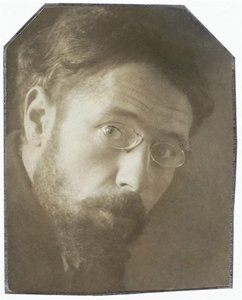
Pierre Bonnard
1867 - 1947 , Franciaország
Rövid információk
- Artistic Movement Or Style: Posztimpresszionizmus, Intimizmus
- Artists Or Movements Influenced By This Artist:
- Nabis
- Impressionizmus
- Artists Who Influenced This Artist:
- Gauguin
- Hokusai
- Date Of Birth: 1867. okt. 3.
- Date Of Death: 1947. jan. 23.
- Full Name: Pierre Bonnard
- Nationality: Francia
- Notable Artworks:
- Női sötét ingetben
- Ebédlő
- Gyümölcsdoboz
- Place Of Birth: Fontenay-aux-Roses, Francia
Kapcsolódó cikkek
Denis Maurice: A Study in Post-War French Figuration & the Poetics of Everyday Life
Explore the life & work of Maurice Denis, pivotal French painter bridging Impressionism to modern art. Discover his Nabis symbolism, theories on 'ideation,' and profound commitment to sacred art. A deep dive for art enthusiasts.

Henri Matisse 25 Mesterműve: Színek és Érzések Világa - OriginalUniqueArt
Fedezze fel Henri Matisse 25 legikonikusabb művét! Ismerje meg a fauvizmus színeit, az expresszionizmus formáit és a modern művészet mesterének életművét. Vászonképek, nyomatok – inspiráció otthonába a OriginalUniqueArt.com-on!

Georges Seurat 25 Mesterműve: A Pontillizmus Zsenialitása – OriginalUniqueArt.com
Fedezze fel Georges Seurat 25 legikonikusabb művét! Ismerje meg a pontillizmus zsenialitását, az impresszionizmus forradalmát és a színek lenyűgöző játékát. Prémium minőségű reprodukciók és inspiráló otthoni dekorációk a OriginalUniqueArt.com-on. Fedezze fel a teljes gyűjteményt online!

Renoir Mesterek: A 25 Leglenyűgözőbb Kép a Francia Impresszionizmus Gyöngyszemeiből | OriginalUniqueArt
Fedezze fel Pierre-Auguste Renoir 25 legszebb művét! Ismerje meg az impresszionizmus gyöngyszemeit, a színek és fény játékát. Vásároljon exkluzív Renoir reprodukciókat otthonába a OriginalUniqueArt.com kínálatából – minőségi faliképek és inspiráló dekoráció.

Crimson Threads of Narrative: Exploring Symbolism & Representation in Artworks Featuring the Red Dress
Explore the rich symbolism of the red dress in art history! From ancient power displays to iconic portraits like Cézanne’s 'Madame Cezanne', discover the cultural and artistic significance behind this captivating color. Expert analysis & insights.